
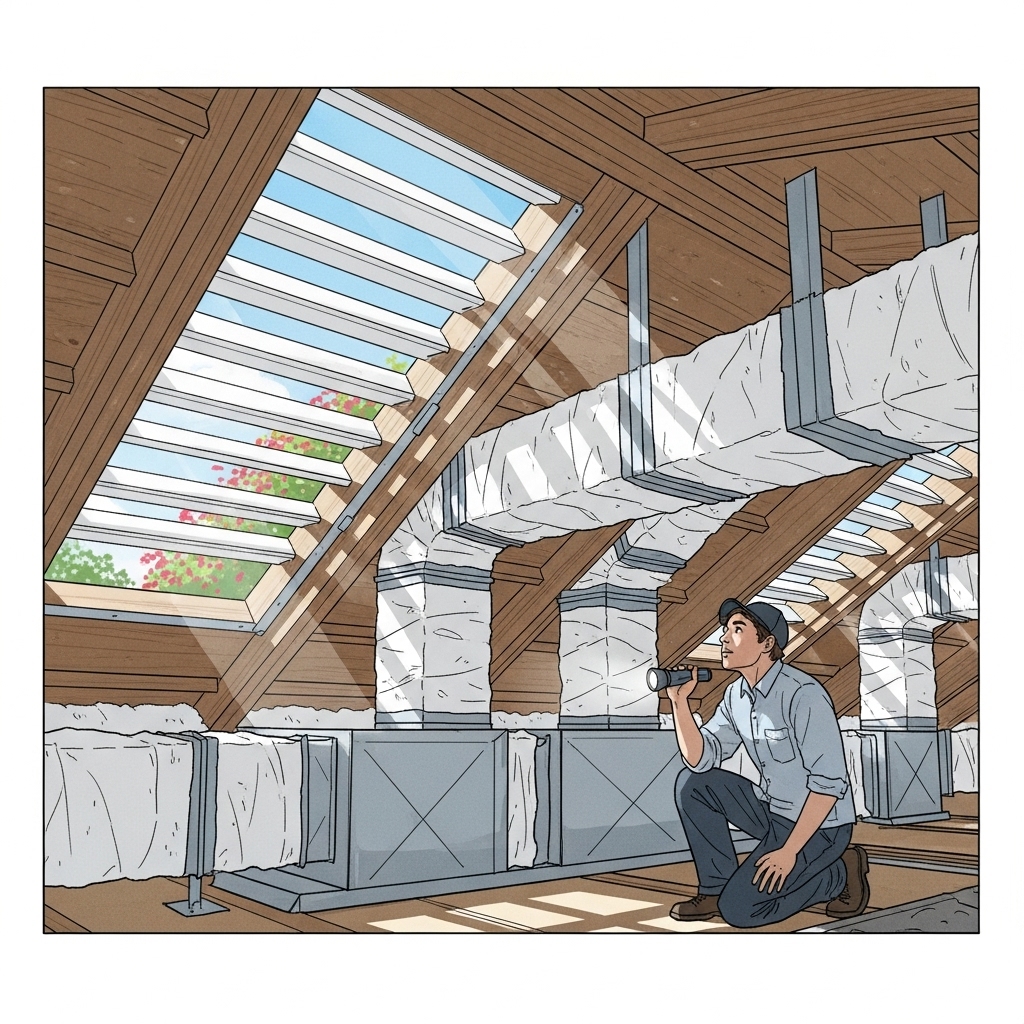
Why Timing Matters Along the Coast
In Beverly Hills, comfort is a moving target that shifts with the seasons and even with the time of day. Mornings can begin cool and wet, afternoons can turn warm and bright, and evenings slide back to a chill that sneaks through single-pane windows and older framing. Somewhere inside that daily rhythm, your ducts are working—sometimes overworking—to move conditioned air where it needs to go. When those ducts are aging or ill-suited to the home, delays in replacement can turn manageable quirks into chronic problems. Approaching duct replacement proactively is less about urgency for its own sake and more about stewarding the long-term health of your home’s comfort system.
Timing isn’t just seasonal. It’s also about catching deterioration before it compounds. Insulation slumps, connections loosen, and returns starve over time. A small leak in the attic that seemed trivial this year can, by next summer, leave a sunlit room barely comfortable. Acting earlier lets you make decisions from a place of control rather than reacting during a heat wave or smoke episode when everyone is scrambling for solutions.
Signals Your Ducts Are Asking for Attention
Most homeowners sense when the air in their house feels “off” long before they locate the cause. Rooms on the ocean side that never quite warm up, or a studio over the garage that turns into an oven on a Santa Ana afternoon, often trace back to duct issues. Whistling registers, persistent dust despite frequent cleaning, and a system that seems to run endlessly are everyday cues. In older Beverly Hills homes, we often find mismatched duct sizing—perhaps a trunk line undersized for a new open-plan living area, or a lone return trying to serve an expanded footprint. These are not problems that self-correct, and delaying replacement keeps the system locked into a pattern of waste and underperformance.
There’s also the invisible signal of air quality. Leaky ducts can draw in attic fibers, crawlspace odors, and outdoor particulates, especially during windy spells. If allergies seem worse indoors than out, or if rooms feel stale shortly after the system cycles off, those hidden pathways may be working against you. A timely replacement reasserts control over what air you bring into the living spaces and how it moves.
Seasonal Windows for Smoother Projects
In our coastal climate, shoulder seasons are ideal for planning and executing duct work. Spring and fall bring moderate temperatures, fewer extreme wind events, and more scheduling flexibility, which translates to a smoother project and a more comfortable household while work is underway. Waiting until July or August—when a canyon home leans heavily on cooling—adds stress to the schedule and sometimes forces temporary compromises. Acting before peak demand means your upgraded system is ready when you need it, not after.
Another advantage of thoughtful timing is access. If you’re already planning a small remodel or attic insulation refresh, coordinating duct replacement avoids duplicate disruptions. It’s easier to open pathways once and complete multiple improvements together than to stagger them over months, especially in homes where attic hatches are tight or crawlspaces are low.
Mechanical Health and Efficiency
HVAC equipment is only as healthy as the ducts that support it. Blowers compensate for restrictive returns by spinning harder, compressors labor longer to overcome losses, and components experience more heat and vibration when the duct system is compromised. Replacing ducts in a timely fashion reduces those mechanical stressors, returning the system to the operating conditions for which it was designed. You hear it first—quieter starts and stops—and feel it as the home reaches setpoint without drama.
Efficiency is the obvious companion benefit. Beverly Hills homes have diverse envelopes: some are tight, modern builds; others are charming but drafty beach cottages. Whatever the envelope, it’s common for older ducts to hemorrhage energy into attics or underfloors. Replacement with sealed, insulated runs brings those losses under control. You aren’t just saving on daily operation; you’re also expanding the equipment’s service life by asking it to do less compensating and more straightforward conditioning.
Air Quality During Smoke and Wind Events
Every Beverly Hills resident remembers days when wildfire smoke crept into town. During those times, indoor air becomes your refuge. Timely duct replacement equips your home for that reality by minimizing infiltration through leaks and by supporting proper filtration. Tight ducts reduce the vacuum effect that draws particulates in from unconditioned spaces. When returns are correctly sized and filter access is convenient, you can step up filtration during a smoke event without punishing the system. It’s a set of practical advantages that matter most when conditions are at their worst.
Santa Ana winds bring a different challenge—dry, dust-laden air that penetrates anywhere it can. Older, taped-only connections and unsealed boots are notorious entry points. Newer assemblies, sealed with mastic and backed by modern tapes, hold firm. The result is air that stays closer to how you intend it: filtered, tempered, and delivered where it’s needed.
Comfort as a Daily Baseline
Timely duct work changes your daily experience. Instead of compensating—closing doors to trap air, shifting seating to avoid drafts, micromanaging shades—you set a temperature and get on with life. In open-plan homes that face the ocean, we often add or resize returns to serve large volumes. That simple move helps the system breathe and eliminates the “wind tunnel” effect that comes from trying to push too much air through too small a path. A calm, steady airflow is more than a luxury; it’s the difference between a house that asks for your attention and a house that supports your routines.
And if you’re working from home, as many Beverly Hills residents do, the value compounds. Quiet, even airflow keeps offices comfortable without forcing you to choose between a brisk workday and a hush during calls. That stable environment supports productivity and well-being in ways you notice most on long days.
Planning With the Future in Mind
When you plan replacement before a crisis, you gain the freedom to future-proof. Perhaps you want ducts that are ready for a heat pump upgrade, or you’re considering zoning that divides a glassy great room from bedroom wings. Proactive design lets you route for sensors and dampers, select returns that accept deeper filters, and allocate space for service access. These choices are easiest before timelines compress and decisions become reactive.
There’s also a real estate perspective. Buyers increasingly pay attention to mechanical systems that promise low maintenance and predictable comfort. A well-executed duct replacement is invisible but meaningful, conveying that the home has been cared for at the level you cannot see. That impression matters during showings, and during inspections, tight, modern ductwork signals a home that’s ready for the next decade.
Local Nuances That Influence Scheduling
Beverly Hills’s topography informs how we plan. Canyon homes often mean longer duct runs through tight framing; coastal cottages may have low crawlspaces and vented eaves; hillside properties can present access challenges that reward careful staging. When you plan early, we can align specialized crews and equipment, from crawlspace dollies to low-profile duct lifts, and we can choose weather windows that reduce discomfort during attic work. It’s the difference between a tidy, well-paced project and a harried rush.
Permits and inspections also benefit from foresight. With time, we can coordinate with local officials, confirm clearances, and address seismic strapping or attic walkway requirements without last-minute improvisation. The result is a project that passes smoothly and sets you up for years of easy maintenance.
Middle-Mile Decisions That Matter
Many of the most impactful decisions happen mid-project—return placements, register types, insulation values, and how to handle an unforeseen framing pinch point. When you’re not in a rush, you can weigh these options thoughtfully. For example, shifting a return to a quieter hallway can reduce nighttime noise, and selecting a different diffuser can calm airflow over a reading nook. Thoughtful choices compound, and by the time the last grille is in place, the home feels transformed. If you are on the fence about scheduling comprehensive duct replacement now rather than later, remember that the luxury of time serves the quality of those decisions.
Even small upgrades ride along nicely: adding an access panel for future service, rerouting a single line away from a hot roof deck, or upsizing a return to accommodate better filtration. These refinements show up every day in quieter, cleaner, more stable air.
The Emotional and Practical Relief
There’s a relief that comes when a home finally stops asking for attention. After timely replacement, you’ll find fewer thermostat skirmishes and less internal weather—no more warm corner by the picture window or the chilly office you avoided at dawn. You notice dust settling down. You stop thinking about the system at all, which is the highest compliment for a piece of building infrastructure.
Timeliness also reduces emergency calls. By addressing aging ducts before peak summer or the dampest winter weeks, you sidestep the cascade of little failures that combine to spoil a weekend or a gathering. Predictability returns, and your home feels like a partner again rather than a project.
Frequently Asked Questions
Q: What are the most obvious signs I should replace my ducts soon? A: Uneven temperatures, excessive dust, whistling or rattling noises, and a system that runs constantly are everyday clues that the duct network is overdue for a reset.
Q: Can’t I just seal the old ducts? A: Targeted sealing helps, but widespread age, poor sizing, or degraded insulation are best solved by replacement, which lets you correct design and performance issues in one, cohesive step.
Q: What time of year is best for the project? A: Spring and fall are ideal, offering milder weather and easier scheduling, though a well-planned replacement can be executed smoothly any time with proper staging.
Q: Will new ducts improve air quality during wildfire smoke events? A: Yes. Sealed ducts reduce infiltration from attics and crawlspaces, and improved return design supports effective filtration when outdoor air quality is poor.
Q: Do I need to replace my HVAC equipment at the same time? A: Not necessarily. Many homeowners replace ducts first to restore airflow and efficiency, then upgrade equipment later. New ducts often make existing equipment perform noticeably better.
Q: How disruptive is the process? A: Most work occurs in attics or crawlspaces. With a clear plan and good communication, daily life continues with minimal interruption.
Ready When You Are
If your home has been hinting that change is due, don’t wait for the hottest week or the smokiest day to act. A timely plan restores comfort and calm before the next seasonal swing. When you are ready to talk through options that fit your schedule and your home’s quirks, begin with a conversation about duct replacement and set the timeline on your terms.