
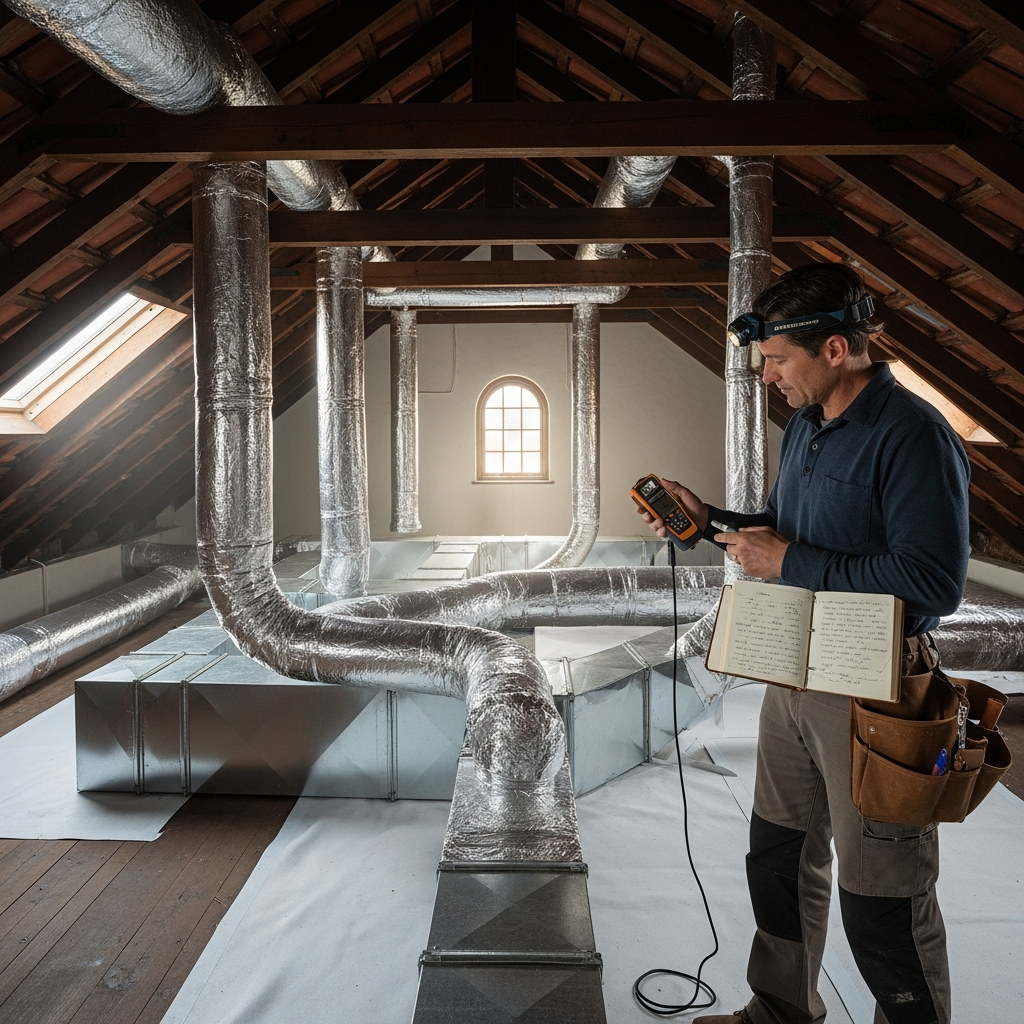
When homeowners in Beverly Hills ask about HVAC duct replacement cost, they are really seeking two things: clarity and confidence. They want to know what shapes the scope of work inside their attics, walls, and crawlspaces, and they want reassurance that the finished system will deliver quiet comfort, healthy airflow, and long-term value. Conversations often begin with space and style—Spanish Revival villas with thick plaster, mid-century residences with long rooflines, and new builds with clean-lined interiors. Each of these homes asks ductwork to do slightly different things, and each presents different pathways for installers. That’s why, even as we discuss budget frameworks and timelines, the smartest first step is a careful look at how air should move through your specific home. A thorough evaluation is the map that turns a general interest in HVAC duct replacement into a plan that feels right for your rooms and routine.
In my experience guiding local projects, the most successful outcomes happen when homeowners anchor the cost discussion to outcomes they can feel—balanced rooms, low noise, and verifiable performance. We can talk about common elements that most projects share, from demolition of old materials to new sealing and insulation, but the difference between a good result and a great one is the quality of the pathways. How will returns relieve pressure in bedrooms? Where will long runs receive gentle radii rather than sharp elbows? Which spaces demand exceptionally quiet diffusers? Answering those questions up front shapes the scope in a way that square footage alone cannot predict.
What Shapes the Scope of HVAC Duct Replacement
Scope begins with access. Attic and crawlspace conditions determine how easily crews can move, how many transitions are required, and how securely ducts can be supported. In Beverly Hills, many attics have intricate framing and modest clearances, so a plan that looks simple on paper can evolve once the real pathways are examined. That is normal. The aim is to minimize friction in the air’s journey while respecting structure and finishes. Equally pivotal is the return-air strategy. A home that has relied on a single central return for decades might significantly benefit from additional returns, especially in bedroom wings or long hallways, to smooth pressure and reduce door whistling when the system runs.
Material choices also define the nature of the work. Rigid trunks provide stable airflow and durability over long spans, while flexible branches can offer quiet operation and graceful routing in tight alcoves. Insulation thickness protects efficiency and comfort, particularly where ducts run near roof decks or through warmer cavities. Sealants and tapes rated for long-term adhesion ensure leakage remains low, boosting both performance and cleanliness. Balancing dampers placed within reach make post-install adjustments practical. These are not marginal details—they’re the backbone of the results you live with.
Design, Sizing, and Noise
Any discussion of cost should include how sizing and layout influence not just capacity but experience. Rooms that feel stuffy or drafty often signal more than thermostat settings; they reflect how air turns, accelerates, and diffuses. Good design means right-sizing trunks and branches, guiding air around structural constraints with smooth transitions, and choosing diffusers suited to the room’s use. For example, a bedroom might call for ultra-quiet airflow and a wider throw pattern to avoid sensation on the occupant, while a family room might welcome a more robust mix from multiple registers. The goal is harmony across spaces so the home feels even, not a patchwork of hot and cold spots.
Noise deserves special attention in Beverly Hills, where the baseline expectation is calm. Mechanical hum, register hiss, and rattles aren’t just annoyances; they chip away at the purpose of the upgrade. Noise control is achieved through airspeed management, diffuser selection, duct lining where appropriate, and secure strapping to prevent vibration. Sometimes it means slightly longer runs that allow air to settle before it enters a room. Build those choices into the plan and you build quiet into the final experience.
Permitting and Code Compliance
Well-run projects lean into the permitting process rather than treat it as a mere requirement. Local enforcement of California energy and mechanical codes plays a constructive role in ensuring systems are safe and efficient. Title 24 considerations such as duct insulation, leakage limits, and verification testing set performance guardrails. A solid plan will align documentation, installation, and testing so inspections are straightforward. The benefit to the homeowner is tangible: you receive a system with documented performance, not just a visual once-over.
It’s also important to consider the relationship between code compliance and everyday comfort. Codes specify minimums, but smart design often goes further in areas like return placement, diffuser selection, and balancing access. When those enhancements are included in the scope from the start, there’s less risk of last-minute changes and more assurance that the home will feel as good as it looks.
Project Sequencing and Living Comfortably Through the Work
Duct replacement happens inside your living spaces, so sequencing is as much about people as it is about parts. The best crews build a daily rhythm: isolate work zones, protect finishes, coordinate timing with your schedule, and close out each day with a tidy, safe home. Bedrooms might be grouped so they come offline together and return to service quickly. High-traffic spaces can be managed around family routines. In hillside homes, staging materials and lifts is part of the choreography. Thoughtful sequencing shows up in minimized disruption and a feeling of steady progress.
Communication underpins this experience. Homeowners appreciate morning check-ins to set goals and end-of-day updates summarizing what’s complete and what’s next. This cadence makes the process predictable and respectful, which is precisely the tone Beverly Hills homeowners expect and deserve.
Mid-Project Adjustments Without Derailing the Plan
Even meticulous planning can uncover surprises once ceilings open and old ducts come out. A beam may pinch a planned trunk, or a return path might benefit from a slightly different location to tame a noise concern. The key is to treat these discoveries as design refinements rather than deviations. A clear process for documenting changes, communicating options, and confirming decisions keeps the work aligned with your priorities. This steady approach keeps momentum while improving the final result.
In the middle of a project, it’s also wise to pause and revisit the initial goals: even temperatures, low noise, and strong performance verification. That check-in ensures every adjustment supports the outcomes that matter most. It’s one of the reasons homeowners choose providers who value both craftsmanship and clarity—the blend that ensures the result lives up to the plan for HVAC duct replacement.
Performance Verification and Handover
What you can measure you can trust. At project close, leakage testing, airflow confirmation, and a careful walkthrough tie the installation to the promises made. Registers and returns are reviewed for placement and function, and balancing adjustments are completed with homeowner comfort in mind. Documentation should outline materials used, sealing standards, insulation levels, and test results. This is where your investment turns into confidence, because you know not only that the work was done, but how well it performs.
Maintenance conversations are productive at this stage too. Knowing where balancing dampers sit, how filters should be selected relative to airflow, and when to visually check accessible ducts empowers homeowners to keep the system in peak condition. A well-documented handover isn’t just a formality; it’s the beginning of an informed relationship with your home’s air distribution.
Frequently Asked Questions
What are the biggest drivers of HVAC duct replacement scope?
Access, pathway complexity, and performance goals lead the list. Attic or crawlspace conditions shape routing options, while architectural features influence run lengths and transitions. Performance goals such as quiet operation and balanced rooms introduce design elements like diffuser selection and return distribution. Materials and sealing standards round out the picture and ultimately shape how the home feels.
Can I keep my existing register locations?
Sometimes yes, but not always. Existing locations were often set for older equipment or different airflow assumptions. If a room struggles with noise or uneven temperatures, relocating or adding a register may be part of the solution. The best approach is to evaluate each room’s function and layout, then confirm placements that serve comfort and aesthetics.
How long does a typical project take?
Timelines depend on home size, access, and the extent of redesign. With clear sequencing and communication, work can be planned to minimize disruption, tackling spaces in a sensible order. Inspections and verification steps fit into that plan so momentum is steady. Your provider should outline a realistic schedule after the initial assessment and design review.
Will new ducts make my home quieter?
They can, if the design intentionally addresses airspeeds, diffuser selection, and routing. Quiet is a design choice as much as a material property. By creating smooth transitions, avoiding sharp turns near registers, and managing velocities, the system can deliver air without calling attention to itself. Many Beverly Hills homeowners place high value on this outcome.
How do energy codes affect my project?
California’s energy code sets expectations for insulation levels, leakage limits, and verification testing. Rather than treating this as a box to check, a strong plan incorporates these standards from the outset. The result is a system that not only passes inspection but performs as intended in day-to-day life, with documentation that proves it.
Should I add more returns?
Distributed returns can dramatically improve comfort and noise control in many layouts. Assessing door undercuts, hallway lengths, and bedroom counts will guide whether additional returns are appropriate. The decision is less about home size and more about how air moves through the interior spaces.
Plan Your Next Step with Confidence
If you’re ready to explore a well-designed upgrade, the most valuable first step is a calm, thorough assessment of your pathways, performance goals, and aesthetic preferences. From there, we’ll shape a design and sequence that respects your home and routine, and we’ll verify the results so comfort isn’t just promised—it’s proven. Start the conversation today and learn how expert HVAC duct replacement can elevate the way your Beverly Hills home feels every day.