
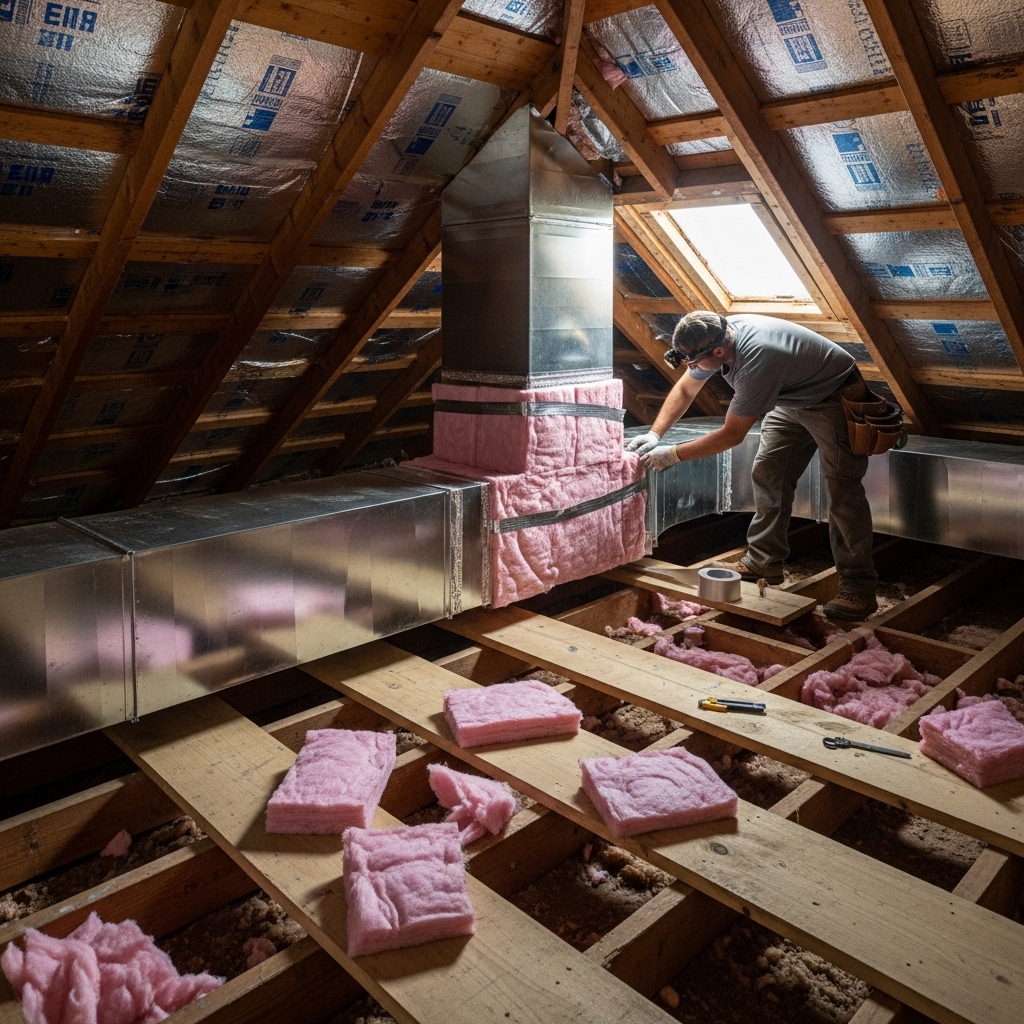
Attic spaces in Beverly Hills homes are as varied as the architecture itself. From low-clearance eaves in classic Spanish Revival houses to expansive, light-filled volumes above contemporary builds, every attic shapes how air moves and how ducts can be routed. When homeowners consider HVAC duct replacement in these upper reaches, the aim is simple: stable temperatures, quiet operation, and energy-smart performance—all achieved with as little disruption as possible. Planning for duct replacement in attics is an exercise in logistics, design, and respect for the building envelope, especially in our climate where hot afternoons and cool evenings are the norm.
The first insight about attic work is access. How crews reach the space dictates much of the project’s rhythm. Narrow hatches, steep pull-down ladders, or delicate interior finishes mean that protective measures must be carefully staged. Floors are covered, dust control is implemented, and pathways are mapped to avoid scuffing walls or trim. Once inside, the reality of attic construction asserts itself: joists, trusses, wiring, and older mechanicals create a maze to navigate. The goal is to reroute and resize ducts so air arrives gently and evenly in each room, while maintaining the integrity of insulation and air sealing that keep the home efficient and comfortable.
Heat is the constant challenge in attics. Sun-exposed roof decks radiate warmth that can tax poorly insulated or leaky ducts. A well-designed replacement emphasizes tight sealing at every connection, proper insulation along the entire length of a run, and thoughtful separation from sources of radiant heat. Where possible, keeping ducts low in the attic, shaded by insulation, and away from hot roof surfaces helps maintain steady supply temperatures. Gentle airflow reduces noise and avoids the whistling that sometimes plagues older, undersized runs.
In many Beverly Hills homes, architecture introduces both beauty and complexity. Vaulted ceilings, skylights, and intricate rooflines can leave fewer obvious pathways for trunk lines. When straightforward routes are limited, solutions include creating new chases, leveraging interior soffits, or rerouting along structural lines that minimize bends and transitions. Each elbow, each fitting, and each change in diameter matters for performance and sound, especially when supply runs stretch across longer spans to reach distant rooms.
Return air strategy deserves special attention in attic-centric systems. If returns are starved or poorly placed, rooms feel stuffy and fans work harder than necessary. Modernizing returns—enlarging pathways or relocating grilles—restores balance and allows supply air to flow quietly. In practice, this might mean reclaiming a central hallway for a larger return or integrating returns into less conspicuous areas to preserve room aesthetics.
Air quality is another priority in attic projects. During fire season, when outdoor air can carry particulates, a well-sealed duct system with robust filtration helps the whole house feel calm and clean. Planning for filtration upgrades during duct replacement prevents awkward retrofits later. Service access is built in, so filters can be changed easily, and pathways are kept smooth to avoid dust accumulation that degrades performance over time.
Insulation and air sealing around the ducts intersect with broader home performance goals. Even the best ducts struggle when the attic envelope has gaps. Coordinating duct replacement with envelope improvements—sealing top plates, around recessed lights, and other penetrations—compounds the benefits. The upstairs becomes less prone to afternoon spikes, and bedrooms stay more comfortable at night. This integrated approach is particularly helpful in older homes where insulation was an afterthought.
Safety and code awareness keep attic work professional and reliable. Clearances from flues, proper supports for duct runs, and safe access walkways protect both the home and the crews. It’s not glamorous work, but it ensures longevity and protects the investment made in new materials. Labeling and documentation make future service faster and less invasive, which homeowners appreciate when maintenance is due.
As projects progress, testing and balancing tune the system to the home’s unique conditions. It’s common to find that a bedroom at the edge of the plan needs a little more airflow, or that an office near the center wants slightly less for quiet. These adjustments bring the house into harmony and confirm that design intentions are realized in day-to-day living. Owners feel the difference most in the morning and at night—no more temperature swings from floor to floor, no more noisy bursts at startup, just a steady, even feel.
There’s also a practical reality in Beverly Hills: many homes blend old and new construction. An original core with later additions means attics can vary from one wing to another. Duct replacement becomes an opportunity to knit these pieces together so the system behaves like a single, coherent whole. Transitions are softened, long runs are supported and sealed, and the system becomes more resilient to seasonal changes.
Homeowners often ask where the most meaningful improvements happen. In attics, the biggest wins come from sealing and support, smart routing that minimizes bends, and returns that are sized for quiet efficiency. It’s also the perfect time to provide for future filtration enhancements or to leave room in chases for later technology updates. With that foresight, the home can evolve gracefully without tearing into finished rooms again.
Midway through an attic project, it can be reassuring to revisit the plan and confirm that every decision still aligns with comfort goals. This is where a specialist in HVAC duct replacement makes a tangible difference: not just installing new materials, but shaping airflow so the house feels balanced and calm. Careful commissioning turns a tangle of joists and rafters into a quietly competent system you never need to think about.
Maintenance remains essential after the work is complete. Filters get changed on schedule, attic access is kept clear, and a quick seasonal check looks for any signs of settling or abrasion that could compromise sealing. These small steps protect performance and extend the life of the installation, ensuring that the attic remains out of sight and out of mind in the best possible way.
Will duct replacement in my attic damage ceilings or walls?
With careful planning and access through existing hatches or discreet openings, disruption can be kept to a minimum. Protection, dust control, and strategic routing help preserve finishes while allowing crews to work efficiently.
How do hot attics affect performance?
High attic temperatures can warm supply air if ducts are leaky or under-insulated. Tight sealing, proper insulation, and routing away from radiant heat keep delivered air closer to the intended temperature.
Can I improve air quality during this upgrade?
Yes. Duct replacement is an ideal time to integrate better filtration and to plan for convenient service access. Cleaner ducts and filters help reduce particulates and maintain a fresh, comfortable indoor environment.
Is balancing really necessary?
Balancing ensures each room receives the right amount of air, enhancing comfort and reducing noise. Skipping this step can leave hot and cold spots and undermine the benefits of new ductwork.
What if my home has multiple attic sections?
It’s common in Beverly Hills. A unified design strategy connects old and new areas so the system behaves cohesively, even when structure and access vary from wing to wing.
How can I keep future maintenance simple?
Clear labeling, accessible filter locations, and stable access pathways make routine service quick and noninvasive. Documentation of runs and fittings also speeds troubleshooting if it’s ever needed.
When your attic ducts work in harmony with your home’s architecture and climate, you feel comfort rather than chase it. If you’re ready for a quieter, more even home with clean, reliable airflow, partner with a local team that plans, routes, and seals with care. Begin your path toward smarter, cleaner duct replacement and enjoy steady comfort upstairs and down.