
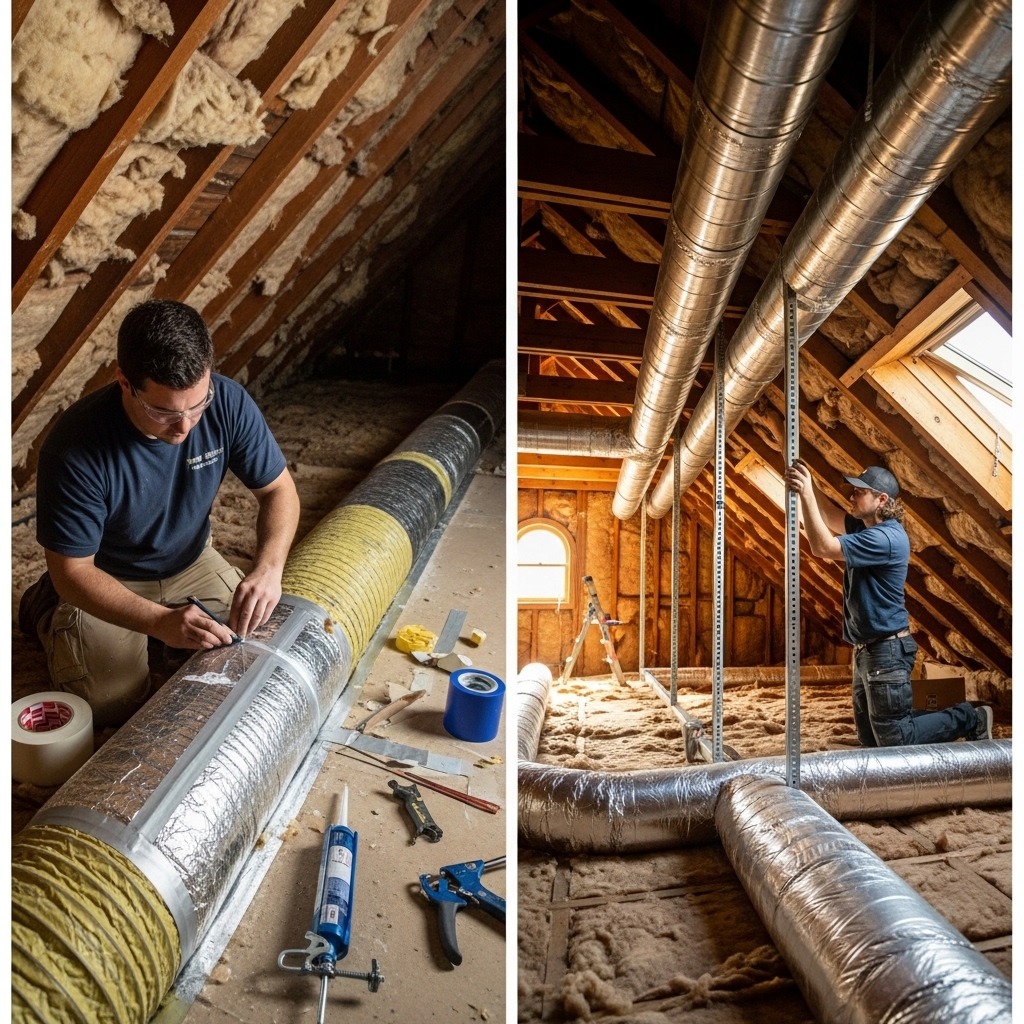
When comfort falls short in a Beverly Hills home, the first question often sounds simple: should we replace the ducts or just seal what we have? Behind that question is a desire for clarity, a wish to fix problems at their source without overdoing the solution. Because these homes are as individual as their histories, the right answer depends on the condition of materials, how air flows through each space, and how the house itself was put together—from the attic volume over a flat-roof modern to the slender chases of a classic Spanish Revival. Understanding the strengths and limits of sealing versus replacement will help you choose an approach that fits your goals and respects your property.
The debate usually begins after a season of living with uneven temperatures, unexpected dust, or the sense that the system runs harder than it should. At that point, an evaluation with pressure readings, airflow checks at registers, and visual inspection of duct interiors brings the picture into focus. If you are just stepping into this conversation, you will likely come across the term duct replacement alongside sealing as the two principal paths forward. Each can be wise—sometimes separately, sometimes together—depending on what the diagnostics reveal.
What Sealing Does Well
Sealing shines when the duct materials are in good shape but joints and seams leak. In many homes, especially those with decent access and largely straight runs, a methodical application of mastic and approved tapes can reduce leakage dramatically. The benefits show up as calmer airflow, improved delivery to far rooms, and a thermostat that finally reflects a balanced interior. When leakage is the main culprit and the distribution is reasonably designed, sealing is a targeted, efficient fix that preserves existing infrastructure.
Where Sealing Falls Short
Sealing cannot correct undersized runs, crushed or kinked sections, or a return strategy that starves the system. It also cannot fix interior deterioration of older flexible ducts or corrosion in poorly insulated metal that has sweated over time. In some attics, runs sag between supports, creating hidden restrictions that no bead of mastic can undo. When air must take a tortuous path with too many tight turns or when key rooms are served by branches that simply cannot carry the needed airflow, sealing may reduce waste but will not deliver the even, quiet comfort you want.
When Replacement is the Clean Answer
Replacement becomes the right choice when diagnostics reveal multiple, compounding issues: aged materials, poor layout, insufficient returns, and noise from excessive velocity. A fresh design allows you to reset the system, not just patch it. Long-radius fittings, smoother interiors, and right-sized branches restore proper airflow. Balanced returns transform how the house breathes, reducing door pressure and whoosh at registers. In homes where additions and renovations have layered complexity over the years, replacement knits the system back into a coherent whole.
The Beverly Hills Factor
Local architecture and site conditions shape the decision. Flat-roof moderns often have shallow, hot attics where older ducts suffer and access is tight. Spanish Revival and traditional estates may hide ducts in slender chases that share space with structural and electrical runs. Hillside properties add vertical complexity and segmented attic volumes. These realities inform whether sealing crews can reach and treat leaks effectively or whether a new layout with strategically routed trunks and branches is the more durable solution.
Noise and the Character of Rooms
In luxury homes, quiet is not optional; it is part of the aesthetic. A common source of noise is high velocity through tight turns and undersized branches. Sealing leaks can actually increase perceived noise if the system remains constricted, because more of the air is forced through the same narrow pathways. Replacement lets you attack noise at its root—reshaping transitions, enlarging returns, and choosing registers that deliver comfort without calling attention to themselves. The result is a system that disappears into the background of your daily life.
Air Quality and Wildfire Resilience
Air quality is an increasingly important driver. During wildfire season, leaky ducts can draw contaminants from attics and crawlspaces and distribute them indoors. Sealing helps when materials are sound and accessible. Replacement is the opportunity to pair tight ductwork with upgraded filtration and a return design that maintains healthy static pressure, so the system cleans patiently without straining. In households sensitive to allergens or smoke, this combination often changes how the home feels day to day.
What a Diagnostic Process Looks Like
A disciplined evaluation begins with your experience—where comfort fails, when noise bothers you, which rooms feel stuffy. Technicians then measure static pressure, check airflow at registers, and examine duct interiors and connections. Smoke pencils and cameras find hidden leaks. With data in hand, the path becomes clearer. If leakage dominates and the layout and materials are sound, sealing is logical. If bottlenecks, age, and poor routing are the story, a replacement design will carry you further, with sealing playing a supporting role at new joints and transitions.
Design Details that Make Replacement Worthwhile
When replacement is chosen, design is where the value is born. A plan that respects equipment airflow, matches branch sizes to room needs, and places returns thoughtfully will deliver quiet, stable comfort. Long, graceful fittings, proper support for flexible sections, and sealed, insulated trunks protect performance over time. Register placement and type are tuned to each room’s purpose—soft in bedrooms, assertive in gyms and kitchens. The artistry is in making the path of air as simple as possible, so you feel the outcome rather than the engineering.
Sealing as a Partner, Not a Rival
It is not uncommon for the best results to come from both approaches. New ducts designed and installed with care still rely on meticulous sealing at each seam and connection, followed by verification. In that sense, sealing is the finishing technique that protects the promise of the design. Thinking of the two as partners keeps the focus where it belongs—on results you can feel in your living room and bedrooms.
Mid-Project Choices and What They Mean
During work, surprises happen. A beam appears where a trunk was slated to pass, or a chase is tighter than measured. With sealing, the surprise might be an unreachable joint that limits how much leakage reduction is possible. With replacement, it could prompt a quick design pivot to maintain smooth airflow. What matters is that the core goals—quiet, balance, clean air—guide those pivots so the finished system behaves as planned. Clear communication during these moments is the sign of a team that is building for the long term.
Commissioning: The Step That Proves the Choice
Whichever path you take, commissioning validates it. After sealing, leakage tests quantify the improvement. After replacement, airflow measurements at registers, static pressure checks, and third-party verification (where required) confirm that the system is now balanced and tight. This is when you feel the difference walking from room to room without temperature swings or noise spikes.
How to Decide for Your Home
Start with your lived experience. Note when and where comfort fails and how noise behaves. Invite a diagnostic conversation that puts numbers to those observations. If the data says leaks dominate and materials are sound, sealing is a smart first move. If the story is one of aging materials, poor routing, and starved returns, a fresh design with new ducts will pay dividends you feel every day. The right choice is the one that addresses root causes and brings your home back into quiet, confident balance.
FAQ
How do I know if sealing is enough? If testing shows leakage as the primary issue and ducts are otherwise well-sized and accessible, sealing can deliver a significant improvement, especially when followed by verification.
What if my ducts are a mix of old and new? Mixed systems are common. The question is whether the older sections are sound and well-routed. If not, a comprehensive plan that replaces weak links and integrates the whole network is often the more reliable path.
Can sealing make my system louder? If the system remains undersized or restricted, sealing can increase velocity and perceived noise. That is why diagnostics matter; sealing should be part of a plan that protects calm airflow.
Will new ducts really change how my home feels? Yes. Properly designed and installed ducts transform how evenly rooms condition, how quietly the system runs, and how fresh the air feels, especially under stress like hot afternoons or smoke events.
Is this work disruptive? With careful planning, protection, and phasing, most homeowners find the process manageable. Clear communication about daily impacts and steady cleanup keep life on track during the project.
Do I need to replace registers and grilles too? Not always, but strategic updates to register type or location can enhance the benefits of sealing or replacement. The decision should follow from the room’s purpose and the airflow plan.
If you are weighing the two paths and want a result that aligns with your home’s architecture and your expectations, begin with a focused evaluation and a design conversation. A local team that values testing as much as craftsmanship can guide you toward an approach—whether sealing, replacement, or both—that brings lasting calm and balance. When you are ready to explore thoughtful duct replacement, reach out and start a conversation that puts comfort first.