
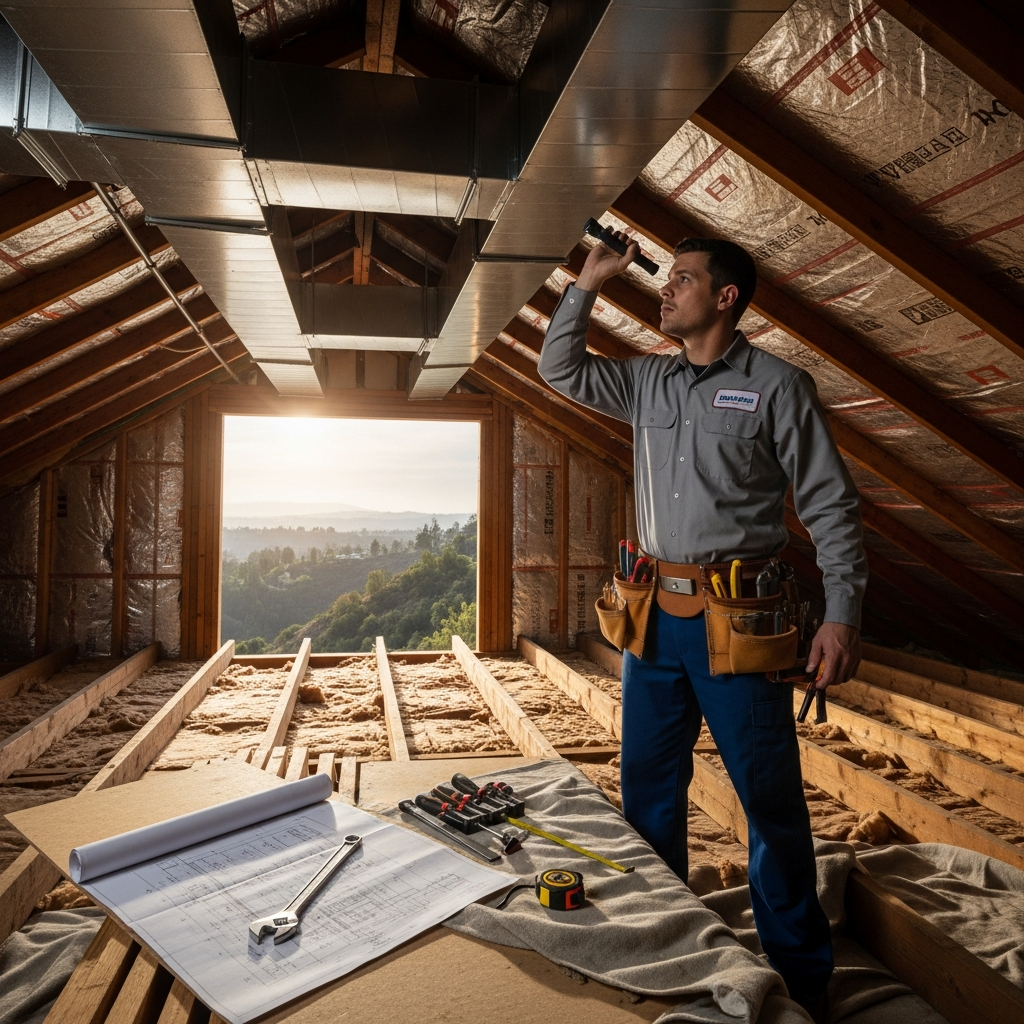
In Beverly Hills, where hillside estates meet tree-lined flats and microclimates shift from canyon breezes to sun-warmed courtyards, homeowners often ask what truly shapes the overall investment behind new ductwork. The word “cost” appears simple, yet the story behind it is layered with home design, comfort goals, energy performance, code requirements, and the lived realities of daily life in Southern California. Before you assign a number to the project, it helps to understand how each decision—from layout to sealing quality—contributes to results you will feel every day. By the end of this guide, you will be able to talk confidently with an HVAC professional, compare proposals beyond surface details, and see how a well-planned system serves your home for years. If you are eager to dig deeper from the start, you can always learn more about duct replacement with a focus on long-term comfort and reliability tailored to Beverly Hills homes.
What “cost” really means in a ductwork project
When people hear “how much will it cost,” they often imagine a single bottom-line figure. In practice, the overall investment reflects a chain of choices and conditions. It begins with the home’s size and layout, extends into design calculations, and continues through materials, installation access, insulation level, sealing strategy, commissioning, and final verification. Each link has an effect on comfort and efficiency. If one link is weak—an undersized return, an inaccessible run that is left leaky, or a register badly positioned for a given room—then even premium equipment can feel underwhelming. Understanding the pieces behind the project helps you recognize value, reduce uncertainty, and align expectations with what is realistically achievable in your home.
Equally important is distinguishing the installation itself from the planning that precedes it. Thoughtful planning accounts for how rooms are used, the local climate, and the construction quirks common in Beverly Hills: plaster walls that hide surprises, shallow crawlspaces, or attics with limited headroom. The plan considers duct path options that respect architecture while minimizing turns and friction. Good planning can reduce noise, improve airflow balance, and make maintenance easier. These improvements show up not just in comfort but in overall building performance—and that is where the notion of “cost” starts to look more like a well-placed investment.
Local influences unique to Beverly Hills
Our climate is kinder than many parts of the country, yet it is not uniform. Canyon homes run cooler with evening breezes, while flats can be warmer in summer. Seasonal Santa Ana winds add dust and dryness that test filters and duct seals. Many Beverly Hills residences also feature a mix of older framing and modern upgrades, with additions stitched into original structures. Those transitions can create awkward duct routes, mismatched return paths, or rooms that never quite felt even. Rooting out the history behind comfort complaints is often part detective work, part craft, and it matters when evaluating the right scope for a new system.
Local building standards emphasize airtightness, energy performance, and safety. Projects often include duct leakage testing, proper insulation levels, and verified airflow targets. If you are revitalizing a home with preserved finishes, protecting those finishes during access is another factor. The installer’s strategy for staging, dust control, and temporary protection can influence timeline and coordination with other trades—especially if projects overlap with kitchen remodels, refinishing, or painting. In short, the “Beverly Hills factor” blends aesthetics, performance, and practicality in a way that rewards careful orchestration.
Design first: sizing, layout, and room-by-room thinking
Before a single length of duct is cut, accurate load and airflow calculations should shape the plan. That means understanding each room’s needs based on orientation, window area, shading, ceiling height, and occupancy. Upscale homes with double-height spaces, large glass surfaces, or daylight-heavy rooms benefit from deliberate supply and return strategies. It is not unusual to discover that a chronically warm den requires a dedicated return, or that a long trunk line to a primary suite needs larger diameter or fewer sharp bends.
The way air moves in and out of rooms is just as important as the equipment in the mechanical room. A design that respects physics—minimizing static pressure and turbulence—helps the blower operate in its sweet spot. That yields quieter operation, steady temperatures, and a foundation for efficiency. Having a contractor explain the planned route, fittings, registers, and balancing dampers is a sign of a thoughtful proposal. It shifts the conversation from a general replacement to a targeted improvement of the home’s comfort network.
Materials, insulation levels, and what they mean to you
High-quality duct materials and proper insulation play a decisive role in results. Flexible ducts can be excellent when used appropriately and gently curved, while rigid metal ducts excel on long, straight runs or where noise control is a priority. In hot attics, robust insulation levels protect delivered air from heat gain, letting your system do less work to achieve the same comfort. The outer jacket and fastening methods matter too. A duct system that resists physical wear and UV exposure, that is secured to framing without crushing, and that maintains sag-free runs will deliver predictable performance years down the road.
Beyond the ducts themselves, the accessories you choose affect long-term satisfaction. Quality boots and registers influence throw patterns and room mixing. Lined plenums and thoughtful transitions limit whistling and rumble. A well-placed filter rack improves filtration and serviceability, encouraging routine filter changes that keep airflow where it should be. These components add up to measurable differences in noise, cleanliness, and even the scent of the air your family breathes.
Sealing, testing, and the quiet importance of details
Few aspects of a new duct system are as influential as sealing. Leaky connections can waste conditioned air into attics or crawlspaces and draw in unfiltered air from those same areas. Quality mastic and UL-rated tapes used correctly at every joint, boot, and seam are hallmarks of a careful installation. After sealing, performance testing verifies that targets are met and helps fine-tune the system. In California, verification by a third party is common practice, and it adds confidence that the installed system matches the plan—not just on paper but in operation.
Equally vital is balancing. When rooms receive the right proportions of airflow, temperatures stay even and equipment doesn’t struggle. Good balancing cannot rescue an undersized return or an overly long, crimped branch, but it completes a strong design. The idea is to create a duct network that runs “unstressed,” where the blower does not have to fight unnecessary resistance. That lower stress extends equipment life and can benefit indoor sound levels, making living spaces feel calmer.
Accessibility, architecture, and the choreography of installation
Access is often the hidden variable behind a project’s timeline and complexity. In Beverly Hills, decorative soffits, tight crawlspaces, or low-slope roofs may limit working space. Preserving finishes—crown moldings, paneled ceilings, bespoke cabinetry—requires creativity in routing or temporary disassembly. Thoughtful contractors plan staging, debris removal, and protection of surfaces so the home remains clean and functional. On larger estates, coordinating power tools, material deliveries, and parking can be a story in itself. When discussing scope, ask how the team will protect your home and how they will handle unforeseen obstacles. Clear answers reveal experience with the area’s architectural diversity.
Many homeowners also time duct work to coincide with other improvements. If you are enhancing insulation, upgrading windows, or refreshing roofs, sequencing can save disruption and yield a tighter building as a whole. For instance, installing ducts after air sealing the attic can lock in greater efficiency. Integrating these moves requires communication across trades, which a seasoned contractor will facilitate as part of the project plan.
Indoor air quality and health-forward decisions
Local conditions—seasonal pollen bursts, wildfire smoke that occasionally drifts across the basin, and dry winds—make filtration and clean duct interiors essential. When replacing ducts, consider the filtration approach holistically. A well-sealed return path paired with a high-quality filter rack minimizes bypass and keeps debris out of the system. Smooth interior surfaces and proper sealing help prevent dust accumulation, while strategically placed returns reduce stagnant zones that can harbor odors. If household members have sensitivities, share those details during the planning phase so the team can recommend filtration grades and placements compatible with your equipment.
Ventilation strategies can also be part of a duct redo. While not every home needs added ventilation tied to the duct system, some benefit from a controlled source of fresh air, particularly if the building envelope has been tightened. These decisions ripple through the design, influencing sizing and balancing. The goal is to deliver air that feels fresh without sacrificing comfort or efficiency.
Mid-project evaluations and staying aligned on goals
As installation unfolds, a conscientious team will check progress against the original plan. Measurements of airflow, static pressure, and leakage inform small adjustments that lock in performance. For homeowners, this is also a good moment to revisit goals: temperature uniformity, noise benchmarks, and serviceability. You might notice that a particular supply register would better serve a reading nook if adjusted a few degrees, or that a closet return could move for easier filter access. Mid-course refinements, even minor ones, can make a home feel uniquely tuned rather than generically built. During these check-ins, it is also a fine time to review maintenance practices so the system you have invested in remains clean and steady for the long term. For further insight into how professionals approach tuning and commissioning, many residents find value in reading about best practices around duct replacement and the role of testing in ensuring results match expectations.
Longevity, warranties, and the meaning of value
Value emerges when the system holds its performance over time with minimal fuss. That depends on workmanship as much as material choice. Secure strapping, straight runs, and careful transitions keep ducts stable season after season. Thoughtful installers explain the warranty on materials, the workmanship coverage, and what maintenance keeps those protections in force. They also show you where access panels and filters are located and how to replace or service them safely. This orientation pays dividends when the seasons change and you want to confirm everything is set for the next round of weather.
It is tempting to evaluate proposals solely on headline figures, but the more instructive question is what each proposal includes to protect your comfort. Does it include balancing? Is third-party testing part of the scope? Are returns being optimized for your home’s layout? Are sound considerations addressed where ducts pass near sleeping spaces? The answers to these questions will give you a sense of long-term value that outlives the installation day.
Preparing your home and household
A smooth project benefits from early preparation. Clearing access to mechanical rooms, attics, and closets makes work safer and faster. Identify items that need special protection or temporary relocation. If you work from home, talk with the team about noise windows and airflow interruptions so you can plan meetings or quiet periods accordingly. Pet gates, parking logistics, and elevator scheduling in multi-level properties are simple details that preserve calm during construction. On larger projects, a daily check-in with the lead installer keeps everyone aligned and gives you a chance to catch small preferences before they become bigger revisions.
After installation, a brief walkthrough helps you learn the new system. Ask to see airflow readings and leakage results. Confirm that registers open and close smoothly and that balancing dampers, if installed, are labeled. Review filter sizes and recommended change intervals. A clear handoff feels like the final chapter of the project and sets you up for worry-free seasons.
Energy performance and the comfort you can feel
When ducts are sized, sealed, and balanced correctly, homes feel different. Temperature swings shrink. The dining room no longer bakes at sunset. Bedrooms stay peaceful when the system ramps up because the blower is not straining against high static pressure. You may notice fewer dust streaks at registers and cleaner air overall. In many cases, these comfort improvements coincide with reduced energy waste, especially in homes that previously leaked conditioned air into attics or crawlspaces. While comfort is the daily reward, efficiency is the silent partner that pays you back every hour the system runs smoothly.
It is also worth mentioning that properly executed ductwork can extend the life of your heating and cooling equipment. When airflow targets are met and resistance is kept in line, motors and compressors operate within designed limits. This can reduce wear and maintain performance curves, translating to reliable seasons of service without drama.
How to evaluate proposals with clarity
When comparing proposals, look beyond a single line item describing “replace ducts.” Strong proposals name design assumptions, duct sizes, insulation levels, sealing approaches, ventilation or filtration strategies if relevant, and the testing that will verify performance. They specify how returns will be handled and where registers will be placed or relocated. They outline protection of finishes and cleanup. They communicate timeline and the plan for mid-project check-ins. With these details in hand, you can decide with confidence, because you are comparing ideas, not just numbers. If a proposal feels thin, ask questions until you are satisfied you understand what is included—and what is not.
Finally, remember that communication style and responsiveness matter. You are selecting a partner to enhance a major system in your home. The right team will welcome questions, explain tradeoffs, and help set realistic expectations. That partnership is the bedrock of a result you will enjoy daily.
Frequently Asked Questions
How long does a typical duct replacement take in a Beverly Hills home?
Project timelines vary with home size, access, and the complexity of the layout. Straightforward single-level homes with good attic access move faster, while multi-level estates, tight crawlspaces, or finishes requiring special protection extend the schedule. Your contractor should share an anticipated sequence—demolition, rough-in, sealing, balancing, and testing—so you can plan around the quiet and noisy phases.
Do I need to replace all ducts, or can I address certain areas only?
Targeted replacements can be effective when problems are clearly localized, such as a sunroom addition with an underperforming branch or a return path that needs upsizing. However, if balancing, leakage, and layout issues are widespread, a full system approach typically yields better comfort and reliability. An assessment with airflow measurements and visual inspection will guide the decision.
What role does duct insulation play in overall performance?
Insulation preserves the temperature of the air moving through ducts, particularly in hot attics or cool crawlspaces. Adequate insulation reduces the workload on your system, helps stabilize room temperatures, and can quiet airflow noise. It is most effective when paired with proper sealing, since even thick insulation cannot compensate for leaks.
How important is third-party testing after installation?
Independent verification confirms that sealing, airflow, and system performance meet target levels. It protects your investment by catching issues early, provides documentation for your records, and builds confidence that the system performs as designed. In our region, such testing is often part of standard practice and is well worth including in your project plan.
Will new ducts make my system quieter?
Often, yes. Reducing static pressure through better sizing and smoother routing lowers blower strain and can diminish register noise. Selecting appropriate registers and dampers also matters. Quiet operation is an excellent topic to raise during design so routes and components support your goals.
What should I do to maintain my new duct system?
Replace filters on schedule, keep supply and return paths clear, and have periodic checkups to ensure balancing remains solid. If you notice new noises, uneven temperatures, or dust accumulation, reach out promptly so minor adjustments do not become bigger issues. A simple maintenance habit protects comfort year-round.
Are there special considerations for older Beverly Hills homes?
Yes. Older structures may have hidden obstructions, nonstandard framing, or legacy materials that call for care. Preservation of finishes and coordination with other trades are especially important. A contractor experienced with local architecture will anticipate these variables and plan accordingly.
If you are ready to align your home’s comfort with thoughtful planning and craftsmanship, consult a local specialist who understands the nuances of our neighborhoods and climate. Schedule a personalized assessment and take the first step toward a system tailored to your lifestyle—starting with a conversation about your goals, your rooms, and how air should flow through them. Reach out today to begin and consider booking your home visit through a trusted local resource for duct replacement so you can enjoy balanced, quiet comfort in every season.