
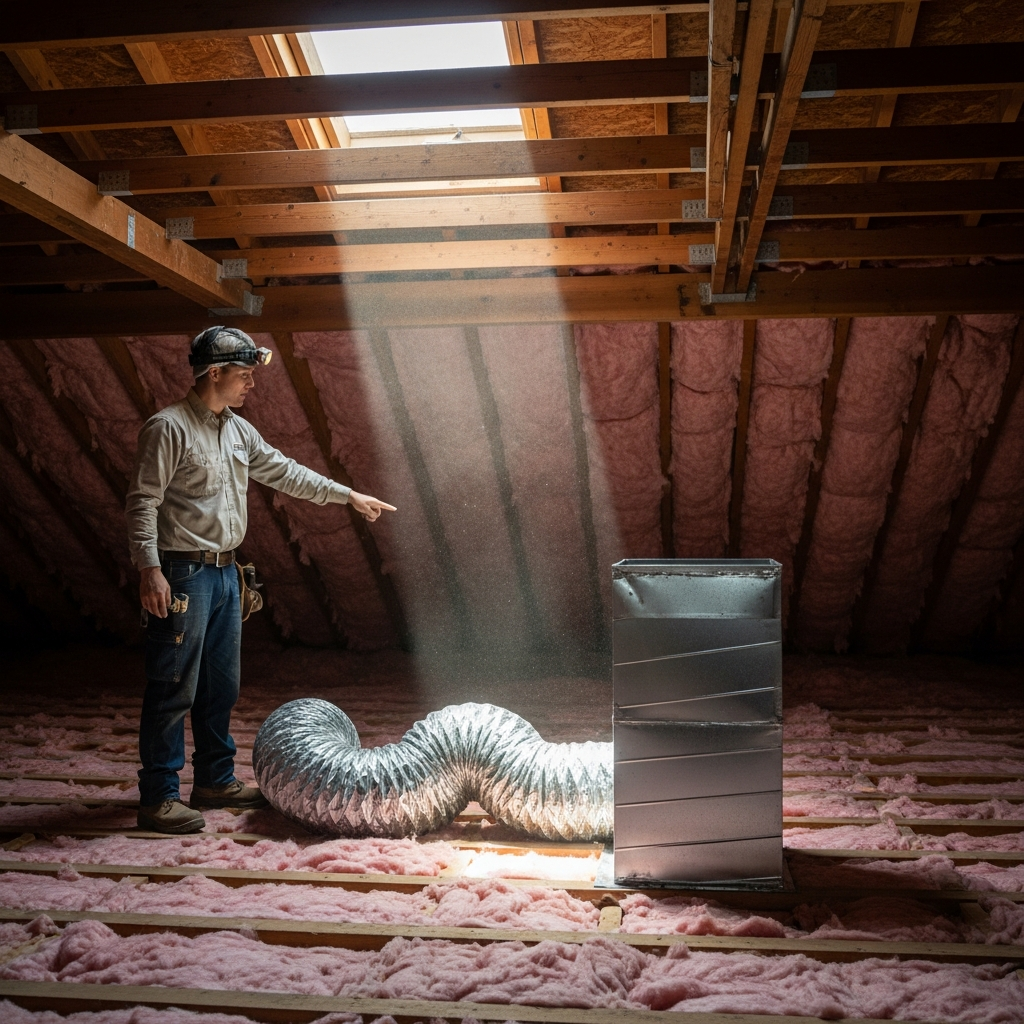
In Beverly Hills, the stakes for comfort are high and the expectations are higher. When a space looks flawless but feels uneven—too warm in a glass-lined gallery, too cool in a shaded library—the culprit is often hidden inside the walls and ceilings. After years of assessing mechanical systems in estates from the flats to hillside crescents, I’ve learned that a handful of recurring duct problems quietly undermine performance. Addressing them during duct replacement turns a finicky system into one that’s almost invisible in daily life, which is precisely the point in a luxury home.
Leaks and losses that never announce themselves
Leaky ducts are the classic invisible issue. In older properties, time, temperature swings, and minor renovations leave seams gapped and connections loose. Air that should be tempering a primary suite seeps into attics, crawlspaces, or chases. The result is subtle: longer runtimes, rooms that never quite reach setpoint, and a faint sense that the home smells like the attic on hot days. Replacement solves this with mastic-sealed joints, better fittings, and appropriate insulation. When the leaks are tamed, the system moves air where you want it, not where gravity or gaps direct it.
We also see “phantom suction” at undersized or blocked returns. The air handler strains to inhale, static pressure rises, and every supply is robbed of performance. During replacement, rethinking return placement and size often stabilizes the whole home. It’s amazing how differently a house feels when the returns are finally given the breathing room they deserve.
Poor sizing and routing in complex floor plans
Beverly Hills homes stretch across generous lots and dramatic vertical volumes. Older duct designs sometimes treated those spaces as if they were simple rectangles. Additions over the years might have layered new runs over old concepts, creating a tangle of compromises. The most common outcome is noise—air accelerating through narrow throats or whipping around sharp elbows—and uneven temperatures, especially in double-height rooms or glassy pavilions.
Replacement is the chance to respect the architecture. We rework trunks for smooth transitions, increase radii on elbows, and select diffuser types that tame throw without causing drafts. In the process, the soundtrack of the house changes. The whoosh vanishes. Conversations carry. Art moments and quiet corners remain undisturbed by mechanical urgency.
Crushed, kinked, or poorly supported flex
Flex duct has its place when used thoughtfully, but it is prone to kinks, compressions, and sagging if not supported by the right hangers and spacing. In attics that see occasional storage or foot traffic, a single misstep can crumple a section enough to throttle airflow. We see this often in homes where multiple trades shared cramped overhead spaces. The remedy in replacement is simple: use flex only where appropriate, protect it with proper supports, and prefer rigid ductwork in long, straight runs where laminar flow pays dividends in quietness and efficiency.
Insulation gaps and condensation risks
Hot attic air meeting cool supply air creates risk wherever insulation is thin or missing. Over time, those points can encourage condensation that leaves subtle staining around registers or slight odors near ceiling planes. Replacement resets insulation coverage and R-values, wrapping ducts consistently so supply temperatures stay stable and dew points don’t cross into problematic territory. In homes with wine storage, art collections, or extensive millwork, that stability protects finishes and peace of mind.
Register placement that fights the room
We’ve all walked into rooms where the register is tucked behind a door or aimed directly at a seating area. In high-design homes, aesthetics can overshadow performance, but it doesn’t have to be that way. During replacement, we coordinate with designers to align register style and location with both look and function. A linear slot across a window wall can wash the glass without drafting the sofa; a discreet ceiling supply can support a sculpture niche without rustling a delicate textile. It’s not just comfort—it’s choreography between architecture and air.
Inadequate zoning or thermostat logic
Large homes evolve. Bedrooms become offices, gyms appear in former dens, playrooms transition into screening rooms. If zoning didn’t keep up with those changes, the system may be fighting itself. Replacement opens a path to smarter damper placement and better control strategies that meet your current life. Rather than brute-force airflow into one stubborn room, the system modulates gracefully, nudging each zone into balance.
Noise that rides on velocity
Noise seldom comes from the equipment alone. High velocity through undersized trunks and takeoffs produces that signature rush that undermines the serenity of a library or a spa-like bath. By resizing key sections and smoothing transitions, replacement decouples comfort from commotion. The same BTUs reach the space, but they arrive as a whisper instead of a headline.
Post-renovation mismatches
Many Beverly Hills homes bear the invisible marks of successively layered renovations. A removed soffit here, a new built-in there, a reoriented stair—all of it can bend air pathways in ways that weren’t foreseen at the time. Replacement clarifies the picture. We map current architecture as it is today, not as it was decades ago, and route ducts to honor that reality. This is where coordination with millwork, lighting, and AV pays off, because air and aesthetics work together rather than in tension.
Wildfire readiness and IAQ resilience
Smoke days are a fact of life across Los Angeles County. Ducts that leak or return paths that pull unfiltered air from marginal spaces compound the problem. Tight, insulated ducts paired with appropriate filtration and smart recirculation strategies create a noticeably calmer indoor environment when outdoor air quality dips. It’s one of those improvements you don’t think about until you need it, and then you feel very glad it’s there.
Midway through a project is the perfect time to test and verify these gains. Static pressure, airflow at key registers, and temperature splits tell you if the design on paper is delivering in real time. Adjustments at this stage—like fine-tuning damper positions or swapping a diffuser for better throw—are easy. That’s why the middle of your duct replacement journey is when data and experience should guide final tweaks for a result that feels tailor-made.
Protecting finishes and access during work
Owners are understandably protective of their interiors. A well-run project employs dust control, strategic access, and daily cleanup that respects art, furnishings, and surfaces. In attics, crews lay stable walkways and guard insulation to prevent compression. In crawlspaces and chases, they plan sequencing so trades don’t crowd and damage fresh work. The payoff is a home that looks undisturbed even as comfort is being reimagined behind the scenes.
Frequently Asked Questions
What are the top signs my ducts are the problem, not the equipment?
Uneven temperatures room to room, air that feels weak at certain registers, unusual airflow noise, and a persistent dusty or attic-like smell point strongly toward duct issues. Extended runtimes without improved comfort are another giveaway.
Will replacement solve hot and cold spots in double-height rooms?
Yes, when sizing, routing, and diffuser selection are addressed together. Properly designed transitions, larger-radius turns, and registers that manage throw in tall volumes create steady, even comfort without drafts.
Is flex duct acceptable in a luxury home?
Used judiciously, yes. Short, protected runs with proper supports can be quiet and effective. Long or critical paths do best in rigid duct to preserve laminar flow, reduce noise, and withstand incidental contact.
Can new ducts help with smoke days?
Absolutely. Tight ducts and correct return strategies allow your filters to do their job. When paired with appropriate settings, the system keeps indoor air noticeably cleaner during wildfire events.
How do I protect my new ducts after installation?
Keep returns clear, maintain a consistent filter schedule, and coordinate with other trades before they open soffits or install built-ins. Occasional inspections of supports, straps, and insulation in accessible areas go a long way.
If you’re ready to turn a finicky system into a quiet, balanced one that enhances every room, connect with a Beverly Hills professional who can map a clean path to comfort. Thoughtful planning and precise execution will carry your home from frustration to ease. When it’s time to begin, choose trusted duct replacement expertise that respects both your architecture and your lifestyle.