
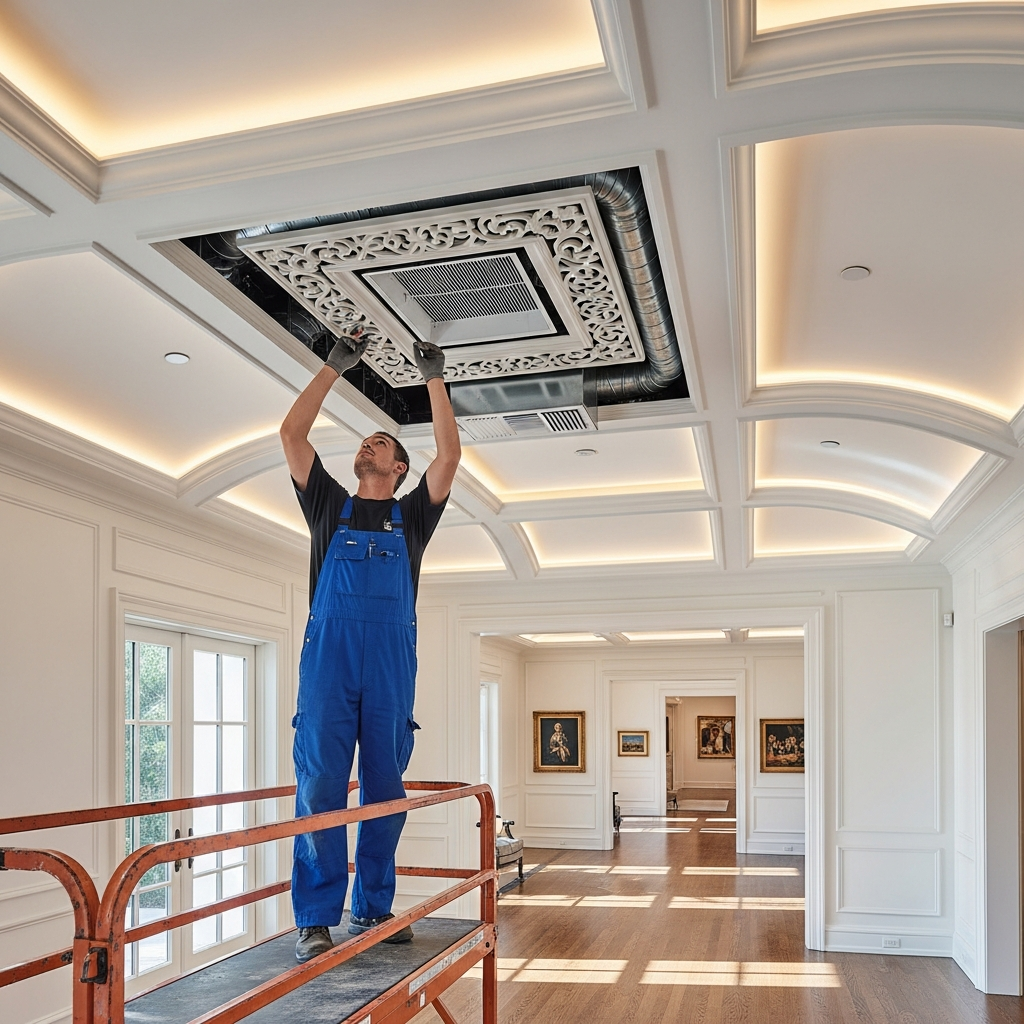
In Beverly Hills, where hillside estates meet tree-lined flats and architectural styles range from classic Mediterranean to glass-and-steel contemporaries, the unseen systems behind your walls and above your ceilings matter more than most people realize. As a local who has walked attics from Benedict Canyon to the Trousdale ridgelines, I can tell you that the quality of your ductwork plays a defining role in how a luxury home actually feels to live in. If you have ever wondered why certain rooms never quite match the thermostat or why a brand-new HVAC system still seems to strain on warm afternoons, the answer often lies in aging or poorly designed ducts. This is why so many homeowners are turning to comprehensive duct replacement to unlock the true performance potential of their residences.
Within the first minutes of a site visit, I can usually spot the signs of duct systems that are holding a home back. Long supply runs that snake through superheated attics, returns that are too small for the equipment they serve, or insulation that has compressed over decades can all add up to a quiet but costly loss of comfort. In Beverly Hills, the microclimates are tricky; a shaded canyon room behaves very differently from a sun-drenched wing with floor-to-ceiling windows. Well-planned replacement ducts allow us to recalibrate airflow, match supplies and returns to the true load of each space, and deliver balanced temperatures that respect the unique character of every room.
Comfort Tailored to Architecture and Lifestyle
Luxury living is about more than a number on a thermostat; it is about even temperatures, consistent humidity, and the absence of drafts or noise. In homes where entertaining is a way of life, from backyard luncheons in the flats to intimate dinners overlooking the city, the last thing you want is a sudden blast from a ceiling register when guests gather. New ducts, correctly sized and laid out to minimize pressure drops, make air movement feel natural and nearly invisible. When we replace legacy runs with modern, sealed metal trunks and precision branches, we can deliver the right volume of conditioned air without the flutter or whistle that gives away the system’s presence.
Design details matter as much as performance. In gallery-style hallways, for instance, we often shift supply locations to reduce air currents near art, protecting priceless canvases from subtle environmental stress. In bedrooms, we may favor low-velocity diffusers or relocate returns to hush the sound profile for deeper sleep. Duct replacement provides the canvas for these refinements; without the right pathways, even the most advanced HVAC equipment cannot meet the aesthetic and experiential expectations of a Beverly Hills residence.
Energy Efficiency that Matches Your Investment
Many homeowners focus on high-efficiency furnaces and heat pumps, and rightly so, but the system is only as strong as the ducts that carry its air. Leaky, undersized, or poorly insulated ducts waste energy with every cycle, pushing utilities higher and shortening equipment life. Replacing ducts with sealed, insulated, and appropriately sized runs preserves the efficiency you have paid for in premium equipment. Over time, that improvement compounds, particularly in homes with wings, guesthouses, or studios that sit at the end of long duct paths.
It is common to find that after a thoughtful replacement, systems can maintain setpoints with fewer cycles and lower fan speeds. That reduced workload makes the whole environment quieter and more refined. In theater rooms, we often measure the difference in decibels, but you will also feel it as an absence of strain. Instead of the system fighting to overcome losses, the air glides where it needs to go. The result is comfort that arrives with a whisper rather than a rush.
Air Quality and Peace of Mind
Indoor air quality has become a centerpiece of luxury living, not only for comfort but for wellbeing. In older ducts, dust can accumulate in creases and seams, and past repairs may leave gaps that draw attic air into the supply stream. When we replace, we eliminate those legacy problems and create a clean, sealed path from the air handler to each register. That foundation allows filters and purifiers to perform as designed, making the entire home feel fresher and more responsive during allergy season or wildfire smoke events.
For clients with wine collections, art installations, or musical instruments, we often coordinate duct strategies that support tight control of temperature and humidity. Even a few percentage points of humidity variation can matter for certain materials. With new, well-insulated ducts, the air that leaves your equipment arrives at the room closer to its conditioned state. That reduces drift and the subtle swings that can accumulate stress over months and years on high-value interiors.
Quiet Luxury Through Better Acoustics
The soundtrack of an exceptional home is not the HVAC system. When we design replacement ducts, we look at each turn, transition, and branching angle as an opportunity to reduce turbulence and noise. Gentle sweeps, smooth-walled materials, and meticulously sealed joints cut down on the hissing and rumble that many homeowners assume is unavoidable. In truth, much of that sound is created by friction and pressure imbalances inside the ducts themselves.
Acoustic comfort is also about placement. In Beverly Hills’ mid-century gems with thin rooflines, relocating a return or reconfiguring a plenum can make a dramatic difference in perceived noise. In new builds and renovations, we coordinate with architects and designers to conceal pathways within soffits or chaseways where they will be not only hidden but acoustically isolated. The payoff is an audible calm, especially noticeable late at night when the system cycles down to maintain sleeping temperatures.
Zoning that Reflects How You Live
Many luxury homes here are used dynamically—home offices during the day, pool houses in the afternoon, and entertainment areas in the evening. Duct replacement gives us the chance to create or refine zones that match these rhythms. Instead of blasting air throughout the entire home to satisfy one warm room, we direct capacity precisely where it is needed. Intelligent zoning dampers and strategically sized branches let you fine-tune comfort while retaining the harmony of the overall system.
Practical details make the difference. For example, dens with extensive built-ins often run warmer because equipment and lighting add heat. A dedicated branch and return strategy for those spaces can relieve the rest of the floor from overcooling. In the primary suite, separate zoning for the sleeping area and bath can maintain a gentle temperature gradient that feels natural, helping mornings start comfortably without chilling the bedroom.
Respect for Architecture and Craft
One of the pleasures of working in Beverly Hills is collaborating with artisans and builders who value detail. Duct replacement, when done thoughtfully, shows the same respect. We map existing structures with a preservation mindset, recognizing the significance of crown moldings, custom millwork, and historic plaster. Routing new ducts should be an invisible art, weaving performance behind finishes so the visual language of the home remains intact.
In contemporary architecture, it is all about minimalism and shadow lines. We coordinate supply and return locations to align with those aesthetics so registers read as intentional design elements rather than afterthoughts. Low-profile diffusers, ceiling reveals that conceal grilles, and carefully proportioned return paths make air distribution feel like part of the architecture. The technology recedes; the experience is elevated.
Reliability and Longevity
Luxury is as much about reliability as it is about flair. When ducts are replaced using robust materials and best-practice methods, they should serve for decades with minimal attention. Proper support spacing, moisture-aware insulation choices, and corrosion-resistant fasteners are not extravagances; they are the details that keep a system stable through seasons and maintenance cycles. In attics that face heat waves, in crawlspaces that see coastal moisture, and in mechanical rooms tucked into compact corners, these choices prevent the small failures that cascade into bigger issues.
Longevity also shows up in serviceability. By shaping access points thoughtfully, technicians can inspect, clean, and improve the system without invasive work. That means future enhancements, like integrating additional filtration or adjusting a zone, can be completed quickly and cleanly. A well-executed replacement anticipates the future and keeps options open.
Compliance and Performance in California’s Evolving Codes
California’s energy and mechanical codes continue to evolve with an eye toward efficiency and environmental responsibility. In Beverly Hills, that trend intersects with the expectations of discerning homeowners who want cutting-edge comfort that is also responsible. New duct systems are an elegant way to meet both goals. Sealed seams, verified airflow, and quality insulation make passing inspections straightforward and delivering real-world performance routine.
Working with local inspectors and plan reviewers is part of our standard approach. When we document duct sizing, static pressures, and system balancing, we are not only satisfying requirements; we are creating a transparent record of performance. That documentation can be a subtle asset during appraisals or when sharing the home’s specifications with architects and prospective buyers who appreciate a building that is as intelligently composed behind the walls as it is in front of them.
Resilience for Smoke, Heat, and Seasonal Swings
Wildfire smoke, heat waves, and cool marine layers each present challenges that ducts must meet. Replacement is an opportunity to harden the system against these variables. Tight joints and controlled return paths help keep unwanted particulates out. Insulation that is chosen for both R-value and moisture behavior reduces the risk of condensation in shoulder seasons. When the unexpected happens, such as a week of unseasonable heat, a well-designed duct network helps your equipment respond nimbly without strain.
In smoke events, a sealed and balanced distribution system is critical. It allows advanced filtration and purification stages to function correctly, ensuring that indoor air remains a sanctuary. The difference between a home that feels habitable and one that does not, during those rare but difficult days, often traces back to how air moves through the structure.
Mid-Project Insights and the Value of Craft
Many homeowners tell me that the most surprising part of a replacement project is how much craft is involved. Laying out transitions so they do not rob airflow, shaping plenums that distribute evenly, and setting dampers that move smoothly year after year are all hands-on skills. It is in the middle of a project, when old ducts are removed and pathways are open, that you can truly see how air will travel. This is also a smart time to consider complementary improvements, such as return air enhancements or additional branches to support a new home office, and to confirm the plan for any mid-course adjustments to duct replacement that will elevate the final result.
Coordination with other trades is also key. If you are refreshing lighting, millwork, or ceiling details, aligning schedules can preserve access and safeguard finishes. A collaborative approach streamlines the process and minimizes disruption, so life can continue even as the home evolves in quiet, essential ways.
Discretion, Cleanliness, and Daily Life
Privacy and discretion are part of the DNA of Beverly Hills service. Duct replacement can be executed with that same respect. Planning containment, daily cleanup, and noise-sensitive work windows keeps households running smoothly. For families, the goal is to have bedtime routines, study hours, and remote work remain undisturbed. For pet owners, it means thoughtful barriers and careful supervision so the curious do not find their way into work zones. These details sound simple, but they are the difference between a project that feels chaotic and one that simply feels well managed.
Once the system comes online, there is a subtle joy in the first evening when every room coasts to the same comfortable temperature and the background hush replaces the previous whoosh. The house feels composed again, and the invisible systems do what they are meant to do—serve comfort without calling attention to themselves.
What Luxury Homeowners Notice After Replacement
In the weeks after completion, clients often share small but telling observations. The morning light pours into the breakfast nook, yet the space stays steady and pleasant. The primary bath demists faster, mirrors clear with less assistance, and the air never feels heavy. The theater room holds its cool without needing to pre-chill for an hour. Guests settle into a casita and comment on sleeping well. These are not coincidences; they are the outcomes of airflow that now aligns with architecture and daily life.
There is also a new confidence about entertaining and travel. When you know the system is balanced and robust, you spend less time fiddling with thermostats or worrying about how the home will feel when you return from a week away. The background performance is reliable, predictable, and refined.
Planning Your Project with a Local Mindset
Every property here has its quirks—steep driveways, tight side yards, mature gardens, and hidden chases threaded through decades of updates. A local approach anticipates these realities. Access routes are mapped to protect landscaping. Attic pathways are planned to avoid compressing existing insulation. Schedules are tuned to neighborhood rhythms so deliveries and work trucks do not create a stir. It is all part of an ethos that treats a home as a living environment rather than a jobsite.
Good planning continues into commissioning. Measuring static pressure, verifying design airflow at registers, and fine-tuning damper positions are the final brushstrokes that make comfort feel bespoke. The process concludes not with a hurried handoff but with a walkthrough, guidance for ongoing care, and a baseline understanding of what the system is doing so you can enjoy the benefits fully.
FAQ
Q: How do I know my ducts are limiting my home’s comfort? A: Look for rooms that lag behind others, excessive dust even with regular cleaning, or noise from supply registers that feels like a hiss or rush. If your HVAC equipment is relatively new yet struggles on typical warm days, the duct network is a likely suspect and deserves a professional evaluation.
Q: Will replacing ducts disrupt the look of my interiors? A: Thoughtful planning preserves aesthetics. We route within existing chases when possible, coordinate with design elements, and use low-profile diffusers that complement architecture. In most cases, the goal is to make ducts invisible and the improved comfort noticeable.
Q: Can new ducts help with wildfire smoke and seasonal allergies? A: Yes. A sealed, balanced distribution path supports higher-grade filtration and reduces infiltration of particulates. While no system can eliminate outdoor conditions entirely, well-designed ducts dramatically improve indoor air quality and resilience during challenging days.
Q: What materials are best for luxury homes? A: Rigid metal trunks with smooth interiors, sealed seams, and properly insulated exteriors form a reliable backbone. From there, branch strategies and diffusers are selected to suit room acoustics and design objectives, resulting in quiet, efficient delivery.
Q: How long does a typical project take? A: Timelines vary with size and complexity, but careful staging and coordination keep work efficient and discreet. A clear plan, pre-ordered materials, and access strategies minimize daily disruption and help projects stay on schedule.
Q: Do I need new equipment to benefit from new ducts? A: Not necessarily. Many systems see transformative results with optimized air pathways alone. However, ducts designed around current or future equipment ensure everything works together seamlessly when upgrades occur down the line.
Q: Will zoning changes make the system complicated to use? A: Smart zoning is designed to simplify living, not complicate it. The control strategy reflects how you use the home, giving you intuitive adjustments while the system quietly manages the details in the background.
Q: Is there a best season to schedule the work? A: Shoulder seasons often offer more flexibility, but with careful planning, projects can be completed year-round. The key is coordination and a clear path that keeps life running smoothly while the work proceeds.
When you are ready to experience the quiet, even, and artfully balanced comfort that properly designed air pathways can deliver, schedule a conversation with a local team that treats your home as a unique environment rather than a template. If your residence is ready for an elevated standard of performance, consider a personalized plan for duct replacement that respects your architecture, your routines, and your expectations for luxury living.