
Commercial spaces in Beverly Hills operate on a rhythm all their own. Offices need quiet, clean air that supports focus; boutiques demand a comfortable backdrop that lets merchandise shine; restaurants rely on unobtrusive conditioning that complements the experience. When ducts behind the scenes are tired, noisy, or simply not aligned with current layouts, it becomes more than a maintenance issue—it becomes a business decision. Commercial duct replacement is the moment to reimagine airflow for comfort, acoustics, and reliability. To ground planning in local know-how and keep operations on track, many property managers begin by reviewing established insights into duct replacement as they map scope, schedule, and expectations.
Unlike residential projects, commercial work must thread the needle between performance and minimal disruption. Tenants have customers and staff to consider. Building management needs documented compliance with codes and a record that supports future leasing and maintenance. The path to a successful project starts with understanding the specific needs of each space and shaping a design that delivers the right airflow—with a schedule that respects business hours and brand standards.
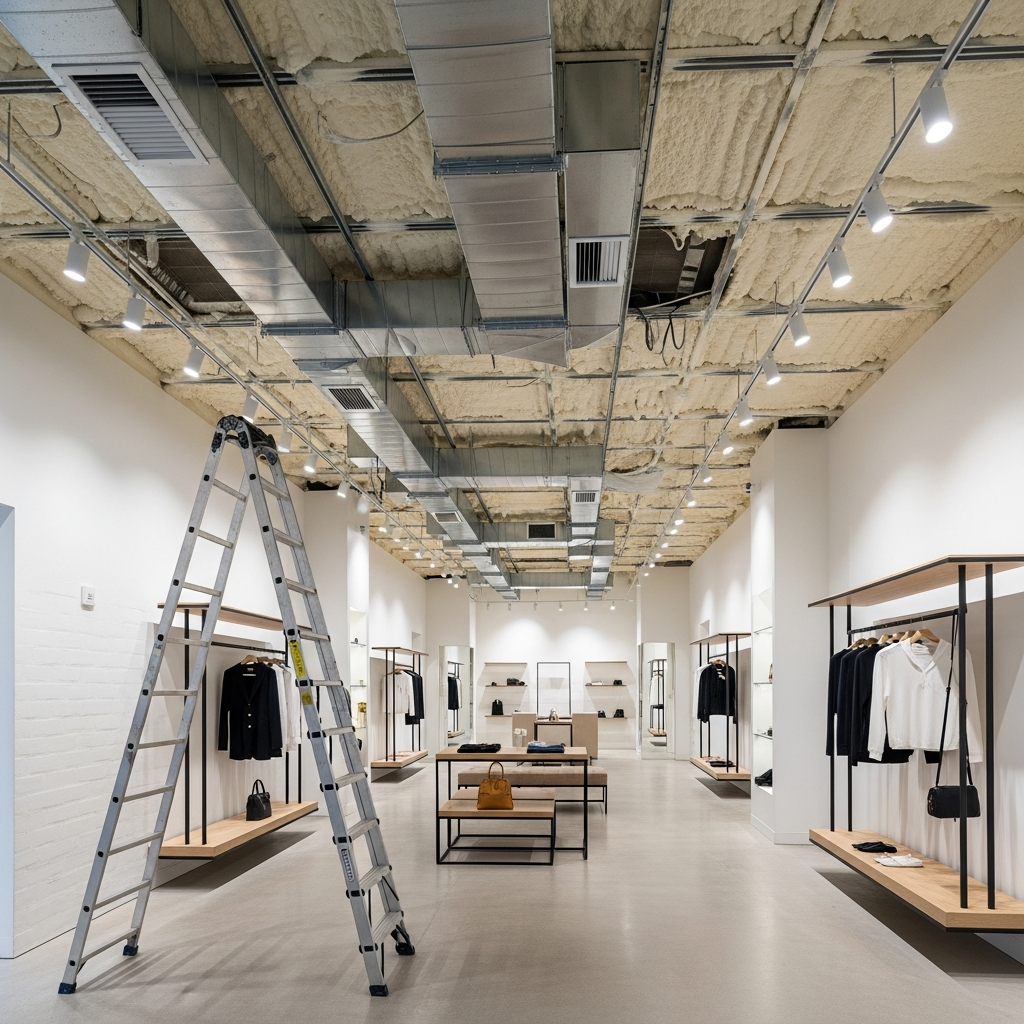
From a quiet private office on Canon Drive to a boutique along Beverly Drive and hospitality spaces near Wilshire, the architectural variety in our commercial corridors makes each project unique. Ceilings may be exposed, concealed, or a hybrid. Rooftop units feed main trunks through crowded plenum spaces shared with lighting and data. Ducts must navigate aesthetics as much as they serve comfort, especially in spaces where the ceiling is an intentional design element. This is where close collaboration between mechanical teams, designers, and building management pays dividends.
Assessment, Documentation, and Code Alignment
Commercial projects begin with a thorough assessment: existing duct maps, airflow complaints, noise reports, and the building’s operational requirements. Historical drawings, when available, guide the conversation, but field verification is essential. Technicians measure static pressure, evaluate duct sizes and materials, and note constraints like fire-rated assemblies, access doors, and equipment clearances. Alongside this, they align the plan with applicable codes and the expectations of local authorities having jurisdiction.
Documentation is both a compass and a deliverable. A clear narrative of what will be replaced, how airflows will be balanced, and how work will be phased reduces ambiguity for tenants and building management. When the plan is transparent, scheduling and tenant communication become easier, and the project moves with less friction.
Designing for Comfort, Acoustics, and Flexibility
In commercial interiors, comfort is a delicate balance. Too much airflow and guests feel a draft; too little and the space turns stuffy. Duct design in these settings puts a premium on even distribution, controlled velocities, and quiet transitions. Smooth takeoffs, carefully sized trunks, and branch routing that avoids sharp turns protect acoustics. In open-plan offices, the design might favor diffusers that distribute conditioned air gently across workstations; in retail, the goal may be to keep airflow away from product displays while washing perimeter glass to manage solar heat.
Flexibility is equally important. Many commercial tenants evolve their layouts over time. Designing trunks and branches with future reconfiguration in mind—incorporating accessible dampers, spare taps, or modular diffuser placements—supports the building’s long-term utility. It also minimizes future disruption when tenants expand, contract, or refresh their brand environment.
Sealing, Insulation, and Air Quality
Well-sealed ducts are quiet and predictable. In commercial spaces, tight connections reduce the chance of conditioned air disappearing into plenums or interstitial spaces, and they help the system maintain stable pressure across zones. Where ducts run through unconditioned areas or rooftops, proper insulation preserves air temperature and protects the system from external heat. Indoor air quality benefits directly: fewer leaks mean less unfiltered air enters the distribution path, helping staff and visitors enjoy a cleaner environment.
In food service or healthcare-adjacent settings, filtration and cleanability often drive decisions. Filter access must be convenient to encourage routine maintenance, and smooth interior surfaces support hygiene. Selecting materials and finishes that match the space’s operational needs extends the life of the system and reduces complaints.
Scheduling and Phasing to Minimize Disruption
In Beverly Hills, brand presentation and guest experience matter. That is why successful commercial duct replacement projects are choreographed with precision. Work may be scheduled after hours, in short, high-productivity windows, or over weekends. Phases target specific zones to keep parts of the business open. Material staging, protection of finishes, and daily cleanup are built into the plan so that the space opens each morning ready for business.
Communication is the thread that keeps everything together. Tenants appreciate clear notices, realistic timelines, and prompt updates if conditions change. A project manager who coordinates directly with building representatives and leads nightly or early morning briefings with the field team helps keep momentum steady.
Testing, Balancing, and Commissioning
Commercial systems benefit from structured testing and balancing when replacement is complete. Measured flows at diffusers are compared to design intent, static pressure is verified, and noise levels are assessed in occupied zones. Commissioning documents provide a snapshot of performance at handover, giving building management a baseline for future maintenance and tenant fit-outs. This documentation habit also supports smoother conversations with incoming tenants who want to understand how the space performs.
When multiple zones or floors are involved, phased balancing ensures each area operates correctly before moving on. That way, tenants in already-completed zones experience stable conditions, and any lessons learned can be applied to upcoming phases.
Rooftop Units, Exposed Ceilings, and Architectural Intent
Many Beverly Hills commercial properties feature rooftop package units feeding main trunks through limited roof penetrations. Designing and replacing ducts in this environment calls for attention to weatherproofing, insulation, and clear paths for service access. Exposed ceilings introduce another layer of consideration: the ducts themselves become part of the visual story. Finishes, hangers, and routing are selected not just for performance but also for sightlines and style.
In spaces where ceilings conceal ducts, coordination with lighting, sprinklers, and data paths is essential to avoid congestion and future conflicts. A tidy plenum space makes ongoing maintenance safer and faster, benefiting both the tenant and the property owner.
Energy Performance and Tenant Satisfaction
When ducts are sized and sealed correctly, equipment works within its preferred operating range. That steadiness contributes to consistent temperatures and less noise, two metrics tenants notice immediately. Moreover, well-balanced zones reduce hot and cold complaints, which are among the most common requests in commercial buildings. Investing in a properly designed distribution system pays off in tenant satisfaction, smoother operations, and a building reputation that supports leasing strength.
Longer term, a well-executed project makes the building easier to operate. Clear documentation, labeled components, and accessible dampers speed up troubleshooting and seasonal adjustments. These practical touches reduce downtime and let facilities teams focus on proactive care rather than constant reaction.
Choosing a Beverly Hills Partner
A local partner understands the pace of business, the importance of presentation, and the realities of working in buildings that range from historic gems to contemporary landmarks. They plan with respect for tenants and guests, manage permits and inspections efficiently, and deliver workmanship that shows in quiet operation and clean lines. Before reaching out, many managers and owners study local perspectives on duct replacement to establish a vocabulary for goals and constraints, which streamlines the proposal and mobilization process.
During selection, look for clarity in scope, a phased schedule tailored to business needs, and a commitment to testing and documentation at handover. Ask how the team protects finishes, communicates with tenants, and manages unforeseen conditions—because even well-mapped buildings can reveal surprises once ceilings are opened.
Aftercare and Ongoing Maintenance
Post-project, the focus turns to filter schedules, periodic inspection of accessible ducts, and seasonal checks on balancing. If tenant spaces change over time, built-in flexibility—spare taps, accessible dampers, modular diffusers—allows for adjustments without major disruption. These planned capabilities protect the initial investment and keep spaces comfortable as they evolve.
From a management perspective, the goal is a system that disappears into the background of daily operations. Staff, clients, and guests notice calm, consistent comfort; facilities teams notice fewer calls and easier seasonal adjustments. That is the mark of a duct replacement project that hit its stride from design to commissioning.
Frequently Asked Questions
Commercial stakeholders often share similar questions as they plan work around operations and brand presentation. Here are concise answers grounded in local experience.
Can duct replacement be completed without closing my business?
Often, yes. Careful phasing, after-hours work, and zone-by-zone scheduling allow many businesses to remain open. The plan should be tailored to your hours, noise tolerance, and customer flow, with clear communication to minimize disruptions.
How do you handle ducts in exposed-ceiling designs?
Routing, finishes, hangers, and diffuser selection are chosen with aesthetics and acoustics in mind. The ducts become part of the space’s design, so the plan will consider sightlines, lighting coordination, and the brand’s visual language.
What documents should I expect at handover?
Expect updated duct layouts, airflow readings at diffusers, static pressure measurements, and notes on damper positions. These materials support maintenance, future tenant improvements, and a clear baseline for performance.
Will new ducts reduce hot and cold complaints?
Yes, that is one of the most immediate benefits. Correct sizing, balanced zones, and sealed connections deliver consistent temperatures. Staff comfort improves, and complaint logs typically shrink.
How is noise managed in commercial spaces?
By controlling velocities, using smooth transitions, and selecting diffusers that distribute air without drafts. Testing and balancing verify results in actual operating conditions, which is crucial for open offices and hospitality settings.
What happens if hidden conditions are discovered?
A good plan anticipates contingencies and communicates them up front. When surprises appear, a transparent process—document, propose options, and proceed with approval—keeps the project aligned with goals and schedule.
If you are ready to align comfort, acoustics, and operations in your building, partner with a Beverly Hills team that designs with tenants in mind and delivers with precision. Start with a conversation informed by local insights into duct replacement, and map a schedule that keeps your business moving.