
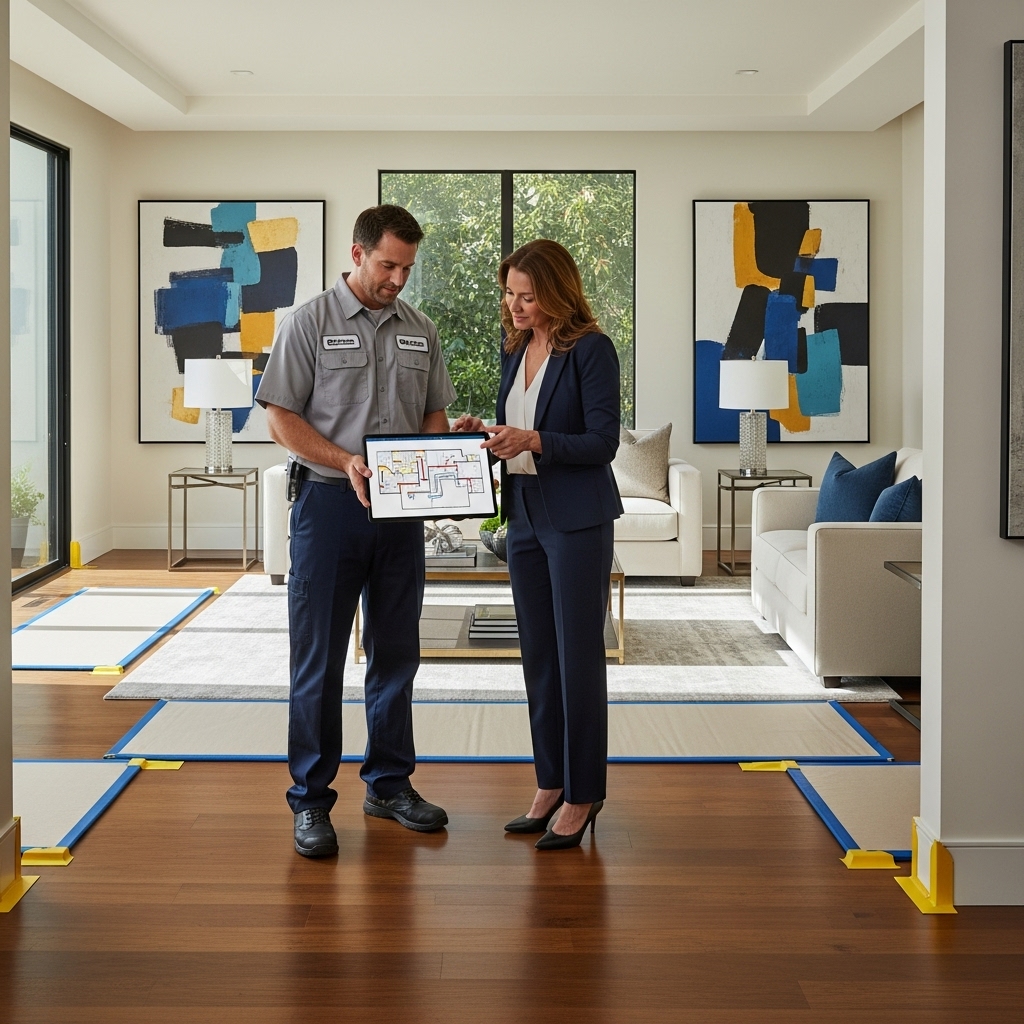
Selecting a contractor to replace ducts in a Beverly Hills home is as much about trust and communication as it is about technical skill. The work lives behind the scenes, yet it shapes daily comfort in ways you feel every time the system starts. A thoughtful choice begins with clarity: what matters to you, how your home is built, and what a successful outcome should look and sound like. In a city where architecture ranges from classic estates to crisp moderns perched on hillsides, you want a partner who speaks the language of design as fluently as the language of airflow.
Most homeowners first encounter the topic while chasing a specific goal—quieter bedrooms, even temperatures, or fresher air during wildfire season. Early research often leads to the idea of duct replacement, but the bigger decision is who will steward the project from evaluation through commissioning. The right company will translate your comfort goals into a plan that respects the structure, the schedule, and the lived-in nature of your rooms.
Local Expertise Matters
Beverly Hills homes are distinctive. Flat roofs with tight attics, older plaster walls, slender chases sharing space with structural elements, and premium finishes all influence how ducts can be routed and serviced. A company familiar with the neighborhoods—from the Flats to Trousdale—knows how to protect interiors, stage work to minimize disruption, and plan for the realities of access and parking. Local familiarity also means fluency with inspections and third-party testing norms, which protects your project from surprises.
Evaluation First, Then Design
Beware of anyone who proposes a solution without measurements. A credible company begins with diagnostics: static pressure readings, airflow checks at registers, and a visual assessment of duct condition and accessibility. These findings anchor the design. Rooms get the branches they need, returns are sized to quiet the system, and register placement is tuned to how each space is used. The result is a set of choices that you can review and understand before work begins, not a collection of assumptions left to chance.
Communication as a Core Skill
In occupied homes, communication is a craft. The contractor should outline daily plans, protect floors and finishes, and leave spaces tidy. They should explain tradeoffs when surprises appear behind ceilings or in attics, and they should invite your input on priorities like noise or register aesthetics. If a team makes you feel informed and in control before the first section of old duct is removed, that trust is a strong predictor of a smooth project.
Materials, Methods, and the Sound of the System
Ask how the company chooses between flexible and rigid sections, how they support runs, and how they shape transitions. Long-radius fittings and properly tensioned flex reduce turbulence and noise, while well-placed returns prevent the pressure imbalances that slam doors and whistle undercuts. The answers you hear should connect design choices to how your rooms will feel and sound. You are not buying metal and insulation; you are commissioning a calm, balanced environment.
Permits, Inspections, and Verification
In Los Angeles County, permits and compliance with the California Energy Code are not window dressing. A diligent company obtains permits where required and welcomes inspections and third-party verification. Duct leakage tests, airflow measurements, and static pressure checks are not just for code; they are how you know the investment produced the comfort you set out to achieve. A contractor who builds commissioning into the plan is signaling respect for measurable results.
Respect for Architecture and Interiors
From steel-and-glass contemporaries to meticulously preserved classics, Beverly Hills interiors call for white-glove handling. The right partner treats access routes like part of the job—floor protection, corner guards, dust control, and discreet staging that respects the home and everyone who lives or works in it. They also understand when a register should be repositioned for better throw and when it should be left for aesthetic continuity, and they have the craftsmanship to make either choice look intentional.
References and Portfolios Tell the Story
Beyond licenses and insurance, ask to see examples of similar homes and to speak with clients whose goals matched yours. Listen for themes: clear communication, cleanliness, a system that runs quietly after installation, and a willingness to return for fine-tuning during commissioning. These stories reveal how the company behaves when the unexpected happens and how committed they are to delivering the experience you were promised.
Coordination with Other Pros
Many Beverly Hills properties rely on estate managers, interior designers, or general contractors who handle ongoing improvements. A strong duct replacement partner collaborates smoothly with these professionals, aligning schedules and protecting design intent. Whether that means timing work around events, coordinating with painters for ceiling touch-ups, or working with electricians in shared chases, coordination is part of the craft.
Noise Goals as a Design Input
Too often, noise is treated as an afterthought. Insist that your contractor discuss it upfront. The conversation should cover return placement, target velocities, and how register selection influences sound in bedrooms and work spaces. When the team treats quiet as a design requirement, you feel it later in peaceful evenings and restful sleep, not just in lower turbulence numbers on a report.
What a Professional Process Feels Like
From the first walkthrough to handoff, a professional process is visible. You’ll see careful documentation of the existing system, transparent design choices tied to your goals, protective measures laid out before work begins, and daily updates. At completion, commissioning closes the loop with measurements you can review and a walkthrough that shows how dampers, returns, and registers support the balance you wanted. This is how a hidden system becomes a source of everyday satisfaction.
Aftercare and Support
A great company stands behind the work. They’ll check back after a period of operation to confirm that rooms behave as expected and to make any small adjustments that increase comfort. They’ll also map out simple maintenance you can follow, like filter changes and occasional register care, so the system continues to perform quietly and cleanly through the seasons.
Reading Proposals the Smart Way
When you compare proposals, look beyond line items. Read how each plan addresses your specific comfort goals. Does it explain branch sizing choices and return strategy? Does it specify sealing methods and insulation details? Are commissioning steps and verification included? The proposal that makes the path visible is usually the one backed by a team that will deliver what it promises.
Bringing Your Priorities to the Table
Your home, your routines, and your expectations should lead. If late-night quiet is paramount, say so. If a guest suite is the frequent outlier, make it a focus. If wildfire resilience is a priority, ask about filtration and tight returns. The right company will weave these into the plan rather than treating them as add-ons. That is how the finished system feels like it was designed for you, because it was.
FAQ
What credentials should I look for? Beyond licensing and insurance, look for a team that leads with diagnostics, shows examples of similar homes, and treats commissioning as standard. Familiarity with local inspections and testing protocols is a strong sign of professionalism.
How do I know a company will protect my home during the work? Ask about floor and corner protection, dust control, and daily cleanup. A contractor who can describe these steps in detail—and who offers to walk you through the daily plan—takes stewardship seriously.
Can I request a noise-focused design? Yes, and you should if quiet matters to you. The plan should address return placement, velocities, and register selection in rooms where sound is most sensitive.
What if I have a tight schedule or frequent travel? Experienced teams coordinate with property managers, provide updates remotely, and stage work to minimize downtime in occupied spaces. Flexibility and clear communication make complex schedules workable.
Will the company handle permits and testing? A capable firm will obtain necessary permits and coordinate inspections and third-party verification, providing documentation of leakage and airflow performance at the end.
How many proposals should I review? At least two or three, focusing on clarity and fit with your goals rather than a simplistic tally of parts. The proposal that makes your path to comfort obvious is usually the one worth choosing.
If you are ready to turn comfort goals into a straightforward plan, start with a conversation that puts design and diagnostics first. A partner skilled in Beverly Hills construction can protect your home’s character while reshaping the invisible system that serves it. When it is time to explore duct replacement with a team that values quiet, balance, and care, reach out and let’s map the project together from first walkthrough to final verification.