
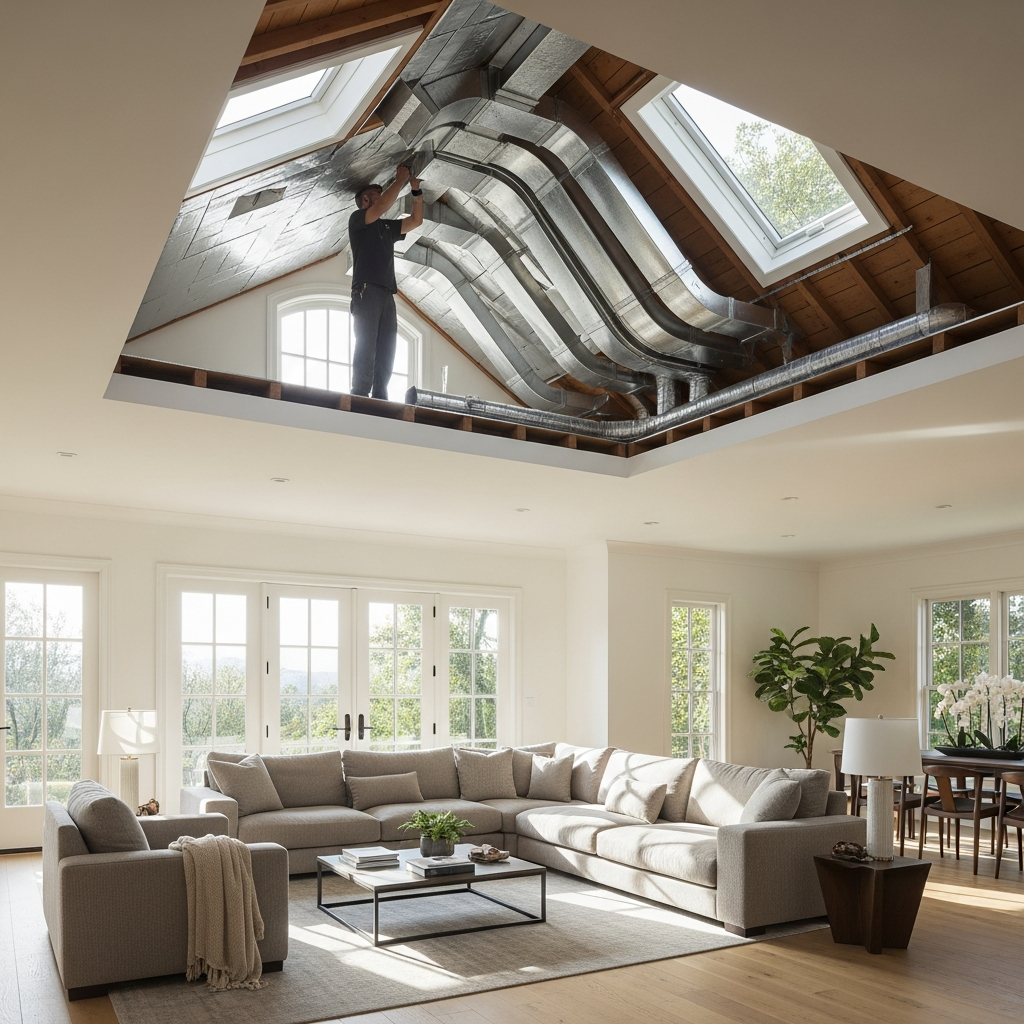
On any given afternoon in Beverly Hills, you can feel the subtle shifts that come with our coastal breezes and canyon microclimates. One block basks in sun, another settles into shade, and homes tucked along ridgelines ride temperature swings that change by the hour. As a local HVAC professional, I’ve learned that these nuances are exactly why a smart approach to air duct replacement pays off in comfort you can feel and quiet reliability you hardly notice. Before we dive into the details, let me share a resource many Beverly Hills homeowners find helpful when they begin researching options. If you are considering a thoughtful, code-compliant plan for better airflow, you can explore duct replacement solutions tailored to our local conditions, and use that perspective as you evaluate your own home’s needs.
Air ducts are the hidden rivers of your home’s comfort system. When they’re designed and installed to match your home’s architecture, they deliver smooth, even temperatures and healthy airflow. When they’re undersized, leaking, or routed with unnecessary bends, they can make even the most capable heating and cooling equipment struggle. In Beverly Hills, where many homes feature distinctive layouts—expansive single-story ramblers, hillside residences stepped across multiple levels, and lovingly preserved vintage properties—the ductwork must be as thoughtfully planned as the landscaping and finishes. Air duct replacement is not just a mechanical upgrade; it’s a carefully orchestrated improvement to the way your home breathes.
Understanding why ducts matter more than you think
The performance of your HVAC system depends on pressure, airflow, and temperature distribution working together in balance. Poorly sealed ducts can pull dusty attic or crawlspace air into the system, undercutting indoor air quality and forcing equipment to work harder to maintain setpoints. Kinked or compressed ducts restrict flow, reducing the volume of conditioned air that actually reaches your rooms. Even the placement of returns and supply registers can make a meaningful difference. When the balance is right, your bedrooms cool evenly, the family room warms up quickly, and doors stop slamming shut due to pressure imbalances. When the balance is off, you end up chasing comfort from room to room, adjusting the thermostat and never quite feeling satisfied.
In our area, it’s common to see beautiful homes that were expanded over time, sometimes with ductwork that was simply extended rather than redesigned. That can leave newer spaces underserved and original rooms overfed, or vice versa. Replacing ducts gives you the chance to reset the system so every square foot gets its fair share of airflow. Think of it as re-plotting the river so the tributaries reach each valley equally, instead of flooding one bank while another runs dry.
Local challenges that shape great duct design
Beverly Hills presents challenges that make craftsmanship critical. Many properties include vaulted ceilings, sweeping glass exposures, and generous open-plan living areas. Others are historic homes with treasure-like details and fragile finishes that deserve careful protection during any mechanical work. Crawlspaces may be tight, attics may be shallow, and hillside lots can complicate routing. A seasoned installer knows how to evaluate these conditions and design a duct layout that harmonizes with the structure rather than fighting it. That can mean relocating returns to reduce noise, adding a secondary return to stabilize pressure, or resizing trunks to keep velocity at a comfortable, quiet level.
Another regional factor is outdoor air quality during seasonal events. When we experience wildfire smoke episodes or dusty Santa Ana winds, leaky ducts can pull pollutants into the home—exactly what you don’t want. Properly sealed and insulated replacement ducts reduce infiltration and help filtration do its best work. The result is air that smells clean, feels fresh, and supports well-being, even on challenging days.
How to tell it’s time to replace instead of patch
While basic maintenance and minor sealing can help marginal systems, there are signs that point toward full replacement as the wiser long-term move. If you frequently notice rooms that lag far behind the thermostat setting, or if you hear a persistent whooshing or whistling that never seems to settle, your ducts may be undersized or poorly routed. Excess dust accumulation despite a clean filter can indicate return leaks. Hot attic odors, especially when the system first starts, can signal that supply runs are compromised. And if your contractor has tried damper adjustments and quick fixes without real improvement, it’s time to evaluate the entire distribution network so you’re not spending good money after bad.
Home additions are another natural trigger point. When you build out a primary suite, enclose a sunroom, or remodel a kitchen that opens to living and dining spaces, the original duct layout is rarely ideal for the new footprint. Replacement gives you the opportunity to right-size for today’s square footage and lifestyle, rather than leaving comfort to chance.
What an expert assessment looks like
A thorough evaluation begins with conversation. We talk about how you use the home, which rooms matter most at which times of day, and what comfort issues bother you now. Then we map the current duct system and measure pressure and airflow to see where the bottlenecks and losses live. We pay attention to return placement and sizing, since a starved return creates noise and undermines performance. We also look for signs of wear, such as crushed flex runs, disconnected joints hidden behind finishes, or aged duct board that sheds fibers into the airstream.
From there, a design is created that matches your equipment capacity and the realities of your home. Good design balances supply and return, sets realistic velocities for quiet operation, and uses smooth routing to minimize static pressure. On paper, it’s math and airflow tables. In practice, it’s craft—getting gentle curves instead of tight bends, making careful transitions between sizes, and supporting ducts so they maintain shape over the long haul.
Materials and methods that make a difference
There is no one-size-fits-all solution for ducts. In many Beverly Hills attics and mechanical rooms, rigid metal trunks offer durability, easy cleaning, and stable shape. Short, properly supported flex connectors can be used to reduce vibration and ease transitions when the geometry of a space calls for it. The key is quality at every joint. Mastic sealing—done diligently—prevents leaks that can otherwise undermine the whole project. Insulation, correctly specified and installed, prevents radiant heat gain in attics and keeps supply air at the right temperature en route to your rooms. With replacement, we also take the opportunity to optimize register locations and styles, which can subtly improve how air washes across ceilings and mixes into the occupied zone.
Good methods show up in the details. Supports that prevent sagging, gentle long-radius turns instead of sharp elbows, and carefully crimped connections that avoid turbulence all add up to a quieter system that simply feels better. During installation, we also protect your home—laying down coverings, isolating work areas, and returning each space as we found it. That respect for the home is part of what makes a well-executed replacement feel invisible when the work is complete.
Comfort you can feel, silence you can hear
When ducts are replaced and balanced with intention, the transformation can feel almost magical. The thermostat suddenly becomes a set-and-forget device, rather than a knob you spin all day long. Bedrooms become more peaceful because registers no longer roar to overcome restrictions. Living areas feel even, without those puzzling zones that run hot in summer and chilly in winter. You may even notice doors behaving better as pressure imbalances fade away. It’s a kind of comfort that isn’t flashy—it just lets the rest of your home shine.
Midway through many projects, homeowners often ask what else they can do to sustain the gains. This is a great moment to think ahead about filtration, sealing the home’s envelope, and routine upkeep so the ducts you invested in continue to pay dividends. For guidance rooted in Beverly Hills homes and climate, you can review local best practices for duct replacement and discuss how to tailor them to your property’s architecture, finishes, and lifestyle.
Indoor air quality and health considerations
Comfort is more than temperature. Cracked or leaky ducts can draw in attic dust, insulation fibers, or even fumes from garages and storage areas. Properly replaced and sealed ducts work in partnership with your filter and HVAC equipment to reduce these intrusions. They also help maintain consistent humidity within the preferred comfort band, which may lessen that dry, parched feeling in winter and clamminess in transitional seasons. For households with allergies, a well-sealed distribution system is a foundational step that complements filtration and routine equipment maintenance.
Noise control is part of air quality, too. Racing air through narrow passages creates hiss and whoosh that can intrude on conversations and sleep. With replacement, we strive to keep velocities appropriate and transitions smooth. The result is quieter operation even at higher fan speeds, making boost modes genuinely useful during heat waves or chilly nights without inviting a soundscape you’d rather not hear.
Commissioning: the step that locks in results
New ducts need to be tested and tuned. Commissioning is how we verify that design and reality match. We measure airflow at registers, adjust dampers to fine-tune distribution, and confirm pressure drops across filters and coils so the system runs where it was intended. We also check for duct leakage to ensure that sealing held up through the entire installation. This is not busywork; it’s the final brushstroke that turns a plan into performance. When commissioning is done right, you can feel it in the evenness of temperatures and the unobtrusiveness of the system.
Homeowners often appreciate a walkthrough after commissioning. We’ll show you where key components live, how to change filters without upsetting balance, and what signs to watch for that might suggest something has shifted. A little knowledge empowers you to keep the system healthy with minimal effort.
Life with better ducts: maintenance and longevity
Once your ducts are replaced, the goal is to keep them clean, sealed, and stable. Periodic visual checks in accessible areas help catch issues early, like an accidentally dislodged boot after other trades have worked in the attic. Filter changes on the schedule recommended for your equipment protect against clogging that can elevate static pressure and reduce airflow. If you remodel, it pays to involve your HVAC professional early so that any new walls or ceilings don’t inadvertently block essential pathways or make access difficult. When cared for, a well-installed duct system should serve quietly for many years, rewarding you with consistent comfort season after season.
What about historic and luxury finishes?
Beverly Hills is rich with homes that are architectural gems. We approach these properties with particular care, planning routes that respect plaster, stone, and millwork. Sometimes that means creative solutions, like using existing chases or finding discreet spaces for returns so visual lines remain clean. In other cases, we coordinate with your designer or contractor to phase work around restoration or finishing touches. The essence is collaboration: great duct replacement adapts to the home, not the other way around.
Common questions we hear
People naturally ask how disruptive duct replacement will be. The answer depends on your home’s layout, but with thoughtful planning, work areas can be contained and surfaces protected. We aim to sequence tasks so your daily routines remain as normal as possible. Another frequent question is whether replacing ducts actually changes operating conditions in a meaningful way. The short answer is yes—airflow is the lifeblood of comfort, and getting it right is transformative.
FAQ: How long does a typical duct replacement take?
Every home is different. Factors such as attic or crawlspace accessibility, ceiling heights, and the number of runs influence the duration. A focused team can move efficiently while still protecting finishes and commissioning the system carefully. During an in-home assessment, we outline a realistic timeline based on your property’s particulars and coordinate around your schedule to minimize disruption.
FAQ: Will new ducts make my home quieter?
Most homeowners experience a noticeable reduction in noise when restrictive or leaky ducts are replaced. By sizing runs properly, smoothing transitions, and managing air velocity, the system doesn’t need to rush air through bottlenecks. That calmer airflow translates to softer sound at the registers and a more tranquil living environment.
FAQ: Do I need to replace all my ducts at once?
It’s best to approach the distribution system as a whole, because supply and return work together. However, in some cases a phased plan can make sense—particularly during large remodels where spaces are opened in stages. If we do phase, we design the final picture first, then implement it in steps so early work doesn’t have to be undone later.
FAQ: What materials are best for Beverly Hills homes?
Materials are chosen based on access, geometry, and performance goals. Rigid metal trunks offer durability and stable shape, while short, well-supported flex connectors can reduce vibration where appropriate. The most important factor is workmanship: carefully sealed joints, proper insulation, and thoughtful routing will outperform any material that’s installed carelessly.
FAQ: How will replacement affect my indoor air quality?
Properly sealed ducts reduce the chance of attic dust, insulation fibers, or outdoor pollutants entering the supply stream. When paired with an appropriate filter and well-placed returns, you’ll typically notice cleaner air and more stable humidity. This is especially valuable during seasonal events that challenge air quality in the region.
FAQ: Can duct replacement help with hot and cold spots?
Yes. Hot and cold spots are often the result of imbalanced or undersized runs, poorly located registers, or a starved return. Replacement is our opportunity to correct those constraints, add or resize runs where needed, and balance the system so each room receives the airflow it needs.
FAQ: What should I ask during my consultation?
Ask how the contractor assesses airflow, whether they measure static pressure and leakage, and how they plan to protect your home’s finishes. Request a description of the commissioning steps and how they will verify that the new system meets design goals. Clarity on these points is a strong indicator you’ll get the results you expect.
Schedule your Beverly Hills duct upgrade
If your home has been hinting that it’s time—uneven temperatures, persistent dust, or a system that seems louder than it should—there’s no need to wait for another season to pass. Start a conversation with a team that treats your home like the one-of-a-kind space it is, respects your schedule, and delivers the comfort you’ve been missing. When you’re ready to take the next step, explore trusted local expertise in duct replacement, and let’s design a smoother, quieter, more comfortable home together.