
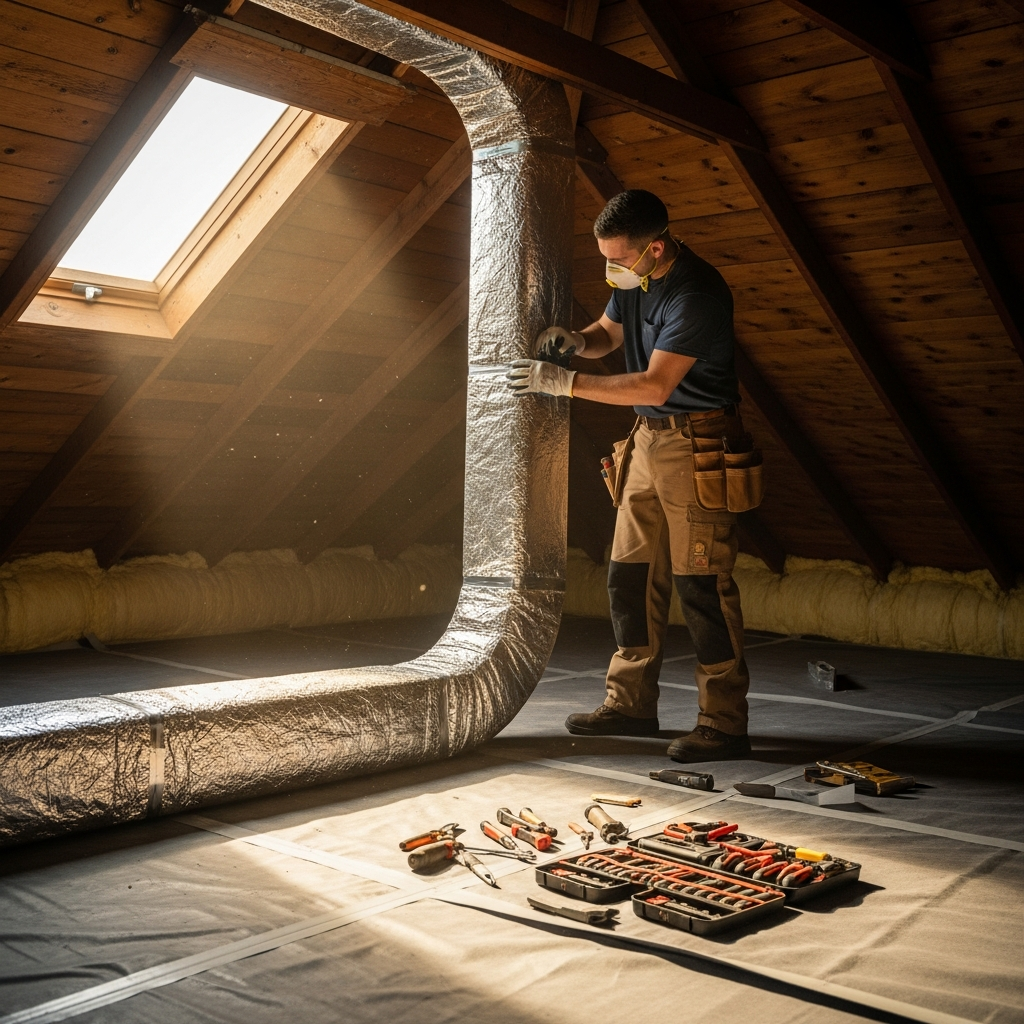
Talking about air duct replacement cost in Beverly Hills is really a conversation about homes, comfort, and the unique character of our neighborhoods. From mid-century gems tucked into the hills to stately estates on flatter lots with mature landscaping, each home tells a story through its construction and its air distribution. When clients ask what goes into the expense of replacing ductwork, I start by painting a clear picture of the factors that matter most: access within attics and crawlspaces, the quality and type of materials, proper sizing, and the care taken to protect finishes and furnishings along the way. The deeper truth is that a well-planned project delivers quieter rooms, cleaner air, and more even temperatures, which is why thoughtful planning counts as much as the hands holding the tools. If you are beginning to research options, it helps to understand the process behind duct replacement and how local conditions shape the outcome.
In Beverly Hills, duct systems must perform under a particular mix of climate and lifestyle expectations. Mornings can be cool, afternoons warm, and indoor spaces often flow to outdoor patios through large openings. That interplay means return air placement, supply register selection, and duct insulation levels should all reflect how the home is truly used. A dining area that opens to a terrace behaves differently from a similarly sized room on a quiet, enclosed side of the house. Accounting for those nuances prevents hot and cold spots and reduces the on-off cycling that can otherwise lead to noise and uneven comfort. When we assess a property, we walk the living patterns with the homeowner, noting where sun exposure hits hardest, how high ceilings stack heat, and which rooms should receive priority air delivery.
Understanding the drivers of project scope is central to understanding what you will ultimately commit to this kind of upgrade. One core driver is accessibility. Some attics are walkable with generous headroom; others are low and densely packed with old wiring, abandoned ducts, or framing that forces tight turns. Crawlspaces vary just as much. In easier spaces, the installation proceeds with efficient routing and fewer compromises. In tight or obstructed spaces, the crew must move more deliberately, and custom transitions or additional fittings may be needed to meet performance targets without altering the structure. That level of care is part of why two seemingly similar homes can follow different project paths.
Another factor is materials and methods. In many Beverly Hills homes, sheet metal ducts with internal liner or external insulation are a strong choice because they hold shape, resist damage, and maintain smooth airflow with proper sealing. In other contexts, certain sections of high-quality flexible duct, installed with correct tension and supported properly, can provide quiet performance around difficult angles. What matters most is not simply the catalog description but how each component is applied. Seams must be sealed thoroughly, insulation must be continuous and undamaged, and connections to supply registers and returns must be airtight and mechanically secure. That workmanship translates directly to comfort and energy use over the life of the system.
Proper design is the quiet hero of a successful project. We rely on recognized methods for calculating airflow, static pressure, and duct sizing, but we always blend those calculations with the lived reality of each property. An open kitchen with a vaulted ceiling might benefit from larger, slower-moving supplies to prevent drafts while still delivering ample volume. A primary suite may call for dedicated return air to keep the space fresh and isolated from cooking aromas. Zoning can be an excellent tool, but only if the ductwork supports it with balanced pathways, correctly sized bypass strategies (if used), and a plan for even distribution. Done well, design choices eliminate compromises that would otherwise ripple through day-to-day life.
People often focus on the term “cost” without considering the value components embedded in the work. In Beverly Hills, that value usually looks like quieter supply registers, steadier humidity management in shoulder seasons, and filtration that reduces dust on high-gloss finishes and delicate textiles. A system that breathes properly also protects hardwood floors and millwork by keeping conditions more stable. For households sensitive to airborne irritants, carefully sealed ducts paired with higher-efficiency filtration materially improve indoor air quality, especially during wildfire smoke events or high-pollen days. These are not small gains; they are the details you notice at sunrise when the house is still and every room feels consistently comfortable.
Project planning is another pillar that shapes timelines and expectations. Before any demolition happens, we lay surface protection, discuss daily start and stop times, and plan for noise around school schedules, remote work, or home care needs. If the home is undergoing other renovations, we coordinate with contractors to sequence duct replacement so that finishes remain protected and access is efficient. In heritage homes, we frequently consult with design teams to ensure supply and return locations complement original details or carefully matched restorations. This collaborative approach avoids last-minute changes that can create delays and helps keep the experience as smooth as the final airflow.
Compliance and documentation matter in Beverly Hills as well. Building codes support safe, durable installations, and Title 24 requirements influence duct sealing, testing, and verification procedures. While homeowners rarely wish to wade into those specifics, you benefit from a team that treats documentation and testing as standard practice. Post-install measurements of static pressure, airflow at registers, and overall system balance confirm that the design was not only sound on paper but successful in reality. Even subtle adjustments—an extra damper trim here, a slightly different boot angle there—can shave noise and improve comfort in ways you will feel every evening.
The question of disruption is a fair one, especially for families with pets, infants, or delicate collections in home offices and libraries. A conscientious crew stages work to minimize dust and keeps pathways clean. Registers are sealed during demolition to prevent debris from escaping into finished rooms. Daily cleanup and clear communication about which areas will be accessed next are part of a respectful process. When necessary, we schedule temporary comfort solutions to bridge the gap during cutovers, so that critical rooms remain usable. The difference between a job that feels chaotic and one that feels orderly often comes down to these small, predictable rhythms.
Home style affects solutions. Spanish Revival homes with thick plaster can hide chases that are ideal for vertical returns, while mid-century modern structures may reward low-profile duct runs above soffits or within dropped ceilings designed to echo period aesthetics. In larger estates, ceiling diffusers may be discrete linear slots aligned with architectural lines, requiring custom transitions at the duct-to-diffuser connection. Each of these choices influences how the system breathes and how the final rooms look and sound. A thoughtful plan integrates with the home’s identity rather than imposing a generic solution.
Insulation and noise control are especially important where bedrooms adjoin mechanical runs or where media rooms demand quiet. The conversation here is not just about the R-value of insulation but about how materials dampen vibration, attenuate sound, and maintain airflow temperature. A gently curved path can be quieter than a sharp elbow, and the right boot selection can smooth the path from duct to grille. These micro-decisions accumulate into whisper-level performance that feels refined rather than industrial.
Midway through the project planning process, homeowners often revisit their original goals. Perhaps what started as a basic replacement grows into an opportunity to add a fresh air intake strategy or to relocate a return that never quite felt right. This is a perfect time to weigh options, as routing and sizing choices are still open. It is also the ideal moment to revisit any wish list items such as zoning for a guest wing or dampers that provide seasonal flexibility. If you want a deeper dive into process and planning for duct replacement, now is when the details pay dividends by aligning the work with how you live.
Energy and air quality concerns have become more central in recent years. With increased awareness of smoke events and the value of tight building envelopes, the role of ducts as part of a healthy home is clearer than ever. Low-leakage systems reduce the draw of dusty attic air and help filtration do its work. Properly sized returns keep equipment from straining and cut down on whistling or rumbling. For households with art collections or sensitive surfaces, keeping particulates down isn’t only about personal comfort; it is also about preservation and stewardship of the space.
One of the most misunderstood elements related to overall investment is the difference between replacing like-for-like and designing for performance. The former might seem straightforward, but it can lock in old compromises. The latter embraces the chance to correct long-standing issues: a room that always lagged behind, a hallway that felt drafty, or a family room register that was oddly loud on mild days. When we tailor the new layout, we also think about future serviceability: can a technician access critical joints in a few years without disturbing finishes? Can filters be reached easily? Small considerations like accessibility have long-term benefits for reliability and care.
The outdoor environment in Beverly Hills, with its mature trees and sometimes complex roofing, can also affect how ducts are routed and protected. In attics, wildlife protection screens at vent penetrations and careful sealing at roofline transitions ensure the system remains a closed, clean pathway. In crawlspaces, moisture management strategies keep insulation dry and intact, while hangers and supports protect against sag over time. Again, these are not flashy aspects of a project, but their absence is felt if shortcuts are taken. The best systems are those you hardly think about, because they simply work.
For homeowners who entertain frequently, rapid temperature recovery is a priority. When twenty guests arrive on a warm afternoon, the house can quickly accumulate heat and humidity in concentrated areas. Proper return placement and supply sizing support quick, even conditions so that a kitchen stays pleasant and a living room remains inviting. Conversely, when the house is quiet, the system should modulate comfortably without overshooting setpoints. Getting this right requires an understanding of both the equipment and the air pathways that connect it to your rooms.
Communication throughout the process sets clear expectations. Before work begins, we walk through a day-by-day outline, including when certain rooms will be accessible and what the transition looks like as old ducts come out and new ones are tested. Photographs of concealed work, labeled for future reference, are shared with the homeowner. At the conclusion, documentation including test results and as-built notes becomes part of your home record, which is helpful for future maintenance and invaluable during any later remodels. That transparency promotes confidence and ensures you truly understand what is behind your walls and ceilings.
When people hear “cost,” they often imagine a single number. In practice, what you commit reflects the contour of your house and the level of performance you expect from it. A refined installation in a home with intricate finishes, tight spaces, and custom diffusers will naturally involve more planning and care than a straightforward replacement in a space designed for easy access. The goal is not to overcomplicate the project, but to simplify decisions by aligning them with your priorities: quiet operation, air quality, aesthetics, and resilience. When the team and the design support those aims, the end result feels effortless in daily life.
If your current system shows signs of fatigue—uneven temperatures, visible tape failure, dusty returns, or persistent odors—it might be time to look more closely. A thorough evaluation can separate issues caused by duct leakage from those linked to equipment or control settings. It can also uncover small fixes, like relocating a thermostat or resizing a grille, that bring immediate comfort while a larger plan is prepared. You deserve clarity about what is necessary, what is optional, and what will provide the most significant comfort gains.
Ultimately, replacing ducts is about shaping your home’s environment with intention. The investment is best viewed as a way to secure quiet comfort, healthier air, and effortless day-to-day living. In Beverly Hills, where design and livability are equally prized, that balance is especially important. When you breathe easily, sleep well without the rush of air in the background, and find that every room simply feels right, you experience the true value of work done with care.
Frequently Asked Questions
Q: How do I know it is time to replace my ducts rather than repair them?
A: Consider replacement when you see widespread deterioration, such as crushed sections, failing insulation, or pervasive air leakage that testing confirms. Signs like persistent dust despite frequent cleaning, chronic hot and cold spots, and unusual equipment noise often point to duct issues. A professional assessment can distinguish between a targeted repair and a comprehensive upgrade.
Q: Will new ducts make my home quieter?
A: Yes, when designed thoughtfully. Correct sizing, smooth fittings, sealed seams, and proper boot selection significantly reduce turbulence and vibration. The result is softer airflow and less tonal noise through grilles, particularly noticeable at night in bedrooms and quiet studies.
Q: How long does a typical project take?
A: Timelines depend on access, home size, and any coordination with other trades. The best approach is to plan a schedule that respects your routines, stages work logically, and includes sufficient time for testing and fine-tuning so performance matches the design intent.
Q: Can I stay in the house during the work?
A: In most cases, yes. Protective measures, daily cleanup, and clear communication about accessed areas keep life manageable. For sensitive households or when extensive ceiling access is required, brief stays off-site for specific phases may be recommended.
Q: What role does duct insulation play?
A: Proper insulation keeps air at the intended temperature as it travels, reduces condensation risks, and dampens noise. Continuous, undamaged insulation paired with airtight seams supports both comfort and system longevity.
Q: Do I need zoning?
A: Zoning can be valuable in larger homes or where occupancy patterns vary. The decision should follow a design review that ensures duct sizing and return pathways support stable pressures and consistent delivery across zones.
Q: How will my indoor air quality change?
A: With well-sealed ducts, balanced returns, and appropriate filtration, you should notice less dust, fewer odors lingering, and a general sense of freshness. For households with sensitivities, additional options such as enhanced filtration or fresh air strategies can be integrated.
Q: What documentation should I expect at the end?
A: Look for test results, as-built diagrams, equipment and grille schedules where applicable, and care instructions. This record helps with future maintenance and proves the performance you invested in.
Take the Next Step
If you are weighing an upgrade and want clarity tailored to your home, we can walk the space with you, listen to how you live, and design a plan that fits. Start a conversation about duct replacement that prioritizes quiet, clean, and consistent comfort. Reach out to schedule a friendly, no-pressure consultation and experience how expert planning turns a complex project into a smooth, rewarding transformation.