
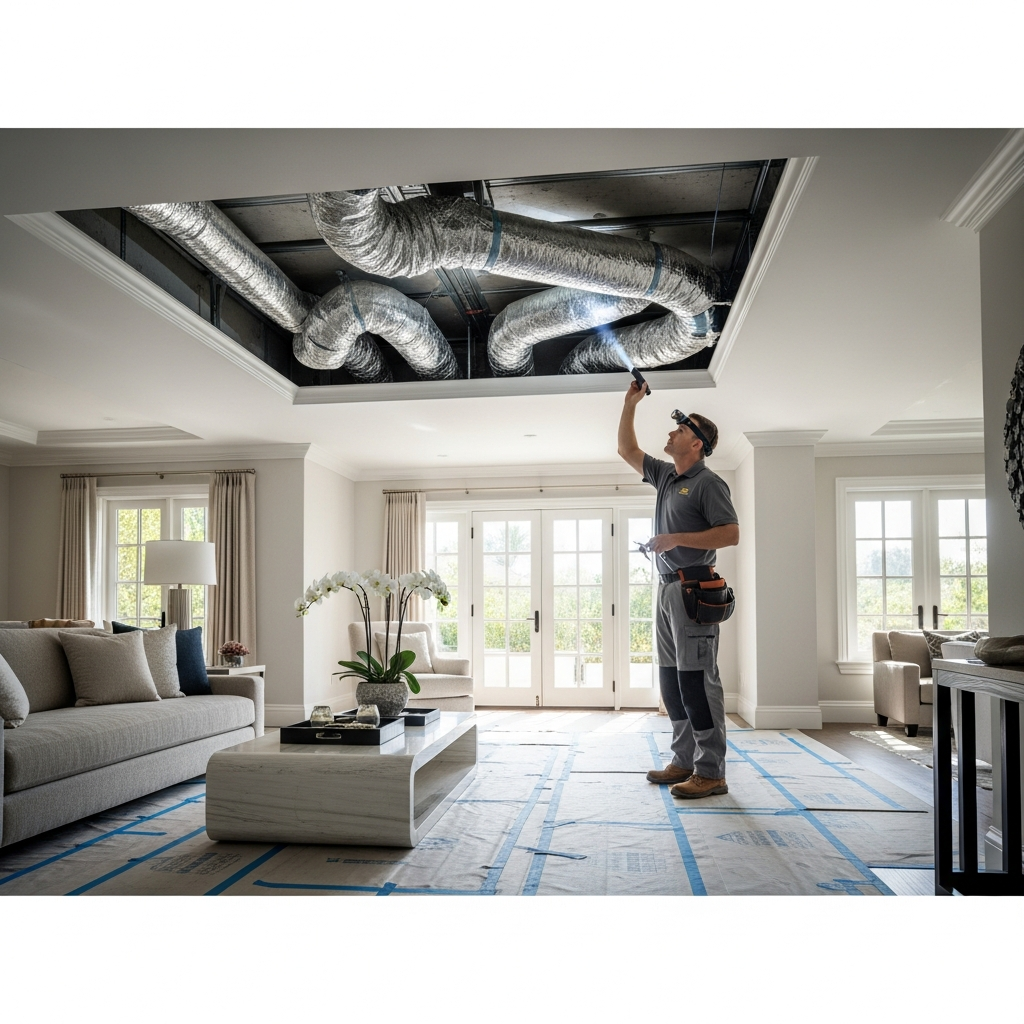
When you live in Beverly Hills, you come to appreciate the quiet details of indoor comfort: the way cool air arrives without a fuss on a warm afternoon, the evenness of heating on those crisp winter mornings, the hush of a system that feels invisible until you need it. Tucked behind walls and above ceilings, your air ducts are central to that experience. So when it is time to consider the investment and planning behind replacing them, it helps to hear from someone who understands the character of local homes, the climate, and the practical realities that drive decisions here. If you are looking for clarity from the outset, you are not alone—many homeowners begin by exploring trusted resources and local expertise on duct replacement to get grounded in what truly matters.
Air duct replacement in Beverly Hills is about more than just swapping old metal or flexible lines for new ones. It is about preserving architectural integrity, improving comfort, and ensuring your HVAC system can breathe easily without wasting energy. The nuances of our neighborhood—ranging from mid-century flats in the flats to hillside estates with winding service access—can shape the path of a project. Thoughtful planning, careful material selection, and respect for building codes turn a complicated task into a smooth, well-sequenced job.
Let’s unpack the factors that shape this kind of project in Beverly Hills. We will explore why duct design is as important as duct material, how local construction styles influence accessibility, what to expect from the process, and how to evaluate quality beyond the surface. Along the way, you will see how to make decisions that contribute to cleaner indoor air, quieter operation, and even airflow from room to room, all without disrupting the character of your home.
What Drives Air Duct Replacement Decisions
Homeowners often initiate duct replacement for a handful of reasons: persistent hot and cold spots, visible deterioration or contamination, rising energy consumption, or renovations that make existing runs impractical. Sometimes the catalyst is subtle, like a faint rattle in a return or dust that seems to return a day after cleaning. Other times it is obvious, like ducts that were sized for a different era of equipment and insulation. In Beverly Hills, we also see the impact of additions and remodels done in phases, leaving a patchwork of ducts that never quite worked together as a single system.
The most significant driver of a successful outcome, and therefore the overall value of the project, is design. Air distribution is not guesswork; it is the discipline of delivering the right airflow to each space at the right pressure, with minimal losses and noise. That means sizing supply and return trunks and branches correctly, selecting the right type of ducts for each run, and minimizing sharp turns or constrictions that increase resistance. A thoughtful design also plans for future maintenance—where will access panels go, how will filters be reached, and what happens if a register needs to be adjusted or replaced later.
Local Architecture Changes the Playbook
In many Beverly Hills homes, the architecture dictates how ducts are routed and how straightforward replacement will be. Single-level homes with generous attics may allow clean, unobstructed runs and straightforward access. By contrast, hillside homes with tight crawl spaces, long structural spans, or conditioned ceilings may require creative routes, careful coordination with framing, and detailed sealing to protect finished spaces. In historic or architecturally significant properties, aesthetics matter as much as performance; the project must respect existing finishes and sometimes even replicate grille styles to maintain a seamless look.
Access is a practical concern with real implications. Tiled roofs, delicate plaster finishes, and custom millwork call for meticulous planning and protective measures. Teams often coordinate with painters and finish carpenters for a cohesive result. The more limited the access, the more essential it becomes to stage work in a way that minimizes disturbances and keeps the project organized and predictable. All of that planning supports a single aim: to upgrade a fundamental part of your home without compromising its character.
Materials, Methods, and Why They Matter
Different sections of a duct system benefit from different materials. Rigid sheet metal is durable, smooth on the interior, and excellent for main trunks, plenums, and straight runs where long-term shape retention matters. For branches that thread through tight cavities or navigate around obstacles, high-quality insulated flex, installed with correct stretch and support, can perform very well. In some Beverly Hills attics, where summer heat can be intense, the thermal performance and exterior jacket durability of insulated ducts become especially important. Transitions, take-offs, and boots deserve the same attention as the main lines, because their geometry and seal integrity can set the tone for airflow and noise control.
Sealing techniques make a pronounced difference. Properly applied mastic, suitable tapes on clean surfaces, and sealed joints at every connection prevent conditioned air from sneaking out into attics or crawl spaces. In homes with architectural features that limit duct size, tight sealing is even more critical, because there is less margin to compensate for losses. The quiet that follows a well-sealed system is not an accident; it is the result of pressure that is guided rather than squandered.
Airflow, Comfort, and Sound
A well-designed duct system aims for balance. That means enough return air to match supply, strategic placement of supplies to wash exterior walls and windows, and minimal turbulence to reduce noise. Many Beverly Hills homes have multiple rooms that serve as quiet retreats or workspaces, so keeping sound levels low matters. Duct liners, smooth transitions, and vibration isolation all contribute to that hushed background you hardly notice but would miss if it were gone.
Balancing dampers, when installed and set correctly, give a technician the ability to fine-tune airflow after installation. This post-installation step is often overlooked, but it is where the system meets the reality of your home’s layout and furnishings. A thoughtful balancing session brings uniform comfort to rooms at the perimeter, interior spaces, and multi-level zones that naturally behave differently as the sun moves across the day.
Codes, Permits, and Inspections
In Beverly Hills and the broader Los Angeles region, work on air distribution systems touches building and energy codes designed to promote safety and efficiency. Permits help establish that the installation meets minimum standards and is documented for future buyers and insurers. Inspections verify that duct routing is sensible, sealing is robust, and supports meet best practices. For homeowners, this process is not just paperwork; it is a quality checkpoint that helps ensure the work will deliver uniform comfort and durability.
When projects tie into broader renovations, coordination with structural, electrical, and finish work helps avoid rework. For example, if a ceiling is being re-drywalled, ducts can be run before insulation, and inspections can be scheduled at logical milestones. It is the orchestration of these details that keeps a home calm, protected, and on track during the work.
Preparing for the Project
Preparation begins with a focused assessment of your existing system. A seasoned technician will look at trunk and branch sizes, static pressure readings, the condition of plenums and returns, and how many registers serve each room. They will note the accessibility of attics and crawl spaces, measure key distances, and evaluate insulation and sealing. That information informs a right-sized plan tailored to your home, rather than a one-size-fits-all replacement.
Homeowners can help by clearing access to mechanical rooms, attic hatches, and key rooms where registers will be updated. Protective coverings, thoughtful staging of tools, and clean work habits make a difference, particularly in homes with valuable finishes or tight quarters. Clear communication about schedule, noise, and daily cleanup sets expectations and reduces stress for everyone involved.
Installation Sequence and Quality Checks
On installation day, you can expect an orderly sequence. Old ducts are removed carefully, with disposal planned in a way that keeps dust and debris contained. New trunks and branches are laid out, supports are positioned to maintain straight runs without sagging, and connections are fabricated to fit precisely. As runs are sealed and insulated, a good crew will pause to test key sections for leaks and adjust supports or alignments to preserve smooth airflow. Once everything is connected, the system is pressurized, and technicians verify that airflow at each register aligns with the design intent.
After installation, it is common to reassess static pressure, confirm that filters seat correctly, and dial in balancing dampers. This is also the time to evaluate registers and grilles. Sometimes, upgrading to a quieter or better-throw register is a small change with a big payoff, especially in rooms where acoustics matter. The final walkthrough should include a review of any new access points, filter replacement intervals, and operating tips tailored to your equipment and habits.
Energy, Indoor Air Quality, and Long-Term Value
In a climate like Beverly Hills, where cooling seasons are warm and heating seasons are mild but meaningful, air distribution efficiency shapes comfort all year. Well-insulated, well-sealed ducts reduce energy waste and lower the workload on your equipment, which can help extend its service life. Cleaner interiors also follow from good ductwork; fewer leaks mean less dust and attic air getting into your living spaces, which is an immediate relief for anyone sensitive to allergens.
Over the long term, the value of this work shows up in quieter rooms, more consistent temperatures, healthier air, and the reassuring feeling that your system does not have to strain to keep up. For many homeowners, those qualitative improvements are what prompt the decision in the first place. They are also what future buyers notice when they tour a home and feel an even, gentle breeze without drafts or noise.
Working With a Local Team
Choosing the right partner for an air duct replacement is as much about trust as it is about technical skill. Look for a team that listens closely, explains design choices in plain terms, and shows you how the plan fits your home rather than a generic template. In Beverly Hills, familiarity with local permitting, architectural styles, and construction norms will streamline the process. A contractor who can show you test results, photographs of critical stages, and documented balancing adds transparency and confidence to the experience. To learn how these stages come together in a way tailored to our area, many homeowners review local guidance on duct replacement before they begin conversations, which helps align expectations from the start.
Communication before and during the project is essential. Clear scheduling, daily progress updates, and a tidy jobsite go a long way toward making the process feel predictable and respectful of your home. When unforeseen issues arise—like unexpected structural elements, nonstandard framing, or legacy components from a previous remodel—a team with local know-how can pivot gracefully and keep momentum.
Special Considerations in Hillside and Estate Properties
For homes perched on hillsides or spread across larger lots, logistics matter. Driveways, access gates, and parking can influence staging and material handling. Inside, multi-level zones require thoughtful planning to maintain pressure balance and ensure that distant rooms receive adequate airflow. In some cases, adding strategically placed returns or optimizing trunk routing solves comfort issues that have lingered for years. While each property tells its own story, the throughline is consistent: careful planning, respectful execution, and a design-first mindset.
In estate properties with guest houses or accessory spaces, the decision to keep systems separate or to create shared infrastructure depends on usage patterns and the desire for independent control. These choices affect routing, sizing, and balancing. Working through them early prevents change orders and helps the project feel steady from the first day to the final walkthrough.
Maintenance and What to Expect Afterward
Once your new ducts are in place, maintenance is refreshingly straightforward. Replace filters on schedule, keep supply registers free of obstructions, and have a technician check static pressure and balancing during routine HVAC service visits. With proper sealing and insulation, ducts themselves should require little attention, but periodic visual checks in accessible areas are wise. If your home has pets, a vibrant social life, or frequent open-window seasons, filters may need attention a bit more often—your system’s quiet competence will tell you when it appreciates a routine check.
Over time, you may consider fine-tuning elements like register style or damper positions as your furniture layout or room usage changes. The flexibility designed into a good system allows for that. The goal is a home that breathes comfortably with you, adapting to seasons and habits without drama.
How to Recognize a Job Well Done
Even airflow, quiet operation, clean transitions at grilles, and orderly routing in attics or crawl spaces signal careful work. You should see thoughtful supports, straight runs without unnecessary sag, and sealed joints that look continuous rather than taped as an afterthought. Documentation, including layout diagrams, balancing readings, and photographs, helps you—and any future service technician—understand the system. The peace of mind that follows is the best confirmation: rooms feel right, equipment cycles confidently, and the system fades into the background.
Ultimately, air duct replacement is an investment in comfort and the enduring quality of your home. In Beverly Hills, where properties come with character and nuance, it is also an exercise in craftsmanship. By focusing on design, sealing, accessibility, and clear communication, you walk away with a system that does its job so well you hardly think about it at all.
Frequently Asked Questions
Homeowners often have the same questions as they evaluate whether now is the right time to move forward. These answers reflect the realities of local homes and the way a well-executed project comes together.
How long does an air duct replacement typically take in a Beverly Hills home?
Timelines vary with home size and accessibility, but many projects are measured in days rather than weeks. Straightforward attics move quickly; complex routing, architectural protections, or coordination with other trades can extend the schedule. The key is sequencing: careful preparation, thorough removal, meticulous installation, and time reserved for testing and balancing.
Will I need to leave my home during the work?
Most homeowners remain in place, especially if the system can be sectioned and work areas isolated. Expect some daytime noise and brief periods without heating or cooling. Clear daily schedules and tidy end-of-day cleanup make it easy to live around the project.
What are the signs my ducts are due for replacement rather than repair?
Chronic comfort issues, visible deterioration, recurring dust problems, and ducts that are fundamentally undersized or poorly routed suggest that comprehensive replacement will yield better results than spot fixes. If you are planning a major renovation, it can be efficient to address ducts at the same time to avoid rework later.
How important is sealing and insulation in our local climate?
Very important. Attic temperatures can rise significantly, and crawl spaces can carry unconditioned air. Proper sealing reduces leakage that robs comfort and strains equipment. Good insulation helps maintain air temperature through the run, delivering the conditions your rooms deserve.
Can new ducts reduce noise in my home?
Yes. Smooth transitions, correct sizing, and vibration isolation all contribute to quiet operation. You can also choose register styles that diffuse air gently and reduce whistle or rush sounds. A balanced system runs at lower overall pressure, which is inherently quieter.
Do I need new registers and grilles when replacing ducts?
Not always, but it is a good opportunity to evaluate them. Some grilles are decorative or historically significant and can be retained. Others may benefit from an upgrade to improve throw, reduce noise, or match updated finishes. The decision should support both performance and aesthetics.
What should I expect after the project is complete?
You should notice more consistent temperatures, a quieter system, and potentially cleaner indoor air. You will also receive guidance on filter changes, access points, and any system-specific considerations. A follow-up check after a few weeks of operation is often helpful to confirm balance and make minor adjustments.
If you are ready to plan a project that respects your home and elevates your everyday comfort, connect with a local team that treats design and craftsmanship as inseparable. To start a conversation and outline the path that fits your property, explore local expertise in duct replacement and schedule a visit that works on your timeline.