
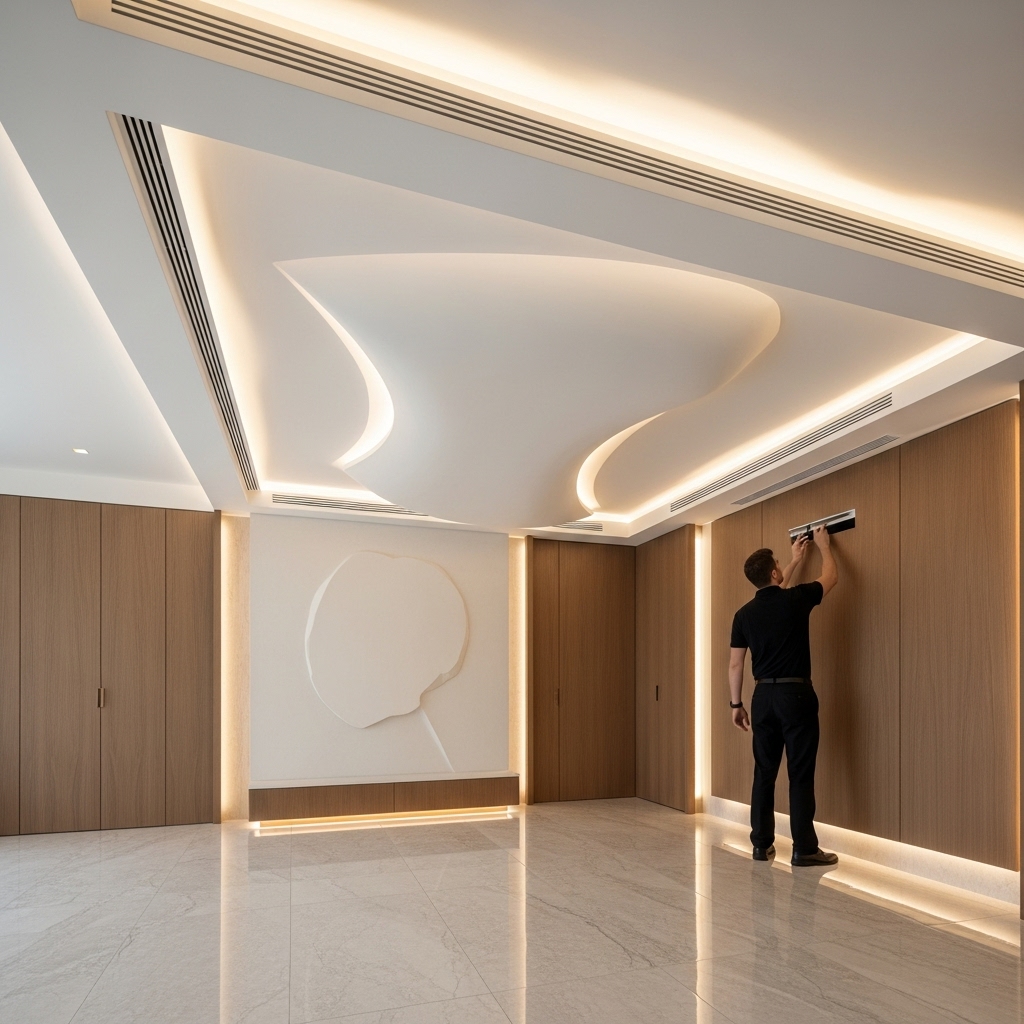
Luxury homes in Beverly Hills set a high bar for comfort, discretion, and design integrity. Air distribution should be silent, invisible, and perfectly balanced from the main suite to the wine room, from a home theater to a wellness studio. When homeowners begin planning air duct upgrades, the conversation quickly expands beyond basic functionality. The goal is performance that you never notice—temperature control that feels effortless, indoor air quality that remains pristine, and a visual presentation that honors the home’s architecture. In this context, planning for duct replacement becomes a bespoke exercise, tailored to square footage, ceiling heights, custom finishes, and the unique expectations that accompany Beverly Hills living.
Every estate tells its own story, and air movement is part of that narrative. Large volumes, long runs, and soaring spaces require a design-first approach. High ceilings, sculptural staircases, and indoor-outdoor rooms change how air behaves, and a conventional one-size solution rarely suffices. Designers begin with a quiet mission: deliver even temperatures without drafts, preserve acoustical serenity, and leave the eye to rest on architecture rather than equipment. This often means careful attention to diffusers and grilles—selecting finishes that disappear into stone, plaster, or bespoke millwork, and using linear slots or micro-vanes when appropriate to keep the visual field clean.
Material choices matter in these homes, not as an afterthought but as a foundational decision. Ducts must maintain performance across long distances and varied exposures—from a cool subterranean garage to a sun-warmed clerestory. Proper insulation and meticulous sealing protect against energy loss, but they also protect the luxury experience: no hissing, no rumble, no hot-and-cold pockets. Vibration isolation and gentle air velocities help the system fade into near silence. For theater rooms, music studios, or offices where quiet is paramount, even small design adjustments—turning vanes, flexible transitions, and strategic spacing—can make a noticeable difference.
In many Beverly Hills estates, zoning is the key to delight. Multiple levels and wings, guest suites that are occasionally occupied, and spaces with unique thermal needs all benefit from a thoughtful zoning strategy. Good zoning keeps the main living areas steady while allowing fine control elsewhere. That control becomes even more powerful when integrated with smart home systems. Touchscreens that align with the house’s lighting and shading controls, along with occupancy-based adjustments, reduce waste and enhance comfort, even when parts of the home are used sporadically.
Air quality takes center stage in luxury settings. Whether the home houses an art collection, a climate-sensitive wine cellar, or simply a family that values fresh, clean air, the duct system should accommodate advanced filtration and ventilation enhancements. Planning for these features up front allows for better service access, clean lines, and hardware placements that stay out of sight. The result is a system that quietly handles pollen, fine particulates, and seasonal challenges without burdening day-to-day living.
Access and logistics are their own discipline in a luxury home. Discreet work windows, coordinated staging, and protection protocols ensure crews move carefully and respectfully. Elevators, service drives, and hidden pathways in the home often dictate how and when materials are transported. Because finishes are premium—hand-troweled plaster, exotic woods, polished stone—contractors must be as skilled in protection and cleanup as they are in installation. The job is as much about choreography as it is about craft.
Privacy and security considerations are baked into the planning. Background checks for teams, minimal on-site footprint, and a single point of contact streamline communication. When the household includes staff or the home is occasionally used for entertaining, scheduling becomes a strategic puzzle. A disciplined plan allows daily life to continue with minimal interruptions, even when major mechanical work is underway behind the scenes.
The conversation about value in duct replacement for luxury homes is nuanced. It is not about a single line item, but about aligning the system with the home’s lifestyle: smooth temperature transitions, no cold edges in the morning, quiet air changes at night, and absolute discretion in public rooms. These are the metrics that matter—comfort felt but not seen, performance measured in how easily the home adapts to quiet evenings or lively gatherings.
Design integration is another signature of Beverly Hills projects. Architects and interior designers often participate in air distribution decisions, ensuring grilles and access points harmonize with the design language. In some homes, ducts share space with lighting channels or shading pockets; in others, slim profiles must navigate steel framing. The interplay of structural and aesthetic demands requires close collaboration from the very first sketch. Preplanning avoids compromises later, and mockups help everyone agree that the final look will be as seamless as the operation.
Testing and commissioning complete the picture. Pressure tests, balancing adjustments, and verification of airflows ensure that the promises made on paper translate into reality. When the system is tuned properly, temperature drift disappears, noise drops to a whisper, and the house feels calm and consistent. Documentation, as-built records, and maintenance schedules support long-term stewardship so the system performs elegantly year after year.
Midway through a project, homeowners often ask where the most meaningful gains arise. The answer is almost always in the details: tighter sealing, better return air placement, gentle velocities, and a zoning plan that matches the way the home is actually used. This is why having a team that specializes in duct replacement for luxury environments pays dividends in comfort, aesthetics, and long-term endurance. These refinements are not visible in a photograph, but they are felt every day.
Maintenance, too, takes on a tailored shape. Filters are replaced before performance dips, supply and return paths are kept immaculate, and seasonal checkups align with the household calendar. Cleanliness and discretion are the standard; the mechanical system remains in the background, supporting entertaining, rest, and daily life without drawing attention.
Above all, a successful project in a Beverly Hills luxury home is measured by ease. Doors close softly, lights dim smoothly, and air simply feels right. The house becomes a refuge that adapts instinctively to the people inside it. When that standard is met, you do not think about ductwork at all—and that is how it should be.
How do luxury home features influence duct design?
Large volumes, tall ceilings, and specialty rooms demand careful airflow planning. Balanced zoning, quiet operation, and discreet diffuser choices keep comfort seamless without compromising the home’s design language.
Can advanced filtration be integrated without changing the look of my rooms?
Yes. With early planning, filtration and ventilation enhancements can be tucked into service spaces or concealed within millwork. Access points remain hidden, and the system can be maintained without impacting daily life or aesthetics.
Will replacement disrupt entertaining or daily routines?
With disciplined scheduling and protection protocols, disruption can be minimized. Teams often work in phases and coordinate around events, ensuring sensitive areas remain pristine and accessible.
How do you keep theater rooms and studios quiet?
Low-velocity design, vibration isolation, and careful routing reduce transmission of sound. Proper return sizing and strategic diffuser placement maintain silence even during peak operation.
What role does smart home integration play?
Integration allows precise control of zones, schedules, and occupancy-based adjustments. It improves comfort, reduces waste, and aligns mechanical performance with how the household actually uses different spaces.
Is documentation important after the project?
Absolutely. As-built records, maintenance schedules, and performance data help the system remain consistent over time. Good documentation also assists in future upgrades or renovations.
If your goal is to elevate comfort in a Beverly Hills estate without a single visible compromise, partner with a team that treats airflow as part of the home’s design. From planning to commissioning, precise execution ensures discretion, quiet, and year-round ease. Begin the conversation about refined duct replacement and experience a home that feels perfectly tuned to your lifestyle.