
If you have lived in Beverly Hills for any length of time, you know the city’s charm is more than what glitters on the surface. Behind the scenes, our homes work hard. HVAC systems hum through hot canyon afternoons and cool ocean-kissed evenings, filtering dust that rides the Santa Ana winds, pollen that drifts in from our gardens, and microscopic debris stirred by renovations and day-to-day living. That is why professional air duct cleaning matters here more than most places. It is not a luxury add-on; it is a practical, health-forward step that sustains the comfort and longevity of our homes in a uniquely Southern California environment.
In neighborhoods from the Flats to Trousdale, and along the quieter, tree-lined streets south of Wilshire, houses vary wildly in age and architecture. A 1920s Spanish Revival may share a property line with a contemporary new build. Yet, regardless of style, these homes share a similar truth: they rely on an HVAC system that performs best when ductwork is clean, seals are sound, and the air pathway is unobstructed. Professional air duct cleaning services in Beverly Hills respect the complexities of these systems and the materials, finishes, and delicate interiors they run through. The distinction between a surface-level tidy and true professional care is the difference between short-lived freshness and sustained indoor air quality.
When I talk with homeowners about duct cleaning, I often start with the everyday signs: that persistent layer of dust on coffee tables even after you have cleaned, a faint musty aroma when the air turns on, a sense that rooms require different thermostat settings to feel comfortable. On their own, these may seem minor nuisances. But together, they hint at airflow restriction, fine particulate buildup, and potentially uneven distribution through supply runs. Professionals do not just clean; they diagnose why those symptoms appear, tracing patterns back to root causes you might not see.
What Sets Professional Service Apart
Professional duct cleaning is not simply a vacuum on a vent register. The process begins with a thoughtful assessment: asking about symptoms, understanding recent home changes, and evaluating how the system is zoned. In Beverly Hills homes, zoning can be unusually complex. Multi-level residences, guest houses, theater rooms, and wine cellars often feed off separate or integrated systems. A professional maps the system, identifies returns and supplies, and notes dampers, branch lines, and potential restrictions.
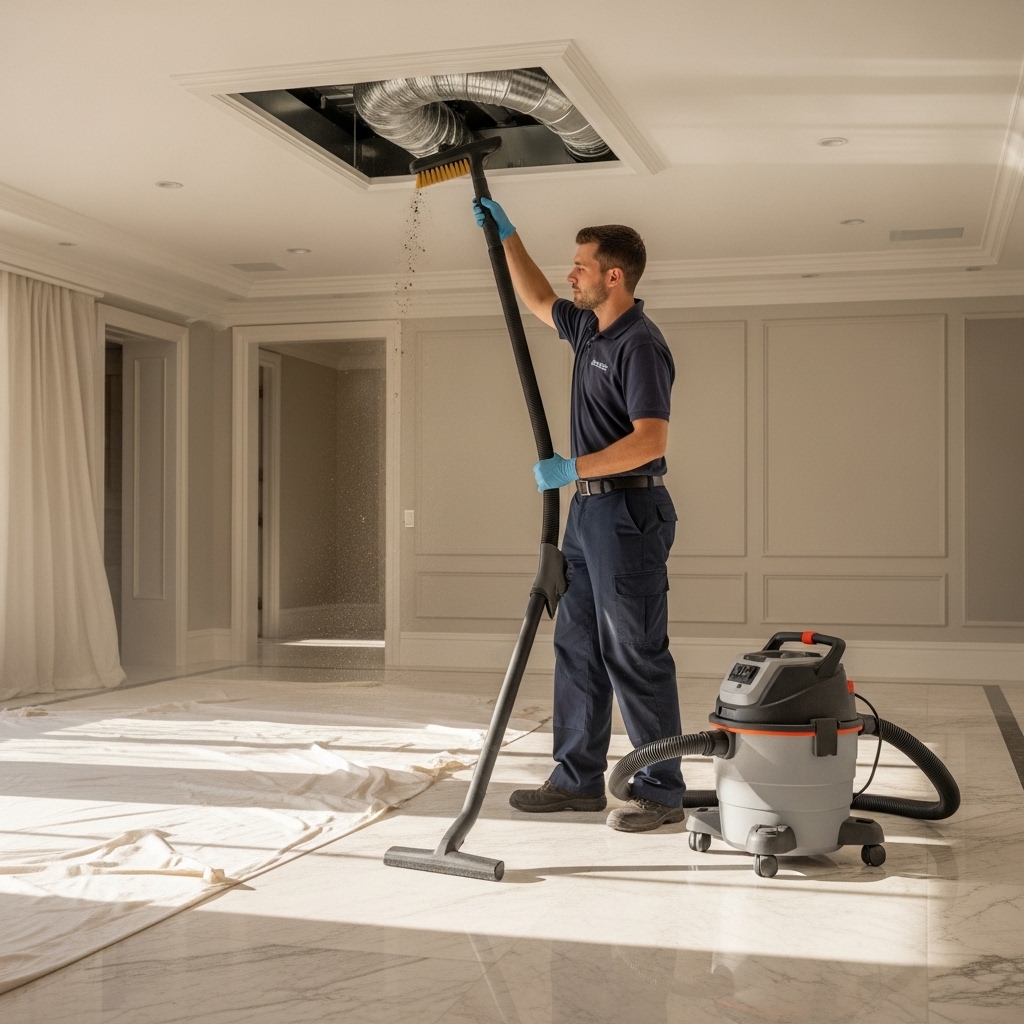
From there, the tools matter. Industrial-grade negative air machines, HEPA filtration, and specialized agitation devices are selected based on duct materials—metal, flex, or a combination of both. A pro also considers the duct’s age and condition, spotting fragile sections that need gentle handling, noticing insulation that may be degrading, and checking for signs of moisture that suggest a larger issue. Just as important, professional crews protect finishes. Drop cloths, sealed containment points, and careful register handling protect marble floors, custom millwork, and designer wall finishes while the system is accessed and cleaned.
One of the most overlooked aspects is detailed documentation. Reputable professionals take before-and-after images or video where feasible, not for dramatic effect but to confirm outcomes and provide transparency. This becomes a helpful reference point for scheduling future maintenance. In estate properties with staff or management, it is particularly useful: you can hand over visual records when responsibilities change, ensuring continuity.
Why Beverly Hills Homes Benefit Uniquely
Our climate is both kind and challenging. Dry stretches make dust lighter and easier to move. Landscaping—from citrus trees to lush hedges—brings pollen and organic debris into the air. Many homes undergo frequent upgrades or remodels, which can inadvertently introduce fine particulates into ductwork if HVAC intakes are not fully blocked during construction. Add in occasional wildfire smoke in the region, and the case for keeping duct interiors clean grows stronger. This is not scaremongering; it is acknowledging the environmental realities of our area.
Another Beverly Hills specificity is the use of high-end filtration and advanced thermostatic controls. I often see premium filters installed, which is excellent, but even the best filters do not catch every particle, especially if changed inconsistently. Professional cleaning resets the baseline. It helps those premium filters work at their peak by removing built-up debris upstream and downstream, so the system is not constantly re-circulating old dust that clings to the duct walls.
Health and Comfort Considerations
Clean ducts contribute to better indoor air quality. For households managing allergies, asthma, or sensitivities, this is more than a comfort issue. Accumulated dust can harbor allergens and irritants that, while invisible, can trigger symptoms. Professional cleaning does not claim to eliminate all triggers—no responsible expert would—but it does reduce the background load. Pair this with a robust filter replacement schedule and proper humidity control, and you create an environment that supports easier breathing and consistent comfort.
Thermal balance is another benefit. When duct interiors narrow due to dust and debris, airflow can be impeded just enough that certain rooms feel warmer or cooler than others. A professional cleaning restores the intended pathway for air, helping your thermostat and dampers perform as designed. In older homes with complex runs, the improvement can be noticeable—a steadier feel throughout, fewer hot or cold spots, and shorter cycles to reach your set temperature.
Understanding the Process
A typical professional visit starts with preparation. Registers are removed and cleaned. Technicians establish containment and connect negative air machines to create a controlled draw through the duct system. Using rotary brushes or compressed-air whips designed for the type of ductwork on site, they dislodge debris so it can be captured by powerful HEPA-filtered vacuums. Attention is paid to main trunks and branch lines, as well as returns, which tend to collect the most dust. If access panels are necessary for thorough cleaning, professionals create and later seal them to maintain system integrity.
Along the way, a good team watches for anomalies: a damp patch, an improperly sealed joint, or signs of rodent intrusion. They will not perform structural repairs unless previously authorized, but they will note issues that merit attention and provide recommendations. They may also clean blower compartments and coils when part of the scope, coordinating with maintenance protocols to ensure all work aligns with manufacturer guidelines.
Importantly, quality pros respect the quiet luxury of Beverly Hills living. They arrive on time, protect surfaces meticulously, and maintain a clean workspace from start to finish. When they leave, they remove all debris and containment, replace registers, and confirm the HVAC runs smoothly. The only thing you should notice is the difference in how your home feels and smells.
Timing and Maintenance Rhythms
How often should you schedule service? It depends on your household’s rhythm. Homes with pets, active remodeling, large families, or frequent entertaining may see dust accumulate faster. Properties that host guests seasonally might prefer a freshening before arrivals. The key is to avoid a one-size-fits-all schedule and instead rely on an assessment informed by how you live, how your system is designed, and local environmental factors. A professional can help set a sensible cadence and pair it with filter change reminders.
Midyear or shoulder-season visits can be ideal. Cooler spring mornings and milder fall afternoons give crews room to work without overtaxing your home’s cooling or heating during the process. It also ensures you head into peak-use seasons with a system that is ready to perform. If you are planning renovations, consider coordinating cleaning after major dust-producing phases are complete. That way, the work you do today protects the investment you make tomorrow.
Choosing the Right Team
Trust is earned, and in homes where finishes and furnishings can be as valuable as the walls themselves, the stakes are higher. Look for professionals who ask good questions, explain their approach, and tailor their setup to your home’s particular layout. Experience with older plaster, custom registers, or hidden access points is a plus. So is transparent documentation and clear communication. Above all, you want a team that treats your house with the same care they would give to their own.
In the middle of weighing options, it can help to think in terms of outcomes. What do you want to feel when the service is done? Cleaner scent, quieter cycles, steadier temperatures, less dust on surfaces, and peace of mind that airflow is unobstructed are all legitimate goals. Framing the conversation that way—centered on tangible changes—helps you and your provider align on scope and expectations. If you are ready to explore those outcomes, consider scheduling professional air duct cleaning when your calendar is flexible and the home can accommodate a few hours of access.
What To Expect on Service Day
On arrival, technicians will walk the property to confirm access routes, note any sensitive areas, and outline the day’s plan. They may ask that pets be comfortably secured and that fragile items near registers be moved or protected. Throughout the project, they will run negative pressure, address ducts zone by zone, and maintain continuous filtration so dislodged particles are captured and not dispersed.
If additional issues are found—say, an area of duct insulation that has collapsed—they should inform you, document it, and recommend next steps. Some concerns can be resolved the same day if previously authorized; others may require a follow-up visit. Clear communication is a hallmark of good service. You should never be left guessing what was done or why decisions were made.
Aftercare: Keeping Results Longer
Post-cleaning, simple practices help you keep that fresh baseline longer. Change filters on schedule, considering higher-MERV options if compatible with your system. Pay attention to return grilles; keep them unobstructed and gently vacuum their faces during routine cleaning. During any future renovations, ask your contractor to protect returns and supplies and to maintain jobsite cleanliness practices that minimize airborne contaminants. You will find that these modest steps amplify the benefit of professional work.
It is also worth noting the psychological benefit of a reset. Many homeowners report feeling more relaxed and at ease in their space after a thorough cleaning. That is not just marketing; our brains respond to environments that feel clean and balanced. When air smells neutral and rooms hold temperature more consistently, we notice. Your guests will too, even if they cannot pinpoint why your home feels particularly comfortable.
Common Misconceptions
One common misconception is that duct cleaning is only necessary if something is visibly wrong. In reality, most of what affects air quality and airflow is not visible from the register. Another misconception is that this is a do-it-yourself task. While homeowners can and should keep vents and returns clean at the surface, accessing and cleaning internal components safely and effectively requires equipment and expertise that go beyond home tools.
It is also easy to assume that new homes do not need attention. Ironically, new construction and recent remodels can leave more fine dust in ducts than older, settled systems. The difference is subtler than the heavy debris of years past, but it can still influence how the home feels and how efficiently the system runs.
The Bigger Picture: Efficiency and Longevity
Clean ductwork supports efficiency. When airflow is unobstructed, blowers do not work as hard, cycles stabilize, and system wear can be reduced. This is about more than comfort; it is about stewardship of a major home component. In a city where preservation of value is part of the culture, caring for hidden systems is as important as refinishing visible surfaces. Professional cleaning is one part of that care, alongside regular maintenance, smart thermostat management, and prompt attention to unusual noises or odors.
Ultimately, the goal is harmony: a home that smells neutral, breathes well, and maintains temperature with quiet confidence. You feel it when you walk in after a day on Wilshire or a hike in Franklin Canyon. The interior wraps you in calm air, not stale or perfumed, just right.
How Long Does It Take?
Timing depends on home size, system complexity, and access. A single system serving a moderate footprint may require only a few hours. Larger estates with multiple zones take longer, especially when teams document thoroughly and protect finishes meticulously. The timeline should be part of the planning conversation so you can schedule around family routines, housekeeping, and any ongoing projects.
Frequently Asked Questions
How do I know if my Beverly Hills home needs professional duct cleaning?
Common signs include noticeable dust buildup shortly after cleaning, a persistent musty odor when the system turns on, uneven room temperatures despite stable settings, and visible debris at supply registers. If you have recently completed a remodel or have had heavy wildfire smoke exposure in the region, a professional assessment is wise even if symptoms seem mild.
Will duct cleaning disrupt my daily routine or damage finishes?
Professional teams plan carefully to minimize disruption. They protect floors and walls, use sealed containment, and maintain negative pressure so dust is captured. Register covers are removed and cleaned, then replaced. With proper preparation, finishes remain protected and the home stays tidy throughout the process.
Is duct cleaning safe for older Beverly Hills homes with delicate materials?
Yes, when performed by experienced professionals who adapt tools and techniques to the home’s age and materials. They will choose gentler agitation methods when needed, create and seal access points properly, and monitor for any fragility in older ducts or insulation. Clear communication helps align the process with preservation priorities.
How often should this service be performed?
There is no single schedule that fits every home. Factors include household size, pets, nearby environmental dust, construction activity, and system usage. Many homes benefit from periodic assessments rather than rigid intervals. A professional can recommend a cadence based on your lifestyle and your system’s condition.
Can I just replace filters and skip duct cleaning?
Filters are vital, but they work best when the ductwork is free of accumulated debris. Dirty ducts can re-circulate dust that bypasses even premium filters and can obstruct airflow slightly over time. Think of duct cleaning as a reset that allows your filtration to do its job more effectively.
What results should I expect immediately after service?
Most homeowners notice a fresher scent, less visible dust settling on surfaces, and more consistent temperatures from room to room. Over time, you may observe steadier system cycles and a general sense of quieter, more confident airflow through the house.
What about sanitizing or deodorizing the ducts?
These options may be appropriate in specific scenarios, such as after smoke infiltration or moisture incidents, and should be discussed in advance. Responsible professionals use products and methods suitable for HVAC interiors and compatible with your household’s sensitivities and preferences.
Ready to Experience a Cleaner, Calmer Home Environment?
If you are ready to breathe easier and restore a clean baseline for your HVAC system, now is an excellent time to plan your appointment. Reach out to a local expert who understands the nuances of Beverly Hills homes, respects your schedule, and delivers thorough, careful workmanship. When you are ready to take the next step, schedule your professional air duct cleaning and feel the difference each time your system turns on.