Conversations about home services in Beverly Hills increasingly touch on sustainability. We sort our green bins, shop local at the market, and consider the lifecycle of materials when we renovate. Air duct cleaning fits into this environmental mindset in several quiet, practical ways. The goal is not to add products or perfume the air; it is to remove accumulated dust and debris from the system so that your HVAC breathes freely and your home maintains a clean, neutral indoor environment. In the process, a careful service plan can reduce waste, support energy-conscious operation, and protect both the home and the neighborhood we share. When you set out to schedule air duct cleaning, it helps to see the bigger picture of how the work is performed and why the details matter.
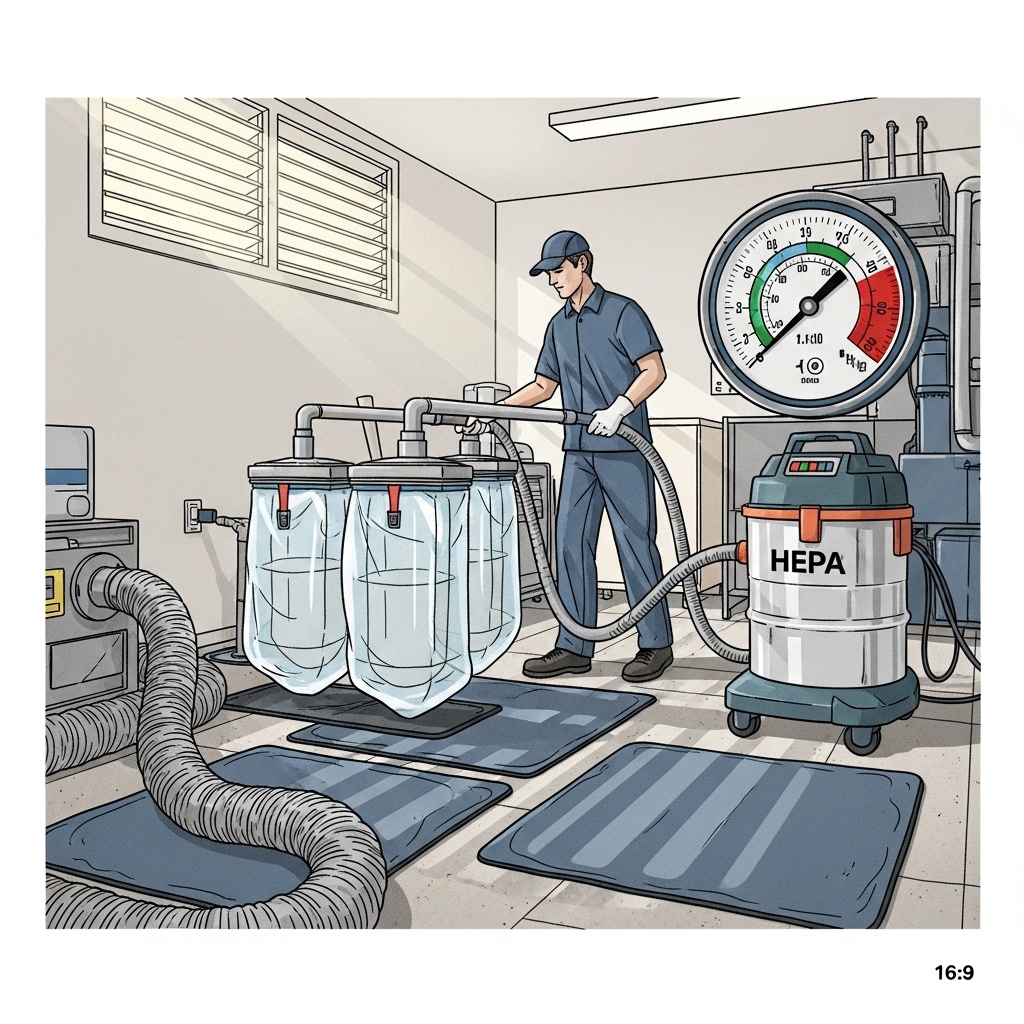
Let us start with containment and capture. A responsible cleaning process uses negative pressure with HEPA filtration to remove dislodged debris from ducts. This approach prevents particulate from escaping into living spaces and ensures that what is removed stays inside sealed collection bags. By minimizing airborne release, crews protect the home’s interior surfaces and reduce the need for extra wipe-downs or repeated cleaning. It is a simple point, but it is core to environmental mindfulness: work cleanly to avoid creating more work—and more waste—later.
Equipment selection matters as well. High-efficiency vacuums with HEPA filtration ensure that the smallest particles are captured and not reintroduced into the space. Agitation tools calibrated to duct materials avoid scratches and tears that would otherwise require premature repair or replacement. In Beverly Hills, where many homes combine older metal ducts with newer flex or lined sections, this material-sensitive approach preserves what exists rather than forcing new materials into the home’s system.
Another environmental dimension is energy performance. Airflow restricted by debris forces a system to work harder to achieve the same comfort. Removing that restriction allows the system to operate more smoothly. Over time, smoother operation can contribute to steadier temperatures, quieter cycles, and a sense that the home and system are in tune. It is not about chasing a number on a bill; it is about the everyday reality of an HVAC that does not have to strain. Subtle improvements across thousands of hours of runtime add up to meaningful stewardship.
We also consider product use. The foundation of duct cleaning is physical removal, not chemical treatment. When targeted treatment is appropriate, products are chosen with care for compatibility with duct materials and for use in occupied homes. Low-scent, low-residue options minimize the introduction of extraneous substances into your indoor environment. Using less—and using it wisely—is part of the environmental ethic that guides the work.
Waste handling is straightforward but important. Debris captured during cleaning—dust, lint, and small objects from registers—is contained and removed from the property for appropriate disposal. We avoid spreading dust into household trash areas and keep collection bags sealed during transport. The aim is to tidy the system and leave no trace behind in the path of travel or in the home’s refuse bins. Simple habits like staging equipment on mats and consolidating waste at the end of the day are small but meaningful steps in keeping operations clean.
Local climate patterns influence both when and how we work. During Santa Ana conditions, for example, homes are more likely to experience fine dust infiltration. Cleaning after such events resets indoor air quality without overreliance on fragrances or cover-ups. In shoulder seasons when windows open more, we plan service to minimize the time registers are open and coordinate with household routines to keep doors closed during agitation. Thoughtful timing respects both the environment outside and the environment you are living in.
Preserving finishes and materials is another layer of sustainability. Beverly Hills homes are known for their craftsmanship—restored plaster, custom millwork, original metal grilles. Properly protecting and cleaning these elements extends their life, avoiding the need for refinishing or replacement. Care in removing and reinstalling registers, using non-abrasive methods, and ensuring screws seat without stripping makes a difference you can see and feel long after cleaning day.
Then there is the matter of filtration. A clean duct system only stays clean if filters are seated correctly and changed on schedule. Gaps at filter racks allow air to bypass filtration, which means dust accumulates where it should not, forcing more frequent interventions. Ensuring a proper seal reduces waste in two ways: it keeps ducts cleaner longer, and it makes each filter change more effective, reducing the temptation to over-clean or over-treat in the future. Doing the foundational things well is the most sustainable move of all.
Midway through a service, when one zone is finished and the next is being set up, homeowners often remark on the difference in scent and brightness at the vents. That is the point at which we talk about how small habits support environmentally mindful living. A mat near the patio doors catches dust from the garden. Choosing the right filter and changing it on schedule prevents bypass. Keeping returns clear avoids pulling loose fibers into the system. And when the time comes for the next refresh, it is easy to find a trusted resource for professional air duct cleaning that aligns with your values.
Even the way crews move through a property has environmental effects. Efficient staging reduces unnecessary trips back and forth, cutting down on door cycles that would otherwise draw in outdoor air and particles. Laying down floor protection on a single, well-planned route prevents the need to clean multiple pathways. Parking thoughtfully avoids idling near open doors and respects neighbors who may be enjoying their own quiet moments outdoors. These details reflect a culture of care that benefits everyone who shares the street.
Documentation also supports sustainability. By capturing images of representative sections before and after, and noting any gaps or leaks in return pathways, we help homeowners make targeted decisions. If a return chase shows signs of pulling air from a wall cavity, sealing that area reduces unwanted infiltration and keeps ducts cleaner. These incremental improvements compound over time to create a home that operates gently and efficiently.
For residents who travel or maintain seasonal schedules, environmental thinking extends to timing. Planning cleaning before a long departure gives you a fresh baseline so the system sits clean while away. Returning to a neutral-smelling home without stale undertones is one of those quiet joys that signals a space has been well cared for in your absence.
It is worth emphasizing that sustainability is not only about products or headlines; it is about craftsmanship. Beverly Hills homes deserve a service culture that treats every surface with respect, uses tools thoughtfully, and makes careful decisions about where to spend time and attention. The result is a system that supports comfort with minimal fuss and a home that feels consistently pleasant without extra effort.
Does air duct cleaning really have an environmental benefit?
Yes. By removing buildup that restricts airflow, the HVAC system can operate more smoothly, which supports gentle, efficient performance over time. Clean ducts also reduce the temptation to mask issues with products, keeping indoor air neutral rather than scented.
Are chemicals used during cleaning?
Physical removal is the foundation. When targeted treatment is suitable, products are selected for compatibility with duct materials and for use in occupied spaces. The aim is minimal, precise application, preserving a neutral indoor environment and avoiding unnecessary residues.
What happens to the debris?
Dust and small particles captured during cleaning are contained in sealed bags and removed from the property for appropriate disposal. This keeps particulates out of living spaces and avoids spreading them into household trash areas.
Will my home be left cleaner or will I need to dust afterward?
With proper containment and negative pressure, cleaning should not spread dust around your home. Surfaces along the work path are protected, and equipment draws dislodged debris into HEPA filtration. Rooms are left tidy, registers reinstalled, and the air smelling neutral.
How does this align with energy-conscious living?
Removing restrictions from ducts allows air to move freely, helping the system achieve setpoints with less effort. Over months of runtime, this smoother operation supports energy-conscious living by reducing strain and keeping comfort steady without overcomplication.
Is there a best time of year to schedule?
Schedule around your life and the local environment. After windy seasons or nearby construction, cleaning resets indoor air. Before long travel, it establishes a clean baseline. In milder shoulder months, access to rooftop or attic areas can be easier, and schedules more flexible.
Will older homes benefit, or should they be handled differently?
Older homes benefit significantly when the approach respects materials. Gentle tools, careful register handling, and protective measures preserve historic finishes while achieving a thorough clean. The environmental benefit is amplified by extending the life of original components.
What can I do to keep things sustainable between services?
Use well-fitted filters and change them on schedule, vacuum returns lightly, and keep doors from being propped open during windy days. Small steps like a good entry mat near patio doors prevent outdoor dust from making unnecessary trips into your system.
If your goal is a home that feels effortlessly fresh while aligning with a thoughtful approach to the environment, you are in good company here. Share your priorities, from finish protection to low-scent products, and we will plan a service that fits your space and values. When you are ready, reach out to discuss an assessment and schedule your air duct cleaning with a team that treats sustainability as a practice, not a slogan.