Beverly Hills homes are changing. As we build smarter, tighter, and more elegant living spaces, the standards for the air inside those spaces are rising too. Over the last few years, I’ve watched a wave of innovations reshape how we assess, clean, and maintain ductwork along the coast and up into the canyons. These emerging trends aren’t just buzz; they’re practical responses to Beverly Hills’s mix of marine air, seasonal smoke, sandy breezes, and high expectations for comfort. If you’ve wondered what’s new in air duct cleaning, here’s what’s making a real difference in local homes.
The most notable shift is the move from one-size-fits-all work to diagnostics-driven service. Rather than scheduling a generic cleaning every few years, more homeowners are asking for targeted assessments that show what’s happening inside their particular systems. With today’s tools, we can deliver that insight clearly and efficiently.
High-Definition Inspection and Transparent Reporting
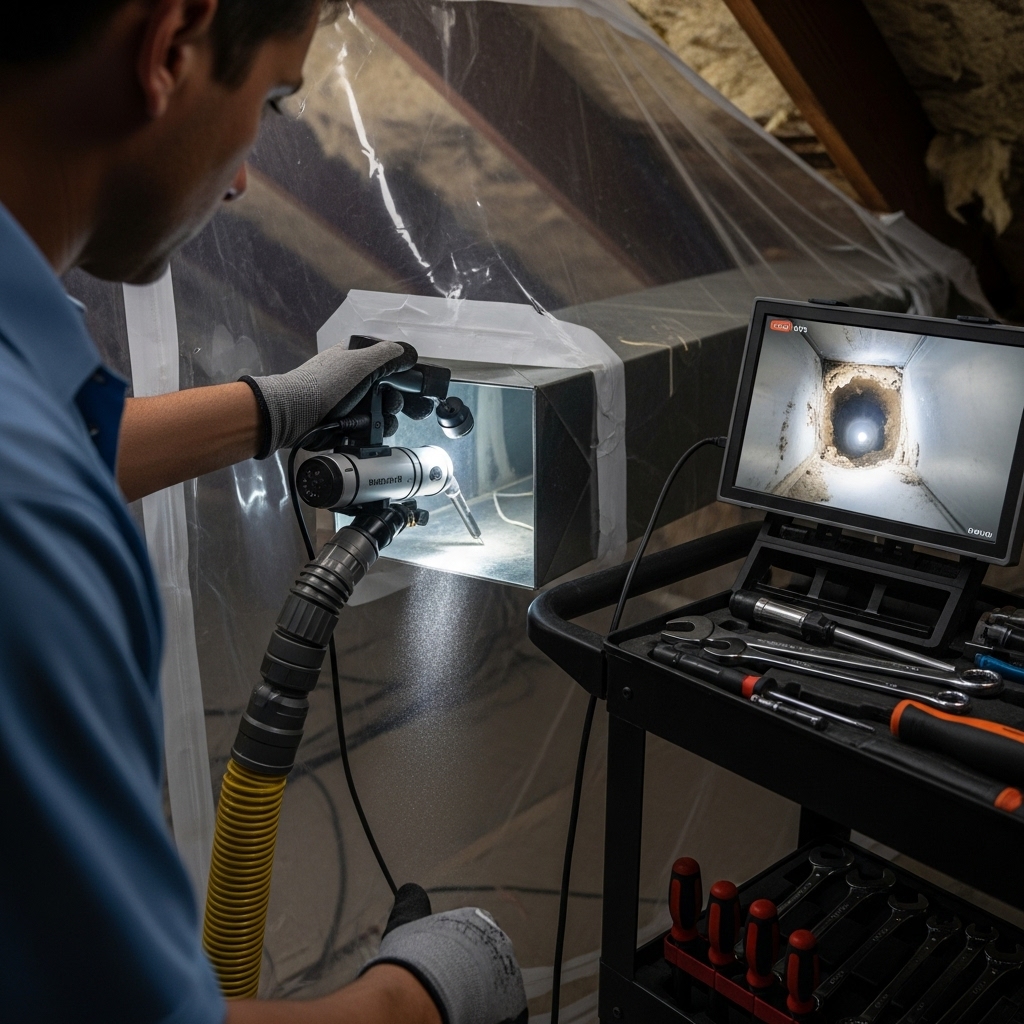
Camera technology has become both better and smaller. Crews now snake compact, high-resolution scopes deep into supply trunks and branch lines to document conditions in a way that’s easy to share. You see what we see: where dust has accumulated, if there’s construction debris left behind, and whether there are signs of moisture or corrosion that deserve attention.
This visibility changes conversations. Instead of guessing, we can point to specific sections that need work and others that are still in good shape. For Beverly Hills homeowners who value precision and discretion, it’s a respectful approach—minimal disruption and maximum clarity, so decisions feel grounded and necessary rather than routine.
Negative Pressure Done Right
While negative-air setups aren’t new, the latest equipment is quieter, more powerful, and filtered to a higher standard. That matters in a home where surfaces and art collections deserve gentle handling. We can isolate the system, pull debris toward the collector, and maintain strong capture efficiency without spilling dust into living spaces. The process feels cleaner because it is cleaner, start to finish.
In practice, these refined systems also shorten job times. Faster, more even suction paired with purpose-built agitation tools means we spend less time on each run while achieving a more thorough result. For busy households, less time with equipment onsite is always welcome.
Eco-Minded Practices and Low-VOC Options
Beverly Hills’s environmental values are shaping the products and methods we use. Where sanitizing or deodorizing steps are appropriate, low-VOC and fragrance-free options are becoming the default. The goal isn’t to perfume your ducts; it’s to remove what doesn’t belong and, only when needed, neutralize the residues that cause odors—all without introducing new chemicals you wouldn’t want to breathe.
We’re also seeing more attention paid to containment materials and waste handling. Reusable barriers, high-efficiency filters on collection units, and careful clean-up ensure that the environmental footprint of the service stays small, aligning with how many locals live and think about their homes.
Integration with IAQ Monitoring
Indoor air quality monitors aren’t just gadgets anymore. They’ve become helpful tools for before-and-after insight. By tracking particulates, volatile organic compounds, and humidity, we can correlate lived experience—how rooms feel and smell—with measured changes. For households with sensitive occupants, seeing levels drop after cleaning is both reassuring and instructive. It also helps guide filter choices and schedule future check-ins based on data rather than guesswork.
In homes with smart thermostats and whole-house systems, it’s now common to pair duct cleaning with tweaks to ventilation strategies. A slight shift in fan schedules or a seasonal adjustment to fresh-air intake can lock in the gains, helping the home stay clean longer between services.
Attention to Duct Sealing and Return Integrity
One of the most impactful trends is the focus on the return side—the part of the system that pulls air back to the equipment. In older Beverly Hills homes or those with attic returns, we sometimes find gaps that draw in dusty attic air. Cleanings used to end with a reminder to “check seals.” Now, many providers include light sealing work as part of the service. By tightening return pathways and cleaning at the same time, we reduce the chance that dirt will simply re-enter the system from unintended sources.
That attention extends to equipment closets and platforms. Eliminating under-door gaps, sealing penetrations, and improving gaskets means the air that returns to your blower is truly from your living spaces, not from storage or utility areas with higher particulate loads.
Wildfire Readiness Built Into Service Plans
Given recent fire seasons, forward-thinking homeowners are asking for service plans that anticipate smoke events. That means pre-season filter upgrades, contingency scheduling so crews can respond quickly after heavy smoke days, and post-event assessments to verify that duct interiors remain clean. The trend is toward resilience: creating homes that maintain safe, calm air even when the view outside says otherwise.
Part of this resilience involves educating households about when to run systems, when to switch to recirculation, and how to layer filtration that makes sense for each family’s needs. It’s a more interactive partnership between homeowner and service provider, shaped by the reality of the region.
Support for Modern, Variable-Speed Equipment
Variable-speed blowers, zoning, and smart controls demand clean pathways to deliver their promised comfort. With variable-speed systems, dirt-related resistance can push fans into higher outputs, undermining the efficiency and quiet performance you bought them for. The trend toward pairing cleanings with system tuning—verifying external static pressure, balancing dampers, and confirming design airflow—ensures the whole system works in concert.
In practical terms, this means that after cleaning, the house feels more stable. Temperatures drift less between zones, and the system spends more time in its quieter, low-output modes. Beverly Hills homeowners often describe the result as a home that “breathes” better, with the HVAC nudging conditions rather than blasting them into place.
Photo and Video Documentation as a Home Record
Another emerging practice is keeping a home-specific record that travels with the property. Documented photos, airflow readings, and filter specifications become part of the home’s history, much like maintenance logs for a car. If you sell or hand the home to the next generation, that record shows care and offers practical guidance for the next owner’s team.
This approach fits Beverly Hills’s market, where thoughtful, well-documented maintenance supports value. It also helps you remember what worked, when filters were upgraded, and how the system responded to past cleanings or smoke events.
In the middle of all this innovation, one constant remains: the value of skilled technicians who respect your home. Trend or not, craftsmanship matters. The crews who take time to protect finishes, communicate clearly, and verify results make the technology worth having. When you hire for professional air duct cleaning, it’s the combination of new tools and seasoned judgment that delivers the outcome you feel every day.
Looking Ahead: Cleaner Air as a Way of Life
I expect to see more seamless integration between cleaning, filtration, and smart home controls. Systems will increasingly nudge you when particulate levels rise, or when fan schedules should shift for seasonal humidity changes. For homes near the beach, sensors may guide window-opening routines to enjoy breezes without inviting in sticky salt residue. For homes in the canyons, preemptive reminders ahead of dry winds could prompt a filter change or a quick inspection.
There’s also growing interest in materials: ducts with smoother interiors that resist residue, registers with finishes that shed dust, and gasket materials that seal better and last longer in a coastal environment. Each advancement narrows the gap between how we want homes to feel and what the environment asks them to withstand.
Frequently Asked Questions
Are new technologies worth it for smaller homes?
Yes. High-definition inspections and improved negative-air capture benefit homes of any size. Smaller systems often have tighter airflow margins, so clean, well-sealed ducts can make an outsize difference in comfort and noise.
Do smart sensors replace regular inspections?
No, they complement them. Sensors provide trends and alerts, but a camera and a trained eye reveal what’s actually happening inside the ducts. Together, they create a smarter maintenance plan tailored to your home.
Is eco-friendly cleaning as effective?
Absolutely. The core of duct cleaning is mechanical: containment and removal. Low-VOC and fragrance-free options are used when deodorizing or neutralizing is appropriate, and they’re chosen to protect indoor air while achieving the desired result.
How do these trends help during smoke season?
Better diagnostics guide targeted cleaning, while improved filtration and sealing keep smoke particulates from building up. Service plans now anticipate smoke events, reducing downtime and helping homes recover faster once outdoor air clears.
What should I ask a provider before hiring?
Ask about documentation, containment methods, filter strategies, and whether they address return-side sealing. A provider who can explain their process clearly—and show you before-and-after evidence—will likely deliver the results you expect.
If you’re ready to pair thoughtful technology with attentive craftsmanship, reach out to a trusted local team and schedule air duct cleaning for your Beverly Hills home. The payoff is daily: quieter comfort, fresher air, and a living space that meets the moment with ease.