
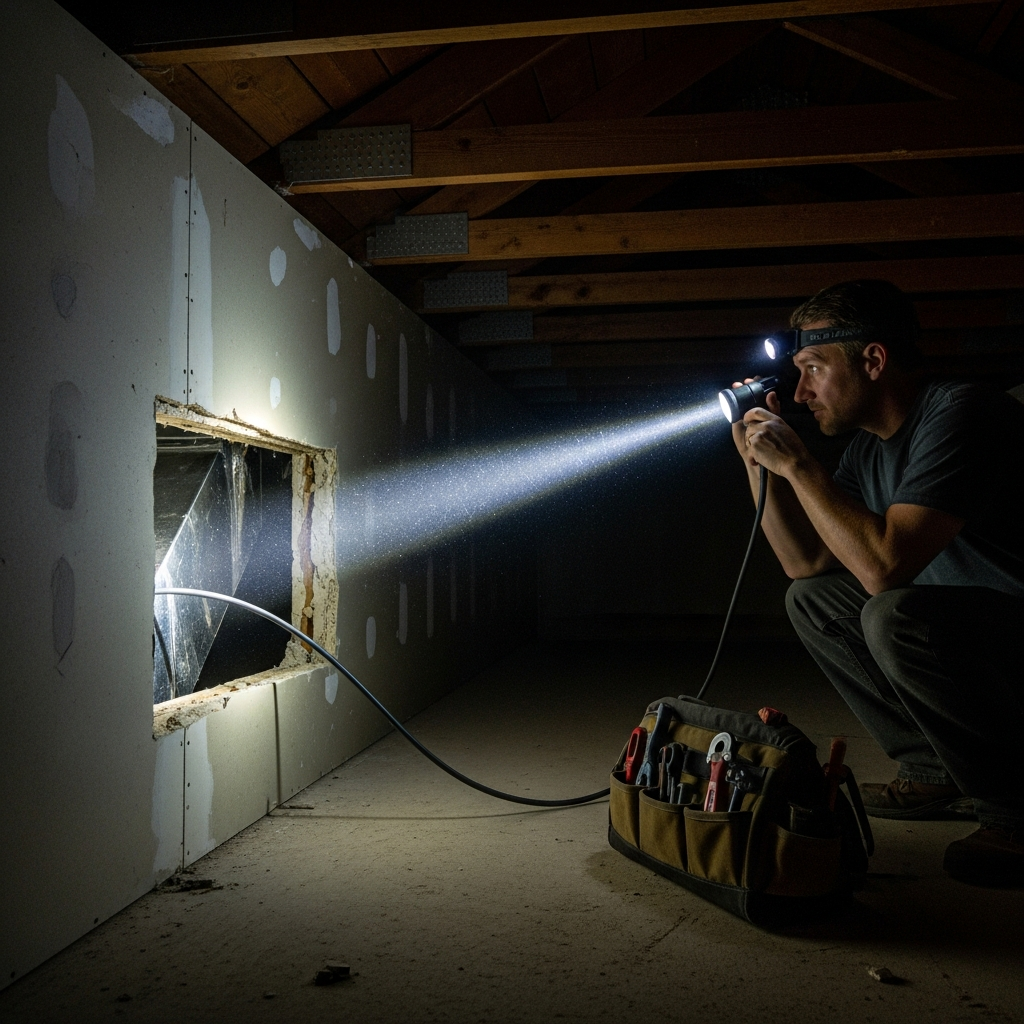
On paper, air duct cleaning looks straightforward: connect containment, agitate surfaces, and draw debris out of the system. In practice—especially in Beverly Hills homes with ambitious architecture and rarefied finishes—it can be a nuanced exercise in access, protection, and judgment. Over years of opening grilles in the Flats and navigating tight chases above Benedict Canyon, I have seen a handful of recurrent issues. Knowing them in advance helps homeowners plan wisely and choose teams that resolve challenges without drama.
These are not horror stories; they are the gentle realities of working inside older estates, ambitious remodels, and hillside engineering. Understanding them ensures the results you want: cleaner air, quieter rooms, and ductwork that supports the house instead of subtly distracting from it. With that lens, here are the issues that crop up most often—and how a thoughtful approach turns each into a non-event while you schedule necessary air duct cleaning.
Issue 1: Inaccessible or Hidden Duct Runs
Designers hide everything beautifully in Beverly Hills. Returns vanish into millwork; supply trunks slip behind paneled walls; branch lines run through structural steel. What looks exquisite on the surface can complicate access when it is time to clean. The solution is patient sleuthing: studying original plans when available, using cameras and airflow readings, and opening the least invasive access—sometimes through a closet or from an attic chase—so tools can reach every interior surface. The goal is to keep the architecture’s magic intact while still addressing the system fully.
Issue 2: Fragile Materials in Older Properties
Older homes may include sections of duct-board or older liners that do not tolerate aggressive tools. A one-size-fits-all rotary brush can scuff or tear what it touches. Experienced technicians switch to soft bristles, flexible agitation, and precise negative pressure to avoid damage, or they protect sensitive sections while cleaning upstream and downstream components. The mark of a good team is restraint paired with results—knowing when to back off and adjust technique to the material in front of them.
Issue 3: Construction Debris from Long-Ago Remodels
Even decades after a project, we still find tails of drywall tape, errant screws, and small wedges of wood tucked into ducts. These become catch points for lint and dust and can amplify noise as air flutters around them. During cleaning, removing these remnants becomes part of the value, not an aside. You can often hear the system settle into a calmer tone once the last piece is out. It is as if the house thanks you for taking out a splinter it has carried too long.
Issue 4: Lingering Odors with Multiple Sources
Homeowners often call about a vague “off” smell. Cleaning the ducts removes a major odor reservoir, but sometimes the scent lingers because it also originates elsewhere: a dry P-trap, an old refrigerator gasket, or residue in a fireplace flue. Managing expectations upfront helps. We tackle the ducts methodically, then reassess. If the odor persists, we investigate secondary sources. Most times, the combination resolves the issue and the house returns to its neutral baseline.
Issue 5: Imbalanced Airflow and Mythical “Weak Rooms”
Before cleaning, a room may have a reputation for being stubbornly warm or cool. It is tempting to blame the duct layout. Sometimes the culprit is simply resistance from accumulated debris. After cleaning, airflow increases and balance improves. If the room remains difficult, we look for dampers that were never set correctly, doors without adequate undercuts, or a return path that is undersized. Cleaning clarifies the diagnosis. It is always step one before making changes to the system.
Issue 6: Leaky Returns Drawing in Attic or Crawlspace Air
Another frequent find is a small gap at a return plenum or a loose connection at a branch. Left alone, these leaks pull in unconditioned air and dust from spaces you never intended to breathe. During cleaning, when registers are off and access is open, those small failures reveal themselves. A good team can note, seal, or flag them for follow-up. The improvement is immediate: cleaner air and a system that no longer labors to move extra, unwanted volume.
Issue 7: Condensate and Moisture Traces Near Coils
While the ducts are the primary focus, coil housings and nearby insulation can sometimes show evidence of past condensation—minor staining or a hint of mustiness. Cleaning pairs naturally with inspecting drains, clearing pans, and ensuring that moisture never lingers where it can mix with dust. This is a subtle but important adjunct; keeping the entire pathway dry avoids turning any surface into a grab point for debris or a canvas for odor.
Issue 8: Custom Registers that Deserve Gentle Hands
Decorative grilles and custom registers are part of the home’s character. They also come with tiny screws, delicate finishes, and occasionally tricky spring clips. Removal and reinstallation require patience and the right tools to avoid scratches or misalignment. The detail is worth it. When a brushed bronze grille returns to the wall perfectly true and unmarked, you feel both respect for the house and confidence that the hidden work received the same care.
Issue 9: Scheduling Around Real Life
Homes are busy places—children’s naps, Zoom calls, deliveries, and quiet studio time. Poorly planned work becomes a headache. The fix is simple: stage equipment discreetly, coordinate with estate managers, and sequence rooms to preserve calm zones. Finishing each day with a spotless wrap is part of the craft. The best compliment we hear is, “We forgot you were here,” followed by a noticeable lightness in the air.
Issue 10: HOA, Access, and Quiet Operations
For condos and penthouses, building rules shape the day. Freight elevators have windows, loading docks have expectations, and neighbors prefer a soft sound profile. Portable negative-air units with baffled exhaust, rubber-footed tool cases, and mindful communication keep everything smooth. Permission and planning become as important as brushes and vacuums, and the result is a job that finishes on time with no ruffled feathers.
Issue 11: Expectations Set by Scented Products
Many people unconsciously associate “clean” with a smell. Proper duct cleaning should leave almost no scent at all—only the absence of mustiness or stale notes. Setting that expectation upfront prevents disappointment and allows the true benefit to register: rooms that smell like themselves, fabrics that keep their character, and mornings that feel fresher.
Issue 12: The Post-Project “Did It Work?” Moment
Because ducts are hidden, homeowners rely on feel and small cues. The first day or two, airflow can even seem more noticeable simply because you are paying attention. Give it a week. Dust settles less quickly on tables; the faint hiss at a grille softens; the home’s odor profile returns to neutral. These are the quiet successes you hired for.
Issue 13: Discovering Non-Duct Problems
Occasionally, cleaning reveals a different underlying issue: a sagging flex run, an undersized return, or insulation that has slipped. Identifying those concerns is a win. With the ducts reset, your HVAC professional can address the structural fix, and you are no longer making decisions through a haze of dust-related symptoms.
Issue 14: Balancing Thoroughness with Respect for Materials
The instinct to “clean everything aggressively” is understandable. In reality, good cleaning is precise. It is rigorous where the materials welcome it and restrained where they do not. That balance preserves duct integrity and the home’s finishes while delivering the fresh-air outcome you want.
Mid-Course Adjustments and the Power of the Walkthrough
For larger homes, a midpoint walkthrough provides a reality check. After the main level is finished, you can feel and hear the change: less flutter, cleaner scent. It is the perfect moment to decide whether to extend scope to a guest wing or studio and to plan the next season’s service. Many homeowners choose that pause to commit to ongoing air duct cleaning as part of a larger maintenance rhythm, knowing the house responds beautifully when care is consistent.
Frequently Asked Questions
How do I know if a duct run is truly inaccessible?
True inaccessibility is rare. With plans, cameras, and some creative thinking, technicians usually find a low-impact access point. The priority is minimal disruption to finishes while reaching the surfaces that matter.
Will cleaning damage older duct-board or liners?
Not with the right approach. Soft-bristle tools and careful negative pressure protect delicate materials. If a section is too fragile, it can be isolated while adjacent metal trunks are cleaned thoroughly.
What if an odor persists after cleaning?
Then we look for secondary sources like drains, appliances, or fireplaces. Duct cleaning removes a major reservoir; when combined with targeted fixes elsewhere, most odors resolve.
Can cleaning fix a noisy register?
Often, yes. Removing lint and debris reduces turbulence. During reassembly, small adjustments to fins and dampers help quiet hissing or fluttering sounds.
How long should I wait to judge the results?
Give it a week. You will notice cleaner scent almost immediately, but the fuller picture—less dust settling, calmer airflow—emerges over several days of regular living.
Do I need to be home during the work?
Not necessarily. Many homeowners coordinate with estate managers. What matters is clear access, a protected pathway, and good communication. The end-of-day walkthrough or summary report ties it all together.
Call to Action
If you are ready to turn common obstacles into smooth outcomes—cleaner air, quieter rooms, and a home that feels freshly itself—schedule professional air duct cleaning with a team fluent in Beverly Hills architecture and expectations. The right crew handles complexities gracefully so you can simply enjoy the results.