
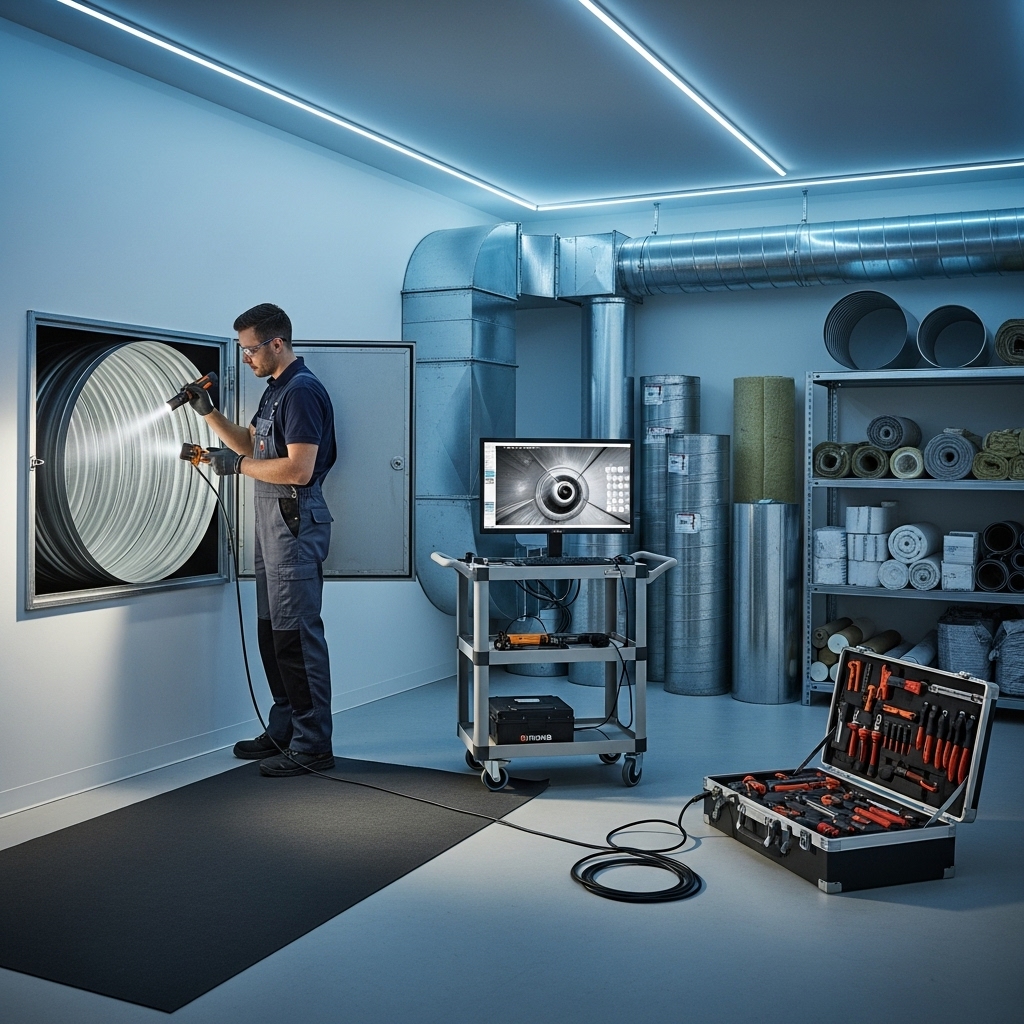
What a Thorough Air Duct Cleaning Inspection Looks Like in Beverly Hills
Before any meaningful cleaning takes place, an inspection lays the groundwork. In Beverly Hills, where homes often combine architectural flair with sophisticated mechanical systems, the inspection is a conversation between your home’s design and the technician’s plan. It answers simple questions—what is connected to what, where access exists, and how air is moving—and it anticipates the protection your finishes and furnishings deserve. If you have wondered what a thoughtful inspection entails, this guide walks through the process from the first handshake to the final recommendations, showing how it sets the stage for careful, effective air duct cleaning.
An inspection is not just a glance at registers. It is a systematic look at the air handler cabinet, return and supply paths, accessible duct runs, and the conditions around them. It includes questions about your household’s routines, any recent renovations, and whether there are allergy or sensitivity concerns. It also accounts for logistics unique to Beverly Hills properties, from hillside access to delicate interior finishes. The result is a scope of work you can understand, one that respects both the mechanical system and the character of your home.
Arrival, Walkthrough, and Safety
The visit begins with a brief walkthrough to understand the layout. Technicians identify where air handlers are located—sometimes in dedicated closets, sometimes in attics, basements, or rooftop enclosures. They note the number and placement of returns and supply registers, the locations that require access protection, and any areas that demand special care, such as rooms with valuable art, custom millwork, or sensitive electronics. Safety considerations, including clear pathways and the ability to stage equipment without impacting the home, are discussed up front.
At this stage, the technician also asks about your priorities. Are there certain rooms where dust seems to accumulate faster? Do you notice a puff at a particular register? Has there been a recent remodeling project? The answers guide where attention is concentrated and help determine whether a maintenance or restorative cleaning will be appropriate after the inspection.
Identifying System Components
Next comes a closer look at the system. The air handler cabinet is examined for cleanliness, filter cabinet sealing, and any signs of bypass where unfiltered air might be entering. The return plenum is checked for visible debris, and the lines leading to and from the air handler are noted for material type and condition. Supply trunk lines and branches are observed where accessible, sometimes with inspection cameras to view sections that are not visible at registers.
Material matters because it guides the tools and techniques used later. Metal ducts tolerate certain brushes that would be inappropriate for flexible duct. Fiberboard requires a lighter touch to avoid damaging interior surfaces. Recognizing these materials during inspection helps prevent surprises and ensures the cleaning plan is both safe and effective.
Assessing Condition and Accumulation
Inspections pay special attention to the return side of the system, where deposits tend to be heaviest. The technician looks for lint rings around return grilles, dust patterns at the filter rack, and any evidence of gaps. Inside accessible ducts, patches of adhered dust or debris indicate areas where airflow has slowed and allowed particles to settle. The inspection also notes any signs of moisture past or present, which can change how debris adheres and influence cleaning techniques in those sections.
While the goal is to observe as much as possible, the inspection respects the home. Access covers are removed and replaced carefully, screws or fasteners are kept organized, and surfaces are protected even during this early stage. The mindset is the same as during cleaning: protect first, then proceed methodically.
Airflow, Odor, and Noise Clues
The way air moves tells a story. Uneven airflow at registers can point to partial obstructions, duct leaks, or closed dampers. A slight stale note when the system starts may indicate dust concentration near the air handler or in specific branches. Subtle rattles or whistles sometimes signal loose connections or insulation issues. During inspection, these clues are collected and considered together to shape the cleaning sequence and to highlight any repairs that might enhance the system’s performance after cleaning.
If zoning controls are present, the technician checks damper operation as part of understanding how air is routed through the home. This knowledge helps avoid forcing debris into closed branches during cleaning and ensures each zone receives attention appropriate to its configuration.
Access and Protection Planning
Protection is a theme from the start. The inspection catalogs where containment will be installed, how hoses will be routed, and which surfaces require coverings. In Beverly Hills homes with fine finishes, this plan can be extensive, including the use of non-residue tapes for protective sheeting, padded mats for flooring, and careful staging that avoids contact with furnishings. The technician also notes where registers are delicate or where surrounding paint requires gentle handling.
Access planning includes identifying potential tool entry points for agitation and confirming that there is room to set up negative air equipment without interfering with household flow. If mechanical spaces are tight or located in areas with limited clearance, alternative approaches are considered and explained so there are no surprises on the day of service.
Documentation and Communication
A well-run inspection produces a clear record. Photos of accessible sections, notes on material types, and observations about dust patterns and filter cabinet sealing are assembled into a concise summary. This documentation is not simply for the provider; it is for you. It shows where attention is needed, distinguishes maintenance from restorative needs, and outlines the steps proposed for cleaning. The clarity of this document is a hallmark of a provider who understands both the technical and the personal sides of the work.
Communication during the inspection is conversational. Questions are encouraged, and explanations are given in plain language. When homeowners understand what is planned and why, the cleaning that follows feels purposeful and reassuring rather than mysterious.
When Cleaning Follows Inspection
In many cases, cleaning can be scheduled promptly after the inspection, and sometimes even begun the same day if time, access, and household schedules align. The inspection’s primary benefit is that it makes the subsequent service efficient and focused. Registers are sealed, containment is set, negative pressure is established, and agitation tools are introduced in a sequence designed to draw debris toward collection. Because the property’s unique features have already been considered, the team works confidently without improvising around unexpected challenges.
For homes with multiple systems or complex zones, the inspection will recommend a phasing plan. This might involve completing one system at a time so parts of the home remain undisturbed, or staging work to respect building requirements in condominiums. The aim is always to minimize disruption while ensuring thoroughness.
Special Considerations in Beverly Hills Properties
Homes here often feature art collections, custom wall treatments, or rare finishes. The inspection notes how these elements will be protected, including whether certain rooms should be isolated entirely during work. In hillside homes, access paths may require longer hose runs or careful placement of equipment around landscaping. In multi-level residences, stair protection and elevator coordination may be part of the plan. These details go beyond the ducts themselves but are central to a successful service experience.
Historic properties introduce another layer. Original plaster, vintage registers, and older duct materials require both respect and experience. The inspection will identify where modern techniques need to be adapted and where gentle handling is non-negotiable. A provider familiar with these nuances makes all the difference in preserving the character of the home while improving its indoor air quality.
Finding Issues Beyond Dust
While the goal is cleaning, inspections often reveal opportunities for improvement. Minor duct leaks, inadequate insulation on certain runs, or filter cabinet gaps that allow bypass are common discoveries. Addressing these issues after cleaning can help preserve the results and support system performance. The inspection document will separate what can be managed during cleaning from what may require a separate HVAC service visit, keeping roles clear and timelines sensible.
Sometimes, inspections uncover signs of previous water intrusion or pest activity. In such cases, the cleaning plan may include additional containment and a more targeted approach to the affected sections. Any necessary remediation steps are discussed in plain terms so you can decide how to proceed without pressure.
Mid-Inspection Questions Homeowners Often Ask
Homeowners typically want to know how long cleaning will take, whether they need to leave the house, and how pets will be managed. The answers depend on system count, access, and the level of protection needed. Most people remain at home during service, staying comfortable outside active work zones. Pets do best in a quiet room away from equipment. As for duration, the inspection allows the provider to give a realistic window and to explain any factors that could extend or shorten that estimate.
Another common question is whether any treatments are applied. The default approach is source removal—physically extracting settled debris with controlled airflow and agitation. If a treatment is recommended, the reason is explained and the product is chosen with sensitivity in mind, especially in homes with allergies or scent sensitivities.
From Inspection to Actionable Plan
The ultimate output of an inspection is a plan you can read and feel confident about. It should identify the sequence of work from the air handler outward, the methods used to protect the home, and the specific attention given to returns, trunks, and registers. It should also clarify whether you are a candidate for a maintenance cleaning or whether a restorative service is advisable first. With this plan, you can book service knowing what will happen and why each step matters.
In the middle of this transition from discovery to action, your provider may also discuss coordinating related tasks—such as dryer vent cleaning for convenience—so that the overall disruption is minimized. Knowing these options in advance allows you to choose what best fits your schedule and comfort, all within the framework of a properly planned air duct cleaning.
Frequently Asked Questions
Do I need an inspection every time?
A detailed initial inspection is essential. For subsequent maintenance cleanings, a shorter pre-service check often suffices, verifying that conditions have not changed and confirming access and protection needs. If you remodel, move furnishings significantly, or notice new odors or dust patterns, a more thorough inspection is wise before the next service.
How long does an inspection take?
Most inspections can be completed in a focused visit, though complex properties with multiple systems take longer. The time allows for careful observation, photos where useful, and a discussion of your goals and questions. The payoff is a cleaning plan that is accurate and tailored to the home.
Will the inspection make a mess?
No. The process is minimally invasive. Registers may be removed briefly to observe conditions, and access panels are handled carefully. Surfaces are protected as needed, and the home is left as it was found. The spirit of protection during inspection foreshadows the protection used during cleaning.
What if the inspection finds issues beyond cleaning?
Findings such as duct leaks, insulation gaps, or filter bypass are documented and explained. Some small items can be addressed during cleaning; others may require a separate HVAC visit. The goal is transparency so you can decide what to do and when, with a clear sense of priority.
Can inspection and cleaning happen the same day?
Sometimes, yes—especially for single-system homes with straightforward access and open schedules. For larger or more complex properties, staging the cleaning allows for the right protection and sequencing. Your provider will recommend the approach that balances thoroughness with convenience.
Ready to Start with a Proper Inspection?
If you would like a clear, respectful plan that considers both your system’s needs and your home’s character, begin with an inspection that sets expectations and protects your space. A thoughtful walkthrough and documented scope make the subsequent service calm and effective. When you are ready, contact a local team for expert air duct cleaning that begins with the inspection your home deserves.