
Conversations about air duct cleaning in Beverly Hills often begin with a simple but important question: what drives the cost? While it is natural to look for a quick answer, real clarity comes from understanding the homes, climate, and expectations that define life here. From the flats east of Rodeo to the canyon homes tucked along tree-lined ridges, Beverly Hills properties have unique duct layouts and access points that influence how a professional approaches the job. Before you call a technician, it helps to picture the journey air takes through your home, and how the conditions along that path shape both the scope of work and the value you receive. In the earliest part of any project, a strong provider will pair a thorough visual inspection with a conversation about symptoms, like uneven airflow, dust settling right after cleaning, or allergy flare-ups that correspond with Santa Ana winds. This is where cost truly begins: with a clear understanding of your home’s story and its air delivery system.
Think of your HVAC system as a quiet concierge that never sleeps. It circulates air day in and day out, and every bend, seam, and register affects both comfort and cleanliness. In Beverly Hills, multiple factors converge: historic homes with plaster walls, recent luxury builds with complex zones, and remodels that have layered new materials on top of older duct runs. Add in warm, dry spells, occasional wildfire smoke from regional events, and construction dust when a neighboring property renovates, and you can see why a one-size-fits-all estimate rarely captures reality. That is why it is crucial to partner with a local team that knows how to assess duct materials, access points, and airflow characteristics common to our area. In the early stages of your planning, you may choose to research providers who can explain their process and the reasons behind each step. For many residents, the journey begins with a consultation for air duct cleaning that lays out exactly what will be inspected and how your home’s architecture will influence the work.
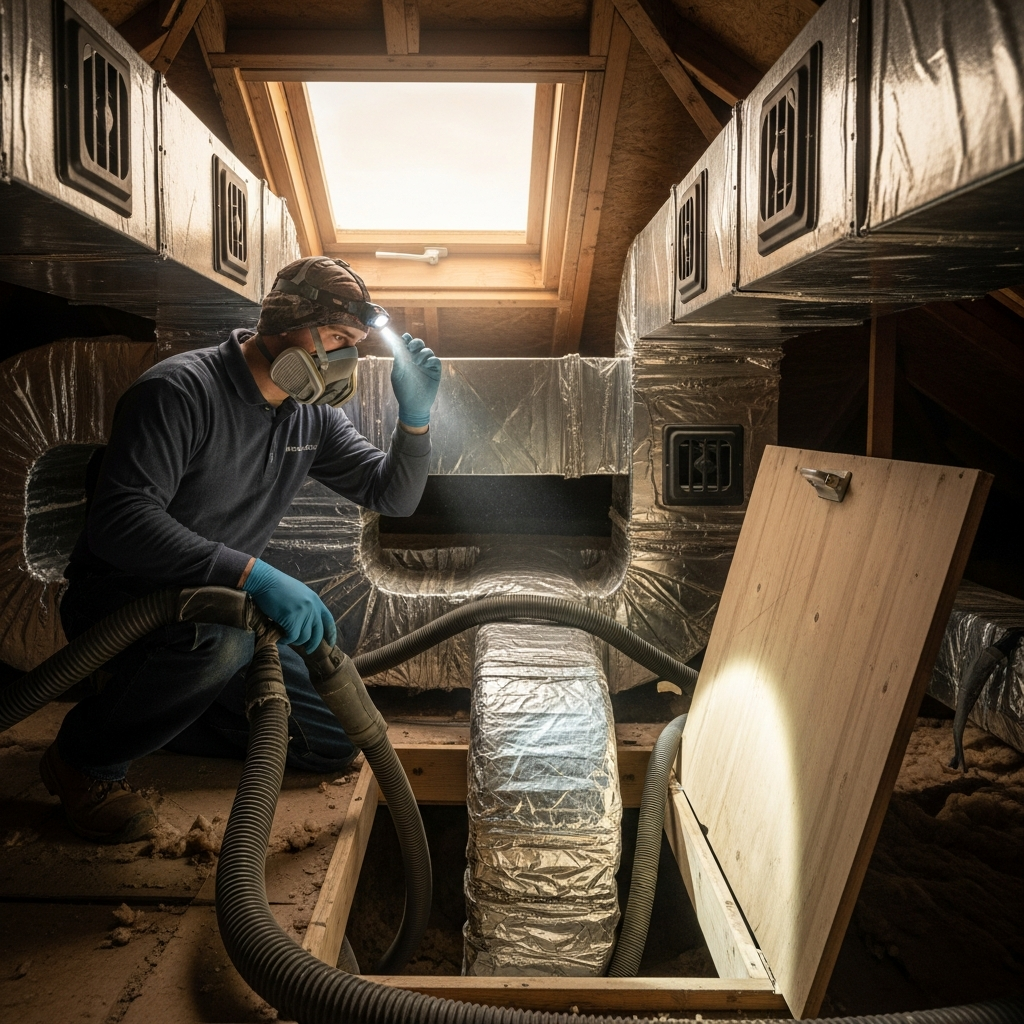
When people ask why costs vary, the discussion usually centers on the details invisible behind walls and ceilings. Duct runs differ in material—sheet metal, fiberglass-lined, or flexible ducts—each responding differently to agitation methods and negative-pressure collection. The approach that protects your system and achieves a thorough clean will depend on these materials and how they were installed. Long lateral runs may require additional access points for proper contact cleaning. Steep attic pitches and tight crawl spaces may increase setup time, while rooftop package units, common on some Beverly Hills flats, can add a layer of logistics for safe access and containment. None of this is about upselling. It is about tailoring the method so debris is dislodged and removed without releasing it into the living space or damaging duct interiors.
Why costs vary in Beverly Hills
Beverly Hills has a patchwork of building eras and design philosophies. Mid-century homes might have compact mechanical rooms and robust sheet metal trunks, while newer estates can feature multi-zone systems, dedicated ventilation for wine rooms, and integrated air purification components. Each of these realities changes the way a technician sets up negative air machines, chooses agitation tools, and positions containment. If you have high ceilings with soffit returns, technicians will plan for safe access and sealing. If your returns are at floor level behind bespoke millwork, the team will protect finishes and coordinate carefully to avoid disruption. These considerations don’t just shape time on site—they shape the care and equipment needed to get it right.
Another local variable is environmental influence. During dry spells, fine dust can accumulate in attic spaces, and air leaks at boots or seams may allow that dust to migrate into ducts. After a remodel, even when contractors tidy up diligently, microscopic particulates can settle in returns, especially if filters weren’t upgraded during demolition and sanding. If your home is near a busy street, vehicle particulates and tire wear can contribute to the debris profile, changing how professionals approach both the cleaning and the final filtration recommendations. All of this informs the scope, which is the backbone of cost—because scope is the measure of what it takes to clean your ducts properly and leave them functioning as intended.
Home design, duct materials, and access
The material and shape of your ductwork matter. Sheet metal ducts are durable and respond well to brushing combined with negative pressure. Flexible ducts need gentle techniques to avoid tearing the inner core or compressing the insulation. Fiberglass-lined ducts require special attention to preserve the liner while still removing settled dust and contaminants. Add in multiple transitions, offsets, and Ys, and the method changes again. Professionals will identify registers that need to be removed to allow direct tool access and any areas where custom cut-ins are recommended for thorough cleaning, later sealed to SMACNA standards. The number of access points, and the time necessary to create and restore them correctly, factor into project scope.
Access challenges are especially common in hillside properties. Reaching an air handler tucked behind storage in a tight mechanical room or working in a low-clearance crawl space adds setup and safety steps. Technicians might need to run longer vacuum hoses, set up additional containment to protect finishes, or stage equipment on a slope with appropriate fall protection. These logistics are not about theatrics; they are about ensuring the negative-pressure environment is strong, continuous, and safe for the home and crew, which ultimately safeguards the cleanliness of your living spaces during the work.
System condition and contamination level
Before a reputable team begins, they will evaluate filter condition, blower and coil cleanliness, and any signs of moisture intrusion. If your filter track has gaps, unfiltered air could be bypassing the media, letting particulates accumulate faster. If construction dust or wildfire smoke has been an issue, technicians may find buildup at elbows and boots that requires additional agitation. In some homes, decorative registers can hide dense mats of lint and pet hair, particularly near bedrooms or laundry areas. The degree of contamination doesn’t just change how long the cleaning takes; it also influences which agitation heads, whips, or soft-brush tools are used and how many passes are necessary for an even result throughout the system.
Moisture is a separate consideration. If there has been a roof leak or condensation issue, the team will pause to address cause and effect; cleaning ducts without solving moisture invites recurrence. In Beverly Hills, where property values and finishes are at a premium, this stepwise discipline is part of what residents expect, and why a detailed scope, rather than a single headline figure, is the fairest way to think about cost.
The process that protects your home
Local homeowners appreciate a quiet, respectful workflow: protective coverings over floors and furnishings, careful removal and cataloging of registers, and thorough sealing of each opening as the team progresses to maintain negative pressure. A transparent provider will document duct conditions before and after with photos or video and will walk you through the choices they made along the way. They will explain why a soft-bristle brush was used in a fiberglass-lined section, how many cut-in access points were created and sealed, and how return cavities were addressed behind decorative grilles. This careful choreography ensures airborne dust is collected in the vacuum system rather than drifting into rooms or settling back into the ducts. It also ensures you have a clear record of what was done, which is especially useful if you later sell the property or if a remodel is planned.
There is also the question of timing. Many Beverly Hills residents schedule work between travel, events, or filming windows when the home needs to be especially quiet. The right team coordinates so the noisiest steps happen when it is most convenient, while still maintaining a smooth, efficient pace. If a crew recommends breaking the work across two days for a large estate with multiple systems, it is about preserving quality and minimizing disruption to family routines.
How scope becomes value
When people ask whether they should factor in post-cleaning improvements like sealing visible leaks or upgrading filtration, the answer depends on inspection findings. If technicians observe air leaks at boots or around the air handler, sealing those can improve comfort and help your ducts stay cleaner for longer. If your return is undersized, addressing that may reduce dust draw and keep filters performing as designed. None of these steps are obligatory, and a straightforward cleaning is often exactly what is needed. But when additional measures are recommended based on clear evidence, they are worth considering because they extend the benefits of the work you have already planned.
It is worth noting that an informed Beverly Hills homeowner looks beyond the day-of-service experience to the weeks and months afterward. Does the home smell fresher? Do surfaces stay cleaner longer between housekeeping? Do allergies feel more manageable? These are the kinds of outcomes that residents notice when the job has been scoped and executed properly. They are also part of the reason you might choose a provider with deep local experience, clear communication, and a track record for handling complex systems calmly and competently.
Comparing providers the right way
When you evaluate prospective teams, focus on process, documentation, and accountability. A transparent provider will describe their negative air setup, the type of agitation tools they use for different duct materials, how they protect finished surfaces, and how they verify results. They will also explain what counts as the “system” in your home: supply runs, returns, trunk lines, plenum, blower compartment, and other relevant components. Ask how they handle registers that have been painted in place or installed behind cabinetry, and how they plan to restore any access points made for proper cleaning. These details show respect for the home and indicate a professional standard that does not cut corners.
Local insight matters, too. Beverly Hills has unique patterns of use and occupancy—snowbirds who close up for part of the year, bustling households with constant entertaining, and families with pets who treasure quiet comfort. A seasoned technician understands how those rhythms influence filter wear, return loading, and occupant expectations. They tailor their recommendations accordingly and set a realistic schedule for the work that accounts for valet parking limitations, narrow driveways, or HOA rules in certain multi-unit residences. When a team presents this level of preparedness, you gain confidence that your home will be respected and the results will align with your goals.
Timing your project in our climate
Because Beverly Hills enjoys a relatively mild climate, duct cleaning can be scheduled year-round, but there are smart timing strategies. Many residents prefer to book after a remodel is fully complete and final cleaning has finished, so the ducts are not exposed to additional dust. Others aim for a window between high-pollen seasons, reducing the chance that returns pick up a surge of particulates right after service. If your home sits near the foothills, plan for a time when attic temperatures are manageable, making access easier and more comfortable for the crew, which can help keep the work efficient and well-paced.
If health concerns are top of mind—recent allergies, sensitive occupants, or a new baby—discuss this upfront. Technicians can prioritize bedrooms and high-traffic areas first, sealing each opening carefully before moving on. They will also be ready to discuss post-service filter strategies, including how to seat the filter properly and how often to replace it, based on your home’s specific loading patterns. In many cases, lifestyle adjustments like changing housekeeping schedules or adopting new entry mats can help preserve results and delay the need for future cleanings.
What you can expect on the day
A polished experience begins with a precise arrival window and a walk-through to confirm areas of focus. The crew will stage equipment carefully, lay down protective coverings, and set up containment at the air handler and registers. As each register is removed, the opening is sealed until agitation and vacuuming are complete. Photos or videos document before-and-after conditions so you can see the difference inside elbows and behind boots—areas you would otherwise only imagine. When the team reaches the plenum and blower, they explain how they will safely remove debris without releasing it into the home. At the end, they replace or reseat registers, confirm all access points are sealed and labeled, and perform a final sweep so the spaces are as tidy as they were when they arrived.
It is reassuring to know that the heart of the work is practical science. Negative pressure ensures debris moves toward the collector instead of drifting into the house. Proper brush selection dislodges particulates without damaging duct materials. Thorough sealing of openings maintains strong air movement toward the vacuum. These aren’t marketing slogans; they are the fundamentals that deliver the clean, even results Beverly Hills homeowners expect. In the middle of planning, many residents find it helpful to speak with a local expert team about timelines and specific system details, coordinating a scope that reflects the home’s architecture and use patterns. If you are at that stage, consider arranging a walk-through that centers on your goals for comfort and indoor air quality through professional air duct cleaning tailored to Beverly Hills.
Living with cleaner ducts
After a thorough service, you may notice improved airflow balance, less dust settling on furniture, and a fresher neutral scent indoors. These impressions are more than subjective; they reflect the system’s renewed ability to deliver air without dragging particulates along for the ride. You can reinforce these gains by changing filters on schedule, keeping returns free of obstructions like drapery or furniture, and inspecting visible seams for signs of leakage during seasonal walkthroughs. If a future remodel is planned, discuss dust control with your contractor early and consider temporary filtration upgrades, so your ducts don’t become the unintended repository of jobsite debris.
Because households in Beverly Hills vary widely—from quiet residences to lively, multi-generational homes—it is wise to base maintenance intervals on observation rather than a one-size-fits-all calendar. If you have pets, entertain frequently, or live near a busy thoroughfare, your filters and returns may load faster. Conversely, if you travel often and the system runs minimally, your timeline may stretch. Your technician can propose a personalized plan after the initial cleaning, backed by what they observed inside your particular ductwork.
FAQ
How often should ducts be cleaned in Beverly Hills? The right interval depends on occupancy, pets, nearby construction, and the overall tightness of your home’s envelope. Many households reassess conditions every couple of years, checking filter load and return cleanliness, and then schedule service as needed rather than on a fixed date.
Will cleaning help with allergies? If dust, dander, or pollen have accumulated in your ductwork, a thorough cleaning can reduce irritants circulating through your living spaces. Many residents report that surfaces stay cleaner longer and that seasonal symptoms feel more manageable, especially when paired with the right filtration.
Is the process messy or disruptive? A well-run job is carefully contained. Registers are sealed during cleaning, negative pressure draws debris into the collector, and technicians protect floors and finishes. You should expect a professional crew to leave your home as tidy as they found it.
How long does it take? The timeline varies with system size, access, and contamination level. Smaller systems can be completed the same day, while larger estates or multi-system homes may extend into a second day to ensure each component is addressed thoughtfully.
Should I plan upgrades during cleaning? Optional steps like sealing visible leaks or adjusting returns may be recommended based on evidence found during cleaning. These can improve comfort and help keep the system cleaner longer, but they are not mandatory.
Can I clean ducts myself? Homeowners can replace filters and keep returns free of dust, but proper duct cleaning requires specialized equipment, training, and containment to avoid releasing debris into the home. It is best left to trained professionals.
Ready to breathe easier
If you are weighing next steps, a thoughtful walk-through with a local expert can turn uncertainties into a clear, tailored plan. Share your goals, point out any persistent dust or airflow issues, and ask how the team will protect your finishes while achieving an even, verifiable result. When you are ready, book your appointment and let experienced technicians set up a safe, quiet workspace that respects your schedule and your home. To take the first step with a trusted local provider, book your air duct cleaning today and enjoy the confidence that comes with a cleaner, more comfortable home.