Conversations about the financial side of home care in Beverly Hills are often as nuanced as the properties themselves. While every residence is unique, residents share a common question when exploring professional ductwork service: what shapes the overall investment, and how should one interpret a quote in the context of comfort, care, and longevity? This guide approaches the topic the way a local expert would—by unpacking the elements that influence a proposal and framing them in terms that help you make confident decisions for your home. Along the way, we will consider architecture, access, system design, and expectations for craftsmanship, all with an eye toward clarity rather than generalities. As you navigate options, it is helpful to ground your research in reputable air duct cleaning standards understood across Beverly Hills so you can evaluate offerings on more than a headline promise.
It is worth saying at the outset that the best discussion about budgets is also a discussion about scope. In this neighborhood, scope includes not only the number of registers and the length of runs but also the varying ages and materials of ducts, the presence of architectural features that affect access, and the attention to detail expected before, during, and after the work. A thoughtful service proposal outlines what will be addressed, how technicians will protect finishes and furnishings, and how results will be documented. When you compare proposals side by side, these points of clarity are as important as any other line item, because they show you the provider’s approach to stewardship of your home.
Understanding Scope Through the Lens of Your Home
Every duct system tells a story. Some were installed when the house was first built and then extended through later renovations; others were designed recently with modern, efficient layouts. Understanding your system’s story is central to interpreting a proposal. A home that includes a combination of metal trunks, flexible connectors, and lined sections requires a tailored method. Gentle tools will be recommended for certain areas, while sturdier agitation may be appropriate elsewhere. This tailoring is not an add-on; it is the method that ensures thorough cleaning without compromising components.
Access points matter as well. In homes with high ceilings, custom millwork, or architectural elements that conceal returns, preparing safe access takes time and finesse. Responsible teams document where access panels may be needed and how they will be sealed afterward to preserve both system integrity and aesthetics. None of this is guesswork. It is a precise plan grounded in the particulars of your property, and it is a cornerstone of interpreting what you are agreeing to when you approve a service visit.
System Complexity and Why It Matters
In Beverly Hills, it is common to find systems that serve multiple zones, each with its own damper arrangement and thermostat. Larger homes may even combine equipment of different vintages—a newer air handler serving a remodeled wing and an older unit that remains in place for original rooms. Complexity influences the planning and time required to deliver a thorough result. Each zone’s supply and return paths should be cleaned methodically, and any unique components—like integrated filtration cabinets, humidifiers, or electronic air cleaners—should be handled correctly within the scope of work.
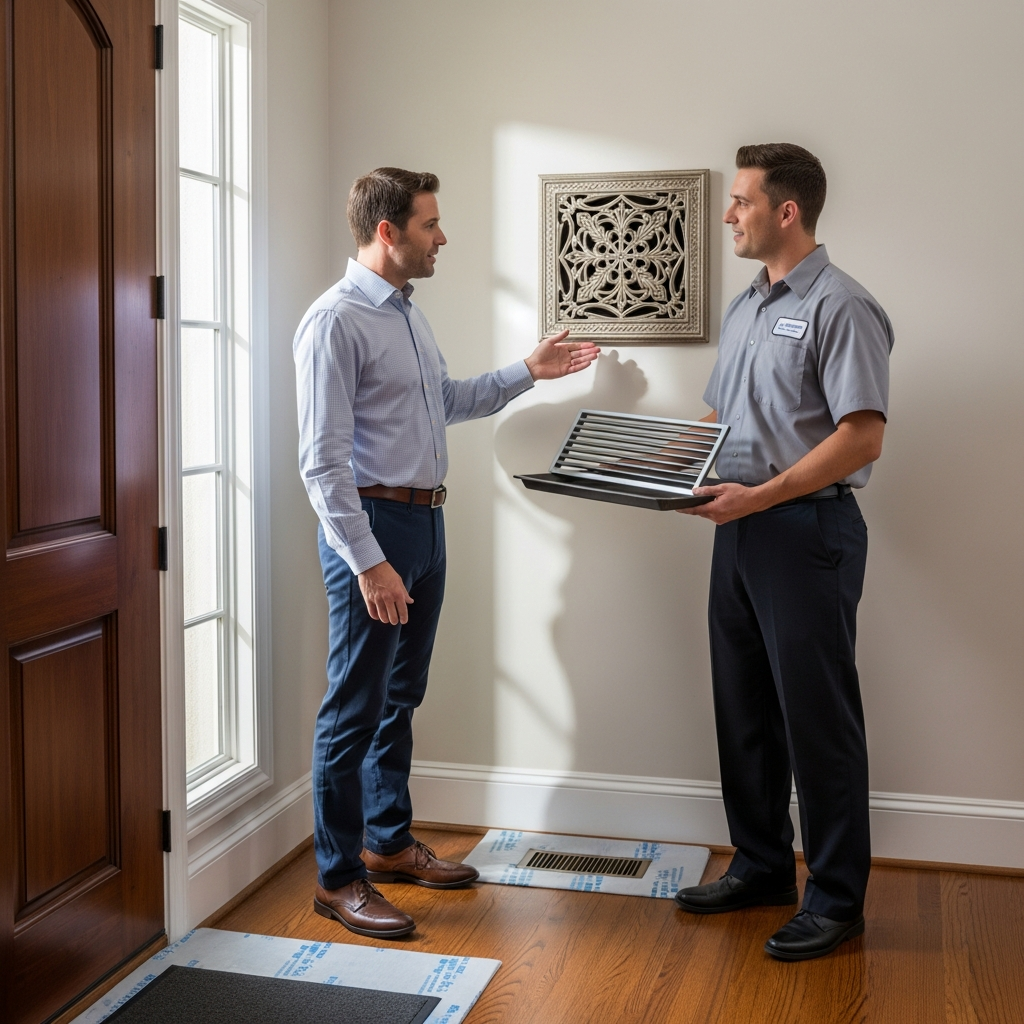
When you review a proposal, look for signs that the provider has considered this complexity. Do they reference zones, returns, and special components? Do they outline steps for protecting finishes around custom registers or vents embedded in cabinetry? These details show that the plan accounts for the real system you live with, not a hypothetical average one. You will feel that attentiveness later, when airflow is smoother and the operation quieter in rooms that used to feel just a bit off.
Home Environment and Lifestyle Inputs
Beyond the mechanicals, lifestyle and setting influence the service plan. Homes that welcome frequent guests, open to gardens, or include four-legged family members typically see more particulate movement. Likewise, hillside properties feel the effects of dry spells and wind-driven dust a little more. None of these factors are negative; they are simply realities of living well in our area. But they inform the cadence of maintenance and the care taken during a visit—how equipment is staged to avoid disturbing delicate finishes, how containment is set up to keep work areas tidy, and how communications are timed to respect your day.
If you split time between residences, these inputs also shape scheduling. A provider may recommend aligning service with your arrival so you can personally approve the walkthrough and see the results, or coordinating with your property manager so documentation is sent directly to you. The logistical clarity that comes with these choices is part of the overall value and helps ensure that decisions you make from afar feel as confident as the ones you make on-site.
What a Thorough Visit Entails
To make sense of a proposal, it helps to understand the contours of the work itself. After an initial survey, high-efficiency vacuum collection is attached at strategic trunk points to ensure a controlled, strong draw through the system. Agitation tools are chosen according to duct material—soft-bristle equipment for flexible or lined sections, and appropriately firm methods where metal ducts can tolerate them. Each register is removed, cleaned, and reinstalled with care. The cavities behind registers are addressed, and any required access panels are created neatly and sealed professionally upon completion.
Technicians also keep an eye on the health of the system as they go. They may note a loose connection, an insulation sleeve that has slipped, or a damper that does not appear to be opening fully. While these observations sit slightly adjacent to the act of cleaning, they are highly relevant; they give you a fuller picture of what your HVAC network needs to deliver the comfort you expect. When a proposal references inspection and documentation, this is what it means: you are not just receiving a single task; you are receiving insight.
Interpreting a Proposal Without Guesswork
Clarity in language is a hallmark of a trustworthy proposal. It will specify what is included, identify any conditions that could affect the day-of plan, and set expectations for how the team will protect your home. When you read terms like “complete system cleaning,” look for supportive descriptions—are both supplies and returns addressed? Are access points included or discussed as needed? These details prevent misunderstandings and help you compare providers on truly equal footing.
Pay attention to documentation and communication standards as well. Will you receive images where appropriate? Is there a point of contact who can answer questions before and after the visit? These elements might feel intangible in advance, but they are often the difference between a service that simply happens and one that leaves you satisfied and informed. In Beverly Hills, where stewardship of the home is personal, that difference matters.
Value Beyond the Day of Service
Residents sometimes frame questions about proposals in terms of outcomes rather than line items, and that perspective is wise. A thorough cleaning contributes not only to the day’s fresh feeling but also to a calmer HVAC operation over time. Reduced turbulence in airflow can quiet registers, and a clearer path through ducts supports consistent comfort from room to room. On the housekeeping side, surfaces near vents often stay cleaner longer, particularly during seasons when outdoor particulates ramp up. These are enduring benefits that reflect the value of doing the job carefully and completely.
There is also peace of mind. Documentation of conditions inside your ducts becomes a reference for future decisions. If you plan renovations or a refresh in a wing of the house, these records guide timing and coordination, ensuring that ductwork receives attention at the right moment rather than as an afterthought. A well-documented visit, aligned with your home’s rhythms, is part of a long-view approach to care that Beverly Hills homeowners consistently appreciate.
Midpoint Perspective: Evaluating Providers Confidently
As you weigh proposals, consider the human qualities that accompany technical skill: patience, communication, and a calm, methodical presence in your home. Seek teams that can explain their approach plainly and tie each step to a clear benefit you will feel. It also helps to review local references and understand how the provider approaches air duct cleaning within the context of our architecture and climate. These cues give you assurance that the proposal on paper will translate to a polished experience on the day of service.
Remember, you are not only commissioning a task; you are inviting ambassadors of craft into your living space. The way they stage equipment, protect finishes, and move through rooms is part of the value you receive. In Beverly Hills, that poise matters as much as the technical outcome, and it is worth looking for in every conversation leading up to the visit.
Timing and Cadence
Proposals often include recommendations for an ongoing rhythm. That cadence should align with your household’s realities—pets, open-air living, entertaining, and the microclimates of our hills and flats. Some homes will benefit from visits aligned with the seasons; others will prefer an annual review that coincides with other maintenance. Neither is categorically better; the right cadence is the one that supports your comfort without becoming a burden on your calendar.
Make space for the question of coordination as well. If you have a household team, a property manager, or a preferred time for work to be done, share those preferences openly. A proposal that integrates smoothly with your routines is a proposal designed to succeed, and that integration begins with scheduling and communication that respects the way you live.
Special Considerations for Architectural Detail
Many Beverly Hills residences showcase custom stone, rare wood veneers, and artistic metalwork. The presence of these details introduces a layer of care that should be acknowledged in any plan. Look for notes about protection—how technicians will shield surfaces, how they will reach high registers without marring walls or ceilings, and how they will reinstall grilles so they sit perfectly flush. The craftsmanship you value throughout your home should be mirrored by the craftsmanship of the service you engage.
Older properties require an additional measure of sensitivity. Original grilles may have unique fasteners or sizes that demand patient handling. Ducts retrofitted through plaster can require tools that agitate gently without abrading delicate interiors. When a proposal speaks to these realities, it is not adding complexity for its own sake; it is acknowledging the right way to work within a structure that has stood beautifully for decades.
What You Can Expect to Feel Afterward
The most gratifying part of this process is the lived result. After a meticulously executed cleaning, many homeowners describe a calmness in the way air moves through the house. Rooms equalize more gracefully, dust seems to settle less quickly, and even the background sound of the system fades into a softer presence. These are the hallmarks of work performed with care. They also serve as a reminder that indoor comfort is the product of dozens of small, intelligent choices made on your behalf during the visit.
In the days that follow, you may find that housekeeping feels easier and that family members with sensitivities experience calmer mornings. Your HVAC equipment also benefits when it does not have to fight particulates in the ductwork, operating more smoothly as the seasons shift. These are the enduring returns that contextualize a proposal and help you see it as part of a longer narrative of home stewardship.
Frequently Asked Questions
How do I compare two service proposals effectively?
Start by aligning scope: ensure both proposals address supplies and returns, specify access needs, and describe protection for finishes. Then compare communication standards—documentation, points of contact, and timelines. When scope and communication are equally clear, your choice becomes a matter of alignment with your expectations and the provider’s demonstrated professionalism.
What influences the timeline for a visit?
System size, complexity, and access are the primary factors. Homes with multiple zones, concealed returns, or high ceilings require additional planning and care. A provider should explain these elements during the walkthrough and reflect them in the proposed schedule.
Will the work disrupt daily life?
Experienced teams stage equipment thoughtfully and keep work contained. They coordinate around meetings, naps, or events, and maintain open communication to minimize disruptions. Most homeowners find the day proceeds smoothly, with rooms returned to order as each section is completed.
How often should this service be considered?
Cadence depends on household patterns and our local environment. Pets, entertaining, open-air living, and seasonal conditions all play a role. Your provider will suggest a schedule aligned with your realities rather than a generic timetable.
What will I notice most after the visit?
Common observations include quieter operation, more even room temperatures, and less dust settling on surfaces near vents. These subtle shifts add up to a more gracious, comfortable interior environment.
When you are ready to interpret proposals with confidence and enjoy a home that breathes with the quiet assurance Beverly Hills is known for, choose a team that communicates clearly, protects what you love, and delivers meticulous results. Schedule a visit on your terms and experience the difference that careful planning and execution make every day. To begin with proven, polished air duct cleaning that respects your home’s character from start to finish, connect with trusted local specialists and move forward with ease.