
Understanding What Shapes Air Duct Cleaning Cost in Beverly Hills
In Beverly Hills, where architectural character and modern comforts meet, homeowners often ask what truly goes into the price of an air duct project. The simple answer is that no two homes are alike, and that means no two cleanings are identical either. From the size of your residence to the complexity of the duct system, a variety of factors influence the final picture. Before numbers ever appear on a proposal, a thoughtful contractor will consider how your home is built, lived in, and maintained, then map out a plan that protects your indoor air and your finishes. If you are just starting to explore the process, it helps to understand the building blocks that shape the value of air duct cleaning and why a careful approach matters in Beverly Hills.
Think of the duct network as the lungs of the home. Over time, dust, dander, and miscroscopic debris settle and adhere to metal, fiberglass-lined, or flexible duct surfaces. The role of a professional cleaning is to remove that accumulation without damaging the ductwork or circulating contaminants into your living spaces. That careful balance—thoroughness paired with protection—requires planning, the right equipment, trained technicians, and a clear scope. The quality of that planning is really where the cost is built, not only in time on site but in the steps taken to safeguard your household while the work is underway.
Home Size, Layout, and Access
In Beverly Hills, homes range from compact, beautifully renovated bungalows to sprawling hillside estates. The number of supply registers, return grilles, and the length and branching of duct runs all contribute to the duration of the job. A single-story plan with a central air handler offers very different access than a multi-level residence with multiple systems located in tight attic chases or split between crawlspaces and rooftop mechanical rooms. The more time required to reach and service each segment, the more extensive the overall effort becomes. Access also includes safe placement of equipment, containment, and the route technicians will take through the home to stage hoses and tools without disturbing finishes or furnishings.
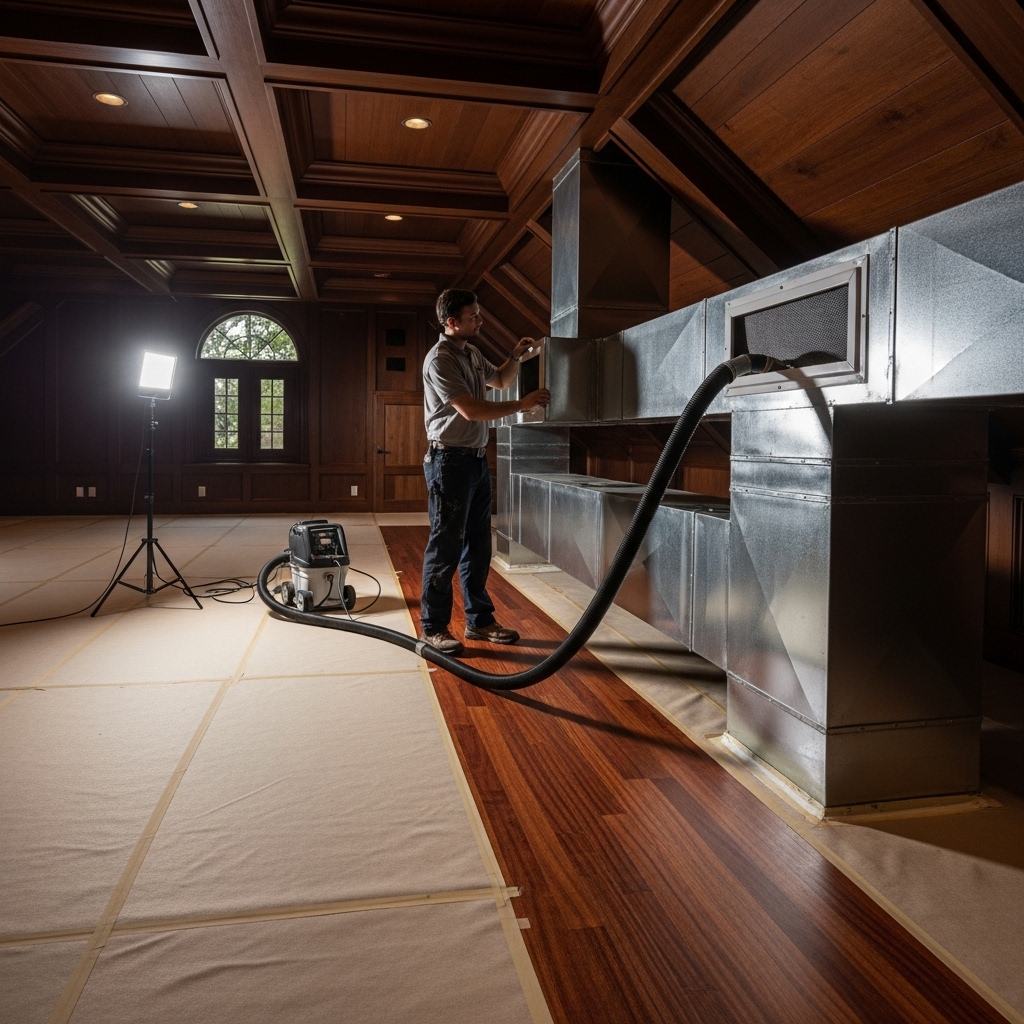
Even the simplest layout can include surprises. A long trunk line routed over a delicate coffered ceiling, a return duct concealed behind millwork, or a zone damper tucked high within a narrow chase means careful maneuvering. Experienced technicians will evaluate access during an initial visit, outline any challenges, and detail how they will protect surfaces and isolate work areas to control dust. That upfront planning minimizes disruption and is a key driver in creating a realistic timeline.
Duct Materials and Condition
The material of the duct system affects both technique and time. Galvanized metal ducts tolerate mechanical brushing and agitation well when used correctly. Flexible duct, common in many renovations and additions, requires a gentler approach to avoid tearing the inner liner or compromising the insulation. Fiberboard ducts demand specialized, low-impact methods to prevent damage to the internal surface. When a system includes a mix of materials, technicians need to adjust tools and settings repeatedly, moving at the pace that preserves the system’s integrity while still removing accumulated debris.
Condition matters just as much as material. Dust that has lightly settled along the interior surfaces behaves very differently than heavy accumulation that may include adhesive residues from candles or cooking oils. If a home has seen water intrusion, rodent activity, or past renovations that generated fine gypsum dust, expect the cleaning to be more involved. Every scenario calls for targeted handling, and that extra care and time is reflected in the plan presented to you.
Contamination Level and Hygiene Goals
Beyond ordinary dust and dander, some homes contend with specific challenges. Frequent entertaining can drive higher occupancy loads, bringing extra lint and particles into the air. Households with shedding pets see faster buildup at returns and in the filter cabinet. If someone in the home has allergies or sensitivities, the target cleanliness level may be higher than a standard maintenance cleaning. A thorough contractor will ask about household habits, health considerations, and recent remodels. That conversation shapes the methods chosen, whether more extensive agitation is used, how long negative pressure is maintained, and what level of containment and filtration is necessary to keep the process safe and effective.
When hygiene goals are elevated—say, because of a new baby, a respiratory condition, or simply a desire to maintain a refined indoor environment—the approach shifts toward finer detail. That can include extended time at the air handler cabinet, careful attention to returns where particles concentrate, and meticulous sealing of vents during work. Each of these adds minutes to the clock, and in a large home, minutes can aggregate quickly.
Equipment, Techniques, and Standards
Quality duct cleaning relies on a pairing of negative air collection and contact agitation. Think high-capacity vacuums with HEPA filtration, sealed to the ductwork, drawing debris out while brushes, air whips, or compressed-air tools dislodge buildup. The point is to remove, not merely loosen, contaminants. In Beverly Hills, where finishes are premium and expectations are high, containment and filtration are especially important. Protective floor and wall coverings, sealed register openings, and dedicated work zones are used to prevent cross-contamination. The time required to install and remove these protections is part of the total work plan.
Reputable providers also follow recognized industry standards for source removal and cleaning sequence. This means starting at the air handler and moving outward through supply and return runs, addressing the blower compartment, evaporator coil housing (without performing separate coil cleaning unless requested), and plenums as part of a coherent process. Such sequencing is designed for thoroughness and helps ensure a meaningful, lasting result between regular maintenance intervals.
Multiple Systems and Zones
Many Beverly Hills homes operate more than one HVAC system to serve different wings or floors. Each system includes its own air handler, return pathways, and supply network. Cleaning multiple systems during the same appointment is efficient from a logistics standpoint but extends the on-site duration. Technicians must set up and break down containment for each system, navigate different access points, and ensure that tools and hoses are routed safely between areas. Planning these transitions is part of a thorough proposal and is a significant component of the overall effort.
Zoning adds complexity, too. Motorized dampers and bypass ducts require careful handling. Registers associated with specific zones are opened and closed in a controlled sequence to move dislodged debris toward the vacuum connection without straining components. That orchestration takes know-how and attention, especially when zones are controlled by smart home systems that may need to be set to service modes during work.
Historic Details and High-End Finishes
Where a home showcases original plaster, delicate stone, custom millwork, or museum-grade art, the cleaning plan includes elevated protection measures. Even something as simple as mounting tape for plastic sheeting is chosen with care to avoid residue on specialty paints. In homes with interior design pieces arranged precisely, a team will document placement before moving anything, then restore each item to its original spot. Protective matting prevents dolly wheels from contacting valuable rugs or hardwood floors. All of this preparation takes time, and as you might imagine, it is time well spent to protect what makes a home extraordinary.
In some cases, technicians may recommend temporarily disabling certain smart systems, like motorized shades or sensitive alarm sensors, to prevent unintended triggers during work. Coordinating these steps with your household’s schedule is part of the service and contributes to the project’s total duration.
Inspection and Scope Definition
A clear scope starts with a careful inspection. Technicians evaluate the air handler cabinet, filter compartment, and accessible duct runs, sometimes using cameras to verify conditions where visibility is limited. They will note the number of supply and return openings, observe any unusual debris, and identify potential access points for tool insertion. The inspection process results in a written plan describing what will be cleaned and how. It also outlines preparation steps such as moving furnishings near return grilles, laying protective coverings, and isolating rooms where necessary.
In the middle of this planning, homeowners often ask whether a standard maintenance cleaning will suffice or if a deeper, restorative approach is warranted. The answer hinges on what the inspection reveals and on your goals for indoor air quality. A conscientious provider will explain the tradeoffs and help you understand the timeline associated with each approach, then detail how those choices impact the overall scope of air duct cleaning for your specific home.
Related Tasks That Influence the Plan
While air ducts are the focus, the surrounding components tell part of the story. The blower compartment often accumulates dust on accessible surfaces, and a thoughtful cleaning plan includes attention to these areas where appropriate. The evaporator coil housing and drain pan may need gentle vacuuming around the perimeter, taking care not to disturb fins or components. Grilles and registers are removed and cleaned, then reinstalled securely. If the filter cabinet has gaps that allow unfiltered air to bypass the media, technicians may suggest addressing that as part of the visit to enhance post-cleaning air quality. These adjacent tasks are about ensuring the system remains clean once the ducts themselves are refreshed.
In many Beverly Hills homes, dryer vent runs are long and sometimes routed through walls or ceilings. While separate from the HVAC ducting, homeowners occasionally coordinate dryer vent cleaning during the same appointment for convenience. Combining tasks has scheduling advantages, but it extends time on site, so it is considered in the overall plan should you choose to include it.
Condo, Townhome, and Estate Considerations
Every property type introduces its own logistics. In multi-unit buildings, access windows, elevator reservations, and parking arrangements can dictate the day’s rhythm. Technicians must plan how to stage equipment without blocking common areas and follow building requirements for protective coverings in corridors. Estates with detached guest houses or pool structures may require multiple setups and teardowns. Hillside lots can limit vehicle placement and extend hose runs, which affects how containment is established and how tools are staged. A thorough provider understands these realities and includes them in the planning narrative so expectations and timing align.
Even neighborhood factors play a role. If construction is underway nearby, fine dust can be elevated in the outdoor air, prompting additional measures to protect your home during the work. If access to mechanical rooms requires navigating narrow side yards or terraced landscaping, the team will outline a path that is both safe and respectful of your property.
Scheduling and Timing
Availability varies seasonally as households book maintenance around travel, holidays, or remodel timetables. Many Beverly Hills residents prefer work days that minimize overlap with events at home, and reputable providers do their best to accommodate those preferences. The total time for an appointment depends on system count, contamination level, and the protections needed to safeguard the space. Rather than setting an arbitrary duration, seasoned technicians will give you a realistic window and keep you updated as the day progresses. That communication helps you plan your day while ensuring the team has the time needed to do the job correctly.
Sometimes homeowners ask whether splitting the job across multiple days is wise. The answer depends on system count and household schedule. Breaking work into phases can be useful for very large residences or in cases where certain areas must remain undisturbed for a family event. Clear coordination keeps the service smooth and purposeful.
How to Evaluate Proposals Thoughtfully
Because quotes describe a process more than a commodity, read them as a story of how your home will be cared for. Look for a sequence that starts at the air handler and moves out through the system. See whether the plan mentions negative pressure, contact agitation, containment, and protection of finishes. Note the steps proposed for registers, grilles, and filter cabinets. Confirm that technicians will document conditions, often with photos where practical, to show what was done and what was found. When proposals read this way, you can compare apples to apples and choose the path that protects both air quality and your home’s character.
If you have unique features—historic plaster, special art installations, complex zone controls—ask how those will be handled. The clarity of the answer tells you a lot about the provider’s experience and the attention they will bring to your project. In Beverly Hills, those details matter and are part of what separates a cursory cleaning from a well-executed one.
What You Can Do to Prepare
Homeowners can help set the stage for a smooth appointment. Clearing areas around returns and air handler access points speeds setup and reduces the need for technicians to move furnishings. If you have special instructions about textiles, art, or sensitive electronics, share them during the walkthrough so the team can plan protections accordingly. Replace or have on hand the filters you intend to use after the cleaning, and discuss any questions about filtration levels. While these steps do not change the sequence of work, they streamline the flow and help ensure the final result meets your expectations for comfort and cleanliness.
It is also helpful to plan for pets. Even well-adjusted animals can become anxious around hoses and equipment. Setting pets up in a quiet area away from the work zone keeps them comfortable and lets the team focus on the task at hand. Technicians appreciate it, and your home stays calmer throughout the day.
Post-Cleaning Expectations
After a thorough cleaning, you should notice calmer dust levels, less accumulation on vents, and a more neutral smell when the system cycles on. The system’s airflow may feel steadier at the registers, especially if returns had been partially obstructed by lint or debris. If technicians identified any duct leaks, insulation issues, or bypass gaps at the filter cabinet, they will share those findings so you can decide how to address them. These items do not always require immediate action, but understanding them helps you prioritize future maintenance.
You should also receive documentation describing the areas serviced, methods used, and any notable observations. That becomes a reference point for future maintenance and helps you decide when to schedule the next cleaning based on how your household uses the space.
Frequently Asked Questions
What are the biggest factors that determine the scope of an air duct cleaning?
Scope is shaped by system count, home size, duct material and condition, contamination level, and access. Homes with multiple air handlers or complex layouts naturally require more setup and transitions. Flexible or fiberboard ducts need gentler techniques, which can extend the process. If debris levels are heavier because of pets, remodeling, or high occupancy, technicians spend more time on contact agitation and containment to remove buildup safely. All of those details combine to define the steps and time required.
Is there a difference between a maintenance cleaning and a restorative cleaning?
Yes. A maintenance cleaning targets light to moderate accumulation on interior surfaces and in the air handler cabinet, keeping the system in good condition between deeper services. A restorative cleaning addresses heavier buildup, sometimes after years of deferred maintenance or following a major remodeling project. The restorative approach typically involves more extensive agitation, longer time under negative pressure, and deeper attention to returns and plenums. The right choice depends on inspection findings and your indoor air quality goals.
How long does an average appointment take?
Duration varies with system count, home size, and access, but many single-system homes can be completed within a day. Larger homes or those with two or three systems may extend beyond a single day, especially when additional protections are needed to safeguard finishes or to coordinate around household schedules. Clear communication with your provider will give you a realistic window based on your specific conditions.
Will I need to leave the home during the work?
Most homeowners remain in the home during service, but it is wise to plan activities away from the immediate work zones. Containment, filtration, and sealed registers keep the process unobtrusive. Pets are typically most comfortable in a quiet room away from equipment. Your contractor can outline a plan that fits your day and keeps the household at ease while work proceeds.
Can air duct cleaning improve the feel of my HVAC system?
While cleaning is not a substitute for mechanical adjustments or repairs, removing debris from returns and supply runs can help restore designed airflow, especially in homes where filter bypass or heavy accumulation had restricted movement. Many homeowners report steadier airflow and less dust redistribution after a thorough service. Your technician can also point out any airflow imbalances observed so you can discuss them with your HVAC service provider if needed.
What kind of documentation should I expect?
Reputable providers deliver a clear summary of areas serviced, methods used, and any observations of note, such as minor duct leaks, insulation concerns, or unusual debris. Where practical, before-and-after photos may be included to illustrate conditions at accessible points. This documentation helps you plan maintenance and serves as a record of the system’s condition at the time of service.
Ready to Breathe Easier in Beverly Hills?
If you are considering a thorough cleaning plan tailored to your home’s design and lifestyle, speak with a local team that knows how to protect fine finishes while delivering carefully executed results. From the first inspection to the final walkthrough, thoughtful communication and respect for your space make all the difference. When you are ready to take the next step, reach out for expert air duct cleaning and enjoy a calm, fresh indoor environment with confidence.