
Living in Beverly Hills means balancing the serene with the unpredictable. On one day you might enjoy an onshore breeze that smells faintly of sea salt; the next, warm canyon winds might push dry air toward the coast. Each shift affects what moves through your home’s return grilles and into the ductwork that feeds your living spaces. Many of the common duct issues in Beverly Hills are rooted in the intersection of this coastal climate, unique topography, and the everyday realities of busy households. Understanding those issues is the first step toward solving them, and informed homeowners tend to notice improvements quickly once they address the root causes. This guide walks through the problems we see most often, explains why they occur here, and shows how strategic, professional air duct cleaning fits into the solution.
Salt-laden residue and the coastal film
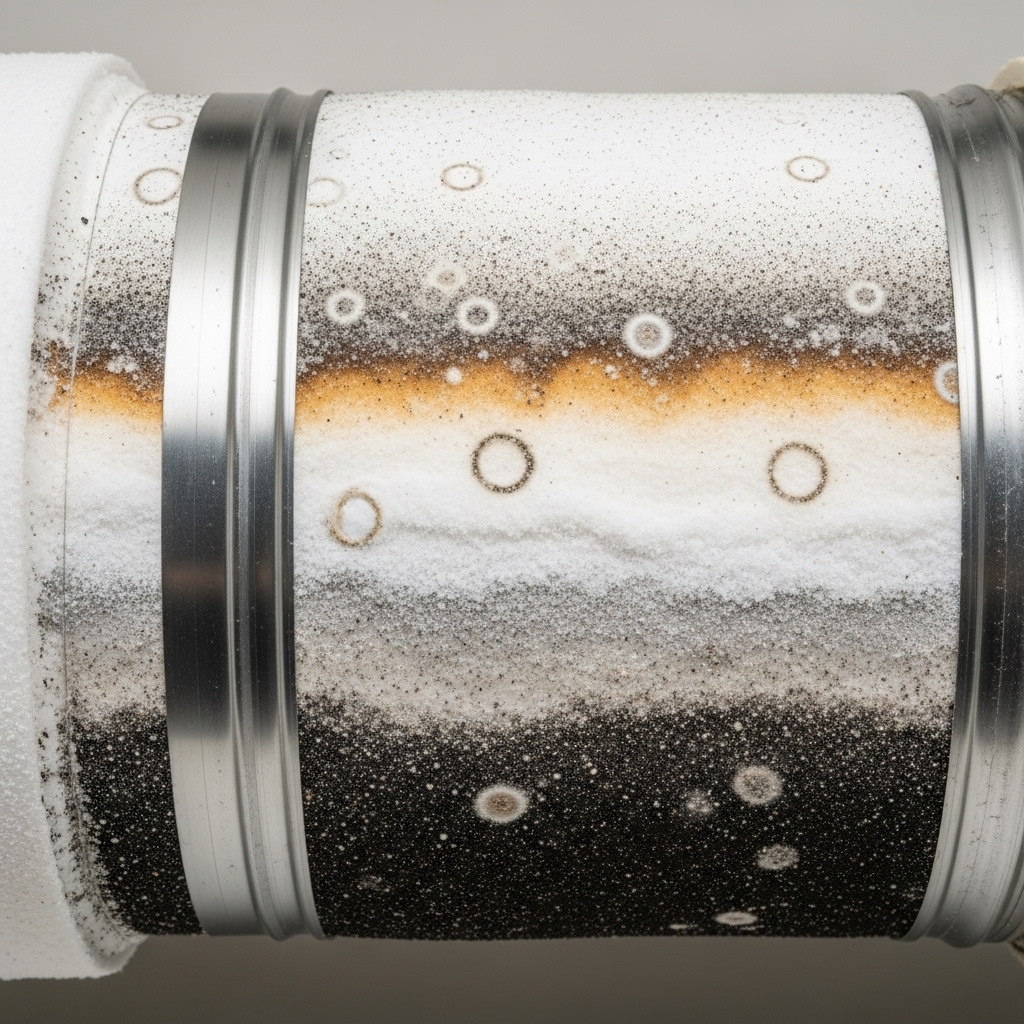
Sea salt doesn’t just live on decks and railings; under the right conditions it becomes a fine aerosol that travels indoors. Once inside, it mixes with ordinary dust to form a distinct film along duct walls and at register edges. This film is slightly tacky in humid marine layer conditions, encouraging more dust to stick. Over time, it embeds odors and can accelerate corrosion at seams, screws, and dampers. Homeowners often describe a faint briny scent when the system starts, or notice a grayish ring around supply registers. Cleaning removes this film and reveals early signs of corrosion so they can be addressed before they spread.
Because Beverly Hills homes frequently feature long runs to reach hillside or oceanfront rooms, friction losses can be significant. Even a thin salt-dust layer increases resistance enough to reduce airflow to distant spaces, making the system feel underpowered there. When that layer is removed, homeowners are often surprised at how quickly remote rooms synchronize with the rest of the house.
Wildfire soot and persistent odors
Regional wildfires are an unfortunate part of life in Southern California, and Beverly Hills is no exception. Even if flames remain far away, smoke can drift in and settle invisibly on interior surfaces. Soot is notoriously fine and sticky, and ducts provide many square feet of surface area for it to cling to. The result is a persistent smoky odor that deodorizing sprays cannot fully mask. Soot also darkens dust, so registers may look dirtier than usual shortly after a smoke event. Professional cleaning under negative pressure removes the soot-laden dust and helps strip the odor at its source. Pairing cleaning with filter changes and, when needed, coil cleaning helps the entire system reset.
It’s worth noting that smoke episodes often coincide with Santa Ana winds, when outside air is particularly dry. Dry air can loosen settled dust and push it forward, making the system seem dirtier than it was. That’s not your imagination; it’s a real effect that cleaning can correct by removing the underlying reservoirs.
Moisture pockets and microbial growth
While Beverly Hills isn’t a rainforest, the marine layer and proximity to the ocean can create microclimates with elevated humidity, especially in homes that keep windows open. In ductwork, even slight moisture can transform dust into a paste-like layer that harbors microbial growth. Homeowners sometimes report a mild musty odor at startup or around certain registers. The solution is twofold: remove the substrate through cleaning and manage moisture with proper ventilation and dehumidification as needed. Airtight ducts with intact insulation are less likely to form condensation, so inspection during cleaning is an opportunity to spot and remedy vulnerabilities.
Bathrooms and laundry rooms add to the equation. If exhaust fans are underused, moisture gets a free ride into returns. Improving exhaust habits reduces the load on ducts, and after cleaning, many households notice those stubborn damp odors subsiding.
Pests, dander, and everyday life
Our local wildlife occasionally tries to share indoor comfort. Small pests can access ducts through damaged screens or unsealed penetrations. While full infestations are uncommon, evidence like droppings or nesting material does occur, particularly in attic runs. Pets add their own signature to the system: dander and hair accumulate inside returns and can get pulled into ductwork. Left unchecked, these materials combine with dust to create a felt-like lining that acts as a long-term odor sponge. Cleaning removes it and allows filters to do their job with fresh material instead of constantly re-encountering old residues.
Households with active lifestyles—home gyms, frequent cooking, sandy feet from the beach—introduce bursts of particulates and odors. That’s part of life, not a problem to eliminate. The strategy is to prevent these inputs from settling permanently in ducts where they get re-circulated. Regular maintenance and periodic cleaning strike that balance.
Leaky ducts and the dust loop
Many Beverly Hills homes, particularly those with older renovations, exhibit small duct leaks in attics or crawlspaces. Leaks let conditioned air escape and allow dusty, unconditioned air to enter the system. This creates a loop where the system constantly pulls in debris, accelerating buildup. You may notice uneven airflow, hot or cold spots, or an unusual amount of dust near registers. Cleaning helps, but sealing leaks is the complementary fix that prevents rapid re-accumulation. During cleaning, technicians can often spot telltale signs of leakage, such as localized dust streaks on duct insulation or at joints.
Sealing doesn’t have to be invasive. Many leaks are at accessible connections that benefit from professional-grade mastic and reinforcement. Once sealed, the system keeps more of its air where it belongs—inside your home—and less dirt finds its way inside the ducts.
Construction dust and renovation aftermath
Beverly Hills’s homes evolve. Opening up view corridors, refreshing finishes, and reinforcing structures bring construction dust even to tidy sites. Fine particles from drywall, saws, and sanding are adept at evading plastic barriers and entering returns. Those particles then settle deep in ducts, where ordinary housekeeping can’t reach them. After remodeling, professional cleaning is essential to remove that hidden dust so it doesn’t undermine indoor air quality in your beautifully updated space. Many homeowners report that a room feels “complete” only after this final, invisible step.
Construction residues are more than a nuisance; some compounds can be mildly reactive, especially in salty air. Removing them protects metal surfaces and reduces the chance of odors that linger far longer than the last contractor truck.
Airflow imbalances and comfort drift
When ducts collect debris, the system’s balance changes. Rooms at the end of long runs suffer first, often becoming warmer in summer and cooler in winter than they should be. Homeowners respond by adjusting thermostats lower or higher, which increases run times and energy use. Cleaning restores airflow paths and lets the thermostat do its job without overcorrection. In zoned systems, cleaner ducts help dampers move freely and sensors read accurately, addressing comfort drift without invasive adjustments.
Sometimes the simplest evidence is sound. A blower that used to run quietly may start to hum a little louder as it works harder. After cleaning and filter optimization, many households notice the soundscape softening, a subtle sign that airflow resistance has dropped.
How professional cleaning addresses Beverly Hills’s issues
Effective cleaning is a controlled operation. Technicians establish negative pressure so dislodged debris moves into sealed filtration, not back into your rooms. They use agitation tools matched to duct type—soft brushes for delicate materials, more assertive tools for rigid metal—focusing on both supply and return sides. Registers, boots, and grilles are removed and cleaned; returns receive special attention because they accumulate more dust. For Beverly Hills homes, extra care goes to sections affected by salt exposure and any areas with signs of soot or moisture. The goal is to leave not just clean surfaces, but a system that breathes freely and evenly.
Cleaning also provides visibility. With debris removed, it’s easier to spot minor leaks, insulation gaps, or early corrosion. Addressing those issues right away prevents small annoyances from becoming chronic complaints. Once cleaned and tuned, the system often feels transformed—quieter, more responsive, and free of the faint odors that used to mark the first minutes of every cycle.
Preventive steps that make a difference
Between cleanings, think in terms of gentle, consistent habits. Keep returns clear and vacuum the surrounding wall or floor area, where a halo of lint tends to collect. Replace filters on schedule and choose models that strike the right balance between particle capture and airflow. Use kitchen and bath exhausts to reduce moisture and cooking aerosols. During wind events, close windows on the windward side to reduce the load on the system. These steps don’t replace cleaning, but they slow the pace at which issues build, giving you more stable comfort for longer periods.
For homes that sit closed for part of the year, plan an inspection before peak occupancy. Stagnant air encourages dust to settle, and odors concentrate when ventilation is minimal. A pre-season cleaning resets the system so guests arrive to clean, neutral air rather than the telltale scent of a home that’s been sitting.
Middle-of-the-road fixes vs. lasting improvements
Some homeowners try to mask odors with fragrances or increase filter MERV ratings to compensate for duct issues. While those approaches can offer temporary relief, they often add new problems. Fragrances layer over existing odors rather than removing them, and overly restrictive filters can starve airflow, causing the blower to work too hard. The lasting improvement comes from removing the accumulated material inside ducts and addressing leaks or moisture sources—actions that restore your system’s design conditions rather than fighting against them.
Working with professionals who know Beverly Hills
Experience matters, particularly in a coastal market with hillside microclimates, ocean exposure, and wildfire history. Ask providers how they handle salt residue, soot, and moisture pockets. Look for a methodical approach, careful containment, and high-efficiency filtration. In homes with valuable finishes and art, expect extra care around registers and returns to protect surfaces. Communication should be clear: what they found, what they removed, and what they recommend next. That transparency helps you integrate cleaning into broader home care and prevents surprises later.
FAQ
Why do my ducts smell briny or musty at startup?
In Beverly Hills’s coastal environment, salt aerosol and moisture can combine with dust to form a film that absorbs odors. When the system starts, air dislodges some of those molecules. Removing the film through professional cleaning typically resolves the issue.
How does wildfire smoke affect my ducts?
Smoke deposits fine soot that sticks to dust inside ducts and creates persistent odors. Cleaning under negative pressure removes soot-laden dust and, with fresh filters, helps reset indoor air quality after smoke events.
Can cleaning improve airflow to distant rooms?
Yes. Even a thin layer of debris increases friction and reduces airflow. Removing it restores intended performance, which many homeowners experience as more even temperatures and shorter run times.
What if I have flexible ducts?
Flexible ducts can be cleaned safely with gentle agitation and proper suction. Experienced providers tailor techniques to the material to avoid damage while removing buildup.
How do I prevent rapid re-accumulation after cleaning?
Replace filters on schedule, use exhaust fans to reduce moisture and cooking aerosols, and address any leaks identified during cleaning. These steps slow buildup and keep air fresher longer.
Your Beverly Hills home deserves air that feels as refreshing as the breeze outside. If you’ve noticed odors at startup, dust near registers, or rooms that don’t condition like they used to, it may be time to address the root causes inside your ductwork. Schedule professional air duct cleaning with a team that understands Beverly Hills’s unique conditions, and enjoy cleaner air, smoother airflow, and comfort that keeps pace with coastal life.