
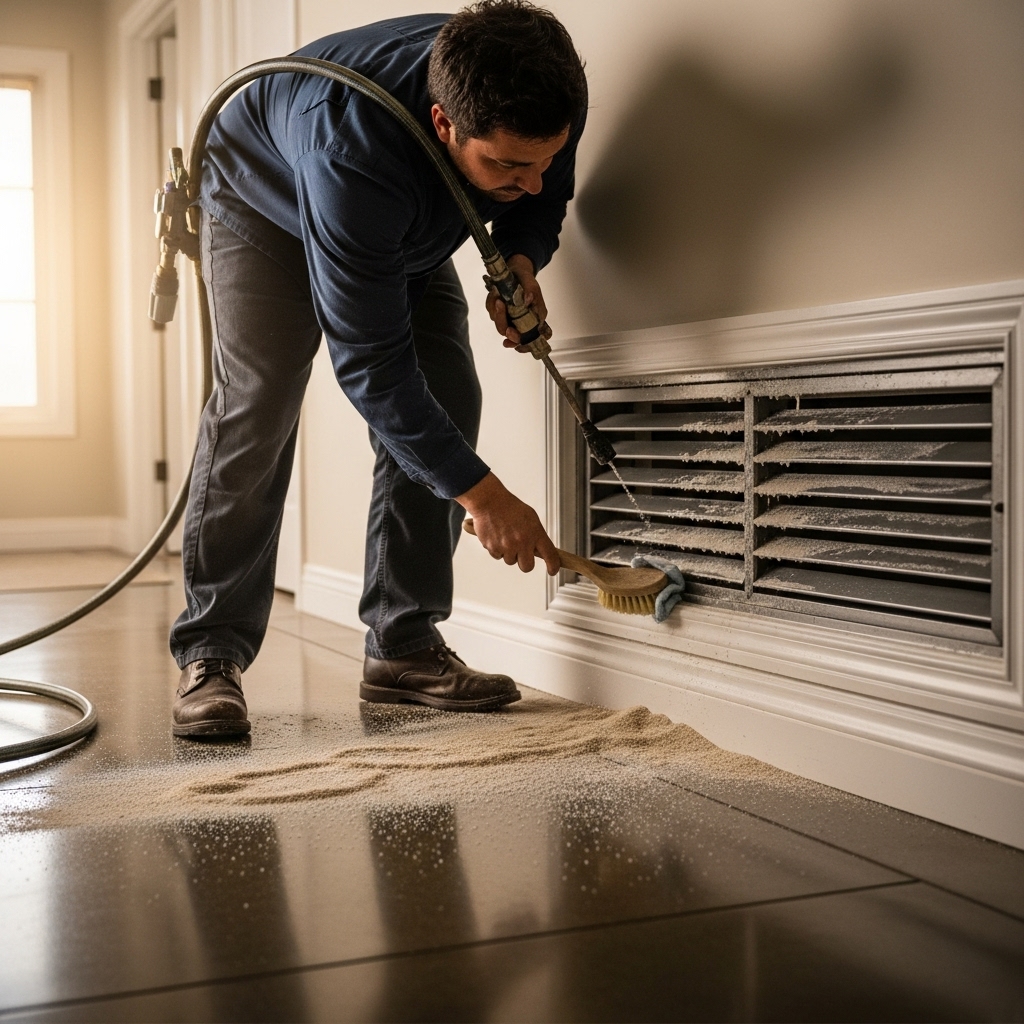
Every Beverly Hills home has a signature: the view through the windows, the way the afternoon light hits the floors, the sound of the ocean or the rustle of canyon oaks. But there’s a quieter signature that matters just as much—the way the air feels and smells when the HVAC fan turns on. After years of working in local residences, I’ve seen a handful of recurring ductwork issues that show up from Point Dume to the canyons. Understanding these patterns explains why timely air duct cleaning makes such a difference in how your home functions and feels.
While every house is unique, Beverly Hills’s environment imposes some common rhythms. Salt-laden breezes, morning fog, gusty afternoons, and periodic smoke all pass through the same envelopes that keep your home comfortable. If seals aren’t tight, filters are overdue, or ducts have been neglected for years, those rhythms show up as dust, odors, and uneven comfort that become hard to ignore.
Salt, Sand, and a Sticky Film
Homes near the water see a fine salt mist that drifts inland and settles on exterior surfaces. When windows are open, or returns are close to entryways, some of that mist finds its way inside. Over time, salt can interact with airborne oils and everyday dust to form a slightly sticky film on duct walls and registers. That film traps more debris, accelerates discoloration around vents, and can make air feel heavier at start-up.
Cleaning removes this film and the layer of dust bound to it. Afterward, registers look brighter, and air feels lighter. You may also notice that the faint salty tang that sometimes accompanies the first few minutes of airflow disappears, especially on humid mornings when the marine layer is in.
Wildfire Residue and Lingering Odors
Even distant fires can leave their mark. Ash floats far, and smoke odors penetrate porous materials. If duct interiors are dusty, they provide a perfect surface for ash to adhere. Weeks later, when the skies are clear, you may still catch a whiff of smoke when the fan kicks on. That’s because particles remain inside the system unless they’re physically removed under containment.
A thorough cleaning under negative pressure captures the particulates rather than redistributing them. Pairing the service with a filter upgrade and a quick check for return leaks keeps the system from drawing in contaminated attic or garage air that would reintroduce odors.
Construction Debris from Remodels
Beverly Hills homes evolve. Renovations add windows for better views, move walls for smarter flow, and upgrade kitchens that see constant use. Construction brings drywall dust, sawdust, and fasteners. If registers aren’t sealed during work, it’s common to find debris lodged in the first few feet of duct runs or scattered across the plenum. The result is gritty noise at start-up, reduced airflow, and a persistent dusty smell that housekeeping can’t solve.
Cleaning after remodels is one of the most satisfying jobs because the difference is immediate. The system stops spitting dust, airflow steadies, and rooms feel more “finished,” aligning with the visual upgrades you just invested in.
Moisture, Microbial Film, and Musty Notes
Marine air and cool evenings mean higher humidity, especially in shaded canyons and homes with lots of plants. When moisture condenses on or near the coil, nearby surfaces can stay damp long enough for a light microbial film to develop. While this is not the same as a serious mold problem, it creates musty odors and provides a base for dust to stick.
Cleaning removes that film and the dust riding on it. Follow-up steps—like ensuring good condensate drainage, confirming proper refrigerant charge, and maintaining reasonable indoor humidity—help keep the issue from returning. Many homeowners tell me the house “smells like itself again” after this type of service.
Pests and Intrusions
In canyon neighborhoods, rodents sometimes find their way into attics and crawlspaces. If ducts have gaps or damaged sections, evidence shows up inside: nesting materials, droppings, and chewed insulation. Beyond the immediate hygiene issues, nests act like airflow obstructions that rob downstream rooms of comfort.
A proper cleaning includes documenting what we find and coordinating with pest control and duct repair when needed. Once the path is sealed and debris removed, airflow normalizes, and the system can do its job without the extra strain and noise those obstructions create.
Return Leaks Pulling in Dirty Air
Many Beverly Hills homes hide returns in closets or hallways. If doors don’t seal well or penetrations aren’t caulked, the return side can pull dusty air from places you never intended. That dust doesn’t just settle inside the ducts; it blankets the blower, spreads across the coil, and increases the dust you see on shelves and floors.
Cleaning is the first step. The second is addressing those leaks with simple sealing during the same visit. Together, these steps reduce the chance of re-contamination and make your filters last longer without clogging prematurely.
Uneven Comfort and Noisy Vents
Debris tends to collect at elbows, transitions, and dampers—the very spots that shape airflow. When those areas get dirty, they whistle, rumble, or boom on start-up. At the same time, downstream rooms lose airflow and feel a degree or two off. After cleaning, homeowners often remark that the system sounds calmer and rooms “find each other” again on the thermostat.
This is a subtle but meaningful quality-of-life improvement. Quieter operation means fewer distractions, and consistent temperatures make living and working from home feel more effortless.
Filter Bypass and Premature Clogging
Improperly seated filters allow air to bypass the media, carrying dust downstream into the duct network. Even a small gap can undo the benefits of a high-MERV filter. Once bypass dust accumulates, registers discolor faster and surfaces need constant attention. During cleaning, we look for these installation issues and correct them so your new clean baseline lasts.
We also talk about filter cadence. In homes close to the beach or with pets, filters may need attention more often than you expect. Keeping a few on hand makes it easy to swap them at the right intervals without a special trip.
Why Professional Methods Matter
Most of the problems described above can’t be solved from the register face with a household vacuum. Debris must be agitated and collected under negative pressure so it moves toward the vacuum, not into rooms. Registers and returns need to be removed and cleaned, not just wiped. Photos or video help confirm results and document issues like gaps, damaged insulation, or leftover construction materials so they can be addressed.
That’s why it pays to schedule professional air duct cleaning rather than piecemeal fixes. A coordinated, whole-system approach prevents re-contamination and sets you up for months—often years—of easier living.
What to Expect After Cleaning
Most homeowners notice a fresher smell at start-up, less dust on surfaces, and quieter vents. Rooms that lagged a degree or two behind often fall into line. If odors were a concern, they typically fade within a day as the home’s normal scent returns. It’s also common to find that housekeeping feels easier because dusting and vacuuming hold longer between sessions.
From there, we usually recommend small tweaks—better door sweeps on return closets, simple sealing around penetrations, and a filter that fits your lifestyle. These details ensure your ducts stay clean longer and your system continues to perform quietly and efficiently.
Frequently Asked Questions
How do I know if my Beverly Hills home has return leaks?
Signs include dust accumulating around return grilles, dark streaks on walls near the return, and filters that look dirty around the edges while the center stays relatively clean. A quick inspection during cleaning can confirm and correct the issue.
Can duct cleaning help with smoke odors from past fire seasons?
Yes. Removing the dust that traps odor molecules helps significantly. In homes close to heavy smoke, pairing cleaning with improved filtration and checking for return leaks delivers the best outcome.
Is flexible ducting more prone to problems?
Flexible duct is common and performs well when supported correctly. Over time, sags and kinks can develop that collect debris and reduce airflow. Cleaning combined with minor support adjustments often resolves both dust and comfort complaints.
What if I recently remodeled?
If registers weren’t sealed during work, it’s wise to schedule a post-project cleaning. Construction dust is fine and pervasive; removing it prevents persistent odors and protects motors and coils from premature fouling.
Will cleaning damage my ducts?
When performed by trained technicians using appropriate tools, cleaning is gentle on duct materials. The process is designed to capture debris without scraping or stressing the duct walls.
If you’re ready to silence noisy vents, clear out hidden dust, and restore the clean, calm feel your home deserves, reach out to a local expert and schedule air duct cleaning today. Your Beverly Hills home will reward you with fresher air, steadier comfort, and a quieter backdrop to everyday life.