
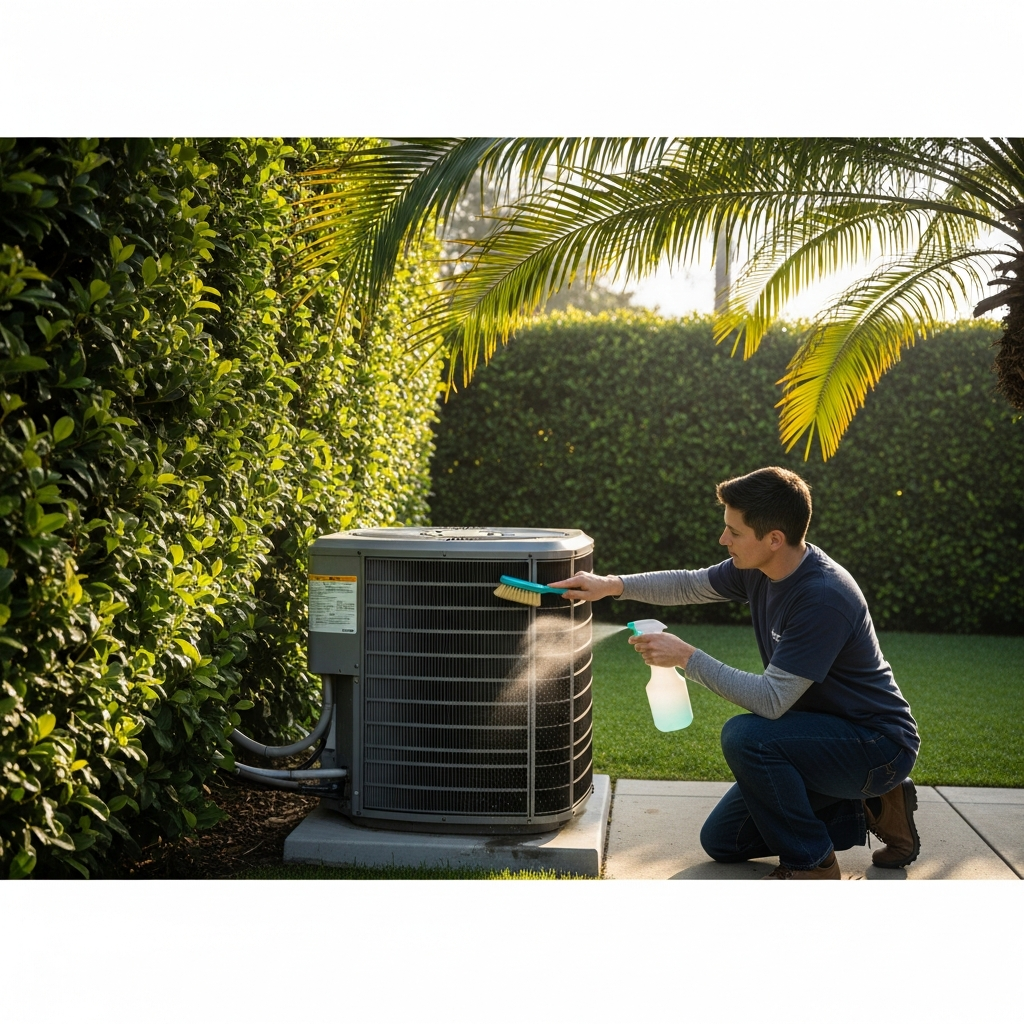
Seasonality in Beverly Hills is subtle to the eye and profound to the home. We move from soft marine mornings to crisp, dry afternoons, then slide into the radiant warmth of late summer when evenings hold the day’s heat well past sunset. In that arc, your AC plays different roles—sometimes idling, sometimes sprinting, always expected to be refined and quiet. The best way to honor those expectations is to build a maintenance routine that follows the seasons. Placing professional air conditioning maintenance at the right moments keeps comfort consistent and avoids the scrambles that too often define peak season.
As a local technician, I think in terms of windows of opportunity. There is the window before spring turns to summer, when systems are cool and accessible; the window in midsummer, when real loads reveal truths you cannot see in mild weather; and the window after the rush, when a thoughtful cleanup sets the stage for a calmer fall. Each step has its own purpose, and together they create a rhythm that makes comfort feel natural, not negotiated.
Early Spring: Preparation Without Pressure
Spring maintenance is about positioning the system for success before it is urgently needed. Temperatures are friendly, equipment is not overheated, and technicians have the time to be meticulous. This is the moment to confirm airflow, clean coils thoroughly, verify refrigerant behavior under a controlled test, and ensure condensate paths are pristine. When dust from winter winds hides in returns or attics, it is discovered and removed, not left to choke the first warm-week performance.
In Beverly Hills, spring also coincides with landscaping and exterior upkeep. It is wise to coordinate so that outdoor work does not re-clog a freshly cleaned condenser. A quick follow-up rinse after heavy trimming protects the gains of a careful cleaning. Inside, this is the perfect time to align thermostat strategies with how you plan to live in the months ahead—especially if guest rooms will see more use or if you intend to entertain.
Early Summer: A Smooth Launch
The first wave of heat reveals how well preparation worked. A system that was tuned in spring should start confidently, reaching setpoints without dragging. If anything feels off—long runtimes, uneven rooms, or uncharacteristic noise—address it immediately. Early correction prevents stress later, and minor tweaks now save you from mid-August dramas. This is also when upgrading filters makes sense, especially if you anticipate pollen or smoke.
The transition into early summer is your chance to set the tone. When the system launches well, it tends to stay well. When it struggles out of the gate, it fights all season. Maintenance at this stage is essentially quality control for the months ahead.
Midseason: Fine-Tuning Under Real Load
By late July, the system has a story to tell. It has run in different conditions and served the patterns of your home—quiet mornings, lively dinners, travel days, and late returns. Midseason maintenance listens to that story. Technicians measure performance under actual heat, verify that coils remain clean, and confirm electrical health after weeks of steady operation. Float switches and drains are tested again because algae find their stride precisely when you are too busy to think about them.
For homes with multiple systems or zones, this is the time to address imbalances that have surfaced. Perhaps a guest wing needs more attention now that it sees regular hosting, or an office runs warmer as afternoon sun angles shift. Small adjustments—damper positions, return strategy, or thermostat calibration—make a large difference when tested against real, midseason loads. If your calendar fills as summer peaks, booking professional air conditioning maintenance during a midseason lull is the most efficient way to keep momentum.
Late Summer: Guarding Against Wear
The hottest stretch concentrates wear on electrical components and magnifies any airflow shortcomings. A late-summer check focuses on those stress points. Capacitors are measured, connections tightened, and fan performance confirmed so that the system does not stumble right when you need it. Condensate systems get special attention, because a slow drain can turn into a late-night overflow precisely when evenings are busiest.
There is also a comfort quality that belongs to late summer: nights that never fully cool and interiors that need subtle dehumidification as you keep doors opening to the garden. A well-tuned system manages those nuances—holding a steady, pleasant feel without over-cooling and without the sticky sensation that arrives when moisture removal lags behind.
Early Fall: Reset and Recover
As the calendar turns and temperatures soften, give the system a chance to reset. A post-peak maintenance visit is like a cool-down after a long run. Coils are cleaned of the film that accumulates over months, filters are swapped for the fall and winter air you will breathe with windows closed, and drains are cleared so moisture is not trapped anywhere it can spawn odors. Electrical readings are taken again to log end-of-season baselines, creating a record that helps predict needs next year.
Early fall is also a planning moment. If your system suggested that ducts could use seal work or that a return is poorly placed, you have the luxury of time to consider improvements. Off-peak corrections are gentler on schedules and help you start the next season stronger.
Winter: The Quiet Interval
Winter is a lull for cooling equipment but not a reason to ignore it. Even light use benefits from periodic walkthroughs to ensure dust is not building in returns and that smart thermostats remain updated and calibrated. If you travel, confirming setback strategies and verifying that sensors and connectivity are stable protects the home while you are away. For heat pumps, winter care matters even more, as the system is actively providing warmth and maintaining humidity.
Consider winter the time to reflect on comfort goals and to schedule any non-urgent improvements discovered during the year. It is the season for duct refinements, insulation checks near mechanical areas, and training the household on best practices that make the most of the equipment you have.
Aligning Maintenance With Your Lifestyle
Seasonal plans work best when they match how you live. If the home hosts frequent gatherings, plan a quick filter check after major events. If you spend weeks at a time elsewhere, coordinate service so equipment is verified before you depart and again when you return. If a particular room is a personal sanctuary—studio, library, primary suite—prioritize its comfort during maintenance conversations so that airflow, sensor placement, and schedules support your daily rituals.
Every house tells its own story. A single-level modern with expansive glass behaves differently than a traditional two-story with shaded eaves. Maintenance that listens to those differences and adapts them across the seasons yields comfort that feels tailored rather than generic.
What Technicians Watch for Each Season
In spring, the focus is cleanliness and baseline performance; in midsummer, it is stress points and drains; in late summer, it is electrical resilience and airflow that has drifted during heavy use; in fall, it is restoration and documentation. Across all seasons, we watch the small signals: how quickly supply air cools on startup, whether fan ramps are smooth, whether a return grille whistles after a furniture change, and whether a room that was perfect last year now lags by a degree. These small cues, tracked over time, let us make surgical adjustments rather than broad guesses.
Documentation is part of the craft. Measured readings captured at different times of year become a record that informs next steps. When we see trends—static pressure creeping up, temperature splits changing—we know when to recommend deeper investigation. That is how seasonal care evolves from a schedule to a strategy.
Design Sensitivity and Discretion
One of the quiet truths about Beverly Hills is that many systems are designed to disappear: hidden grilles, concealed air handlers, and condensers tucked out of sight. Maintenance respects that intent. We work in a way that preserves finishes and keeps mechanical sounds to a minimum. Coil cleaning and access are done carefully to avoid bending fins or disturbing surrounding materials. The result is not only performance, but also preservation of the architecture’s voice.
Discretion also applies to timing. Many households juggle multiple calendars, and service must fit without disruption. Seasonal planning makes that possible, because appointments are proactive rather than urgent. The difference shows up in calmer homes and smoother days.
Frequently Asked Questions
How many maintenance visits do I need each year?
Two core visits—spring and late summer—work well for most homes, with a midseason check added for properties under heavy use or near dust sources. Each visit has a different focus, and together they form a complete picture of your system’s health across the year.
Is midseason service really necessary?
It is not always necessary, but it is often the best time to catch issues under real load. Heat reveals what mild days hide. A short midseason visit can prevent the late-summer hiccups that occur when components are most stressed.
Will seasonal maintenance help with indoor air quality?
Yes. Timely filter changes, coil cleaning, and condensate care reduce dust, odors, and allergens. Pairing maintenance with the right filter strategy for wildfire season and pollen patterns yields cleaner, more comfortable air.
What about smart thermostats—do they change the schedule?
Smart controls improve convenience, but they do not replace seasonal care. In fact, they perform best when the mechanicals are tuned. Seasonal checks validate sensor accuracy, confirm connectivity, and align schedules with how your household actually lives through the year.
Can I shift maintenance if I travel?
Absolutely. If you are away during a usual service window, schedule just before departure and again after your return. The priority is consistency and alignment with real usage, not strict adherence to a date on the calendar.
How do I know if late-summer service is urgent?
Signs include longer runtimes, warmer-than-usual rooms in the afternoon, new noises at startup, or moisture near air handlers. Late summer is when small issues become big ones; addressing them promptly protects comfort during the hottest stretch.
Will seasonal maintenance extend equipment life?
Yes. By keeping coils clean, drains clear, electrical components healthy, and airflow within design, you reduce strain on the compressor and fans. Less strain means fewer failures and a longer, more graceful lifecycle.
If you want each season to feel effortless, put your maintenance on the calendar now. Choose dates that match your lifestyle, keep records so each visit informs the next, and enjoy a home that stays composed no matter what the weather decides to do. To simplify the process and work with a team that understands our city’s rhythms, schedule your next air conditioning maintenance today and give yourself a smoother, cooler year ahead.