
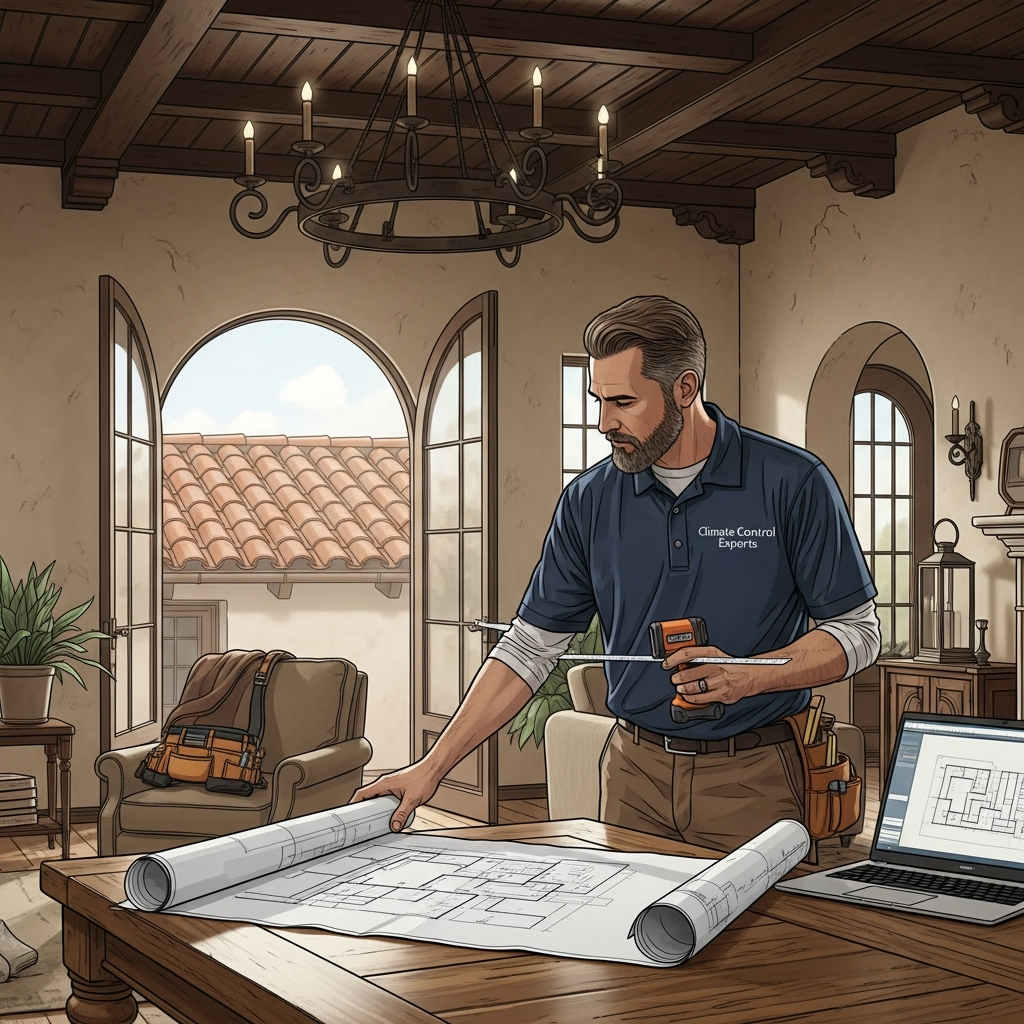
Conversations about home cooling in Beverly Hills often begin with a vision: steady, quiet comfort that flows room to room, no matter how the sun arcs across the sky or how many friends gather for a late dinner. When families ask about the cost of installing a new system, they are really asking about a design that respects architecture, nurtures well-being, and performs day in and day out. In the first steps of planning, it helps to understand the fundamentals of modern air conditioning so you can evaluate proposals and speak the same language as your contractor.
In a city with diverse home styles—from Spanish Revival estates with thick stucco walls and clay tile roofs to contemporary glass residences that blend indoors and out—the path from idea to installation is shaped by space, structure, and lifestyle. The cost conversation is therefore a conversation about choices: where equipment will sit, how air will travel, and what features matter most to you. Instead of thinking in abstract numbers, picture the way you live and how your home breathes. The system you choose should align with that rhythm.
Design starts with load, layout, and lifestyle
Any credible installation plan begins with a heat load analysis tailored to your home’s size, orientation, window types, insulation levels, and occupancy patterns. This is not a guess; it is a calculation that ensures the equipment can meet your comfort goals without overworking or short cycling. In Beverly Hills, where hillside homes may receive intense afternoon sun and The Flats can benefit from mature shade trees, the results can vary block by block. Your daily routine matters too. If you work from home in a sunlit office, or host evening gatherings on the patio, zoning and capacity choices should reflect that.
The duct system, often hidden but vital, is the quiet backbone of comfort. Existing ducts may be reused if they meet airflow, sealing, and insulation standards, but many older homes benefit from thoughtful rework: adding returns for balanced pressure, resizing certain runs, and sealing leaks that waste energy and reduce comfort. A well-designed duct system lets your equipment breathe easily, run quietly, and deliver even temperatures without drafts.
Equipment choices that shape the project
Today’s systems offer a spectrum of features: variable-speed compressors that modulate for whisper-quiet operation, advanced air filtration for better indoor air quality, and smart controls that integrate with whole-home automation. In Beverly Hills, homeowners often expect refined performance and sleek integration. Outdoor condenser placement is therefore not just a technical decision but an aesthetic one. Side yards, rooftops, and concealed alcoves are common locations. Each option carries different needs for structural support, service access, and noise considerations.
Noise is more than a minor detail in neighborhoods where patios and pool decks host daily life. Equipment selection and placement should respect those gathering spaces. Manufacturers publish sound ratings, but site conditions—surface reflections, landscaping, and proximity to hard walls—also affect how sound is perceived. A thoughtful plan considers neighbors as well, especially in dense blocks where backyards meet.
Electrical, controls, and the details that matter
Behind every smooth installation is a tidy electrical plan: properly sized circuits, clean disconnects, and neat conduit runs that blend with the architecture. Inside, the thermostat or control interface should suit how you actually adjust comfort, not just what looks good on the wall. Some families prefer a simple, intuitive interface; others want app-driven scheduling and integration with automation scenes. Either approach can work beautifully when the installer understands your habits and sets up the system accordingly.
Controls also include zoning where appropriate. A two-story home with bedrooms upstairs and entertaining areas downstairs might benefit from separate zones, allowing gentle cooling where people are and quieter operation elsewhere. Done well, zoning reduces unnecessary run time, supports even temperatures, and can extend equipment life by preventing constant, full-output operation.
Permitting, access, and the rhythm of a Beverly Hills installation
Every city has its process, and Beverly Hills is precise about safety, aesthetics, and equipment screening. A trusted local contractor will guide you through permitting, coordinate with any homeowners’ association, and schedule work to respect your routine. Access matters here. Some equipment rooms are tucked behind discreet doors, and rooftop installations can require coordinated crane time and temporary street access. A good plan accounts for these realities so work proceeds predictably and respectfully.
Inside the home, dust control and clean workmanship are essential. Registers are protected, pathways are covered, and the work area is tidied at day’s end. In residences with special finishes or art collections, extra steps—like temporary partitions or soft protection at narrow passages—are worth discussing in advance. The right team treats the project like a collaboration, balancing craftsmanship with an awareness of your home’s character.
What influences installation cost without mentioning numbers
When homeowners ask about cost, they are really asking which decisions move the project simpler or more complex. Factors include whether existing ducts can be reused or require reconfiguration, how far the refrigerant lines must run, whether structural work is needed for rooftop placement, and the level of control sophistication you want. Equipment efficiency and features also shape the investment: variable-speed units, advanced filtration, and integrated dehumidification enhance comfort and quietness but require precise setup and testing.
Another subtle factor is access. Narrow side yards, limited attic clearances, or concealed mechanical rooms can increase labor effort. Conversely, a home designed with service access in mind can speed the process. None of these details are barriers; they are simply part of the planning that ensures a system will serve quietly and reliably for years.
Bringing aesthetics and performance together
It is natural to want the equipment to disappear. Skilled installers work with your design goals: painting line sets to match exterior finishes, using low-profile line hide channels, and planning condensate routing that protects finishes while remaining discreet. Indoors, supply registers and return grilles can be chosen to complement interior design without compromising airflow. The art is in making these choices early so that performance and aesthetics support each other rather than compete.
As the project moves from design to installation day, communication is the thread that holds it together. A clear schedule, daily check-ins on progress, and transparent explanations of any discoveries ensure you stay confident and engaged. When the system powers on for the first time, commissioning should include measured verification of airflow, temperature splits, and controls—proof that design intent became reality. Along the way, revisiting the basics of air conditioning keeps everyone aligned on the fundamentals that drive comfort.
Life after installation: living with your new system
A new system should feel effortless. Filters are sized so replacements are simple, drain lines include cleanouts and safety switches, and the outdoor unit has clear service space for future maintenance. Your installer should leave you with model numbers, filter sizes, and a plain-language guide to settings that match your lifestyle. If different family members prefer different temperatures, schedule blocks can be created to suit everyone without constant manual adjustments.
Maintenance is not an afterthought. Seasonal attention keeps components within design parameters and catches small shifts—like a gradually drifting thermostat sensor or a drain line that accumulates biological growth—before they cause trouble. Your installer’s goal is for the system to fade into the background, noticed only when you comment on how comfortable and quiet the home feels.
FAQ
Q: What is the most important step in planning a new installation?
A: A proper, home-specific load calculation and a duct evaluation. These define the foundation for equipment selection, airflow targets, and placement that align with your space and lifestyle.
Q: Will my existing ducts work with a new system?
A: They can, but only if they meet airflow and sealing standards. Many homes benefit from adding returns, resizing specific runs, and sealing leaks to support quiet, even comfort.
Q: How long does installation typically take?
A: Duration depends on scope—duct work, equipment placement, and access. Your contractor should present a clear schedule and update you daily as work proceeds.
Q: Are smart thermostats worth it?
A: For many households, yes. When set up thoughtfully, they help align operation with your routine and provide insights that keep comfort stable without constant adjustments.
Q: What happens during commissioning?
A: The installer verifies airflow, temperature split, refrigerant parameters, and control logic, ensuring the system performs as designed before the project is considered complete.
Your next step
If you are exploring a new system for your Beverly Hills home, start with a conversation about goals, architecture, and daily routines rather than line items. A skilled local team will translate that story into a design that feels natural from the first day it runs. When you are ready to discuss options and see a plan tailored to your space, reach out to professionals who live and breathe air conditioning and understand the standards this city expects.