
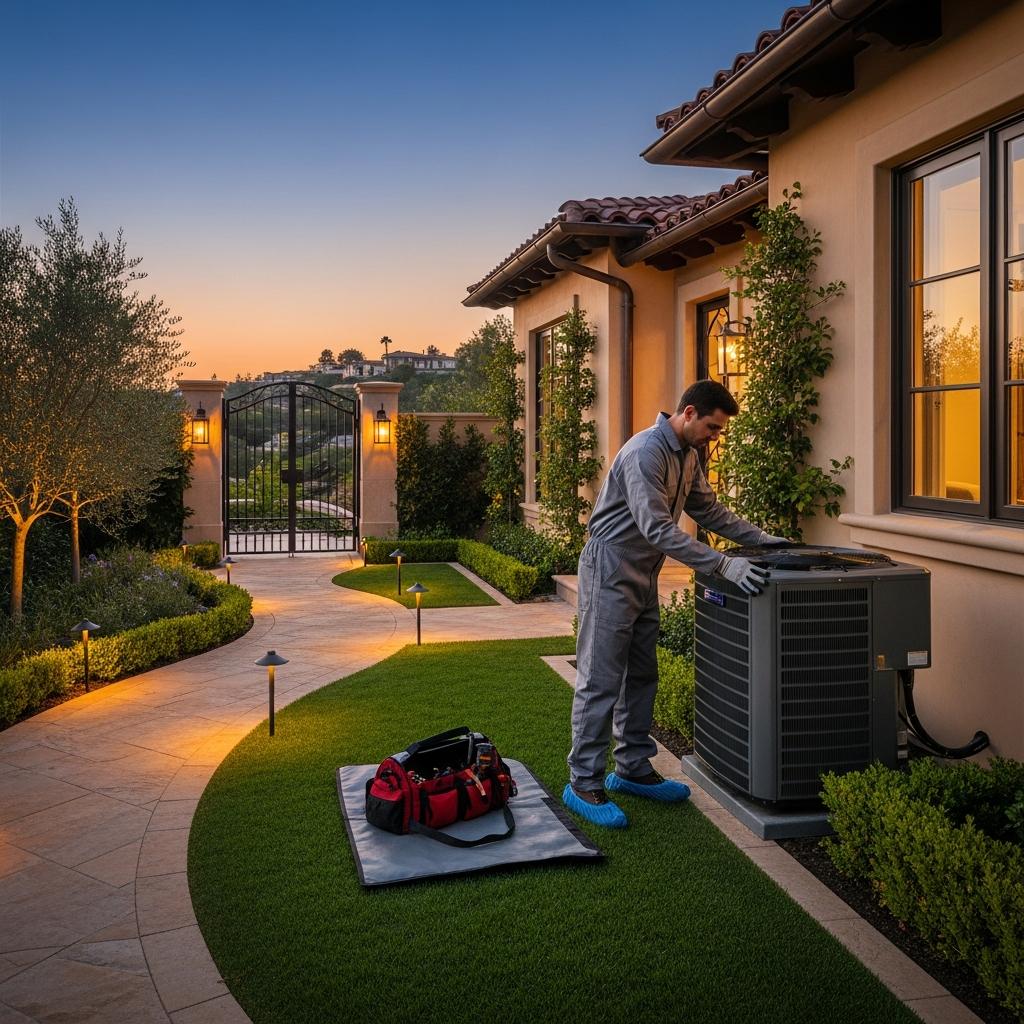
When the heat settles over Beverly Hills and the quiet hum of your cooling system suddenly stops, it can feel like your entire home changes character in an instant. The difference between a comfortable evening and a restless one often comes down to how quickly help arrives and how confidently you can navigate those first few moments without cooling. As a local HVAC professional who has worked in everything from modern penthouses near Wilshire to historic villas tucked into hillside lanes, I can tell you that emergency calls here are as varied as the homes themselves. The one constant is that a reliable plan starts with understanding your air conditioning system and knowing what to expect when things go sideways.
In Beverly Hills, emergencies rarely arrive at convenient hours. A Saturday afternoon garden gathering that outlasts the daylight can become uncomfortable quickly, and a Sunday morning with family in town becomes far more complicated when your indoor climate drifts out of your control. The good news is that emergency HVAC professionals in the area are well acquainted with after-hours access rules, discreet property considerations, and the unique ways our microclimate behaves, from marine-layer mornings to dry, late-summer heat that lingers through twilight.
What Counts as an HVAC Emergency in Beverly Hills
People often ask whether their situation truly qualifies as an emergency. The answer is usually found in three places: safety, health, and the potential for additional damage. If indoor temperatures are climbing rapidly during a heat wave, seniors, infants, and anyone with health concerns may be at risk. That is an emergency. If you notice smoking, sparking, or a burnt odor from equipment, that is absolutely an emergency, and power to the system should be turned off at the breaker while you call for help. Significant water around the indoor unit or ceiling stains beneath an air handler can also be urgent, since an overflowing condensate pan may lead to structural damage if ignored.
There is another layer that often goes unspoken: the unique architecture in our city. Many Beverly Hills homes feature plaster ceilings, bespoke millwork, or custom finishes that do not tolerate moisture well. A minor leak in an ordinary home could be a major problem here within hours. Similarly, hillside properties can handle airflow differently, and a malfunctioning system may compound issues like hot attics, sun-facing glass, and long duct runs. When in doubt, especially during hot spells or when moisture is involved, treat the situation with urgency.
First Steps While You Wait for a Technician
Before a professional arrives, there are a few steps you can take that are both safe and genuinely helpful. First, switch your thermostat to “off” if you hear unusual sounds, smell burning, or see ice on the refrigerant line. These cues suggest a condition that could worsen with continued operation. Second, check your air filter. A clogged filter can reduce airflow enough to cause coil icing or cause the system to overwork; removing a heavily impacted filter temporarily can sometimes alleviate strain until a pro arrives, though a clean replacement is always better. Third, assess for water: look for moisture around the indoor unit, and, if present, place a container under the area if possible and clear valuable items out of harm’s way to protect finishes and flooring.
If you are in a condo or multifamily building, locate building-specific mechanical rooms, any access keys, and HOA contact information in case coordination is needed for roof access or equipment rooms. For large estates with multiple gates or security measures, informing your service provider about arrival logistics will save precious time. If you have pets, creating a safe, quiet space away from the service area makes the visit smoother for everyone and keeps doors from being unexpectedly opened.
How Local Pros Approach Emergency Calls
In an emergency visit, the first goal is stabilization. A thorough set of initial checks happens quickly: confirming power supply, testing thermostat signals, verifying safety controls, and assessing airflow. An experienced technician reads a home like a map, taking cues from room temperature differences, humidity, and equipment noise to decide where to focus. If refrigerant issues are suspected, pressures are measured with care, noting that some older systems use legacy refrigerants. Electrical testing focuses on capacitors, contactors, and motors, because sudden failures in these components are common in high-heat stress moments that Beverly Hills experiences during peak summer.
Equally important is communication. Good technicians explain what they are seeing and why it matters, and they’ll outline the fastest path back to cooling. Sometimes the solution is immediate, such as replacing a failed capacitor or clearing a clogged condensate line. Other times, a failing blower motor or an outdoor fan issue might demand a more involved intervention. In unusual cases—like inaccessible roof units or custom-built enclosures—coordination may be needed for specialized access, and professionals familiar with our local neighborhoods can anticipate these obstacles.
Common Issues We See in Beverly Hills Homes
While every emergency is unique, patterns do emerge. One recurring theme is equipment stress after a period of mild weather followed by a sudden heat surge. Systems that have idled can reveal weak components as soon as they are asked to run hard. Another common issue involves long duct runs through attic spaces that are hot enough to challenge even robust systems; when insulation is inadequate or ducts have minor separations, performance drops quickly and coils may freeze. Condensate management is another frequent culprit. Elegant ceiling designs often conceal air handlers; when primary drains clog and secondary protections fail, water can accumulate swiftly—and invisibly—until a stain appears or a drip alerts you.
Electrical components face their own pressures here. The combination of high ambient temperatures, sun-exposed condensers, and the occasional burst of dry winds can push outdoor fan motors and capacitors to their limits. In homes with upgraded smart controls, compatibility issues occasionally arise between new thermostats and older air handlers or zoning controls. And, especially in older estates, a modern system may be tied into electrical infrastructure that was never intended to support it, making emergency assessment of power supply and grounding vital.
Staying Comfortable in the Interim
When temperatures climb, even an hour can feel long, but a bit of strategy helps. Close sun-exposed draperies to limit heat gain, and focus on comfort in a few key rooms rather than attempting to cool the entire home with portable solutions. Ceiling fans, if available, can make a surprising difference in perceived temperature. Hydration matters more than many expect, and placing a bowl of ice in front of a fan for a small cooling boost can help in a pinch. For families with sensitive occupants, consider temporarily relocating to the coolest area of the home—often lower levels or rooms with shade trees outside—while you wait.
In condominiums, be mindful of shared building rules about open doors and hallways when using temporary fans. For homes with whole-house fans, avoid running them during smoky or dusty conditions, especially after high-wind events, because you may draw particulates into living spaces. These small choices, combined with an efficient service response, make the difference between a difficult day and one that stays under control.
Access, Discretion, and the Realities of After-Hours Work
After-hours service in Beverly Hills carries practical realities that seasoned professionals plan for. Parking logistics, gate codes, elevator schedules, and HOA quiet hours can affect how and when a repair proceeds. Technicians who routinely serve the area understand how to work quietly, protect delicate finishes, and communicate with building staff. They bring shoe covers, clean drop cloths, and adequate lighting for low-noise, low-disruption repairs. This attention to detail often matters just as much as the technical solution, because a swift return to comfort should not leave a trace of the emergency behind.
There is also the question of parts availability outside typical business hours. Many common items are carried on service vehicles, but unique motors, control boards for specialty equipment, or components for older systems may require next-available sourcing. In these cases, a capable professional will stabilize the system, provide temporary measures when feasible, and plan a rapid follow-up visit. Clear timelines and transparent next steps ease the strain of waiting, and homes are protected from further harm in the interim.
Prevention: The Best Emergency Plan
An honest emergency conversation must include prevention. The same conditions that push your system into distress can often be mitigated with seasonal care. Spring preparation—before the first true warm spell—is particularly effective. A clean filter, clear condensate pathway, verified airflow, and electrical checks reduce the risk of a sudden breakdown when the first heat wave arrives. For hillside properties, attic ventilation and duct integrity deserve extra attention; in larger estates, zoning dampers should be tested so that one area’s call for cooling does not unduly strain another.
Homeowners sometimes ask where to begin. A practical path combines routine tune-ups with simple in-home habits, like shading west-facing windows in the afternoon and giving your system brief rests when evenings cool. Layer on professional guidance about system settings and fan operation, and your home will ride out weather swings more gracefully. In the middle of a hot season, it is never too late to book a quick operational review; pairing that with insights about your specific equipment can transform how your air conditioning responds to sudden temperature jumps.
What to Expect During the Visit
When the technician arrives, expect a calm, methodical process. After listening to your account of symptoms and timing, diagnostics target the components most likely responsible. If airflow is reduced, the tech will look at indoor fans, evaporator coils, and duct obstructions. If the outdoor unit is quiet when it should be running, attention turns to contactors, capacitors, and control voltage. Moisture triggers an immediate check of drain safety devices and pan condition. The goal is always twofold: restore cooling safely and protect the home. If a component must be ordered, you should be briefed on stopgap steps and realistic timing so you can plan the next hours or days with confidence.
Good documentation follows. Photos of parts, explanations of root causes, and recommendations for near-term follow up help you make decisions, especially if your system has a history of intermittent issues. When repairs wrap up, you should experience not just cooler air but smoother airflow, quieter operation, and a sense of renewed reliability. If something about the fix requires you to run the system in a specific way for a short period, your technician will say so plainly and answer every question you have before leaving.
Unique Considerations for Beverly Hills Properties
Every city has its quirks. Here, they include a diverse mix of architectural styles, materials, and mechanical spaces. Historic homes may present access constraints that require creative solutions and specialized care to protect plaster and veneer finishes. Large lots can mean long refrigerant line sets, and careful leak detection is crucial if cooling is weak but persistent. Condominiums often involve coordination with building engineers for roof access and the use of service elevators within certain time windows. Some neighborhoods impose strict noise standards in evening hours, shaping how technicians test outdoor equipment. Experienced local pros fold all of this into their planning without missing a beat.
In addition, weather events matter. After high-wind days, airborne debris can clog outdoor coils faster than expected. During prolonged heat, marginal components fail in succession, and you may see a surge of neighbors scheduling urgent visits. This is where a trusted service relationship pays off, because a team that knows your home and its equipment can prioritize smartly and arrive prepared with the right parts.
Resuming Normal Life After the Repair
Once cooling is restored, take a moment to reassess your home’s routines. Replace or clean filters on a schedule that matches your household—pets, renovations, or frequent entertaining can all increase the need for filtration maintenance. If your thermostat is smart, review fan and temperature settings for stability; sometimes the schedules you set in spring need slight adjustments as summer ramps up. Keep an eye on the area around the indoor unit for a day to ensure no moisture returns, and if your property manager or HOA tracks mechanical work, log the service so that future visits start with an accurate history.
Most importantly, communicate with your service provider about anything that still feels off. A trained ear often hears the beginnings of a future problem in a faint rattle or a subtle change in airflow. Early, small interventions after an emergency can turn into seasons of reliable operation and peace of mind.
Frequently Asked Questions
Is my situation really an emergency or can it wait?
If indoor temperatures are rising quickly, if there are vulnerable occupants, if you smell burning, see sparks, or notice significant water around equipment, treat it as an emergency. Health and property protection come first. When in doubt during a heat event, reach out for immediate guidance.
What should I do before the technician arrives?
Turn the system off if you hear unusual noises, smell burning, or see ice on refrigerant lines. Check and, if necessary, replace or temporarily remove a clogged filter, and move valuables away from any potential water exposure. Share access details, pet considerations, and any building rules with your technician.
How fast can cooling be restored?
Many emergencies are resolved in one visit when a common component has failed or a drain has clogged. More complex issues, unique equipment, or access constraints can require additional coordination. A seasoned technician will stabilize the system, explain the plan, and provide realistic timelines for any follow up.
Will an emergency visit harm my warranty?
No. A qualified professional who follows manufacturer procedures protects your equipment’s coverage. Keep records of the visit and any replaced parts. If your system is under a manufacturer or extended plan, mention it at the start so documentation is handled correctly.
What if my system is older and uses a legacy refrigerant?
Older systems can typically be serviced safely, though parts and refrigerants may be less readily available. Your technician will evaluate the system’s condition and discuss options that balance reliability with long-term planning, especially if repeated emergencies are becoming a pattern.
How can I stay comfortable while I wait?
Focus on cooling a few key rooms. Close blinds on sunlit windows, use ceiling fans to boost comfort, and consider the lowest level of the home or shaded areas. Stay hydrated and avoid activities that add heat, like running large ovens, until cooling returns.
Do condos and HOAs change how emergencies are handled?
Yes. Access rules, quiet hours, roof entry permissions, and equipment enclosures may shape the repair approach. Provide building contact details and any required forms so the technician can proceed efficiently and respectfully.
Can I prevent this from happening again?
While no system is immune, seasonal maintenance, clean filters, verified drainage, and attention to airflow go a long way. A brief operational review mid-season can also catch emerging issues before they become emergencies.
If your home is warm right now, take a breath. Help is close by, and seasoned local professionals are ready to steady the situation and bring back calm. When you want to talk through your options or schedule a rapid response, reach out to a trusted team that understands how Beverly Hills homes live and breathe. For immediate guidance tailored to your property, connect with experts in air conditioning who can restore comfort with care and discretion. Your home deserves both speed and thoughtfulness, and you should expect nothing less.