
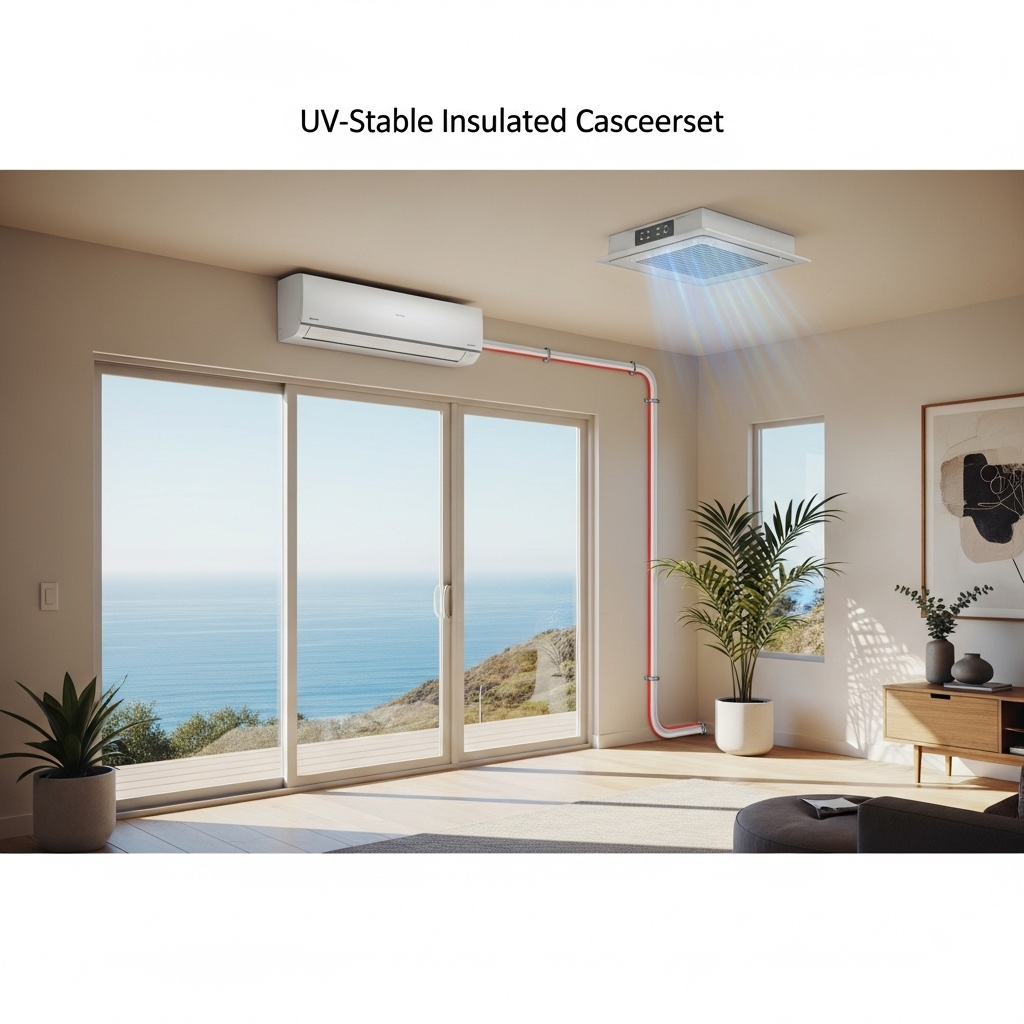
In Beverly Hills, where homes frame ocean horizons with broad glass and rooms often spill outdoors, comfort needs are nuanced. Many properties were designed for breezes rather than ducts, and adding bulky ductwork can compromise architecture and soundscapes. That is why ductless systems—single- and multi-zone mini-splits—have become a favorite along the coast. They deliver precise temperatures, whisper-quiet operation, and impressive energy performance without invasive construction. As a local installer, I have seen ductless solutions transform sunrooms that baked every afternoon and studios where creative work demanded silence. When tailored to Beverly Hills’s marine layer and hillside winds, ductless air conditioning blends into the home’s rhythms so completely that most people simply notice they are comfortable.
Why ductless fits Beverly Hills architecture
Coastal homes embrace openness: vaulted ceilings, sliding walls, and mezzanines that defy conventional duct layouts. Ductless systems shine in these spaces because they put capacity exactly where it is needed without sending air through long, heat-soaked runs. Indoor units can mount high on walls, recess into ceilings as low-profile cassettes, or even sit near floors to wash glass with conditioned air. The flexibility preserves interior design and keeps remodels light-touch. For ADUs, guest suites, and home offices carved from existing spaces, ductless avoids the disruption of cutting new chases, and it sidesteps the noise risk of cramped return paths. The result is targeted comfort that respects the bones of the house and the views that define it.
Quiet as a signature feature
With ocean and wind as the backdrop, mechanical noise should fade away. Ductless systems are built around variable-speed compressors and indoor fans that whisper at low output, maintaining setpoints gently rather than cycling loudly on and off. In bedrooms and creative studios, that quiet is golden. Placement matters: we position indoor units to avoid direct drafts across beds or seating and to spread air evenly across glass or long rooms. Outdoors, slim condensers tuck into discreet spaces and run at low speeds most of the time. When chosen and commissioned carefully, ductless sound is more like a hush than a hum, preserving the subtle acoustics of waves, birds, and rustling landscape plants.
Coastal durability and placement
Salt air challenges any outdoor equipment. For ductless condensers near the water or in wind paths, we specify coastal protections: coated coils, stainless hardware, and sealed electronics. We avoid locations where roof drip lines or sprinklers will shower units, and we elevate bases to keep them clear of standing water after fog drips or rare rains. Ventilated screens can soften views without restricting airflow, and we route line sets with UV-stable insulation, sealed at penetrations to prevent moisture intrusion. These decisions, taken together, turn a high-performing system into one that maintains its performance season after season in the marine layer.
Multi-zone control for real-life routines
One secret to ductless success is zoning by lifestyle. Morning coffee areas, afternoon workspaces, and evening gathering rooms rarely align, so each should have its own gentle schedule. Multi-zone systems allow independent control, keeping seldom-used rooms at standby setpoints while maintaining active spaces precisely. For part-time residences, owners can pre-condition selected zones before arrival, then expand comfort to the whole home as guests appear. Because each zone modulates separately, energy use lands where it belongs, reducing runtime without sacrificing comfort. In glass-heavy rooms, a zone that anticipates sun exposure prevents the familiar surge of heat that once made those spaces off-limits at certain hours.
Air quality that adapts to fog and fire seasons
We live with marine fog that carries fine salts and the occasional smoky days that fill filters quickly. Ductless systems protect indoor air by filtering locally at each unit, capturing particulates right where people spend time. During smoky periods, we recommend more frequent filter cleanings and switch the system to recirculate, maintaining positive comfort without pulling contaminated air indoors. On damp mornings, gentle dehumidification modes temper that clammy feeling without overcooling. Because each zone can respond differently, a bedroom can dry the air lightly while a sunny great room cools more assertively as the day warms. The system becomes a flexible tool for wellness as much as comfort.
Installation that respects finishes and timelines
Ductless installations are typically swift and low-impact, important for Beverly Hills homes where finishes matter and access can be tricky. We plan line-set routes that hide behind trim or within exterior channels painted to match. Penetrations are sealed with UV-stable materials, and condensate lines are pitched for reliable drainage without streaking stucco. Indoors, we coordinate with interior designers to align cassettes or wall units with lighting patterns and architectural lines. On hillside properties, safety and staging guide the schedule, and work is sequenced to minimize disruption to daily life. This attention makes the difference between an installation you tolerate and one you barely notice.
Efficiency that mirrors the coastal day
Variable-capacity mini-splits excel on the coast because they modulate output to match subtle load changes. They hum along at low power through marine-layer mornings, then ramp gracefully as the sun brightens and glass warms. That steady-state operation is both efficient and comfortable, eliminating the sharp swings that older systems produce. In well-insulated remodels and new ADUs, ductless often pairs with solar to keep operating costs sensible without sacrificing a degree of comfort. Even in challenging spaces—lofts with open stairs or art studios flanked by windows—well-placed heads maintain even temperatures without overworking.
Design options that blend with your style
Modern ductless units offer finishes and formats to suit many interiors. Low-profile cassettes sit flush with ceilings, wall units tuck above sightlines, and floor consoles resemble slim radiators. With careful selection, the look is quiet and intentional. We counsel clients on sizing that avoids oversized heads, which can short-cycle and draft, and we tune fan curves to match room acoustics. Controls integrate with smart home platforms for simple routines: a gentle pre-cool before guests arrive, or a night setback that considers coastal humidity. The net effect is comfort that disappears into the background visually and acoustically.
In the middle of summer, light upkeep keeps things perfect
Between service visits, ductless systems ask for little. A monthly rinse of washable filters during smoky or dusty stretches keeps airflow strong, and a quick glance at outdoor units confirms clearances around plantings. If a head shows a blinking code or a zone feels off, early attention prevents minor issues from growing. Because line sets and drains are compact, small blockages present early symptoms; calling promptly preserves steady comfort. Consistent attention like this keeps your ductless air conditioning performing at its quiet best when guests fill the house or a work deadline looms.
Frequently asked questions about ductless systems in Beverly Hills
Will ductless look out of place in a high-design home?
With careful selection and placement, no. Low-profile ceiling cassettes and thoughtfully positioned wall units blend well with contemporary and coastal styles. We coordinate with designers to align units with sightlines and finishes so the overall effect is intentional and discreet.
How many rooms can a multi-zone system serve?
Modern multi-zone condensers can serve several indoor units, each sized to its room. The key is matching capacities so zones modulate smoothly rather than cycling. A proper design ensures each space receives just the right amount of conditioning as conditions change throughout the day.
Are ductless systems durable in salt air?
Yes, when specified and installed for the coast. We choose models with coated coils, stainless hardware, and sealed electronics, place condensers away from direct salt and roof drip lines, and maintain them with gentle rinses and periodic inspections to keep performance strong.
Do ductless systems handle humidity from the marine layer?
They do. Variable-speed operation allows gentle dehumidification without overcooling, and individual zones can tailor settings. Bedrooms can stay slightly drier overnight while living spaces manage solar gains during the day.
What about noise outside and inside?
Ductless systems are among the quietest options. Indoors, low fan speeds maintain setpoints softly. Outdoors, variable-speed compressors run at low RPMs most of the time. Proper placement and commissioning keep sound levels unobtrusive in both spaces.
Is ductless a good option for ADUs or studios?
Absolutely. Ductless provides stand-alone comfort with minimal construction, ideal for accessory units, studios, and guest suites. Quick installation, targeted zoning, and low sound make it a favorite for these spaces along the coast.
Bring quiet, precise comfort to your coastal spaces
If a sunroom overheats, a bedroom runs too warm at night, or an office demands silence, ductless may be the perfect fit. We design and install systems that respect Beverly Hills’s architecture and environment, delivering precision and peace you can feel. Reach out to schedule a consultation and explore formats and finishes that blend with your home. With careful planning and coast-ready details, your air conditioning will fade into the background—leaving the ocean, the light, and the people you love as the focus.