
Ask anyone who maintains estates and family homes across Beverly Hills and you will hear a familiar story: most cooling problems start small. A little dust here, a slow drain there, a sensor slightly out of calibration—each seems harmless, until the first big heat wave exposes the weak link and the home no longer feels composed. That is why a consistent routine of air conditioning maintenance is the quiet hero of summer in our city. Addressing the common issues unique to our neighborhoods keeps systems ready for the rolling heat that arrives from late July through September and safeguards interiors where craftsmanship is front and center.
The character of our microclimates creates patterns that repeat from street to street. Homes tucked against the canyons catch dust on breezy afternoons, while the Flats see different pollen loads and landscaping schedules. Rooftop equipment is exposed to steady sun, and mechanical rooms under staircases can run warm without good ventilation. Understanding these patterns helps target the issues we see most, so maintenance becomes an act of prevention rather than a reaction to discomfort.
Clogged Condensate Lines and Quiet Water Risks
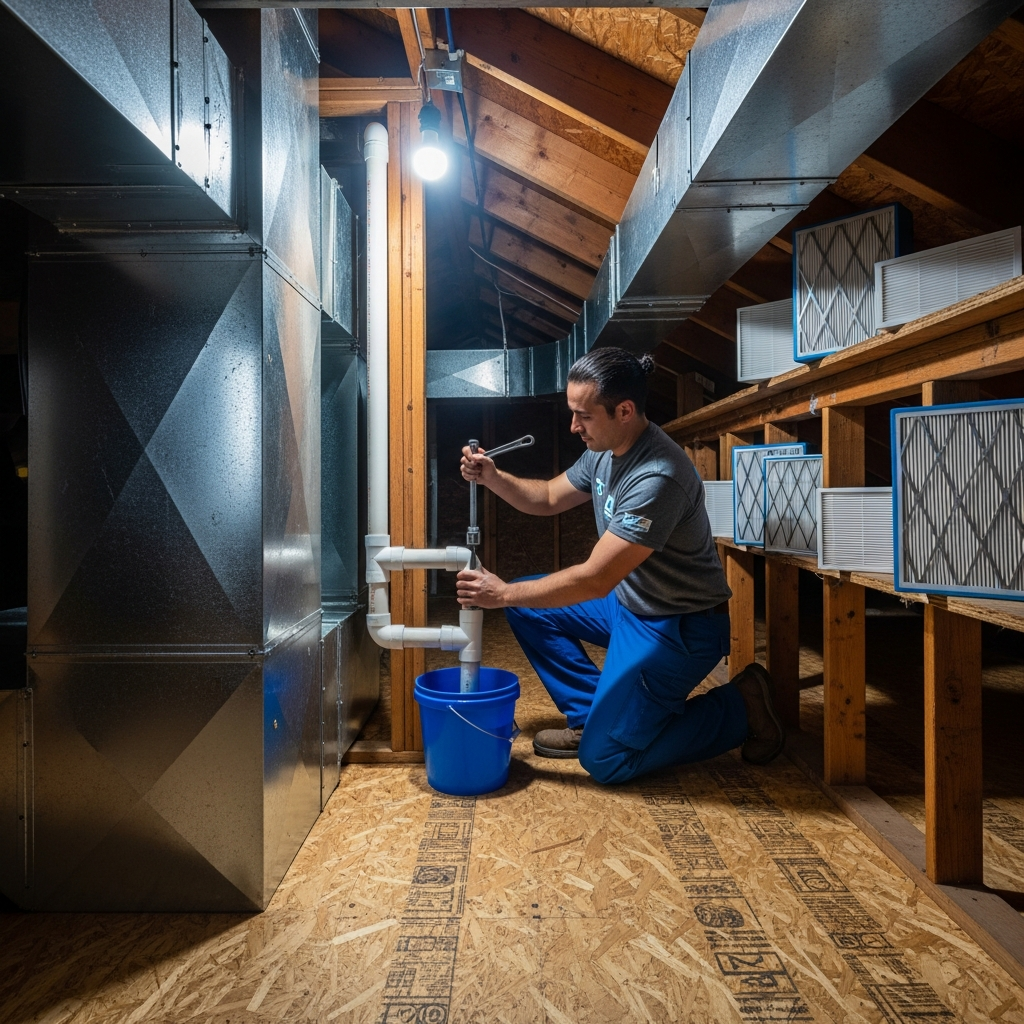
One of the most common calls in mid-summer is the surprise of water where it does not belong. Condensate lines are prone to algae growth, especially when steady cooling creates a consistently moist environment. Add a bit of dust and organic debris, and the conditions are perfect for a slow blockage. In homes with air handlers in attics or closets above finished rooms, that slow blockage can become an overflow that stains ceilings or swells wood before anyone notices.
Maintenance prevents the drama by clearing lines, cleaning pans, and testing float switches that shut systems down before overflow. It is simple work with outsized importance. When you consider what is under those air handlers—custom cabinetry, art, carefully chosen fabrics—the value of a clear drain becomes obvious. During service, a trained eye also looks for sagging sections of line or poor slopes that encourage standing water, and corrects them before they become chronic problems.
Dirty Coils and Dust from Canyons and Construction
Our hills cast beauty and dust in equal measure. Canyons funnel air that carries a fine layer of particles, while construction and landscape work add bursts of debris to the environment. Outdoor condenser coils collect that material, and even a thin film can sharply reduce heat transfer, forcing longer runtimes and noisier operation. Indoor evaporator coils are not immune either; a loaded filter that is overdue for replacement can allow dust to bypass and settle where it does the most harm.
Routine coil inspection and gentle cleaning restore the system’s ability to move heat efficiently. You hear the difference as well as feel it: a condenser no longer groans in the afternoon sun, and a blower does not ramp up to compensate for a restriction. In homes near active renovation, scheduling an extra check as projects wrap is a smart move to clear out construction dust before it bakes into the system.
Filter Choices That Match Real Conditions
Filters are not one-size-fits-all, and the wrong choice can create problems as surely as a dirty one. High-efficiency media filters improve air quality during wildfire season and spring bloom, but if they are too restrictive for the system’s fan and ducts, they raise static pressure and choke airflow. That shows up as rooms that never feel quite right and equipment that works harder than necessary.
During maintenance, a technician aligns filter selection with your equipment and lifestyle. If a home sees frequent entertaining, pets, or high outdoor-air infiltration, a schedule that anticipates loads will keep air fresh without burdening the system. It is a balance between filtration performance and the breathing room your ducts and blower need to perform.
Refrigerant Charge: Subtle Errors, Big Effects
Refrigerant is not a topping-off fluid; it is a calibrated working medium whose correct charge is essential. Overcharge can drown performance and risk compressor health, while undercharge starves the coil and forces long cycles with disappointing results. What makes charge issues tricky is that symptoms can masquerade as other problems—warm rooms, icing that comes and goes, or the temptation to set the thermostat lower than usual to compensate.
Professionals confirm charge with proper measurements under load, not guesswork. If there is a leak, they identify and repair it rather than masking the symptom. In Beverly Hills, where equipment often lives in discreet locations and line sets can take creative routes, careful diagnosis matters. Done right, the system returns to graceful operation, delivering even comfort without drama.
Electrical Wear in the Hottest Weeks
Heat accelerates wear on electrical components. Capacitors, contactors, and wiring connections are frequent culprits during August and September when systems run longer and every start is a strain. A slightly weak capacitor might limp through June only to fail on the first triple-digit day. That is not a coincidence; it is the nature of heat on aging parts.
Maintenance catches those trends with meter readings and visual checks. Replacing a part proactively is far less disruptive than waiting for a failure in the middle of a busy day. The benefit is practical: your home stays cool, your plans stay intact, and your equipment does not endure the stress that comes with hard emergency starts.
Airflow Imbalances in Multi-Zone Homes
Larger residences often rely on multiple systems or zoning panels to distribute comfort. Over time, damper positions drift, furniture and décor change air paths, and minor duct issues add up to imbalances you can feel. One wing cools easily while another never quite stabilizes, and the instinct is to keep turning the thermostat down. But the thermostat is not a cure for distribution problems.
During maintenance, a technician can take readings that reveal how air is moving and recommend corrective steps—from damper adjustments to strategic returns—that bring balance back. The result is less tug-of-war between zones and a calmer, more consistent home.
Thermostat and Sensor Misalignment
Smart thermostats are excellent tools, but they cannot fix physics. If a thermostat sits in a drafty hallway or receives late-day sun, it will read the room’s reality poorly. Likewise, remote sensors can cause confusion if their placements no longer reflect how spaces are used. People reorganize rooms; sensors get left behind.
Maintenance reviews locations and readings, then aligns them with how you live now. When the system gets good information, it makes good decisions. When it does not, it overreacts or underperforms, and comfort becomes a moving target.
Noise That Signals Hidden Problems
Sound is a diagnostic tool. A faint rattle at startup, a pulsing hum from the condenser, or a whistling return grille are all messages worth decoding. These noises point to loose panels, imbalanced fans, or airflow restrictions—each fixable during a methodical service visit. Addressed early, they stay minor; ignored, they lead to parts wearing faster than they should and rooms that never feel settled.
Because so many Beverly Hills homes prize quiet interiors, noise carries more weight. Maintenance restores the quiet you expect, which is part of the luxury of living here: comfort that does not intrude on conversation, music, or rest.
Rooftop Equipment and Sun Exposure
Flat-roof and low-slope designs often place condensers and package units in full sun. That exposure can shorten component life, bake-in debris, and magnify any refrigerant or airflow issue. Technicians who know these installations verify that panels are tight, insulation is intact, and that the unit’s immediate environment is free of obstructions that trap heat.
When access requires ladders or special coordination, it is tempting to defer service. Resist that temptation. Rooftop equipment benefits most from regular checks because it shoulders the harshest conditions. Even small improvements—like coil cleaning and confirming fan performance—pay dividends during the late afternoon when the roof radiates heat back into the unit.
Duct Leakage in Older Homes
Renovations and time have a way of subtly altering duct systems. A joint pulls apart in an attic, a flexible run kinks behind new shelving, or a boot loosens at a ceiling register. The losses are invisible until measured, but you feel them as a need to cool longer to achieve the same result. Maintenance that includes static pressure and visual duct checks can uncover these silent leaks. Sealing and correcting them returns capacity you already own, allowing your system to cool more effectively without straining.
In heritage homes where access is tight, a thoughtful plan still makes a difference. Even partial improvements—addressing the most impactful joints and runs—can change the character of a room from stubbornly warm to reliably pleasant.
Middle-of-Season Tune Decisions
One of the smartest habits is to schedule a mid-season check during a period of steady heat. This is when minor issues reveal themselves most clearly and when course corrections are easiest to test. It is an ideal time to take stock, refine filtration choices, and, if needed, arrange for professional air conditioning maintenance that targets what the first half of summer has taught you about your home.
Protecting Finishes and Collections
Our interiors often include materials sensitive to humidity swings and heat: lacquered wood, leather, fine art, wine storage, and textiles that deserve stable conditions. Maintenance protects these by ensuring coils dehumidify properly, drains remain clear, and sensors read true. The alternative is a home that drifts during the hottest days and places unnecessary stress on finishes that should last generations.
Even if rooms feel cool enough, a slight uptick in humidity makes spaces feel less refined. You notice it in the way fabric behaves, or in how a room smells when you first enter during a hot afternoon. Good maintenance keeps those subtleties on your side.
Frequently Asked Questions
Why does my AC smell musty when it first turns on?
Musty odors typically originate from moisture and dust collecting on coils and in condensate pans. When the system starts, air passes over those areas and carries the smell into rooms. Maintenance that cleans coils and pans, verifies drainage, and replaces filters usually resolves the issue and prevents it from returning.
What causes my system to freeze up?
Icing can result from low airflow due to dirty filters or coils, or from refrigerant charge issues. When air cannot move freely or the refrigerant cycle is out of balance, the coil temperature drops below freezing. Proper diagnosis during maintenance identifies the underlying cause so the fix is durable, not temporary.
How can I tell if my ducts are leaking?
Symptoms include rooms that never reach setpoint, dust in places it should not be, and longer runtimes without better comfort. A technician confirms leakage with measurements and inspection. Sealing priority joints and correcting kinks often restores performance without invasive work.
Is rooftop equipment more prone to problems?
Exposure to sun and heat accelerates wear and amplifies minor issues. Regular checks and coil cleaning are especially important, as is verifying fan performance and insulation integrity. With proper maintenance, rooftop units can be just as reliable as ground-level equipment.
What’s the best filter for our area?
The best filter balances air quality and airflow for your specific system. Homes near canyons or construction may need higher efficiency media and more frequent changes, while others benefit from a less restrictive option. During maintenance, matching filter type to equipment and lifestyle achieves clean air without straining the blower.
How often should maintenance be scheduled?
At least once before summer, with a strong case for a second visit late in the season when heat exposes weaknesses. Homes with multiple systems or complex zoning benefit from a cadence that aligns with usage, filter loading, and exposure to dust or pollen.
My smart thermostat keeps overshooting—what’s wrong?
Overshooting often means the thermostat is in a poor location or the system’s response is inconsistent due to airflow or charge issues. Maintenance addresses both, ensuring sensors read accurately and the equipment behaves predictably, so setpoints are reached and held gracefully.
Can maintenance reduce noise?
Yes. Cleaning, balancing, and securing components reduces vibration and airflow turbulence, which are the main sources of unwanted sound. A quiet system is usually a healthy system; noise is a sign to pay attention, not something to accept as inevitable.
When you are ready to turn common problems into uncommon non-events, make maintenance part of your home’s rhythm. Choose a schedule that matches your property’s exposure and usage, and keep records so each visit builds on the last. For a thorough, locally informed approach that keeps your system steady from the first warm day to the last, book your next air conditioning maintenance and enjoy a season where comfort is simply assumed.