
Walk a block in Beverly Hills and you will find the architectural spectrum on full display: glass pavilions with razor-thin rooflines, classic Mediterranean villas with shaded courtyards, and midcentury gems that blur indoor and outdoor living. Comfort systems are evolving just as quickly, not as visible statements but as quiet infrastructure guiding the way these homes feel and perform. The newest trends in cooling are less about spectacle and more about intelligence, wellness, and design sensitivity. When clients ask what is next for high-end comfort, I point to solutions that listen closely to the home, learn from daily patterns, and deliver cooling as carefully as a lighting designer shapes a beam. If you are considering an upgrade or building anew, understanding where air conditioning is heading will help you craft spaces that feel modern in the best possible way—calm, efficient, and unobtrusively healthy.
The past few years have reframed what we expect from indoor environments. We ask for quieter bedrooms, fresher air during regional smoke events, and energy profiles that cooperate with the grid rather than fighting it. These expectations meet Beverly Hills’ particular microclimates and privacy needs, and the result is a set of trends that slot elegantly into the city’s lifestyle. Here is how the leading edge looks from job sites and design meetings across the neighborhood.
Variable-Capacity Everything
The old rhythm of on/off compressors has given way to equipment that modulates. Variable-capacity systems adjust output precisely to the load, which in practice means steadier temperatures, softer sound, and better humidity control. In residences with large glass areas or rooms that see rapid shifts in solar gain, this adaptability shows its value daily. Rather than overshoot and correct, the system glides, keeping your living zones just right while using less energy.
Invisibly Beautiful Air Distribution
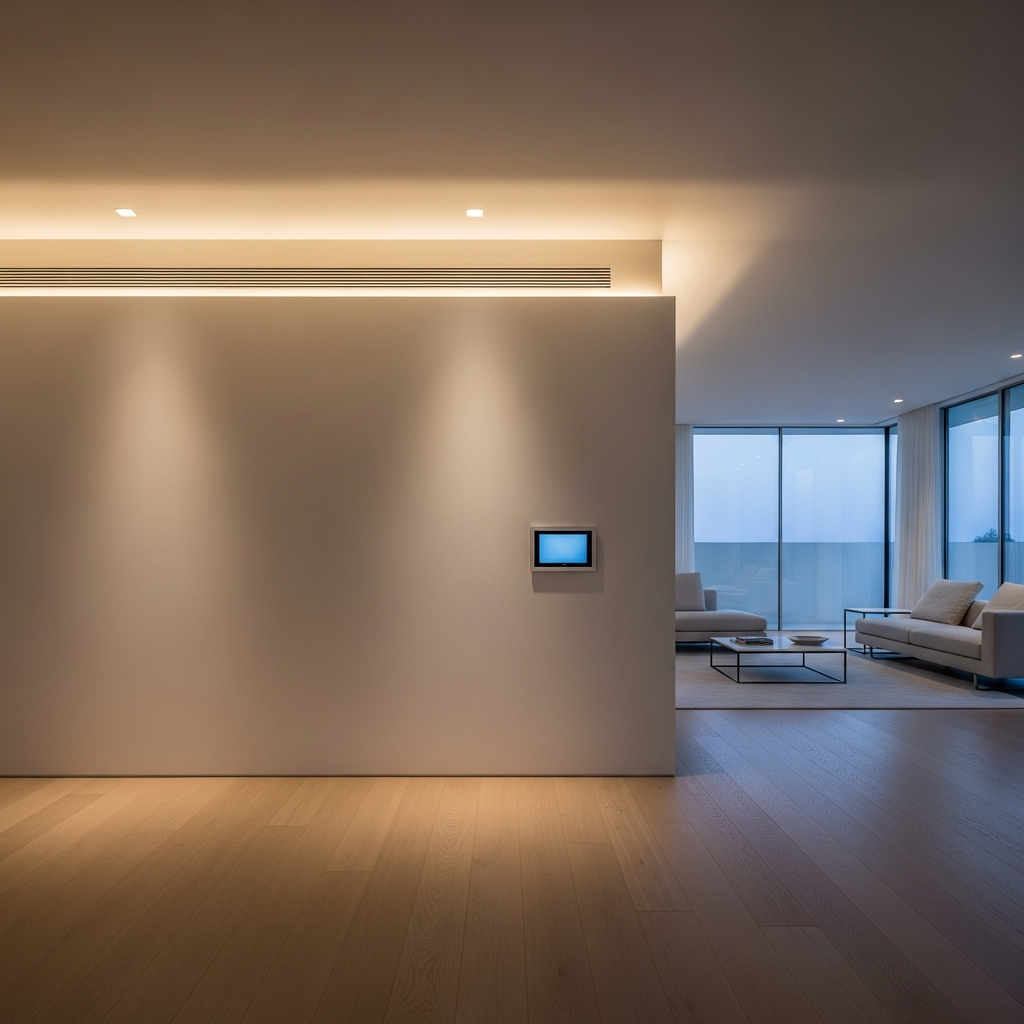
Design-forward homes demand discreet delivery. Linear diffusers aligned with shadow reveals, ultra-slim ducted units tucked into soffits, and carefully modeled returns preserve clean ceilings and sightlines. Airflow mapping during design ensures supply never washes directly across seating or art. The goal is the feeling of perfect air without the visual noise of obvious vents. In practice, homeowners notice that rooms remain even from corner to corner, and fabrics never flutter because a register was placed for convenience instead of comfort.
Wellness-Centered Filtration and Fresh Air
Indoor air quality has become a pillar rather than a footnote. High-MERV filtration integrated into central systems, supplemental purification for sensitive areas, and balanced ventilation with heat or energy recovery are now standard asks. The trend is to dial solutions to the home: quiet, continuous fresh air that maintains temperature and humidity, with filtration capable of responding to regional air challenges. The everyday experience is cleaner-smelling rooms, gentler mornings, and fewer portable devices cluttering surfaces.
Systems that Talk to the House
Controls have matured beyond flashy interfaces to become thoughtful collaborators. Comfort now integrates with lighting, shading, and occupancy thanks to secure, professional platforms. Sunlight sensors lower shades and nudge cooling, kitchen hoods signal the system during intense cooking, and bedroom routines set night modes without bright screens. These orchestrations are not about showing off technology; they are about removing friction, so the home anticipates needs rather than reacting to discomfort.
Zoning Reimagined
Zoning is not just upstairs versus downstairs anymore. Contemporary designs use zones that match lifestyle: morning nooks and offices that cool earlier, media rooms that hold steady for matinees, and guest suites that idle efficiently until needed. With smart dampers and minimalist duct runs, zoning loses the whiplash of abrupt shifts and becomes a fine brush instead of a broad stroke. Homeowners feel like the house keeps them company through the day, tuning itself gently as they move.
Quiet as a Design Principle
Noise has always mattered, but now it is central to design intent. Equipment isolation, low-sone air handlers, and duct geometries chosen for silence are discussed alongside fixture finishes and art placement. Outdoor units are located with the same care as landscape lighting, protecting the serenity of terraces and pools. The new bar for luxury is a home where the loudest thing in a room is laughter, not a vent.
Electrification and Smarter Energy
Heat pump technology has matured into a luxury-grade solution, delivering cooling with impressive efficiency and offering shoulder-season heating without the dryness of old systems. Pair that with demand-responsive controls and thoughtful scheduling, and homes cooperate with the grid during peak hours while keeping interiors steady. For properties exploring on-site generation and storage, modern comfort systems play nicely, shaping loads smoothly instead of creating spikes.
Microclimate-Aware Design
Ask any contractor who has worked both the flats and the hills: exposure rules the day. The trend is design informed by microclimate mapping—sun paths, canyon breezes, tree canopies—so that equipment choices and diffuser placements reflect how a particular property lives. This approach prevents the all-too-common 3 p.m. warm corner in a glass box or the chilly draft in a north-facing reading nook. It yields an interior climate that feels natural, because it is tuned to the site.
Materials and Maintenance Mindfulness
Owners and design teams want systems that age gracefully. That means corrosion-resistant components for coastal influence, cleanable returns and access panels that do not mar finishes, and condensate strategies that eliminate risk to delicate ceilings. Predictive maintenance through secure remote monitoring is growing, too, so service becomes proactive and quiet rather than reactive and disruptive. Luxury, at its core, is the absence of unwelcome surprises.
Mid-Project Upgrades and Phased Work
Renovations in Beverly Hills often happen in phases. The trend is flexibility: ductwork planned with future zones in mind, equipment sized for later wings or additions, and controls that can absorb new spaces gracefully. This approach protects design continuity and budget while avoiding the all-too-familiar scenario of tacking on a mismatched unit that never quite integrates.
The Aesthetics of Nothingness
One of the quietest trends is the art of disappearing. The best installations leave almost nothing to see or hear. Seamless soffits swallow small ducted units, returns hide in shadow lines, and control points blend into the wall language established by the interior designer. It is not minimalism for its own sake; it is respect for architectural intent, where air becomes a silent, supportive layer.
Performance You Can Feel
Clients often ask for measurable outcomes, and the new generation of systems obliges. You feel evenness when you cross thresholds; you notice fewer adjustments to thermostats; you sleep through the night without waking warm. The absence of musty corners or lingering kitchen smells speaks to ventilation that is working. The proof of these trends is tonal: your home sounds quieter, smells cleaner, and holds a steady cool even when the day surges.
A Midway Look from the Field
Halfway through any major summer in the hills, the pattern repeats. A family returns from travel to find bedrooms still fresh, plants thriving because humidity is balanced, and the great room ready for a last-minute gathering. That steadiness is the living expression of today’s trends—systems that learn, modulate, and integrate. It is also the moment I suggest looking more closely at what your home could gain from an upgrade. Sometimes the change is as simple as redistribution with low-profile ducted units; other times it is a whole-home rethink. Either way, modern air conditioning offers a path to comfort that is lighter, smarter, and more faithful to design.
Frequently Asked Questions
Do variable-capacity systems really feel different?
Yes. Instead of cycling on hard and off abruptly, they match output to need, which keeps temperature and humidity steady. The subjective experience is calmer air, fewer drafts, and a quieter background. Many homeowners are surprised by how much less they think about the thermostat.
Will concealed diffusers limit performance?
Not if planned properly. When airflow is modeled during design, linear or slot diffusers deliver excellent coverage without calling attention to themselves. The key is sizing, placement, and return strategy to avoid short-cycling or dead zones.
Is a heat pump appropriate for Beverly Hills?
Absolutely. Our climate suits high-efficiency heat pumps, which offer superb cooling and comfortable shoulder-season heating. When paired with good controls and filtration, they deliver luxury-grade performance with an appealing energy profile.
How can I protect aesthetics during service?
Specify access points that align with finish details, use returns with removable, paintable frames, and choose service partners who document routes and methods to avoid patchwork. Predictive maintenance reduces invasive visits by catching small issues early.
Do smart controls risk my privacy?
Professional platforms use secure connections and role-based permissions. They reduce unnecessary visits through diagnostics while keeping homeowner data protected. The result is better reliability with fewer intrusions.
What if I plan to add a wing later?
Modern designs can anticipate future zones. Equipment can be sized and duct routes reserved for additions, allowing new spaces to integrate seamlessly when the time comes. Controls absorb new areas without forcing a redesign of the whole system.
How do I start evaluating an upgrade?
Begin with comfort mapping: where do you feel afternoon warmth, where do you sleep, and which rooms host guests most often? From there, a designer can recommend distribution upgrades, zoning changes, and equipment options that respect your architecture and deliver immediate comfort gains.
Speak with a Beverly Hills HVAC Expert
If your home deserves quieter rooms, cleaner air, and performance aligned with contemporary design, now is the time to explore these trends in depth. Start by seeing how modern air conditioning integrates with your architecture and lifestyle, and then plan an upgrade that brings tomorrow’s comfort into your Beverly Hills home today.