
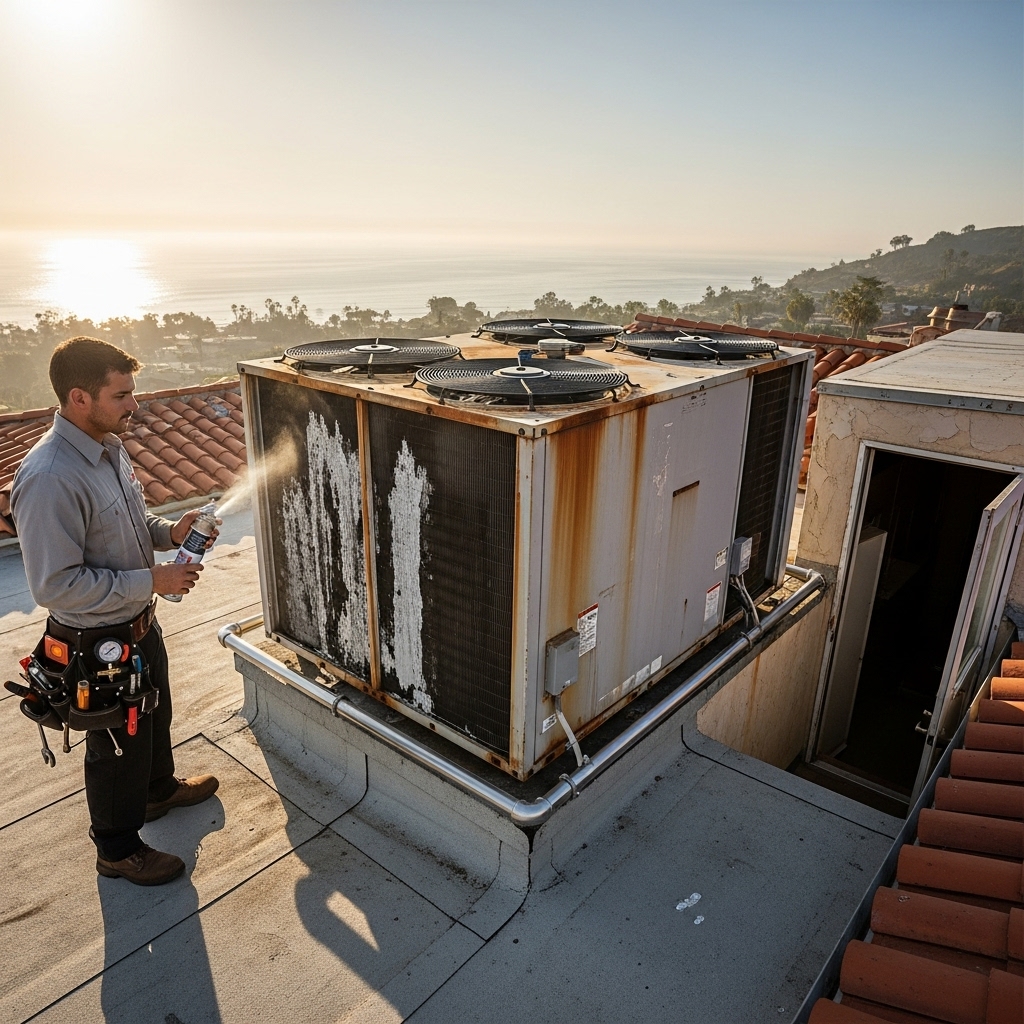
When the marine layer rolls in across Carbon Beach at dawn and the afternoon sun pushes warm, dry winds down through the canyons, Beverly Hills’s coastal rhythm puts every home’s comfort system to the test. Local homeowners learn quickly that living by the Pacific means balancing salt-laden breezes, wildfire seasons, and sudden temperature swings that happen within the span of a single day. Reliable cooling is not a luxury here; it is part of preserving the calm and livability of a home. That is why timely, thoughtful air conditioning repair tailored to Beverly Hills’s climate is so essential. As a local technician who has crawled through beachside crawlspaces, navigated tight hillside access, and restored comfort during late-night heatwaves, I can say the coastal environment asks for more than generic fixes. It requires a measured approach grounded in materials, methods, and maintenance that stand up to salt spray, sun, and wind.
Understanding the coastal reality behind every repair
What makes Beverly Hills different starts with salt. Mist that looks harmless from the deck slowly deposits salts onto condenser fins, cabinet seams, and fasteners. Over months and years, those deposits accelerate corrosion, weaken connections, and reduce heat transfer. Sea breezes carry fine grit that embeds in coils and fan housings. The afternoon sun bakes rooftop units after mornings wrapped in fog, creating cycles of condensation and evaporation that work on metals and electronics alike. Add in canyon microclimates, where cooler nights and hotter afternoons create unique thermal loads, and you can see why a repair approach designed for inland suburbs can fall short here. A well-done repair in Beverly Hills always asks: how will this part, coating, or procedure perform when exposed to salt, wind, sun, and sudden humidity swings? Once you adopt that lens, the right decisions—about sealants, hardware, coil treatments, and airflow—become obvious and long-lasting.
The most common failures we see along the water
Although every property has its quirks, certain patterns repeat along the Beverly Hills coastline. Corrosion is the headliner, particularly on outdoor condensing units. You will often find pitted condenser coils, rusted screws, and weakened electrical lugs that would still look new a few miles inland. Fan motors can begin to howl as bearings suffer from airborne contaminants, and once-smooth fan blades grow rough edges of oxidation that rob efficiency. Electrical control boards suffer in enclosures that have lost their gaskets, inviting in moist air. We also see refrigerant leaks at flare fittings that were never intended for salt exposure, or at aluminum-copper joints stressed by constant thermal expansion. Indoors, evaporator coils become fouled by fine particulates carried on sea breezes and, in fire season, by smoke and ash. When filters are undersized or neglected, this buildup reduces cooling capacity and pushes compressors to work harder—raising the risk of failure just when the house needs cooling most. Understanding these failure modes shapes not only the repair but the preventive steps we suggest afterward.
Diagnostics that respect Beverly Hills’s unique variables
Speed matters during a heat spell, but rushing past a complete diagnostic is a path to repeat breakdowns. A thorough coastal diagnostic starts even before gauges and meters come out. We look for signs of salt creep around electrical compartments, inspect cabinet seams for missing sealant, and check coil fin condition from top to bottom instead of a quick glance from above. We confirm that refrigerant lines are supported properly, with UV-resistant insulation intact and not split by sun exposure. Once powered, we measure static pressure to understand if airflow restrictions are behind low cooling performance. Suction and discharge pressures give us a snapshot, but in Beverly Hills we pair those readings with temperature differentials across the coil and an assessment of return duct location, which can pull in garage or attic air if returns are poorly sealed. That last detail is more common in beach homes with remodels added over years. A proper diagnostic also includes outdoor clearances; hedges and salt-tolerant landscape plants must be trimmed far enough to give the condenser the breathing room it needs in humid conditions.
Repairing for durability, not just immediate relief
Once the root cause is clear, the execution is where coastal expertise shows. On the mechanical side, that might mean replacing a condenser fan motor with a sealed bearing model, swapping factory screws with stainless hardware, or treating a cleaned coil with a light protective coating that resists salt without choking heat transfer. On the refrigerant side, flares should be remade with proper torque and, where feasible, replaced by brazed joints performed with nitrogen purging to keep the tubing clean inside. Electrical work benefits from non-conductive coatings on terminals and thoughtful routing to minimize moisture exposure. Even seemingly simple tasks like replacing a capacitor can be improved with weather-resistant mounting and a new gasket for the compartment cover. For indoor components, we prioritize deep coil cleaning that restores fin shine, condensate line clearing to avoid mid-summer backups, and insulation repairs to prevent sweating that can distress drywall in tightly finished beach houses. It all adds up to more resilient performance when fog rolls in or the sun pounds down on a cloudless afternoon.
How the environment shapes the repair/replace conversation
Any homeowner facing a major repair wants to know if it is smarter to fix the existing system or transition to new equipment. Along the coast, that conversation needs extra context. If a system has lived unprotected on a salt-exposed rooftop or courtyard and the coil is heavily deteriorated, a repair may buy time but not restore full efficiency. If multiple components show corrosion across the board, replacing the outdoor unit with a model designed for coastal duty, paired with improved placement or shielding, can deliver better long-term value. However, many Beverly Hills systems benefit from targeted repairs plus mitigation steps such as anti-corrosion coatings, upgraded fasteners, and revised drainage. We also consider building factors unique to Beverly Hills: low-noise requirements for densely situated properties, HOA guidelines that govern equipment appearance, and access constraints for hillside homes. A balanced recommendation weighs comfort needs, operating costs, local rules, and the real-world lifespan you can expect in the marine layer. Some systems, particularly heat pump configurations, can respond beautifully to restorative repairs when supported by careful maintenance thereafter.
Airflow, ductwork, and the hidden drivers of breakdowns
Many “repair” calls begin with a warm upstairs bedroom or a living room that never feels quite right on humid evenings. Often the culprit is airflow, not just the box outside. Beverly Hills remodels frequently merge older duct layouts with new room arrangements, creating long runs with tight turns that starve certain rooms. Add to that the deposition of dust and sea-borne particulates inside ducts, and you have a recipe for high static pressure and frosted evaporator coils. During a repair visit, we check and document static and temperature splits, and we look closely at return placement. A starved return can mimic a refrigerant problem. Restoring comfort can be as simple as replacing a restrictive filter grille with a high-flow style, or as involved as adding a return in a new location to balance the home. These improvements ease the load on compressors and fans, making the primary repair last longer. In Beverly Hills’s climate, where doors and windows are opened often for ocean air, good filtration and balanced airflow also protect indoor air quality, especially during late-summer heat when windows close and systems run hard.
Mid-season strategies that extend the life of your repair
After the immediate fix, we always plan for the next few seasons. The most effective strategy is a practical maintenance rhythm that suits the coast. Rinsing the outdoor coil with low-pressure water during dry spells, replacing filters more frequently during fire season, and visually checking cabinet seals after windy days all make a difference. Scheduling a spring and late-summer service keeps performance sharp before the heat spikes. In the middle of the cooling season, consider a quick check focused on coil cleanliness, drain line flow, and capacitor health—short visits that prevent surprises. This is also the ideal time to revisit thermostat settings and fan strategies for humid mornings versus dry afternoons. Homeowners often notice improved comfort by letting the fan run briefly after cooling cycles to clear residual cold air, but we tune that approach to each house so humidity does not creep up. For many clients, mid-season optimization also includes smart control tweaks, especially in homes used part-time. Thoughtful adjustments safeguard comfort while avoiding unnecessary runtime.
Why local access and logistics matter in Beverly Hills
Anyone who has spent a summer weekend on PCH knows that response time depends on planning and proximity. For repair work, vans stocked with coastal-grade parts and hardware make a tangible difference because the right stainless screw or sealed motor saves a second trip. Knowledge of neighborhood nuances also pays off: gated communities with strict working hours, beach houses with no alley access, and hillside properties where every tool must be hoisted or walked down steps. We coordinate with neighbors to avoid blocking narrow lanes and respect noise considerations with careful scheduling. This attention to logistics is not just politeness; it ensures a repair stays on track and reduces the time your home is without cooling. Our team’s familiarity with Beverly Hills’s pockets—from Point Dume to Las Flores Canyon—helps us offer realistic arrival windows even when the surf’s up and traffic is unpredictable. With that local mindset, we can focus on the quality of the repair rather than scrambling for access or materials.
Energy efficiency as an outcome of proper repairs
Many homeowners call about comfort first, but the subtle reward of a well-executed repair is restored efficiency. Clean, protected coils reject heat better. Correct refrigerant charge and strong airflow bring supply temperatures back to target. A properly seated and sealed panel on the air handler stops warm attic air from sneaking into the system. Over time, those recovered percentages reduce runtime, lower strain on compressors, and trim energy use during peak afternoons. For Beverly Hills properties with solar arrays, a healthy air conditioner also aligns with production curves, cooling the home while panels deliver strong output. Even details like a fresh fan blade, free of oxide buildup, can shave minutes off each cycle. When we finish a repair, we talk through what changed and why, so you can feel and measure the improvement in both comfort and energy behavior. That transparency helps you plan for future upgrades, knowing exactly where your system stands in the coastal environment.
Smart controls and remote homes
Many Beverly Hills residences serve as weekend retreats or part-time homes. Smart thermostats and remote monitoring give owners confidence that indoor conditions remain stable when they are away. After repairs, we often enable features that alert you to abnormal temperature swings or extended runtimes, both possible early warnings of a new issue. For systems in art-filled homes or properties with wood floors sensitive to humidity, we tailor fan and dehumidification settings to preserve finishes. When wildfire smoke arrives, we advise on how to adjust filtration and runtime to maintain cleaner indoor air. Remote awareness complements a strong repair, turning your system into a source of information rather than a black box that surprises you during the next heat wave. Somewhere in the middle of the season, evaluating performance data and considering another light service can reinforce the gains from your original repair, much like a tune-up for a car after major work.
The role of protective enclosures and placement
Because exposure is such a factor, placement often determines how long a repair will hold. Condensers that sit directly in wind paths or beneath roof edges that drip salty condensate will suffer more. We evaluate whether moving the unit a few feet, adding a properly vented protective screen, or redirecting downspouts can change the unit’s environment. These small projects are transformative, cutting future corrosion and improving coil cleanliness. Importantly, any screen or enclosure must maintain ventilation on all sides and above, so the unit can expel hot air without recirculation. We keep aesthetics in mind too, using finishes that blend with coastal architecture. That balance—protected but unobstructed—goes hand in hand with repair work, elevating a single fix into a more durable solution. When you invest in repairs that consider placement, the payoff arrives on the hottest days, when the system starts readily, runs smoothly, and shuts off promptly once the set point is reached.
In the middle of the season, one simple reminder
Somewhere between the first June heatwave and late-August afternoons, homeowners should take ten minutes for a quick visual check: confirm the outdoor coil is free of debris, make sure the air filter is fresh, and listen for changes in fan tone that might hint at bearing wear. If uncertainty lingers, a short preventive visit can stabilize performance before a holiday weekend or a family gathering. This is also a good time to revisit expectations for comfort, especially in rooms with heavy glass facing the water. Layering shading strategies with high-performing cooling gives the system an easier job. For many clients, we suggest pairing in-season checks with scheduled maintenance on other home systems, to minimize disruption. And if tweaks are needed, they are faster to implement when the system is already in good condition thanks to earlier repairs and thoughtful care. It is in this midpoint that a well-timed check preserves the comfort you rely on from your air conditioning.
Frequently asked questions about Beverly Hills AC repairs
Why do outdoor units corrode faster near the beach?
Salt suspended in marine fog and breezes deposits onto metal surfaces, where it draws moisture and accelerates oxidation. Over time, this reduces the integrity of cabinet seams, fasteners, fins, and electrical connections. Coastal-grade hardware, protective coatings, and strategic placement slow the process, and regular rinsing helps remove deposits before they cause damage.
How often should I service my system in a coastal environment?
Twice-yearly service is ideal for Beverly Hills, with a spring visit before the primary cooling season and a late-summer or early fall check to clear buildup from heat and fire seasons. Homes with heavy use or particularly exposed equipment may benefit from brief mid-season checks that focus on coil cleanliness, drain function, and electrical health.
Can a repair restore full efficiency, or is replacement the only way?
Thoughtful repairs can bring back a surprising amount of capacity and efficiency, especially when airflow restrictions and charge issues are corrected. If the condenser coil is extensively deteriorated or multiple components are compromised by corrosion, replacement may be the better path. We weigh condition, exposure, and your comfort goals to guide that decision.
Are there Beverly Hills-specific rules that affect repair work?
Yes. Some neighborhoods have work-hour restrictions and noise considerations that affect scheduling. There may also be guidelines for equipment appearance or placement. We plan repairs to respect these rules, coordinate access, and, when needed, suggest placement adjustments that both comply and improve system longevity.
How do wildfire seasons impact maintenance and repairs?
Smoke and ash load filters quickly and leave films on coils that reduce heat transfer. After heavy smoke events, filters should be changed promptly, and coils may need cleaning to prevent airflow reductions that can lead to icing and compressor strain. Planning extra filter changes during fire season protects the repairs you have invested in.
Is there anything I can do between visits to protect my system?
Lightly rinse the outdoor coil with low-pressure water, keep plants trimmed back at least a couple of feet, replace filters as recommended, and glance at the condensate line to ensure steady drainage. If you notice unusual sounds, smells, or water near the air handler, call early—small signs often point to simple fixes that prevent larger repairs.
Do smart thermostats help with coastal challenges?
They can. Smart controls provide alerts for abnormal runtimes or temperature swings and let you make adjustments remotely when weather changes suddenly. Combined with a solid repair and regular service, they help you respond to conditions like marine layer mornings or hot, dry winds without being onsite.
Schedule dependable repair and enjoy the coastal comfort you love
If your Beverly Hills home is struggling to stay cool, now is the time to act. A well-executed repair restored with coastal-grade practices can make your system feel new again, even in the face of salt, sun, and wind. Reach out today to schedule an expert diagnostic, protect your equipment with the right materials, and bring reliable comfort back to your living spaces. From Point Dume to Beverly Hills Colony, we respond with the urgency and care your home deserves. Start the process now, and relax knowing your air conditioning will be ready for the next warm afternoon and every marine-layer morning that follows.