
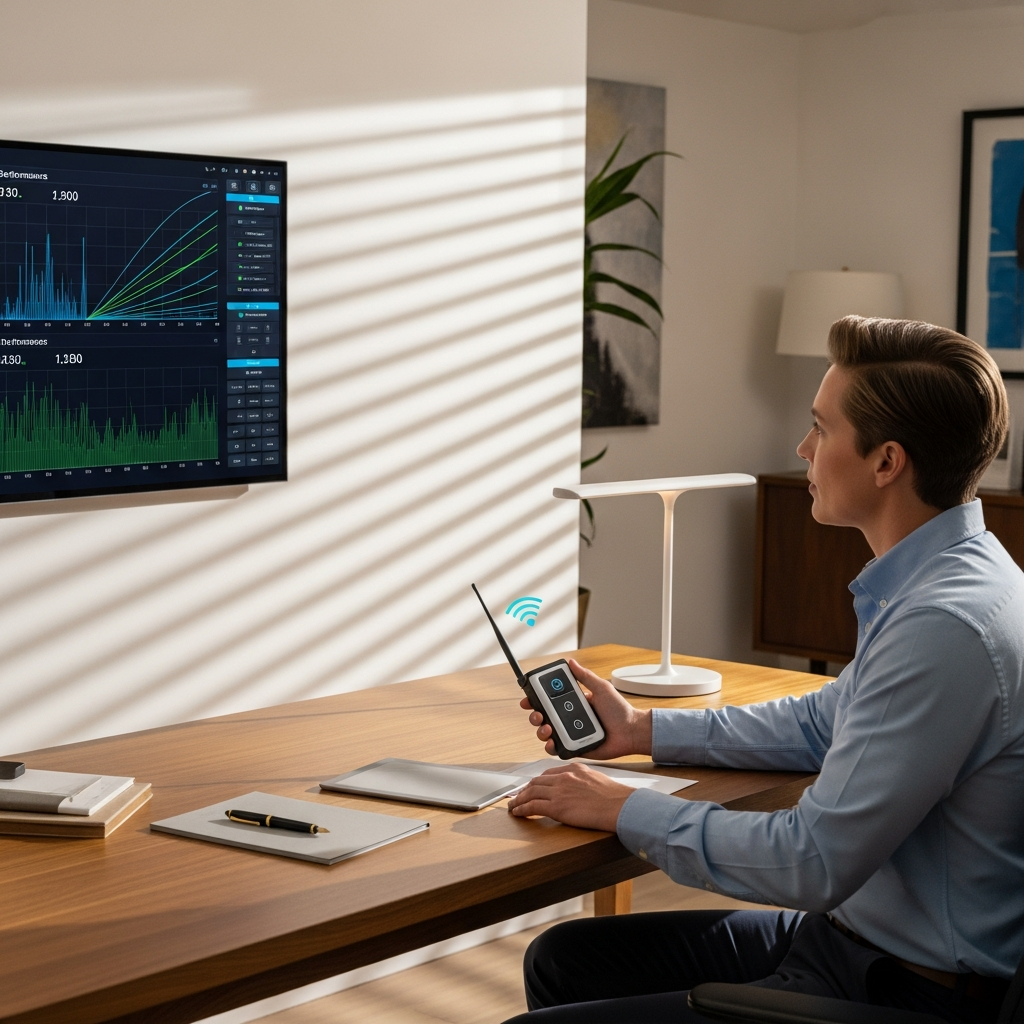
Beverly Hills has always been comfortable with the future. We restore the best of the past while adopting what is next, and nowhere is that more evident than in how homeowners care for their cooling systems. In recent seasons, the way we approach air conditioning maintenance has evolved from occasional tune-ups to a more holistic, data-informed, health-forward practice that suits the way we live now. That shift blends quiet technology with attentive craftsmanship to produce homes that feel consistently fresh, calm, and ready for anything.
From reactive to predictive
One defining trend is the move away from waiting for symptoms toward anticipating needs. Technicians now rely on more granular measurements and, when homeowners choose, discreet sensors that monitor system behavior. Instead of noting that a room feels warm and discovering a clogged filter, a maintenance visit may review airflow differentials between rooms, static pressure trends, and temperature splits that flag drift before comfort erodes. This predictive mindset allows for smaller adjustments more frequently, preserving performance the way a careful driver preserves a car.
For homeowners, the benefit is felt as steadiness. The system runs at the same quiet volume day after day, and the home’s temperature curve looks like a gentle line rather than a series of spikes. It is a difference you notice only in its absence, which is why predictive maintenance has found such an appreciative audience here.
Quieter by design
Luxury hinges on sound as much as sight. Recent maintenance practices prioritize acoustic refinement. Balancing blower wheels after cleaning, verifying that mounting pads are true, and isolating vibration with improved grommets are now common steps during a visit. Outdoors, securing fan blades, cleaning condenser coils precisely, and aligning louvers reduce the whoosh and whir that once passed as normal. Many Beverly Hills homes include home offices, studios, and wellness spaces where acoustics matter; fine-tuning systems during maintenance preserves those sanctuaries without compromise.
This quiet-first thinking extends to ductwork. Technicians are spending more time listening for and correcting turbulence at transitions, sealing seams that leak and hiss, and adjusting damper positions with a craftsman’s ear. The results are subtle and deeply satisfying—air that seems to appear rather than blow, and rooms that remain unruffled during conversations and calls.
Indoor air quality takes center stage
While comfort used to mean temperature alone, homeowners now speak first about air quality. Maintenance has followed suit. More visits include conversations about filter selection that balances capture efficiency with airflow, especially as families consider higher-MERV options. During wildfire season or hazy periods, technicians are verifying duct sealing, checking that return air pathways are clean and continuous, and ensuring that condensate management denies moisture a foothold.
Some homes are pairing maintenance with targeted upgrades—better filtration media, UV or polarized media cleaners where appropriate, and thoughtful return-air adjustments that let filters do their job without overburdening blowers. The maintenance appointment becomes a forum for aligning air quality and comfort so one serves the other rather than competing.
Smart controls that are actually smart
Smart thermostats have been around for years, but the trend now is smarter use of them. During maintenance, technicians review scheduling against real routines, not just manufacturer presets. They refine setbacks so the home eases into evening comfort rather than plunging there, and they ensure sensors read accurately by calibrating and relocating if necessary. In multi-zone homes, maintenance harmonizes independent zones so doors and draperies do not create microclimates that defeat the system’s intelligence.
When controls and equipment speak the same language, the result is comfort that feels natural. The thermostat anticipates occupancy with gentleness, and the equipment responds without stress. The payoff is less cycling, lower energy use, and a home that keeps its cool as elegantly as it keeps its schedule.
Attention to architecture
Beverly Hills homes are eclectic, and maintenance has become more attuned to that diversity. In glass-forward spaces with panoramic views, the trend is to audit afternoon gains and adjust airflow distribution seasonally. In thick-walled traditional homes, the focus may be on ensuring returns are sufficient and unobstructed by beloved furnishings. Rooftop equipment receives added inspection for sun and wind exposure; balcony units get special care to clear landscaping debris and confirm drainage. The maintenance plan is now a custom fit tailored to the way a particular home moves through the day.
For multi-level properties, technicians are increasingly documenting how comfort shifts between floors so that adjustments evolve with the season. It is not unusual now for a spring visit to favor upstairs bedrooms ahead of earlier sunsets and for a late-summer check to push more air toward first-floor living areas where entertaining concentrates.
Data and documentation as a service
Another trend is simple but powerful: better records. Homeowners expect transparency and continuity, so maintenance reports now read like a health chart. They note pressures, temperatures, amperage, and findings in clear language, and they track changes over time. That history informs smarter choices—when to replace a part proactively, which filter type has yielded the best balance of air quality and airflow, and how set points can be adjusted without sacrificing comfort.
In the long view, this documentation supports property value. Systems with a demonstrated history of professional care inspire confidence. When you can open a file and see seasons of steady numbers and prompt corrections, you know the home’s comfort is as curated as its lighting and its landscaping.
Care for heat pumps and hybrid systems
As more homeowners explore efficient heat pumps and hybrid systems, maintenance practices have expanded to match. Technicians now include checks that confirm reversing valve performance, evaluate defrost cycles for minimal disruption, and ensure that auxiliary heat is properly configured so it does not intrude unnecessarily. In cooling season, the fundamentals remain familiar—clean coils, verified charge, balanced airflow—but the awareness of year-round operation encourages slightly different scheduling and attention to controls.
For homeowners, the experience is continuity. Whether your system is cooling a summer afternoon or taking the edge off a winter morning, maintenance keeps the response consistent. That stability is especially valuable in homes where comfort expectations are understandably high and interruptions are unwelcome.
Subtle energy wins
Energy efficiency has grown more nuanced. Instead of a single big upgrade, homeowners are collecting small, compounding improvements during maintenance. Sealing a return leak that was bypassing a filter. Adjusting fan speed to better match duct design. Cleaning an outdoor coil with the right technique so fins remain straight and open. The effect is cumulative: the same cooling delivered with fewer watts and less noise. These are the sorts of refinements you notice in how the home feels at 3 p.m. on a bright day and how quickly it settles after sundown.
With attention turning toward sustainability, those small wins carry weight. They reflect a care ethic that suits Beverly Hills—considered, elegant, and effective without fanfare. You feel it as comfort that arrives without struggle.
Maintenance as lifestyle support
While technology has advanced, the most important trend may be cultural. Homeowners are viewing maintenance as a lifestyle support rather than a chore. They schedule visits around travel, celebrations, and projects, and they work with technicians who understand how the home is used across seasons. If a music room demands library quiet, maintenance prioritizes acoustic tuning. If a gym needs crisp air early in the morning, schedules reflect that. If the kitchen becomes a gathering place every Sunday, airflow is shaped accordingly.
That personalization makes maintenance feel like part of design rather than an afterthought. It acknowledges that comfort is experiential, blending temperature, sound, air quality, and response time into one felt sense of ease.
Frequently asked questions
What is the biggest change in maintenance you have seen recently? The shift to predictive, measurement-rich visits stands out. Technicians are using data trends—static pressure, temperature splits, amperage—to fine-tune systems before comfort degrades. For homeowners, it translates to steadier conditions and fewer surprises.
How do smart thermostats fit into maintenance now? They are valuable when paired with a tuned system. During maintenance, technicians calibrate sensors, refine schedules, and ensure the thermostat’s logic matches your routine. The result is smoother operation with less cycling and more natural-feeling comfort.
Can maintenance really make the system quieter? Yes. Cleaning, balancing, and securing components reduce vibration and turbulence. Attention to duct transitions and damper positions further softens airflow noise. Many homeowners notice an immediate hush after a thorough visit.
Is air quality truly addressed during maintenance? Increasingly so. Filter selection, duct sealing checks, and condensate management are common topics. While some upgrades go beyond routine service, the maintenance appointment is the right moment to align comfort and air purity goals.
Do these trends apply to condos and guesthouses? They do, with adjustments for access and equipment placement. Balcony or rooftop units need special attention for debris and sun exposure, and schedules may be tailored for spaces that are intermittently occupied so they recover quickly without running unnecessarily.
How often should I schedule maintenance to keep up with best practices? Twice a year works well for most homes—spring and early fall—because it brackets peak use and maps to seasonal wind patterns. The key is consistency so small adjustments prevent big problems.
Next steps for your home
If you want your home to reflect the best of these trends—quiet confidence, healthy air, responsive comfort—schedule thoughtful air conditioning maintenance. A well-planned visit turns sophisticated equipment into simple, reliable ease so you can focus on what matters most in daily Beverly Hills life.