
Keeping a Beverly Hills home cool is as much about rhythm as it is about equipment. Our neighborhoods stretch from sun-warmed flats to canyon slopes that catch radiant afternoon heat and funnel dry winds, and those shifts shape how you care for your system day to day. In this guide, I will share practical, locally tuned strategies you can adopt right away, grounded in the way our homes are designed and lived in. Treat these as simple habits that layer into reliable comfort, beginning with a commitment to routine air conditioning maintenance that reflects our microclimates and busy schedules. With a thoughtful approach, you can keep rooms serene, indoor air fresh, and cooling costs of effort—not money—firmly under control.
Start with airflow: the quiet foundation of comfort
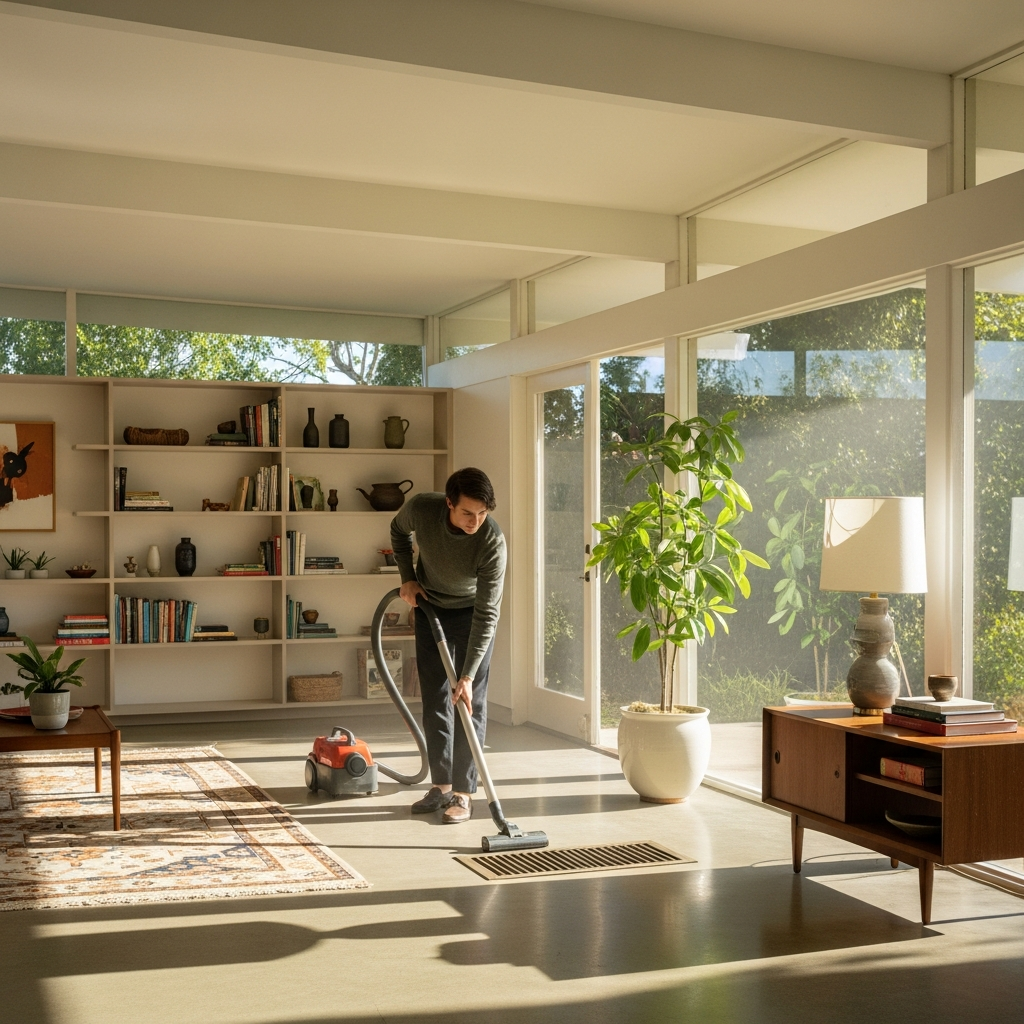
Every comfort complaint I hear—from a bedroom that never quite cools to a living room that warms up as the sun slides west—has an airflow story behind it. In older Spanish Revival or Tudor homes, graceful arches and plaster niches sometimes hide narrow return paths. In sleek, remodeled spaces, low-profile registers may look elegant but can under-deliver if ductwork behind them was never rebalanced. Begin by walking your home with a simple goal: keep returns clear, registers unobstructed, and pathways for supply air open. Move a rug a few inches off a floor vent, shift a console table away from a return, and you may feel an immediate lift in evenness throughout the day.
Outdoors, think of your condenser as a living, breathing partner in comfort. It prefers a small, respectful bubble—space to draw air in and send warm air out without colliding into hedges or a decorative screen. On still summer evenings, the air around a crowded unit can feel warmer than the rest of the yard, which means the system is working against a halo of its own making. Trimming a few inches of overgrowth and adjusting planters can unlock performance without touching a single screw on the equipment.
Filters and cleanliness: small acts, big payoffs
Filters are the quiet MVPs. In homes that entertain often or welcome pets, filter loading can accelerate, and you may not notice until the system’s supply air loses its familiar crispness. Rather than focusing on a fixed calendar date, use visual checks and your senses. A filter that looks mottled or that sheds dust when tapped is ready for replacement. Keep a small stash of the correct size in a linen closet and make the swap part of your monthly home rhythm—just as you do with fresh flowers or pantry restocks. Over time, you will feel how the house “breathes” better when filters are fresh.
Cleanliness extends to coils and drain lines. The indoor evaporator coil loves a clean filter upstream, but it also appreciates occasional professional attention to keep its fins sharp and free of film. The drain pan and line deserve respect, too; on our warm, dry days, a tiny algae colony can quietly start where condensate sits, and weeks later you will spy a small puddle near a closet or patio. Early, gentle cleaning prevents drama in the height of summer.
Smart controls, wiser patterns
Smart thermostats can learn your household’s rhythm, but they need a thoughtful starting point. If afternoon sun charges a room with heat, pre-cool slightly before the hottest hours so the system is not sprinting to catch up. Place temperature sensors where your family actually spends time—away from supply vents and out of direct sunlight—so the thermostat’s decisions reflect your lived experience. In Beverly Hills’ larger homes, sensors in guest rooms and offices can keep spaces from drifting too warm or cool while preserving the comfort of core living areas.
When you leave for a few hours, modest setbacks are fine; when you travel longer, consider a comfortable but conservative setting that eases the system’s load without allowing humidity to build. When you are back, let the system rise to the occasion with a gentle glide rather than an aggressive plunge. That balance saves wear while keeping the home ready for anything from a quiet dinner to a lively gathering.
Seal, insulate, and respect the ductwork
Ducts are the arteries of your cooling system. In attics above original plaster ceilings or behind built-ins, small gaps and kinks add up, bleeding conditioned air into places you will never feel. During professional visits, ask for a quick assessment of static pressure and duct integrity. Modest sealing and insulation improvements can transform a lukewarm room into a favorite retreat, especially late in the day when the western sun leans on our glass and stone. Even a single crushed flex run, straightened and supported, can restore the quiet whisper you expect from a well-tuned system.
Pay attention to returns, too. A generous, well-sealed return plenum keeps the blower calm and efficient. If you notice a whistling note or a door that consistently pulls closed when the system is on, that is a clue your return path needs attention. A small adjustment today preserves the serenity you want tomorrow during the peak of summer.
Outdoor units and landscape harmony
Our gardens are part of why we love living here, but holly, ficus, and bougainvillea can complicate cooling if they are too cozy with equipment. Design harmony is achievable: frame, do not hug. Leave space for service clearances and a natural flow of air. Be mindful of irrigation overspray, which can kick mineral-laden mist onto coil fins. In tight side yards, consider shifting a potted citrus tree a foot away to prevent leaves from settling into the fan shroud. These are minor edits with outsized comfort dividends.
Plan for access the way you plan for events. If a condenser sits behind a locked gate or under a terrace, think ahead to make service days smooth. A simple access plan—shared with household staff—means technicians can be in and out with minimal disruption, and your home returns to calm quickly.
Seasonal cadence: tune with the city’s rhythm
Spring invites a deep breath. Schedule a thorough check before June gloom lifts, when technicians can clean coils, clear drains, inspect electrical connections, and test performance without the press of peak season. Use that visit to review any oddities you noticed during the prior summer: a guest room that warmed up during a party, a faint rattle when doors closed, or a subtle lag in a wing of the house. Fresh eyes and early attention calm those quirks before they become stories.
Mid to late summer, after the first true heat waves, is your time to reassess. How did the home feel at 4 p.m. last week? Did the kitchen and great room hold steady when the oven and stovetop were working? A short follow-up to fine-tune blower speeds, check refrigerant charge, and confirm that the outdoor unit is breathing well can reset comfort for the final arc of the season. This is also an opportune moment to prioritize ongoing air conditioning maintenance that reflects how your household actually uses the home.
Quiet troubleshooting you can do
When something feels off, start with the simple. Stand near a supply register and listen. Is the sound steady or fluttering? Fluttering often hints at an obstruction or kink upstream. Put a hand over the register; if the airflow is timid compared to others, you may have a balancing issue a professional can resolve quickly. Walk outdoors and look at the condenser fan; is it pushing warm air with conviction? If not, trimming back a bit of overgrowth or clearing lint-like debris from the coil face can help until your next service visit. Trust your senses; small observations are often the most valuable notes you can share with a technician.
Respect the home’s story
Every Beverly Hills home has a story of additions, remodels, and subtle changes. That story shows up in temperature gradients, in doors that close themselves when the system runs, and in rooms that seem to prefer a particular setpoint. The best maintenance respects that story, tuning solutions to fit rather than imposing a generic template. When you work with professionals who ask questions and listen for these clues, you get outcomes that feel like your home—not just a home—running at its quiet best.
Frequently Asked Questions for Beverly Hills homeowners
How often should filters be checked in a home that entertains frequently?
In lively homes where doors open often and kitchens see regular use, filters load faster with fine particles and cooking byproducts. A monthly visual check gives you control. If the media looks patchy or feels dusty to the touch, replace it. In quieter months, you may stretch to six or eight weeks, but leaning into the monthly rhythm keeps airflow and air quality consistent, which is especially welcome when guests are arriving and the calendar is full.
Can a smart thermostat really smooth out hot afternoons?
Yes—when you pair it with smart placement and sensible settings. Keep the thermostat or its remote sensors out of direct sun and away from supply vents. Program a gentle pre-cool ahead of peak sun, then allow the system to hold a steady setpoint through the hottest stretch. The result is a smoother curve of operation without frantic sprints, and rooms that feel reliably even when the patio stones are radiating warmth into the evening.
Why does one room stay warmer even after duct sealing?
Sometimes the answer is not leakage but distribution. A branch run may be undersized for the room’s glass area or afternoon exposure. In other cases, furniture placement or a decorative grille reduces effective flow. A maintenance visit that measures airflow at the register, checks static pressure, and reviews room-by-room loads can reveal whether a balancing damper adjustment, a register change, or a minor duct modification will bring that room back into harmony.
Is outdoor coil cleaning safe for landscaping?
It is, when done thoughtfully. Professionals use cleaners and methods that respect plants and hardscapes, and they rinse carefully to avoid residue. What helps even more is preventive spacing and gentle, routine debris removal by hand between visits. When vines, petals, and clippings are kept at bay, cleaning becomes lighter and the garden never feels disturbed by service days.
What should I tell a technician before a visit?
Share the patterns that define your home: when rooms feel warm, whether doors pull shut when the system runs, and how your household uses different spaces. Mention recent remodels, new appliances, or furniture changes that might have altered airflow. If access involves gates, elevators, or roof terraces, give a quick primer so the visit starts smoothly. These small insights focus attention where it matters and turn a routine appointment into a tailored tune-up.
How do Santa Ana winds affect maintenance needs?
Dry, gusty winds move fine dust and pollen through gardens and side yards, accelerating debris accumulation on outdoor coils and loading filters faster. After a wind event, a quick walkaround to clear the condenser’s immediate space and a glance at indoor filters helps the system recover its easy breathing. If you notice a persistent change in sound or supply-air feel afterward, mention it during your next appointment so a technician can give the coil faces and drain lines a little extra care.
Ready to translate these habits into a summer that simply feels better, room to room and day to night? Start with a calm, professional tune timed to our seasonal rhythm, then reinforce it with light, consistent attention. For a plan built around your home’s architecture and lifestyle, schedule focused air conditioning maintenance with a local team that knows our blocks and microclimates well.
If you want a home that greets you with quiet, confident cool on the hottest afternoons, now is the perfect time to act. Set up your visit, confirm easy access, and let an expert fine-tune the details that make comfort effortless. Reserve your spot today and lock in reliable comfort with well-timed air conditioning maintenance tailored to Beverly Hills living.