
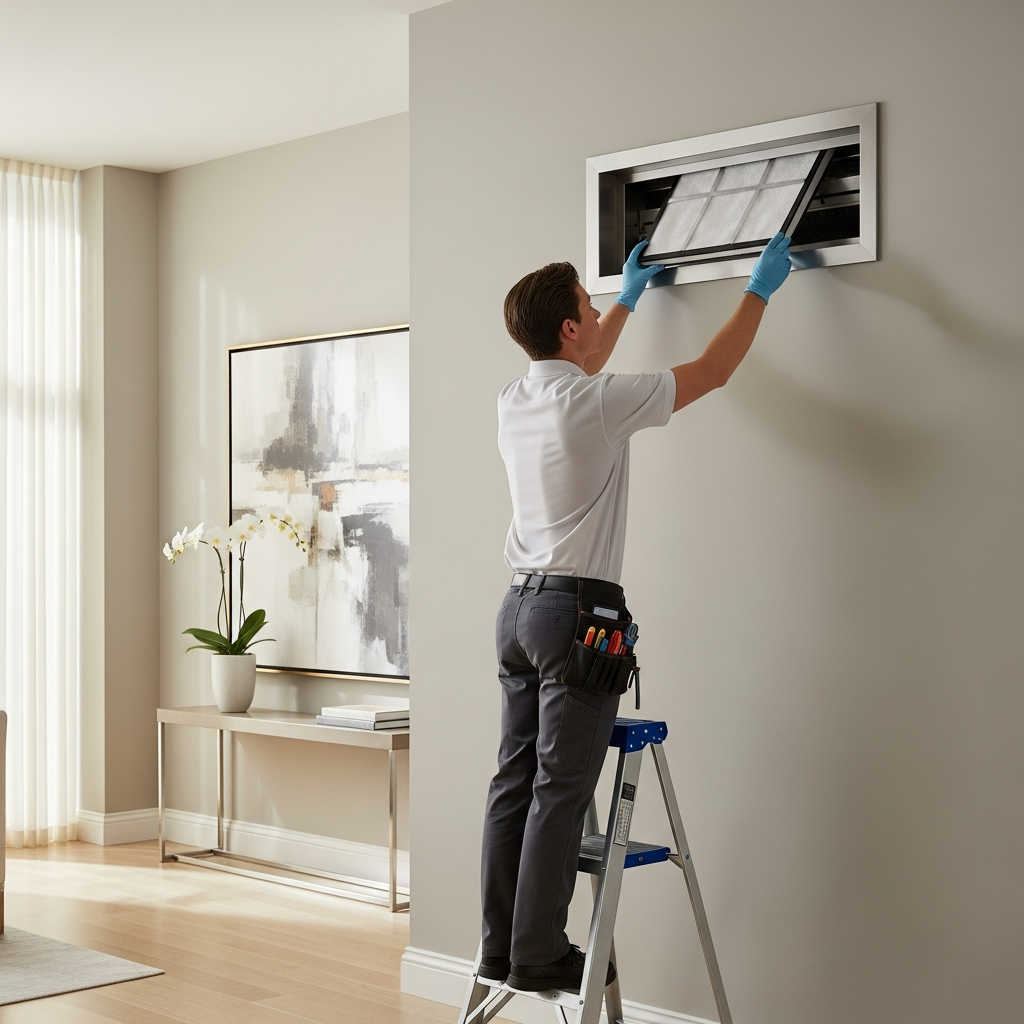
In Beverly Hills, where interiors are curated as carefully as wardrobes and gardens, maintenance is the quiet ritual that keeps a home’s comfort invisible and impeccable. I like to think of it as the choreography behind a perfect evening: nobody sees the rehearsal, yet every moment flows. With air conditioning, those backstage steps matter most in late spring and again mid-summer, when a thoughtful routine preserves silence, steadiness, and indoor air quality through the season’s hottest days. Whether your residence is a glass-framed pavilion above the flats or a classic estate shaded by palms, the same principles apply: respect the microclimate, listen to the house, and care for the system before it asks for attention. Modern air conditioning responds beautifully to proactive care, rewarding your diligence with comfort that feels effortless.
Every home is a landscape of small variables—sun exposure, occupancy patterns, window behavior, even pet activity. Maintenance aligns the system with those realities. Think beyond the thermostat and into airflow, filtration, and humidity. The goal is not just to avoid breakdowns but to preserve the tone of the home: cooler rooms that stay even when doors open, quieter vents that vanish into the background, and air that feels clean without the need for scattered portable devices. Here is how we support that experience across the calendar.
Spring: Set the Stage
Before summer accelerates, spring is the time for a detailed walkthrough. Outdoors, clear the space around condensers so air can move freely; hedges grow quickly and furniture migrates. Indoors, return grilles deserve a look, too—dust accumulation can signal filters working hard or envelope leaks worth addressing. A professional tune-up should verify refrigerant levels, inspect electrical connections, test safety devices, and confirm condensate management. When those fundamentals are in place, the system heads into summer prepared, and you enter the warm months with quiet confidence.
Filtration that Fits Your Lifestyle
Filtration is the simplest, most powerful maintenance lever you control. In active households or during weeks when regional air quality dips, filters load quickly. Choose filters appropriate to your system’s design and desired air quality; higher is not always better if it induces excessive pressure. What matters is consistency. If you favor fresh flowers, host frequently, or have pets, you are already asking more of your filter. Checking and changing on a schedule tailored to your lifestyle keeps the air feeling light and the equipment running without strain.
Respect the Ductwork
Ducts are the veins of the system, and they deserve periodic attention. Over time, insulation can compress, joints can loosen, and small leaks can grow. A pressure test and visual inspection catch issues before they compromise comfort. In design-sensitive homes, planned access points allow service without disturbing finishes. When ducts are tight and properly insulated, rooms feel more uniform, vents are quieter, and the system works less to deliver the same cool.
Manage Humidity with a Light Touch
Our climate can swing from arid to surprisingly humid for a few days, especially when ocean influence pushes inland. Systems that can modulate fan speed and compressor output hold humidity in a comfortable range without overcooling. As a maintenance mindset, that means confirming control settings, verifying sensor accuracy, and ensuring that bathrooms, gyms, and spas have dedicated ventilation that carries moisture away gently. When humidity is right, everything else feels better—sleep, skin, fabrics, even the perception of temperature.
Quiet, the Ultimate Luxury
Sound is often the first sign that a system needs attention. A new rattle, a whistling supply, or a louder-than-usual outdoor unit deserves a look before peak heat arrives. Many noise complaints trace back to simple causes: a clogged filter, an obstructed return, furniture placed too close to a diffuser, or yard growth crowding a condenser. Clearing these obstacles restores the hush. Where noise persists, a professional can rebalance airflow or adjust mounting to tame vibration. The aim is a cooling backdrop you never notice.
Clean Coils, Clean Conscience
Evaporator and condenser coils naturally collect dust and debris, which insulates them from the air they are meant to exchange with. Gentle, appropriate cleaning returns efficiency and reduces runtime. This matters more in homes with construction nearby or heavy landscaping. When coils are clean, air feels cooler quicker, the system cycles less, and you experience the intangible result: a home that holds temperature without working hard.
Condensate Lines and Pans: Small Parts, Big Stakes
One of the most avoidable headaches in luxury homes is a condensate overflow. Regularly verifying clear lines, functional pumps where used, and the presence of float switches is essential. In ceiling-mounted units above delicate finishes, secondary pans and sensors provide extra insurance. A few minutes of attention in spring can prevent a distraction that would overshadow a summer dinner party.
Controls that Reflect Real Life
Schedules made in winter may not serve in July. Review setpoints and routines as school calendars shift, travel picks up, and entertaining moves outdoors. If the home is frequently unoccupied during the day, a gentle drift warmer can be pleasant and efficient, provided pre-cooling returns spaces to target before you walk in. For night owls, cooler late-evening setpoints with quiet fan strategies preserve sleep. Good maintenance includes these small control edits that fit how you actually live.
Mind the Outdoors
Outdoor equipment lives in a dynamic environment. Leaves, pollen, and dust arrive with the season, and irrigation overspray can reach farther than you expect. Keep clearances around condensers generous, confirm that pads are level, and watch for reflective surfaces that can bounce heat back at the unit. Where noise concerns exist near patios or pools, subtle acoustic screening can help—provided it respects airflow. This is the balance: comfort for people and space for the machine to breathe.
Service That Disappears
Privacy is part of Beverly Hills living, and maintenance can honor that. Remote monitoring catches trends—rising static pressure from a loading filter, a drift in temperature differential, or a growing condensate pump cycle count—so service is timely and targeted. The best teams document thoroughly and arrive prepared, finishing quickly and leaving no trace. Over the summer, that subtlety lets life proceed without HVAC becoming a character in the story.
Midseason Tune: Listen and Adjust
By mid-July, patterns reveal themselves. Perhaps the morning sun in the kitchen nudges the temperature just enough to feel. Maybe the guest suite runs cool when empty. A midseason check-in invites small adjustments: diffuser trims, zone priority tweaks, and setpoint refinements. In homes with robust automation, coordinating shades with cooling during peak hours prevents rooms from drifting warm, reducing the system’s workload and preserving that pleasing, even tone across spaces. It is also the perfect moment to confirm that your air conditioning remains as quiet and consistent as the day summer began.
What to Watch, What to Ignore
Not every new sound is bad news, and not every high reading signals trouble. Learn your home’s baseline: how quietly air moves at night, how quickly rooms settle after cooking, what the usual difference is between supply and return temperatures. Changes from that baseline matter more than any absolute number. Routine observation—felt, not obsessed over—keeps surprises at bay and turns maintenance into an elegant habit rather than a chore.
Preparing for Travel
Many residents head out for weeks at a time. Before leaving, clear returns, confirm schedules that keep the home safe and lightly conditioned, and ensure remote alerts reach someone you trust. If you maintain sensitive rooms—wine, art, or server spaces—double-check that those zones are protected with monitored setpoints. Returning to a house that smells clean and feels exactly as you left it is one of summer’s quiet pleasures.
When It Is Time to Upgrade
Maintenance keeps good systems great, but there comes a point where persistent issues, rising noise, and inconsistent humidity indicate that equipment is past its graceful years. Upgrading to variable-capacity units, improving distribution, and integrating smarter controls yield immediate, felt improvements: softer sound, fewer adjustments, and rooms that remain perfectly even through the afternoon. Think of replacement not as a dramatic renovation, but as a refinement of the home’s most constant companion—the air you live in.
Frequently Asked Questions
How often should I replace filters in summer?
Your lifestyle dictates the cadence. Active homes, frequent entertaining, pets, or weeks with regional air quality issues all shorten filter life. Many Beverly Hills homes find a four-to-eight-week rhythm works in peak months, but monitoring and professional guidance are best.
Is coil cleaning really necessary every year?
It depends on environment. Homes near landscaping work or construction benefit from yearly attention; others can stretch the interval. Clean coils reduce runtime, cut noise, and help maintain even temperatures—a felt difference on hot days.
What are signs my ducts need attention?
Uneven rooms, whistling vents, excessive dust, or a system that seems to work hard without delivering cool are common clues. A pressure test reveals leaks, and a visual survey can catch crushed or poorly insulated runs.
Can I reduce noise without major construction?
Often, yes. Balancing airflow, enlarging starved returns, swapping diffusers, and isolating equipment mounts can dramatically lower sound. Outdoor unit placement and clearance also matter; small repositioning can yield big quiet.
How do I set summer schedules for comfort and efficiency?
Think in arcs. Cooler evenings and nights, gentler daytime setpoints when spaces are empty, and pre-cooling before you return. Coordinate shades with peak sun and let the system modulate quietly rather than cycling hard.
What maintenance protects finishes and art?
Stable humidity and temperature, clean filtration, and vigilant condensate management. In rooms with sensitive materials, consider dedicated monitoring and tighter control bands to prevent gradual stress on surfaces.
Do smart controls compromise privacy?
With professional platforms, no. They enhance privacy by minimizing unscheduled visits and allow secure, role-based access for family and staff. Monitoring focuses on system performance, not personal data.
Speak with a Beverly Hills HVAC Expert
If you want summer to feel quieter, cooler, and beautifully consistent from the first warm morning to the last dinner by the pool, the path begins with care calibrated to your home. Explore what modern air conditioning needs to perform at its best, and schedule a plan that keeps your Beverly Hills residence in a state of effortless comfort all season long.