
In Beverly Hills, the difference between a pleasant afternoon and a perfect one often comes down to how your home feels when you step inside. Maintenance is the quiet force that keeps that feeling consistent, turning equipment into an invisible ally through warm springs, sun-filled summers, and the shoulder seasons in between. Proper care does not have to be complicated; it simply needs to be intentional. With the right habits and timing, your air conditioning system will run quietly, efficiently, and predictably, so the focus stays on living well, not managing mechanics.
As someone who has seen cooling systems in everything from Spanish Revival classics to glass-walled new builds, I can tell you that maintenance is less about tinkering and more about respecting the way a home breathes. It is about airflow paths, clean surfaces, and small checks that prevent larger issues. The reward is a home that holds its setpoint gracefully, recovers quickly after doors open to the garden, and protects the finishes and furnishings you care about.
Filter care as a foundation
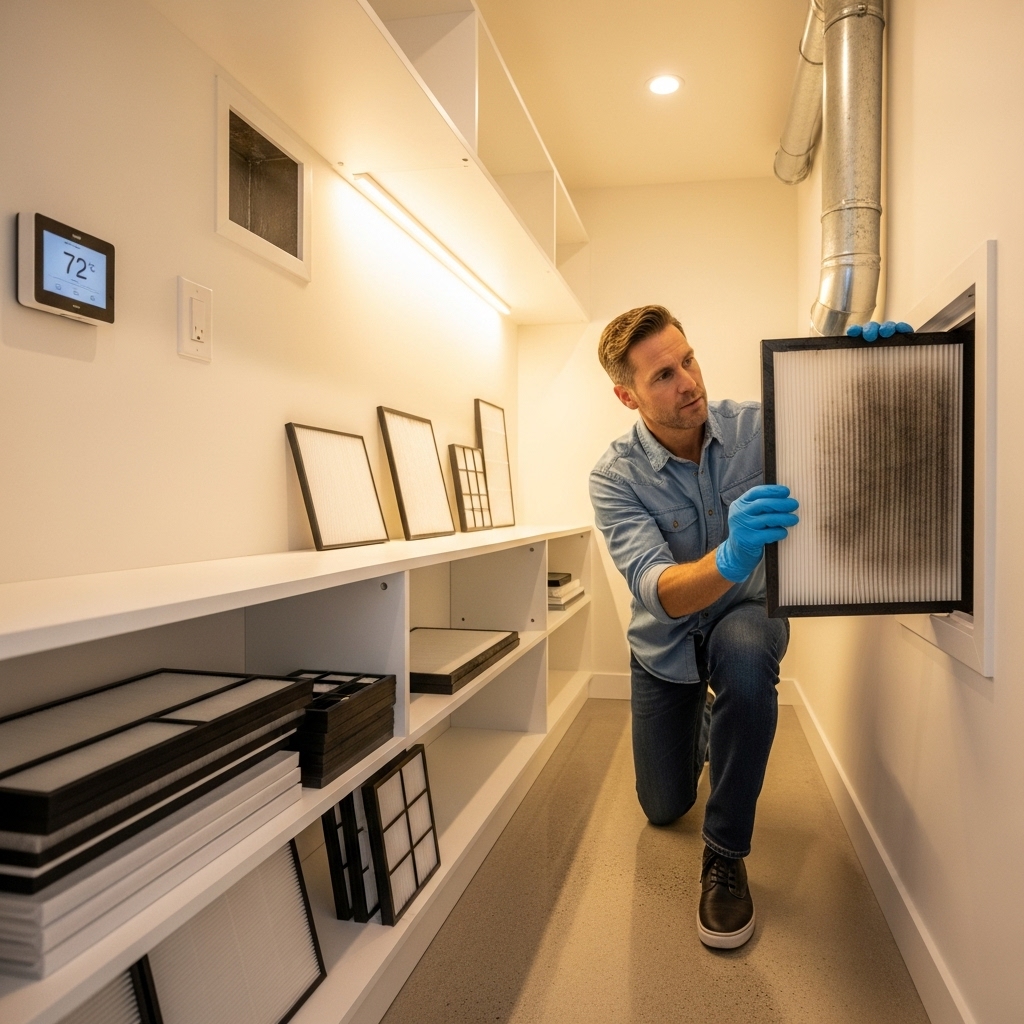
Filters are the frontline of both air quality and system performance. Dust and debris accumulate faster than most people expect, particularly in active households or homes with pets. Check monthly and replace as needed, aiming for clean filtration without restricting airflow. The right filter removes fine particles while allowing the system to move air freely. This single step supports efficiency, reduces wear, and helps rooms feel crisp even on mild days when the system is modulating gently.
Keep outdoor units breathing
Outdoor condensers need clear space to reject heat. In terraced yards and tight side setbacks common in Beverly Hills, plantings and decorative screens can crowd equipment. Give the unit room on all sides, trim greenery regularly, and clear leaves and lint that collect on fins. A gentle rinse—never a high-pressure blast—knocks away dust that insulates the coil. These few minutes can be the difference between a system that works easily and one that strains during the first wave of summer heat.
Mind the condensate path
Cooling pulls moisture from indoor air, and that water needs a clean exit. Drain lines are prone to algae growth, especially in warm, shaded utility spaces. Inspect lines, clean traps, and confirm that safety switches are present to shut down the system before overflow becomes a surprise. If you notice intermittent shutdowns or hear gurgling near the indoor unit, address the drain sooner rather than later. Preventing a small clog is simpler than repairing a ceiling below an attic air handler.
Coil cleanliness indoors and out
Evaporator and condenser coils transfer heat. When coated with dust or film, they lose efficiency and the system works harder to meet the same setpoint. Professional cleanings paired with at-home diligence keep these surfaces clear. In kitchens that open to living spaces, airborne oils can collect on returns and coils over time. Keeping returns clean and filters fresh protects the evaporator coil from grime that is difficult to reach without tools.
Airflow, the invisible backbone
A well-maintained system moves air easily. Registers should be open and unobstructed by furniture or drapes, and returns should have at least a hand’s width of clearance for steady draw. Pay attention to rooms that feel stuffy; they are often telling you about a blocked path or a closed register you have stopped noticing. In homes with mixed-era renovations, a quick survey of each space reveals surprising bottlenecks you can correct in minutes.
Thermostat calibration and sensible schedules
Modern controls are powerful, but simple settings still yield the best results. Verify that thermostats are not in direct sun or positioned near heat sources, and ensure remote sensors reflect spaces where people actually spend time. Build schedules around your real routine, not an idealized one. Morning scenes can pre-cool sunlit kitchens; evening scenes can ease bedrooms into a restful setpoint. Once these are in place, resist the urge to micromanage. Let the system do its work.
Zoning harmony
In larger homes, zones should cooperate, not compete. If one area consistently overcools while another lags, request a balancing review. Dampers may need adjustment, or control logic may benefit from updates that coordinate calls for cooling. The goal is a house that acts like a single, composed instrument rather than a set of competing players.
Seasonal professional tune-ups
A spring visit sets the stage for summer. Technicians check refrigerant levels, inspect electrical connections, verify airflow, and confirm that safeties are ready for peak demand. This is also the time to review any changes to the home—new windows, added rooms, or lifestyle shifts that alter load. A quick recalibration now prevents surprises in July and August when you want your system to disappear into the background.
Duct integrity and cleanliness
Ducts are the arteries of your system. In attic runs or older sections of a home, leaks and crushed segments are not uncommon. Sealing and insulating pay back immediately by restoring delivery and reducing runtimes. If dust appears on surfaces faster than expected, or if some rooms never match the setpoint, a duct inspection often reveals why. Clean, tight ducts complement filtration to keep air quality high and comfort consistent.
Humidity awareness
While Beverly Hills is not a tropical climate, interior humidity varies with marine layers, cooking, and bathing. A modest dehumidification boost during these periods makes the home feel cooler without lowering the setpoint. Pay attention during foggy mornings or after entertaining; if rooms feel heavy, let the system run a bit longer at a low fan speed to pull moisture from the air. Small adjustments reap large comfort dividends.
Respect the soundscape
Quiet is part of the maintenance goal. If new sounds appear—rattles, hums, or whistles—act before they normalize. Loose panels, unbalanced blowers, or airflow turbulence at grilles can usually be addressed quickly. Outdoors, vibration isolation and thoughtful placement maintain neighborhood calm. Your system should be felt, not heard.
Protect equipment from the elements
Outdoor units endure sun, dust, and occasional wind events. Simple covers for winter debris, careful placement away from irrigation spray, and a clean perimeter extend life. Avoid stacking items on top of equipment or concealing it completely behind dense screens that choke airflow. Think of the unit as a living part of the landscape: present, protected, and able to breathe.
Stay ahead with light housekeeping
Return grilles, registers, and nearby surfaces collect dust that recirculates with every cycle. A quick wipe during weekly cleaning limits what reaches filters and coils. The habit is minor; the effect on air quality and performance is outsized. This is especially helpful in rooms that open to patios, where foot traffic carries in fine debris.
Know when to call for help
Maintenance is about partnership. If you notice ice on refrigerant lines, water where it should not be, or a system that runs without cooling the air, pause and bring in a professional. Early intervention protects equipment and keeps comfort steady. Communicate what you noticed and when; those details shorten diagnosis and speed resolution.
Think long-term during upgrades
When replacement or expansion comes into view, consider variable-speed equipment, improved duct design, and smart controls that learn your routine. These investments pay back in quieter operation, steadier temperatures, and fewer interventions. The most satisfying systems are those you barely think about because they simply work in the background, day after day.
Indoor air quality and wellness
Filtration, ventilation, and humidity control form a wellness triangle. If someone in your household is sensitive to pollen or dust, or if wildfire smoke arrives from afar, your maintenance plan should prioritize clean filters and sealed ducts. The difference shows up in better sleep, calmer mornings, and a home that smells like itself—fresh, neutral, and restful.
Documentation matters
Keep a simple record of filter changes, service visits, and any unusual symptoms. Patterns emerge over time, and technicians can make more precise recommendations when they see the home’s history. Maintenance is not only mechanical; it is informational. Your notes are part of the system’s intelligence.
Enjoy the payoff
When maintenance is steady, benefits accumulate. Rooms cool evenly, humidity stays in check, and the system runs quietly at lower speeds more of the time. You will find yourself thinking less about setpoints and more about how the home feels—lighter, calmer, and more inviting for you and your guests.
At the center of all these practices is a commitment to dependable air conditioning that suits your architecture and lifestyle. Maintenance gives that commitment a shape—small, regular actions that preserve ease through the warm months and beyond.
Frequently Asked Questions
These answers reflect what local homeowners ask most when building a maintenance routine that keeps comfort predictable.
How often should I replace my filter?
Check monthly and replace as needed. Households with pets, open doors to patios, or frequent entertaining may need more frequent changes. Clean filters protect airflow, reduce strain on equipment, and improve indoor air quality.
Do I really need a professional tune-up every year?
Yes. A spring visit verifies refrigerant charge, electrical integrity, drainage, and airflow, and it ensures the system is ready for peak loads. It is the difference between confident comfort and reactive service calls.
What temperature should I set for the best efficiency?
Choose a comfortable range and let the system run at steady, moderate speeds. Avoid large, frequent swings that force catch-up cooling. Scheduling around your routine delivers comfort with less effort.
Why does my system run longer at lower speeds?
Variable-speed operation is designed for longer, quieter runs that maintain even temperatures and remove humidity efficiently. It feels gentler because it is, and it typically uses less energy than short, high-speed bursts.
Is duct cleaning always necessary?
Not always. The priority is sealing leaks and ensuring proper filtration. If you notice unusual dust or airflow concerns, an inspection determines whether cleaning is warranted. A tight, well-filtered system stays cleaner naturally.
If you are ready to give your home the calm, consistent comfort it deserves, build a simple plan around regular care, smart controls, and clear airflow. For guidance shaped by local homes and habits, start a conversation about maintaining and optimizing your air conditioning so each room feels as inviting as it looks, day after day and season after season.