
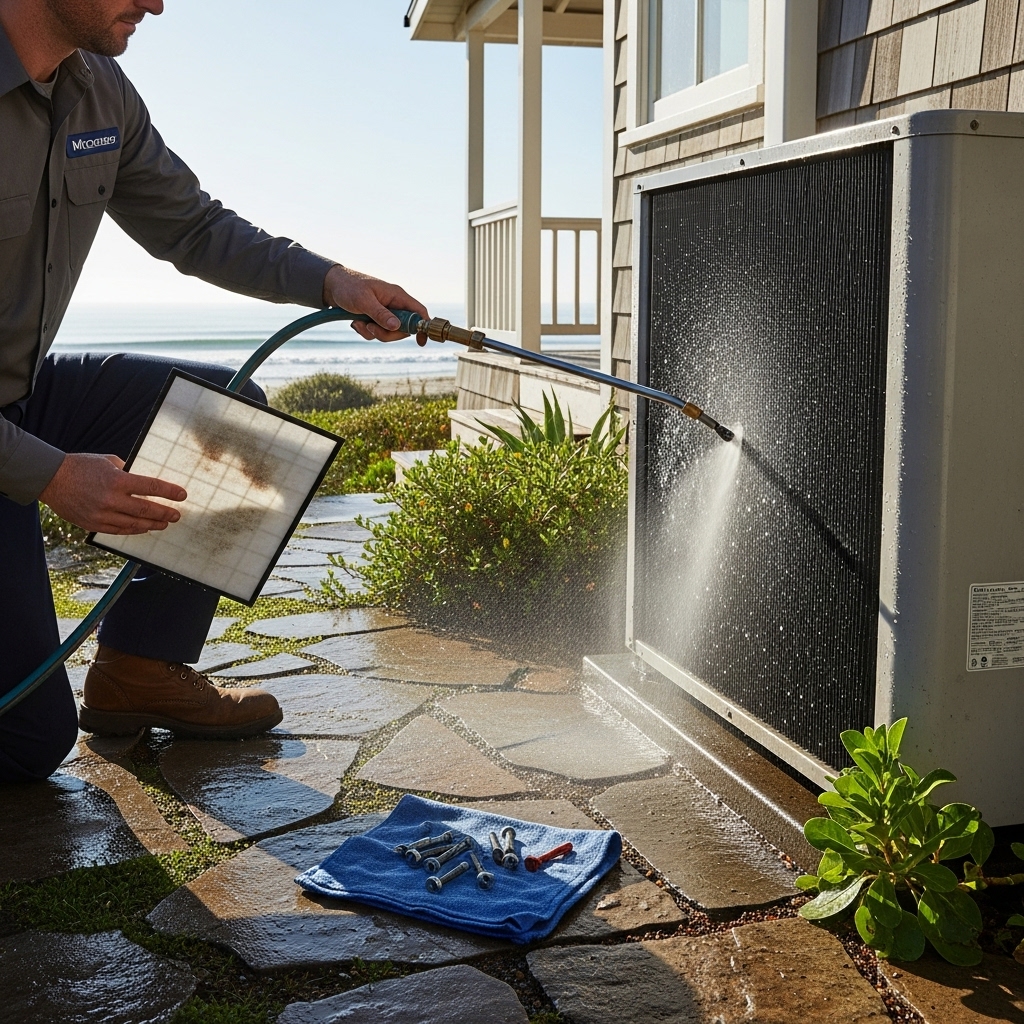
Energy savings in Beverly Hills begin with respect for the coast. Marine fog, salty breezes, canyon drafts, and late-season smoke all touch your cooling system, changing how it performs and how it should be cared for. Smart maintenance shaped by local conditions keeps comfort steady and trims energy use naturally, without gimmicks or discomfort. Having worked on homes from the beachside bungalows to hillside retreats, I have learned that the best strategies are simple, consistent, and tailored to exposure. They also make your system last longer, which compounds savings over time. Thoughtful air conditioning maintenance, performed at the right moments and with the right materials, is the surest path to lower energy use on the coast.
Begin with a clear baseline
The first step toward efficient operation is understanding where you stand. A thorough maintenance visit measures airflow, static pressure, temperature splits, and refrigerant behavior under real loads. Outdoors, we assess coil condition and cabinet seals; indoors, we check the evaporator for cleanliness and confirm that condensate drains freely. Establishing a baseline allows us to compare readings season to season, catching small drifts before they become big problems. For Beverly Hills homes, we also note exposure details: wind paths, roof drip lines, and sprinkler patterns that may influence salt and moisture accumulation. This context lets us tailor cleaning and protection plans and set realistic expectations for coil life and inspection frequency.
Coil cleanliness: the heartbeat of efficiency
Nothing improves energy performance faster than clean coils, inside and out. On the coast, coils attract fine salts and dust that cling to fins and reduce heat exchange. Outdoors, we rinse with low-pressure water and, when needed, apply cleaners that respect protective coatings. Indoors, we remove debris carefully to keep fins intact and air moving freely. The change after a proper cleaning is immediate: lower head pressures, cooler supply air, and shorter cycles. Not only does the home feel better, but your system works less to achieve the same results. Keeping coils clean is like removing a heavy backpack your equipment has been carrying unnoticed.
Filters tuned to your reality
Filter strategy balances air quality and airflow. Choose products that capture smoke and fine particulates without choking the system, and align replacement frequency with Beverly Hills’s seasons. After smoky days or wind events, filters clog faster, increasing static pressure and raising energy use. We recommend checking more often during those periods and returning to a regular cadence when air clears. Grille-mounted returns benefit from high-flow grilles that reduce resistance. The goal is to keep the air handler breathing easily so fans and compressors do not work harder than necessary—an immediate, measurable form of energy savings.
Airflow and ductwork: quiet power
Good airflow is quiet, even, and efficient. During maintenance, we measure static pressure and compare it to target ranges, identifying restrictions from dirty filters, kinked flex, or undersized returns. We seal accessible leaks that waste conditioned air into attics or crawlspaces and insulate sections exposed to heat. Small adjustments—realigning a sagging run, adding a return in a starved area, or replacing a noisy grille—can lower static pressure and reduce energy use across every cooling hour. For homes opened frequently to ocean air, improved filtration and balanced returns keep indoor conditions stable when doors and windows close at midday.
Electrical health that preserves efficiency
Capacitors, contactors, and relays affect how smoothly motors start and run. Weak components cause drawn-out starts and longer cycles, both of which waste energy and stress equipment. We test and replace suspect parts proactively, and we protect connections with non-conductive coatings that resist salt creep. Tight electrical health shows up as crisp startups and steady operation, letting variable-speed systems, in particular, modulate gracefully rather than stumbling through changes in demand.
Refrigerant charge verified the right way
Charging by guesswork leaves efficiency on the table. We verify charge using manufacturer-approved methods and confirm with temperature and pressure behavior under steady-state conditions. On variable-capacity systems, we assess performance across multiple speeds, ensuring that the equipment delivers expected capacity without overshooting. Correct charge shortens cycles, stabilizes humidity control, and protects compressors—benefits that save energy immediately and extend component life.
Protective strategies for salt and sun
After cleaning and tuning, we protect. Coil coatings designed for marine environments slow corrosion without choking heat transfer. Stainless or coated fasteners replace rust-prone hardware, and cabinet seams are resealed to keep moisture out of electrical compartments. UV-stable insulation replaces brittle line-set wraps, and penetrations are sealed with flexible materials that tolerate sun and salt. Thoughtful placement adjustments—nudging a unit out of a wind tunnel or beneath a better overhang—reduce exposure. These details do not just look tidy; they hold your efficiency gains by preventing the slow slide back toward strain and waste.
Controls that follow the coastal day
Smart thermostats shine when programmed to mirror Beverly Hills’s pattern. Gentle morning ramp-ups prevent overshooting setpoints as fog burns off. Afternoon schedules that anticipate solar gains in glass rooms keep comfort steady without extreme fan speeds. For part-time residences, geofencing and remote control allow pre-conditioning before arrival and setbacks when the home is empty. We also fine-tune fan strategies, sometimes allowing a short post-cool fan run to harvest residual cold air, but avoiding continuous fan modes on humid mornings that can raise indoor moisture. The right program saves energy invisibly by aligning operation with the actual day outside.
Condensate management that avoids surprises
Clogged drains force systems off at the worst times and can lead to water damage. During maintenance, we clear and treat condensate lines, confirm traps, and verify pitches. We also check secondary drain pans and float switches for reliable protection. Efficient systems are dependable systems; keeping drains flowing means fewer emergency stops and wasted runtime attempts during hot afternoons. It is a small task with outsized comfort and energy dividends.
Mid-season check-ins for Beverly Hills realities
Between spring commissioning and late-summer tune-ups, conditions change. Smoke events, heat spikes, and heavy fogs alter how your system runs and what it needs. A short mid-season check that focuses on coil cleanliness, filter condition, and electrical health catches shifts early. For homes with guests in peak season, this brief visit is cheap insurance against uncomfortable surprises, and it keeps energy use from creeping up as conditions stress the system.
Envelope and shading: partners in efficiency
Maintenance extends beyond the mechanical. Exterior shading, well-fitted window coverings, and strategic use of operable windows all reduce cooling load. We often coordinate with homeowners to time shade deployment as the sun swings across the water, reducing gains in large glass rooms. With lower loads, your system runs at lower speeds for longer, a sweet spot where modern equipment is both quiet and efficient. The home feels calmer, and energy use falls without sacrificing the ease of open-plan living.
Data, not guesswork
We track key readings from each visit so we can spot trends. If static pressure creeps up or supply temperatures rise season after season, we know to look for duct blockages, coil films, or charge drift. Data also helps homeowners decide when an upgrade is warranted. When an older system shows repeated signs of strain despite good maintenance, planning for replacement prevents the spiral of frequent repairs and rising energy use. Making that choice with numbers in hand turns a stressful decision into a confident, timely move.
In the middle of summer, small habits pay off
Homeowners can do a lot in five minutes. Rinse debris from outdoor coils with low-pressure water, check that plants have not crowded the unit, replace filters after smoky days, and keep supply registers open to maintain balanced airflow. Listen for new noises and look for water near the air handler. Early attention transforms would-be emergencies into quick adjustments, keeping your air conditioning running at its efficient best when the house is full and the patio doors cycle open and shut all day.
Frequently asked questions about energy-saving AC care
How often should I schedule maintenance on the coast?
Twice yearly is ideal in Beverly Hills—once in spring before heat arrives and once in late summer or early fall to clear the season’s buildup. Homes with heavy use or salt exposure benefit from brief mid-season checks focused on coils, filters, and electrical health.
Do higher-efficiency filters always save energy?
Not automatically. Filters must balance capture and airflow. A too-restrictive filter can raise static pressure and energy use. We select filters that fit your system and local conditions, then adjust replacement frequency as seasons change, particularly during smoky periods.
What single maintenance task has the biggest impact?
Coil cleaning, indoors and out, is the fastest path to better efficiency. Restoring clean fin surfaces improves heat exchange immediately, shortening cycles and lowering compressor strain. Filter management runs a close second, especially during heavy smoke or wind events.
Can smart thermostats really reduce energy use?
Yes, when programmed thoughtfully. Smart controls align operation with actual conditions and occupancy, avoiding overcooling and unnecessary fan use. Remote access allows setpoint adjustments for part-time residences, preventing wasted runtime when no one is home.
How do I protect my system from salt corrosion?
Use coastal-grade equipment and hardware, apply protective coil coatings where appropriate, rinse outdoor coils periodically, and keep units out of roof drip lines or sprinkler sprays. Sealed electrical compartments and UV-stable insulation add long-term resilience.
When does replacement make more sense than continued maintenance?
When repeated readings show declining performance despite proper care—rising static pressure from aged ducts, deteriorating coils, or frequent electrical failures—it is time to evaluate replacement. New variable-capacity systems often deliver quieter operation and lower energy use, especially when paired with tight ducts and smart controls.
Make maintenance your calm advantage on the coast
Comfort on the shoreline should feel effortless. With a maintenance plan tuned to Beverly Hills’s climate, your system stays clean, protected, and responsive, and your energy use falls into line naturally. Reach out to schedule a seasonal visit or a mid-summer check, and let us set your home up for steady, quiet performance. When the next warm afternoon arrives or the marine layer lingers longer than expected, your air conditioning will respond smoothly—leaving you free to enjoy the view.