
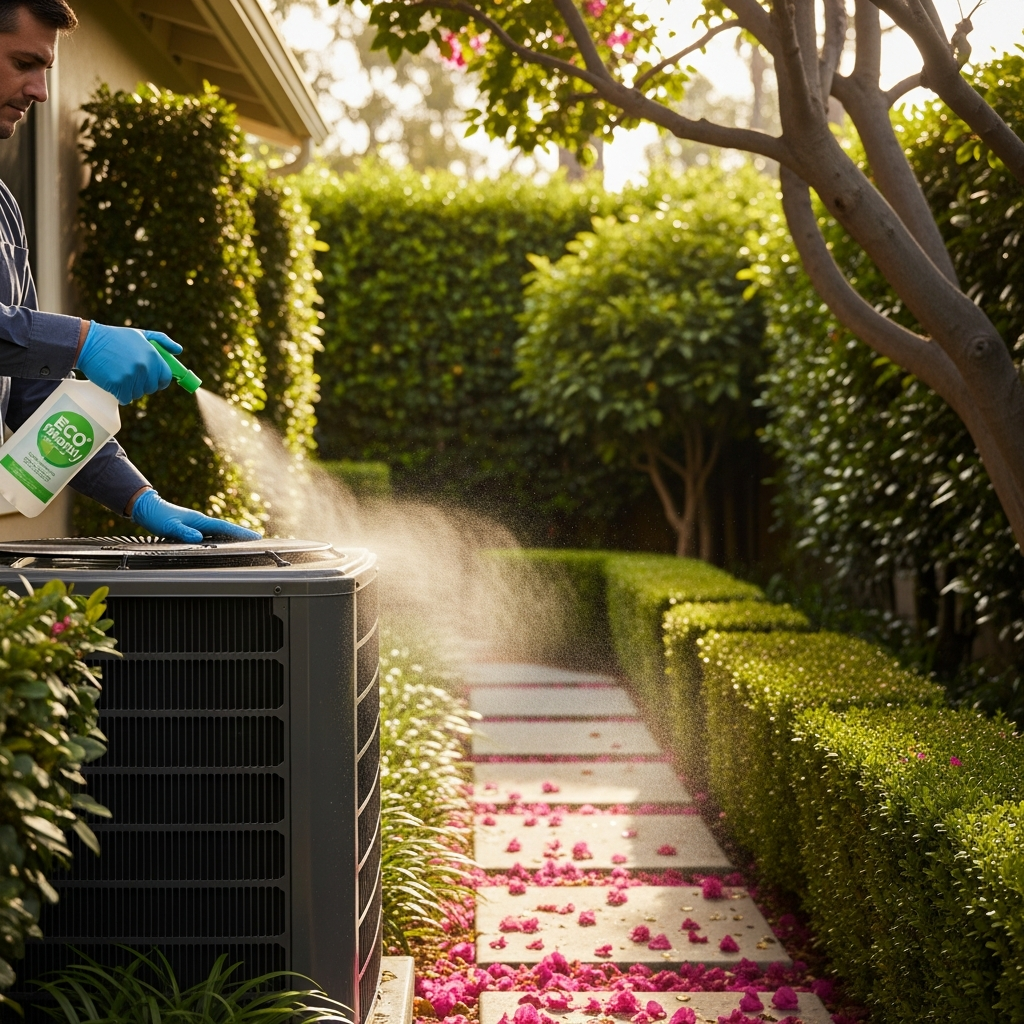
In Beverly Hills, air conditioning maintenance and cleaning are less about occasional fixes and more about safeguarding the quiet ease that defines a well-kept home. Our streets bend through microclimates—cooler flats, sunlit canyons, and leafy side yards that trade privacy for airflow challenges. Dust from distant work sites, pollen from vigorous hedges, and even the fine grit that rides in on Santa Ana breezes all conspire to coat coils and load filters. This guide shows how attentive cleaning and thoughtful upkeep preserve performance, protect finishes, and keep rooms beautifully even through long afternoons. It all begins with a rhythm of intentional care grounded in dependable air conditioning maintenance that respects how Beverly Hills homes are built and lived in.
Why cleaning matters so much here
Cooling systems are heat movers, and they shine when air and surfaces are clean. Indoors, the evaporator coil is a fine-fin marvel designed for crisp heat exchange. A thin film of dust or kitchen aerosol, though, insulates those fins like a blanket, softening supply air temperature and asking the blower to work harder. Outdoors, coils face a different film—petals, micro-leaves, urban dust—that coats the fin surface and slows airflow. Add tight side yards and decorative screens that look handsome but sit a touch too close, and you have subtle resistance that adds up by late afternoon. Cleaning is how you remove that friction so the system glides again.
Because Beverly Hills blends dense plantings with sun-reflective surfaces, our equipment endures alternating bouts of debris and radiant load. Even when the condenser sits in shade, reflected light and still air can create a warm pocket near fins if landscaping crowds the unit. Gentle, regular cleaning breaks that cycle and returns breathing room to the system, preserving both quiet and performance.
Filters: the first line of defense
Fresh filters protect the indoor coil and your air. In homes alive with entertaining, candles, and cooking, filters load faster—sometimes much faster—than a generic schedule would suggest. Make inspection part of your monthly rhythm. A filter that looks patchy, smells stale, or sheds dust when tapped is ready to swap. Keep a box of the correct size in a handy closet so the change is simple and immediate. This small act pays in sharper supply air, steadier humidity control, and indoor surfaces that collect less dust over time.
Mind the return paths leading to those filters. Furniture, art, and drapery often migrate subtly over months, nibbling at clearances. Walk your home and restore the generous breathing space returns crave. When returns pull easily, the blower purrs rather than strains, and you can feel the difference in room-to-room evenness.
Evaporator coil care: delicate, essential work
The indoor coil rewards respectful attention. When filters stay fresh, the coil remains clean longer, but life happens—renovations, parties, and pets add load. A professional’s light-handed cleaning keeps fins sharp and free of film without bending or bruising the coil surface. The payoff is immediate in temperature split and dehumidification, especially in kitchens and great rooms where internal gains accumulate late in the day. While the panel is open, a technician should also glance at the blower wheel for film and verify that the drain pan is free of debris.
Speaking of drains, a clear, pitched condensate line is your insurance against surprise puddles. In shaded closets and side yards, slow water can invite algae. A careful spring treatment and verification of a smooth path to the termination point save headaches later. Place this task alongside coil care on your seasonal checklist.
Condenser cleaning: restoring outdoor breathing room
Outdoors, start with space. Give the condenser a respectful buffer from hedges, trellises, and sculptures. Then address the coil face itself. Fine debris often mats against the fins where it is hard to see at a glance. Gentle removal—by hand and with appropriate cleaning methods—restores airflow without forcing contaminants deeper. Be mindful of irrigation; overspray that carries minerals can leave a crust that interferes with heat transfer. A small nozzle adjustment or a shield can prevent recurring deposits and reduce future cleaning needs.
Positioning matters. Where reflective walls bounce heat toward the unit, a service may suggest subtle shade solutions that do not block airflow. Where a unit sits in a well or alcove, confirming that exhaust air escapes rather than recirculates is essential. These small environmental tweaks complement cleaning, keeping the area around the condenser calm and cool.
Ductwork, seals, and the sound of a healthy system
Clean ducts carry comfort. Over years, seams loosen and insulation sags, especially in attics above plaster ceilings. A maintenance visit that inspects accessible runs, seals modest leaks, and supports lazy sections brings the hush back to airflow and reduces dust that can settle on coil and filter surfaces. The improvement is not just audible; it is tangible when a once-tepid room now receives supply air with conviction.
Listen to your home. Doors that drift closed when the system runs tell a pressure story; whistling registers tell a restriction story. Cleaning and sealing address both by removing the hidden friction points that force the blower to muscle air through compromised paths. The end result is the effortless, nearly silent flow you expect in a well-tuned Beverly Hills home.
Controls and sensors: cleaning up the decisions
Even the smartest thermostat relies on honest inputs. Dust can dull sensor readings, and sunlight can mislead a wall stat placed for aesthetics rather than truth. Wipe sensor faces gently, confirm that thermostats are shaded and away from supply drafts, and reconsider locations if a remodel changed the way light and air move through a room. Pair this with a thoughtful schedule that pre-cools before the day’s hottest hours and you will sense the home gliding through afternoons that used to feel challenging.
Multi-room sensors in large estates deserve a quick seasonal check to ensure they still represent where people spend time. Guest suites and home offices come and go in your daily rhythm; your controls should evolve with them. Cleaning here is about clarity—clear inputs lead to smart, gentle decisions by the system.
Working with professionals: what good cleaning looks like
Professional cleaning is methodical and respectful. Indoors, panels are opened with care, coil fins examined and cleaned without roughness, drain pans cleared, and blower wheels assessed. Outdoors, the unit is powered down properly, coil faces are cleared with techniques that lift rather than drive in debris, electrical connections are checked, and clearances are restored with an eye toward landscape design. You should hear thoughtful questions throughout: how the home felt at 4 p.m., whether a room lagged, where furniture may have shifted. Those conversations connect cleaning to lived experience.
Documentation closes the loop. Ask for notes on coil condition, drain health, blower status, and static pressure readings, along with any small recommendations. Keep these where you can compare season to season. It is the easiest way to spot trends and choose small improvements that yield big comfort returns.
Seasonal rhythm for cleaning in our city
Spring is prime time for deep cleaning. Coils, drains, sensors, and outdoor clearances all get a reset before demand swells. Mid-summer invites a briefer touch—especially after the first heat wave—to confirm that airflow remains free and that outdoor fins are not wearing a fresh film. Autumn, with its dry winds, is your moment for a quick outdoor sweep and an indoor filter and sensor check, particularly if you are hosting more. Winter is calmer but not silent; a light inspection keeps dust from settling into places you would rather it not.
Hillside homes and properties with dense gardens benefit from slightly more attention in the hottest months. Heat that lingers against stonework and foliage that grows exuberantly can combine into a subtle demand surge. Respond with focused cleaning and a brief performance review rather than waiting for discomfort to announce itself.
Frequently Asked Questions about cleaning and care
How often should indoor coils be professionally cleaned?
With consistently fresh filters and a clean indoor environment, many homes can go a season or two between coil cleanings. However, signs like softened supply air temperature, persistent humidity, or evidence of a dusty blower wheel suggest it is time. In Beverly Hills, homes that entertain frequently or that have undergone recent renovations benefit from more vigilant reviews to keep coils sharp and responsive.
What is the best way to keep outdoor coils clean between visits?
Maintain breathing room and perform gentle, regular walkarounds. Remove leaves and petals by hand, keep planters and hedges a respectful distance away, and adjust irrigation to prevent overspray. Avoid aggressive DIY cleaning methods that can bend fins or force contaminants deeper. Light touch, often repeated, is the winning approach.
Are higher-grade filters always better for cleanliness?
The best filter is the one that balances capture efficiency with your system’s airflow design. Very restrictive media can reduce flow if the blower and ductwork were not sized for it, which can in turn stress the system and make coils work harder. Discuss options with a professional who can measure static pressure and advise a filter that keeps both cleanliness and airflow in harmony.
How do I know if dust on registers is from ducts or the room?
Dust at a register can come from both sides. If you see streaking patterns that match airflow, or if nearby surfaces collect dust more quickly when the system runs, airflow may be stirring room dust rather than exporting duct dust. A maintenance visit that checks duct seals and cleanliness, along with a review of filter performance, can pinpoint the source and guide the right remedy.
Can cleaning reduce system noise?
Often, yes. A clean blower wheel runs truer, reducing vibration. Clear ducts and returns prevent the whistling that comes from forcing air through narrowed paths. Outdoor units breathe more quietly when coils are free of matting and when exhaust air does not recirculate in a tight alcove. The quiet that follows a thorough cleaning is one of the most gratifying signs of a healthy system.
Does cleaning help with seasonal allergies?
It can support relief. Fresh filters, clean coils, and sealed ducts reduce the particulates that circulate indoors. Pair that with sensible housekeeping—regular dusting and vacuuming with a good bag or HEPA-equipped machine—and you set a strong foundation. If allergies are a recurring concern, ask your service about filtration strategies that fit your system without compromising airflow.
If you want your home to feel serenely cool, with supply air that is crisp and equipment that runs in a near-whisper, now is the time to put this plan into motion. Begin with a thorough spring tune and follow with light, seasonal touchpoints that keep friction at bay. For guidance tailored to your house—from the way sun lands on your terrace to the privacy hedges lining your side yard—schedule professional air conditioning maintenance that prioritizes cleaning and airflow.
Do not wait for the first heat wave to tell you it is time. Reach out today, choose a convenient window, and let a local expert restore the kind of quiet, confident performance that makes Beverly Hills living feel effortless. Book your visit now and anchor your comfort with attentive air conditioning maintenance focused on cleaning that truly counts.