
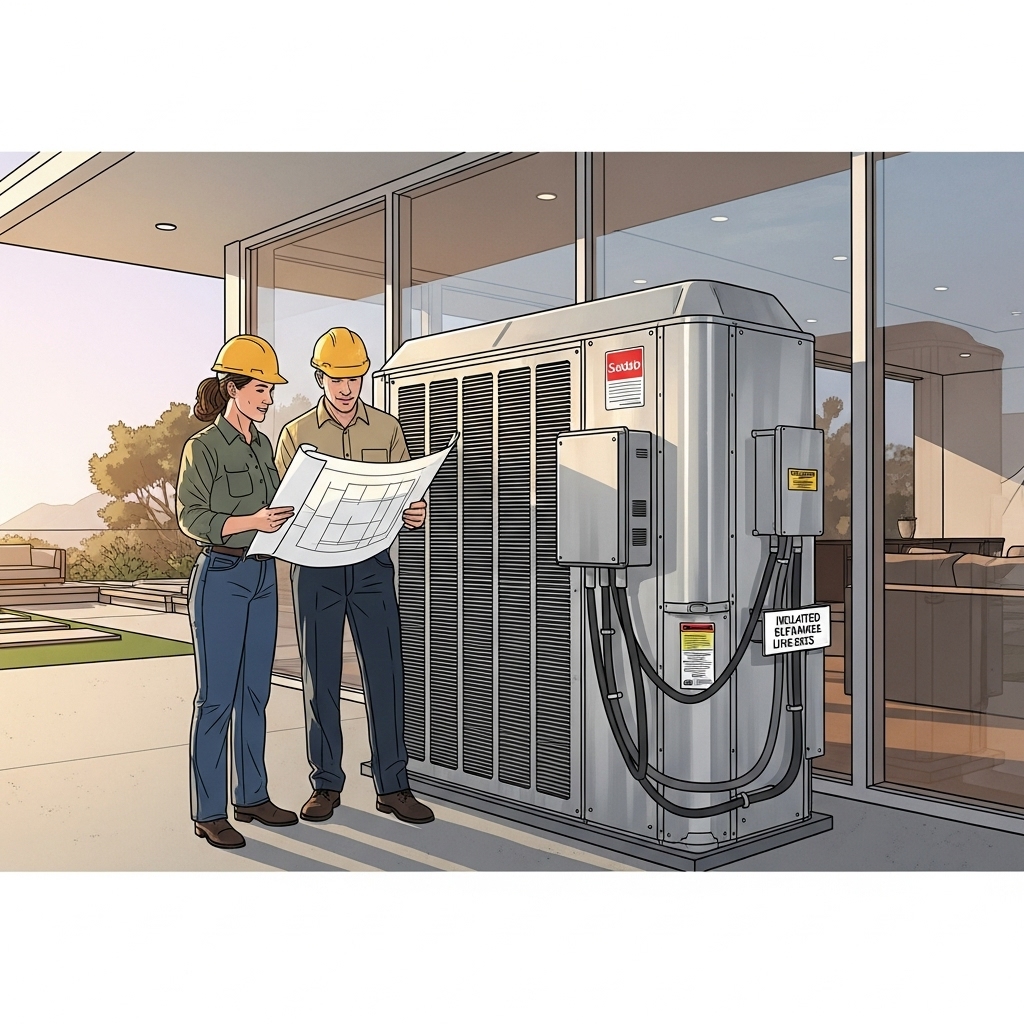
Designing and installing cooling for a new Beverly Hills home is as much about understanding ocean air and canyon winds as it is about selecting equipment. From Broad Beach to Big Rock, the local climate shifts hour by hour, asking your system to manage fog-damp mornings and sunlit afternoons that warm glass-wrapped living rooms. When installation begins with the realities of the coastline, comfort becomes seamless and energy use stays sensible. As a local installer accustomed to the unique logistics and design expectations of Beverly Hills projects, I build every plan around coastal durability, code compliance, and quiet performance that matches architecture, not just square footage. Thoughtful air conditioning installation for new construction turns a beautiful house into a consistently comfortable home, even when the microclimates outside shift from hour to hour.
Start with a coastal load calculation, not a guess
The best installations begin with careful measurements and an honest look at how a home gains heat. Glass orientation toward the ocean, shading from overhangs, local wind patterns, and the thermal mass of stone or concrete floors all shape the load, and Beverly Hills homes tend to combine expansive glazing with open plans. Relying on rule-of-thumb tonnage leads to oversized systems that short-cycle in cool mornings and struggle with humidity as fog burns off. We perform room-by-room calculations that incorporate envelope details and real ventilation plans, then select equipment that can modulate output smoothly. Properly matched systems deliver steady temperatures without drafts or noise, and they avoid the energy waste that oversized setups produce during shoulder seasons. Getting the load right also preserves indoor air quality by allowing filtration and dehumidification to work as intended without constant cycling.
Choosing equipment that thrives in the marine layer
Coastal exposure influences more than the condenser cabinet. Salt air affects fasteners, coils, and electrical enclosures, so we specify models with corrosion-resistant materials, durable coatings, and sealed electronics. For homes near the surf line or on bluff edges, we often add factory-applied coastal coil protections and upgrade to stainless hardware. Variable-speed systems shine in Beverly Hills because they can run longer at lower output, smoothing temperatures when marine layer moisture lifts midday. In modern builds with high-performance envelopes, heat pump systems provide efficient cooling and shoulder-season heating without the need for combustion appliances, pairing well with solar. Regardless of brand, we prioritize quiet performance, particularly for densified neighborhoods and hillside properties where sound carries. Equipment that purrs rather than roars is as much a design choice as it is a comfort upgrade.
Duct design that respects architecture and airflow
New construction provides an opportunity to route ducts thoughtfully, balancing aesthetics and function. Beverly Hills homes often feature tall ceilings and multilevel volumes, which can trap warm air if supplies and returns are not planned strategically. We design for generous return pathways, short, smooth duct runs, and insulation that stands up to attic heat and coastal humidity. Where ducts must pass through exterior bays or cantilevered sections, we specify materials and sealing techniques that maintain R-value and prevent condensation. Diffuser selection matters too: quiet, well-placed grilles avoid drafts across seating areas while still sweeping cooled air across glass expanses. The final result is even, whisper-quiet airflow that matches the elegance of the interior without drawing attention to itself. When ducts are right from day one, equipment can do its job with ease, and you avoid the need for invasive adjustments later.
Placement, access, and the view
Few places demand as much sensitivity to placement as Beverly Hills. Condensers must disappear from key sightlines without suffocating airflow, and access for service has to be safe and practical on hillside lots. During design, we coordinate with architects and landscape teams to position outdoor units away from salt plunge zones, roof drip lines, and wind tunnels created by structures. When enclosures are used, they are ventilated properly on all sides and above, ensuring units exhaust hot air freely. We avoid stacking equipment beneath bedroom windows, keeping sound and vibration out of quiet zones. For serviceability, we plan clear working space and safe ladders or platforms, so future maintenance and repairs are efficient and unobtrusive. Good placement decisions protect your investment and preserve your view, eliminating the tradeoff between performance and aesthetics.
Controls and zoning for homes that breathe the ocean
Smart zoning delivers precision in homes that open to the outdoors. Beverly Hills living often includes morning ventilation with sliders open and evenings spent by fireplaces as temperatures fall. With multi-zone systems or ducted zones, each area can follow its own schedule and setpoint, adjusting to occupancy and sun exposure. We integrate controls that understand coastal patterns—gentle ramp-ups on foggy mornings and reliable dehumidification as the sun breaks through. For part-time residences, remote management is invaluable. Owners can pre-condition spaces before arrival and monitor indoor conditions during heat waves. Smart sensors in key rooms, rather than relying solely on a central hallway thermostat, keep temperatures consistent across large volumes and upstairs retreats. The result is comfort that follows your routine, not the other way around.
Quiet as a design principle
Silence is a form of luxury, and oceanfront homes deserve it. From equipment selection to duct layout and diffuser placement, we treat quiet as a measurable goal. Variable-speed fans, acoustically lined return plenums, and resilient mounts all help. We avoid sharp duct transitions that generate turbulence and whistling, and we select diffusers that spread air softly. Outdoors, sound blankets and thoughtful placement minimize noise without trapping heat. A quiet system is not just a comfort benefit; it preserves the gentle soundscape of waves and wind that drew you to the coast in the first place. By designing silence in from the start, we avoid the common retrofit dance of chasing rattles and whooshes room by room after move-in.
Materials and corrosion strategy from day one
New builds allow us to embed coastal resilience in every detail. We specify UV-stable insulation for refrigerant lines, stainless or coated fasteners, and weather-tight electrical boxes with intact gaskets. Where copper meets aluminum, we use practices that reduce galvanic reactions. Penetrations are sealed with materials that stay flexible in sun and salt, and condensate lines are routed for reliable drainage away from decks and walkways. On rooftops, we elevate units slightly to avoid standing water during marine layer drips or rare rains, and we plan service pathways that are safe and non-intrusive. Layering these details creates a system that looks crisp at the final walkthrough and still looks—and performs—strong years later under coastal exposure.
Energy alignment with Beverly Hills living
Efficient cooling aligns beautifully with Beverly Hills’s energy rhythm. Many homes pair new systems with solar, and variable-capacity equipment complements solar production by running steadily during peak sun hours. Tight ductwork and proper sealing prevent wasted energy in attics, while advanced controls smooth demand spikes that the grid dislikes on hot afternoons. We approach efficiency without sacrificing comfort, focusing on load reduction through shading, glazing choices, and ventilation strategies that reduce the burden on equipment. When these elements are tuned together, the home feels calm and consistent, not overcooled in one space and stuffy in another. Energy performance becomes a byproduct of good design, not a compromise.
Commissioning that proves performance
Installation is not complete until the system proves itself. We commission each zone and system with measured airflow, static pressure, and temperature splits. Refrigerant charge is verified with manufacturer methods suited to variable-speed units, and controls are programmed for the home’s layout and occupancy. We demonstrate quiet operation and ensure condensate systems drain smoothly. This measured approach prevents callbacks and gives owners a baseline for future maintenance. In Beverly Hills’s environment, it also confirms that protective strategies—coatings, fasteners, and placements—are working as intended from day one.
Building codes, neighbors, and timelines
New builds move through layers of approvals and inspections. Our role includes aligning the mechanical plan with local codes and energy standards, coordinating with builders to sequence work efficiently, and anticipating neighborhood rules that affect equipment placement and noise. Respecting work hours, managing deliveries on tight streets, and protecting finished surfaces during late-stage installations are part of the craft. We keep the process transparent with clear milestones, so everyone—from architect to homeowner—knows when each phase will be complete. That coordination supports a smooth move-in, with comfort ready the day your keys turn in the door.
In the middle of design and build, a practical reminder
As walls go up and finishes are selected, it is easy to lose sight of mechanical details that pay dividends later. Midway through construction, we walk the site to confirm duct chases remain clear, penetrations are sealed, and outdoor unit pads or platforms are located as planned. We revisit airflow assumptions and glazing changes that might alter the load. This mid-course check protects the design intent and avoids last-minute compromises that can create noise or uneven temperatures. It is also a chance to review smart control options and confirm that wireless networks will support them cleanly. During this phase, we often update owners on the plan for final balancing and orientation on system use, bringing attention back to the comfort story that motivated the design in the first place—and to the importance of reliable air conditioning for the coastal lifestyle.
Frequently asked questions about new-build AC in Beverly Hills
What type of system works best for coastal homes?
Systems with variable capacity and strong corrosion protection perform best. Heat pumps are popular for their efficiency and year-round usefulness, and mini-split or ducted multi-zone designs offer precise control for glass-heavy layouts. The key is specifying materials and coatings that tolerate salt air and planning for quiet, serviceable placement.
How do you size equipment for homes with lots of glass?
We perform room-by-room load calculations that incorporate glazing orientation, shading, and interior finishes. Rather than oversizing, we match variable-capacity equipment to the actual load so the system can modulate and manage humidity. This approach avoids short cycling on cool mornings and keeps comfort steady all day.
Can we hide outdoor equipment without hurting performance?
Yes, with careful design. Enclosures and screens must be ventilated on all sides and above to maintain airflow. We place units outside of wind tunnels and roof drip lines, and we coordinate with landscape and architectural teams so the solution blends with the property while remaining serviceable.
What maintenance should we plan for after move-in?
Plan on twice-yearly service, with coil rinses and inspections targeted to coastal exposure. Filters may need more frequent replacement during fire season. Smart controls help track runtime and alert you to unusual patterns, so you can schedule a visit before small issues become larger ones.
Will the system be quiet enough for bedrooms and outdoor living areas?
Absolutely—when quiet is part of the design from the start. Variable-speed equipment, acoustic return design, and thoughtful diffuser placement keep sound low indoors. Outdoors, we locate equipment away from sleeping areas and use sound-mitigation tools without restricting ventilation.
Do smart thermostats make sense for part-time residences?
They do. Remote access allows owners to pre-condition before arrival and monitor conditions during heat waves or smoky days. We configure controls to handle foggy mornings gently and to dry the air as the sun emerges, keeping the home comfortable even when you are away.
Ready to design comfort that belongs on the coast
If you are planning a new Beverly Hills build, elevate comfort from the start with a system designed for the marine layer, canyon breezes, and sunlit glass rooms. We collaborate with your architect and builder, specify coastal-grade materials, and commission performance you can feel from the first day. Reach out to begin a design conversation and secure an installation timeline that respects your project milestones. When your keys turn, your air conditioning will be quiet, efficient, and ready for years of oceanfront living.