
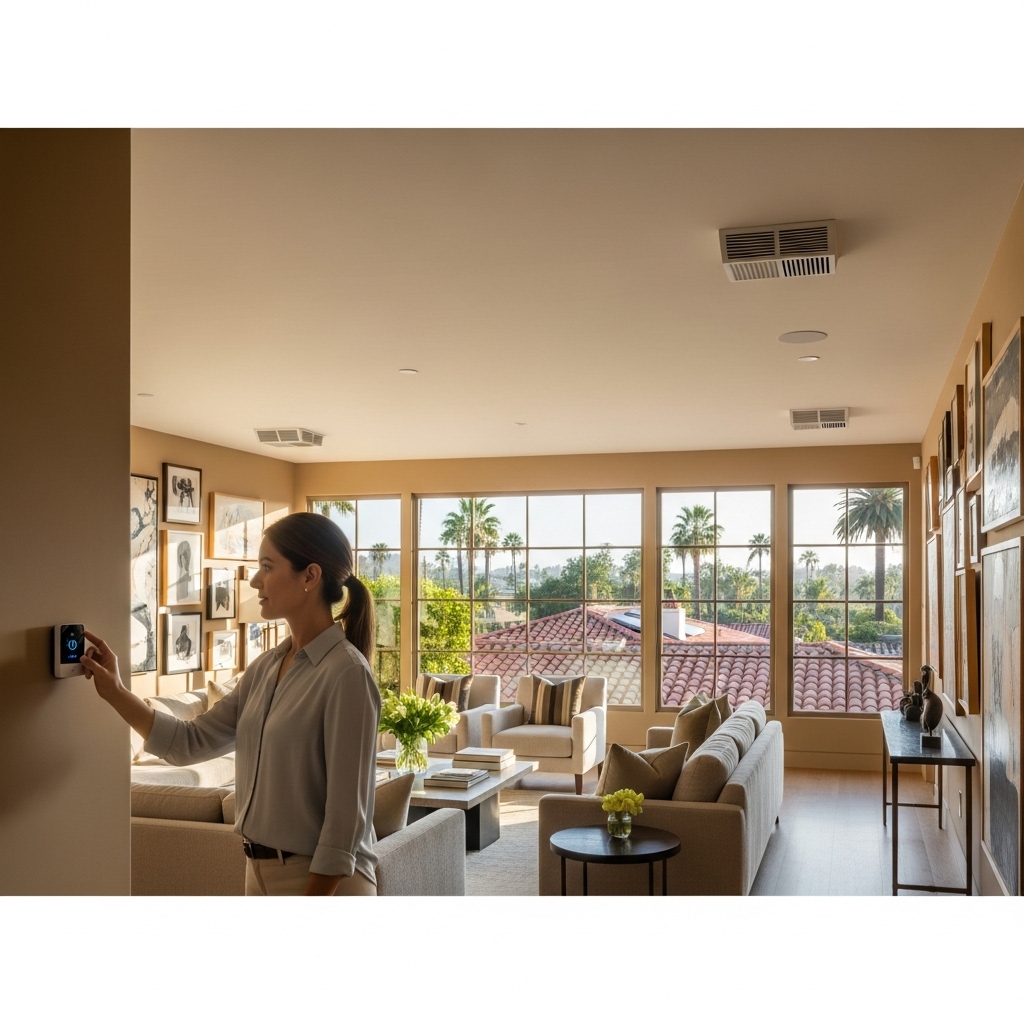
Step onto a sunlit block in Beverly Hills and you can feel how the day evolves from the cool marine hush of morning to a bright afternoon heat that lingers between the palms and terracotta roofs. In this city of hillside estates, leafy canyons, and classic flats north and south of Wilshire, comfort is a craft, not a coincidence. That is why thoughtfully designed air conditioning is more than a seasonal convenience; it is a year-round foundation for health, productivity, and the serene ease that lets a home breathe and a day flow. When you live in a climate where golden light is an everyday companion, harnessing it without the side effects of heat and humidity becomes an art.
As a local who spends just as much time walking through canyon shadows as I do crossing sun-struck Beverly Boulevard, I often think about how microclimates define our daily rhythm. You might leave a shaded Benedict Canyon driveway wrapped in morning cool, only to meet a warm breeze near Burton Way that seems to rise from the brick and stucco itself. The right cooling strategy respects those shifts. It responds not only to outdoor temperatures but to the unique traits of your home—how light pours into a great room, how a primary suite holds heat after sunset, or how a kitchen with wide windows needs a different approach from a quiet office at the back of the house.
Comfort that feels tailored, not forced
One of the most surprising benefits of a well-specified system is how natural it feels. Instead of sudden blasts that chase you from room to room, a modern setup delivers a smooth, even experience. You notice the absence of discomfort: no clammy humidity after the marine layer rolls in, no afternoon sluggishness when a west-facing room starts to glow. In heritage homes and sleek new builds alike, the goal is invisible comfort—air that simply feels balanced, so you can focus on cooking, reading, or hosting without thinking about the thermostat.
Year-round performance in a four-season lifestyle
People sometimes underestimate how much they will use cooling in Beverly Hills. The shoulder seasons are deceptively active. Spring can surprise you with warm, pollen-heavy afternoons, while fall brings a late heat that settles after sundown. A right-sized system with thoughtful zoning brings relief through all these shifts. It adapts on a mild winter morning when you want to clear a stuffy bedroom, or on an early summer evening when you are prepping for guests and the range is pumping extra heat into the kitchen. The technology has matured to complement an indoor-outdoor lifestyle without you having to micromanage it.
Indoor air quality that clears the mind
Temperature is only part of the story. Filtration and circulation make a tangible difference in how you sleep, concentrate, and recover after a long day. Fine particles from traffic corridors, seasonal pollen drifting from jacarandas, and the occasional smoke from distant wildfires all influence what you breathe. Systems designed with high-grade filtration and controlled ventilation remove particulates and maintain a fresh, neutral feel. You will notice it in the clarity of morning energy and in how rooms feel after a day of closed windows. For households with kids, elders, or sensitive lungs, the benefit feels less like luxury and more like a baseline for well-being.
Humidity control that preserves home and comfort
Even without the heavy damp of coastal towns, our proximity to the ocean, coupled with evening irrigation and shaded landscaping, can create pockets of humidity. Add warm interiors, cooking, and showers, and subtle moisture can creep into fabrics, wood, and art. A well-tuned air conditioning system quietly manages this, protecting cabinetry finishes, musical instruments, and textiles. You will see fewer swollen doors in older homes, clearer panes, and a general crispness that helps rooms stay fresh. Comfort becomes protective care for the details you have invested in over time.
Energy efficiency without compromise
Modern equipment is remarkably efficient compared to systems installed just a decade ago. With variable-speed compressors and fans, the system modulates instead of cycling on and off. This reduces energy spikes, holds the temperature you actually want, and lowers wear on the equipment. In practice, that means you can keep a top-floor office comfortable during video calls without summoning a rush of chilled air through rooms you are not using. Smart zoning and the ability to schedule cooling for active spaces let you align comfort with your daily rhythms.
Quiet that preserves the serenity of place
Sound matters in Beverly Hills. Whether your home is tucked into a canyon or set along a broader street, the difference between an ambient hush and an intrusive hum becomes stark at night. Modern systems are designed to be discreet both indoors and outdoors, with staging and sound-dampening that recede into the background. Indoors, quieter air movement lets conversation and music keep their texture. Outdoors, a considerate installation respects neighbors and patios where meals wander late into the evening. Silence, after all, is part of luxury.
Design that integrates instead of intruding
Good air conditioning hides in plain sight. In a Spanish Revival with arched ceilings, in a glass-forward contemporary, or in a mid-century with cherished lines, the right solution respects architecture. Ductwork can be routed thoughtfully; vents can be chosen to complement finishes; and in spaces where ducts do not make sense, compact, elegant indoor units can whisper along a wall with minimal visual impact. The benefit is not only aesthetic. Design-forward integration reduces drafts and improves distribution, so every corner of a room feels consistent.
Zoning that acknowledges how you actually live
Most Beverly Hills homes are not lived in all at once. Bedrooms are quiet during the day. Living rooms breathe at night. A guest suite waits weeks between visits. Zoning separates these realities so you can dial your environment precisely. Imagine cooling the family room and kitchen for a Saturday brunch, while keeping bedrooms in a standby range until mid-afternoon. The result is a home that feels thoughtfully orchestrated, with comfort appearing where you need it and stepping back where you do not. That sense of gentle, responsive presence is one of the most satisfying benefits of today’s systems.
Smart controls that free you from micromanagement
People love the idea of control, but what they really want is not to think about it. Smart thermostats and integrated home platforms learn your patterns and anticipate your needs, whether you are leaving Rodeo Drive earlier than usual or heading up Benedict Canyon later than planned. You can adjust rooms from your phone when you realize guests will arrive an hour early, or let automation ease your home into the evening setpoint before sunset. In the midst of all this convenience, remember to choose a platform that is simple and intuitive, so comfort remains a background pleasure rather than a new task.
At the heart of these capabilities is reliable, high-quality air conditioning sized to your home and tuned to your habits. When the equipment and design are aligned, the lived experience is honest: effortless comfort, cleaner air, and a sense that the system is working with you rather than asking you to work for it.
Protection for art, finishes, and furnishings
If you treasure original hardwood, framed photography, or a piano that has become part of the home’s heartbeat, stable temperature and humidity are your allies. Well-managed environments prevent subtle warping, protect adhesives and finishes, and reduce the slow fade caused by heat and moisture. You are not only caring for objects; you are preserving the tactile feel of the home—the clean glide of a drawer, the soft drape of linen, the tone of a string that stays in tune longer between visits from the tuner.
Resale appeal and market expectations
Buyers expect comfort to be a given in Beverly Hills. A modern, discreet system signals that a property has been cared for with sophistication. When agents talk about move-in readiness, they are often thinking about the invisible systems that shape daily experience. Quiet operation, smart zoning, and documented maintenance telegraph confidence. Even if moving is years away, living with a system that would impress a future buyer means you are enjoying the same qualities that will one day speak on your behalf.
Resilience during heat events
Our sunny days occasionally surge into heat waves that stretch through the night. Buildings store heat, and without active cooling, interiors lag far behind the pleasant relief you feel in a shaded garden. A capable system pulls that stored heat back into balance so sleep returns and mornings begin fresh. Pairing this with shades, landscape trees, and thoughtful window films creates a layered resilience that holds the line gently, without asking you to retreat from the parts of the home you love most.
Thoughtful electrification and the path forward
As more households transition from older equipment to efficient heat pump systems, the benefits extend beyond summer. Many of today’s systems provide gentle, efficient heating as well, replacing or supplementing older furnaces to keep rooms even in winter. This dual-season capability simplifies maintenance and keeps your mechanical footprint tidy. It is a practical step that supports city and state goals while elevating your day-to-day comfort.
Guest spaces and ADUs that feel independent yet connected
From pool houses to detached studios, Beverly Hills properties often include spaces with distinct schedules. Independent, compact systems allow these zones to function on their own terms. A guest can choose a cooler bedroom without affecting your evening routine. An artist’s studio can stay crisp during an afternoon burst of creativity, then settle back when the light fades. This flexibility deepens the way a property supports life as it evolves, without compromise.
Service that sustains the experience
The benefits of exceptional cooling are sustained by simple habits: changing filters, rinsing outdoor coils, confirming drainage, and scheduling seasonal check-ups so a small concern never becomes an interruption. Much like caring for a car you love, light attention keeps things smooth. The value lies in uninterrupted ease—a home that remains predictably comfortable as the calendar turns and your social calendar fills and empties again.
Living beautifully, breathing easily
At its best, an air-conditioned Beverly Hills home feels like a well-composed afternoon: bright where you want light, cool where you want calm, fresh air moving gently through rooms that invite conversation. The system recedes, and the life you live comes forward—family dinners that last longer, a clearer head for morning emails, a restful night before an early flight. Small advantages accumulate into a lifestyle that feels unmistakably polished.
Frequently Asked Questions
Below are answers to common questions homeowners ask when considering upgrades and new installations. If you do not see your concern here, remember that every property is unique; a quick consultation can align ideas with your specific layout and expectations.
How do I know if my current system is the right size for my home?
Signs of an imbalanced system include rooms that are too warm while others run cold, short cycling that turns the system on and off frequently, and humidity levels that never feel quite right. A professional load calculation factors in square footage, insulation, window orientation, and special use rooms. Beverly Hills homes vary widely, so sizing by square footage alone is rarely accurate. A tailored assessment answers the question with data, not guesswork.
Will upgrading improve indoor air quality in a noticeable way?
Yes, particularly if your current setup uses minimal filtration or has aging ductwork. High-quality filters and proper air changes reduce particulates and help your home feel fresher. Many homeowners notice better sleep, fewer morning sniffles during pollen season, and a general clarity that makes long days at home more pleasant.
Are heat pump systems effective during cooler winter mornings?
Modern heat pumps are designed to perform efficiently in our mild winters, providing a steady, gentle heat without the dryness or noise some older systems produce. For many households, they replace or complement existing heating, simplifying the mechanical landscape while maintaining comfort year-round.
What matters most for quiet operation?
Proper equipment selection and placement, vibration isolation, and good duct design all contribute. Indoors, variable-speed air handlers reduce the sensation of air movement. Outdoors, location and sound-dampening features help the unit blend into the ambient hush that defines a peaceful yard or balcony.
How often should filters be replaced?
Filter schedules depend on filter type, pets, and activity levels, but many homes benefit from monthly checks and replacements every one to three months. The goal is steady airflow and clean filtration, both of which support efficiency and protect the system from unnecessary strain.
Does zoning really save energy, or just add complexity?
When designed well, zoning aligns comfort with occupancy, which naturally reduces waste. Instead of cooling seldom-used rooms to the same setpoint as active spaces, you direct resources where life is happening. Far from adding complexity, good controls simplify this with presets and automation.
When you are ready to step into steadier comfort, quieter rooms, and cleaner air, consider how a modern system could elevate each day at home. For guidance tailored to Beverly Hills architecture and lifestyle, reach out and explore options in air conditioning that respect your design vision, your rhythms, and your goals. The right plan will feel intuitive from the first warm afternoon to the last late-summer dinner on the patio.