
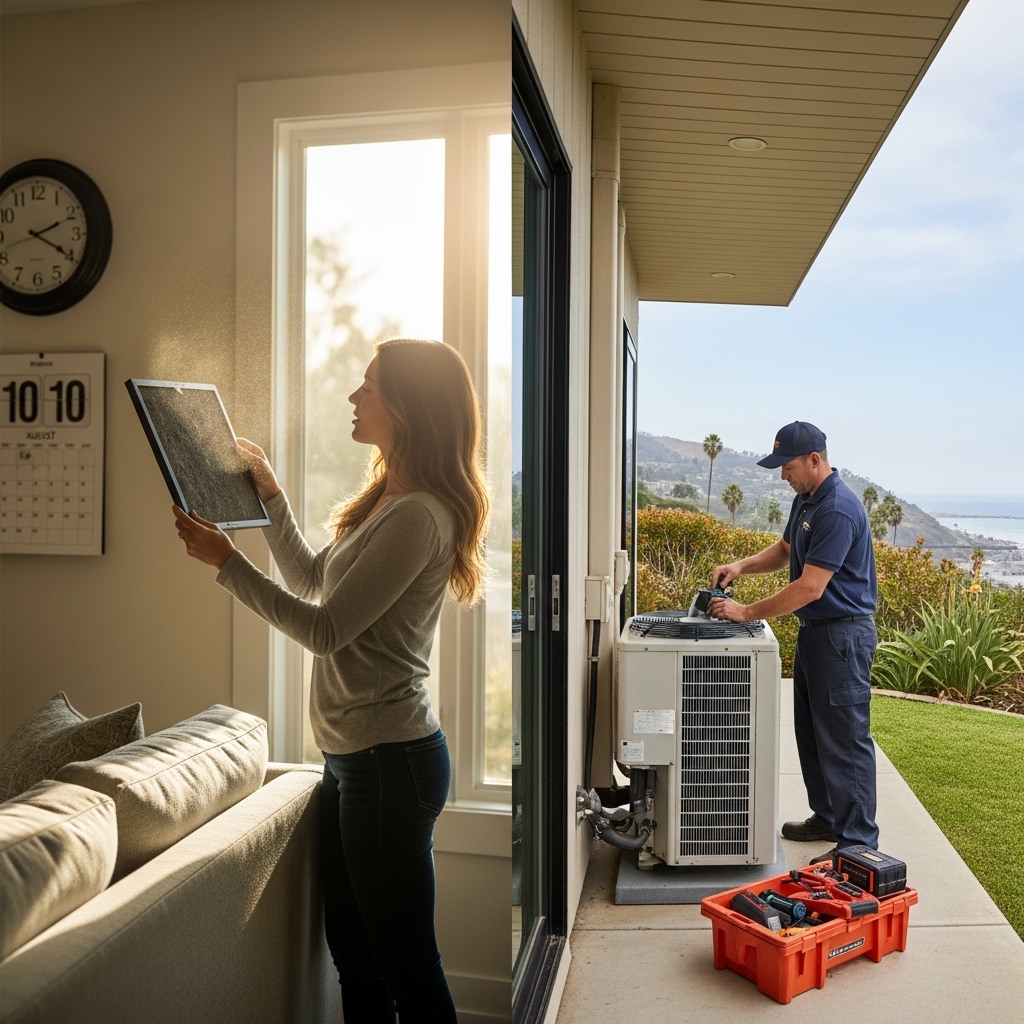
In Beverly Hills, where the ocean moderates temperature but not the whims of wind and salt, determining how often to service an air conditioner is as much art as science. The answer shifts with proximity to the beach, the rhythms of the marine layer, and the bursts of canyon winds that carry dust and pollen. If you expect a one-size-fits-all interval, Beverly Hills has a way of proving exceptions. The most consistent starting point I recommend is to approach your home’s needs with a seasonal mindset: take stock before summer, reassess after the windiest period, and keep an eye on filters throughout. Regular air maintenance keeps a Beverly Hills system tuned to these natural rhythms and avoids the creeping inefficiencies that can accumulate unnoticed.
Let’s begin by acknowledging the spectrum of living situations. A beachfront bungalow a few doors from the sand collects salt on metal fins faster than a hillside home tucked behind mature landscaping. A home used primarily on weekends runs differently from one with a full household, pets, and open doors morning and night. A condominium with a rooftop package unit experiences steady sun and wind, while a single-family residence in Serra Retreat enjoys more shade but gathers canyon dust. Realistic maintenance frequency balances these variables so that your system runs comfortably without overservicing.
The baseline: twice-yearly professional visits, monthly attention
For most Beverly Hills residences, a smart baseline is two professional tune-ups per year with monthly filter checks during active cooling. Schedule a thorough visit in late spring, ideally before the first heat wave, to clean coils, verify refrigerant pressures, confirm electrical integrity, and flush condensate lines. Follow that with a second inspection late summer or early fall, after peak usage and wind events have had their say. In between, your own monthly attention to filters and outdoor clearance gives the system room to breathe and stay efficient.
Why two visits? Beverly Hills’s environmental stresses are not constant. Salt accumulation is gradual and relents during rainier stretches, while dust surges with wind and construction activity. A single annual service might leave several months where unseen buildup erodes performance. The mid-to-late season visit restores that razor’s edge of efficiency and heads off surprises as temperatures remain warm into early fall.
Beachfront frequency versus canyon and inland rhythms
Homes within a block or two of the beach benefit from more frequent checks of the outdoor coil and fasteners. Salt encourages corrosion that can be controlled with gentle rinsing and early protective measures. I encourage owners in this zone to visually inspect the condenser every few weeks and schedule a brief professional check if corrosion appears or noise changes. On the other hand, canyon homes should prepare for bursts of dust and pollen when Santa Ana winds blow. After such events, filters can load up quickly, and outdoor fins may collect fine particulates that a technician can remove safely without damaging delicate metal.
Inland Beverly Hills neighborhoods, or those behind windbreaks of mature trees, enjoy a slightly easier schedule. Still, it is wise to perform monthly filter checks during summer and after any smoky period. Even a day of poor air quality can saturate a filter faster than a typical week in spring.
Filter cadence: the true heartbeat of frequency
Filter changes dictate much of your maintenance rhythm because airflow is the lifeblood of comfort and coil health. In Beverly Hills, I advise flipping the script from a fixed timetable to a responsive habit: check filters monthly, then adjust. If you have pets, cook frequently, or leave windows open for the breeze, your replacement interval will shorten. If the home sits idle for stretches, the filter may last longer but still deserves an inspection before you return to full-time use. Holding a filter up to light reveals more truth than any calendar reminder.
Vacation homeowners often ask whether to change filters before or after leaving. The practical approach is both: replace the filter before an extended absence so the system stays clean during any scheduled cycles, and then check it upon your return, especially if local conditions were smoky or windy. This habit keeps the system ready to cool the home gently rather than forcing a hard reset on a stale filter.
Seasonal checkups aligned with Beverly Hills’s calendar
Late spring is the nonnegotiable service window. This visit sets performance benchmarks, catches early corrosion, and confirms the condensate drain’s integrity before dehumidification becomes heavy. The second professional visit, often in late summer, focuses on reversing the wear from months of operation and wind-driven debris. If wildfire smoke has been present, add a thorough indoor coil and blower inspection to ensure particulates have not slipped past filtration. Between those visits, track performance with your senses: how quickly rooms cool, how even temperatures feel, and whether the outdoor unit sounds smooth at startup.
On especially humid mornings or after a marine layer rolls in, condensation rates climb and put more demand on drains. A quick check around the indoor unit for dampness or musty odors can prevent a surprise shutdown. If you notice anything off, advance your next professional visit rather than waiting for the calendar to catch up.
Rooftop units, balconies, and access timing
Many Beverly Hills homes and condos rely on rooftop or balcony condensers, each with unique maintenance frequency triggers. Rooftop equipment sees more sun and wind, accelerating wear on capacitors and fan motors. Balcony units are often closer to landscaping and foot traffic; they need frequent clearance checks to maintain airflow. If your condominium requires scheduling with building management, set up a recurring access plan so tune-ups land before peak heat. Frequency is not just a technical decision; it is a logistical one in communities with shared spaces and rules.
For homes with limited off-street parking or steep driveways, I like to plan visits at times of day when shade falls on the condenser. Cooler metal, less glare, and calmer winds make for more effective and less intrusive service. These subtle timing choices, built into your service frequency, lead to cleaner outcomes and fewer interruptions to daily life.
Signals that your frequency should increase
Patterns tell the story. If you find yourself nudging the thermostat lower to feel the same comfort, or the outdoor unit runs noticeably longer on similar days, your system is communicating that maintenance is due sooner. Audible cues—grinding, buzzing, or repeated clicking—suggest wear on contactors, bearings, or capacitors. A bump in energy use without a corresponding heat wave is another red flag. In coastal homes, any sign of rust spreading quickly calls for a timely inspection. Adjusting frequency in response to these signals ensures small corrections rather than major interruptions.
Another reason to increase frequency is renovation or nearby construction. Airborne dust is inevitable during remodeling, and even the tidiest projects stir enough fine debris to impact filters and coils. During construction phases, temporarily switching to more frequent filter changes and adding a mid-project check keeps dust from embedding where it is hardest to remove.
How occupancy rhythms shape maintenance
Weekenders and seasonal residents have unique frequency needs. Systems that sit idle can develop sticky contactors, dry condensate traps, and dust-laden returns. Before you arrive for an extended stay, power the system gently—set a moderate cooling target and let it ease the home into comfort. Schedule a pre-arrival tune-up if the system has been quiet for months. For full-time households, especially with children and pets, remember that indoor activity raises particulate levels and filter load. In these homes, a third quick professional check—focused mainly on airflow and coil cleanliness—can be worthwhile late in the season.
Short-term rental properties demand yet another cadence. Frequent turnover with varying thermostat habits stresses equipment. A practical solution is to align quick inspections with cleaning schedules and to build in regular filter checks between guest stays. This keeps complaints down and comfort steady without adding friction to operations.
Midyear recalibration and the role of data
Many thermostats provide runtime logs or energy insights. Use these to inform frequency. If you see run hours climbing in similar weather, it is a nudge to move up your next service. Likewise, if a unit consistently cycles on and off rapidly, it may indicate a sizing or airflow issue that maintenance can improve. A midyear recalibration—verifying temperature splits, static pressure, and blower speeds—can reset the system to its design sweet spot.
In the middle of the season, especially after a spell of east winds, schedule professional air maintenance to ensure coils are clear, drains are flowing, and electrical components remain in their prime. This single midyear habit has saved more comfort on hot September days than any other timing tweak I have recommended.
Frequently Asked Questions
Is twice-yearly professional service really necessary in Beverly Hills?
For most homes, yes. The combination of salt, wind-driven dust, and variable occupancy patterns makes two visits the sweet spot for reliability and efficiency. It is the best way to catch gradual corrosion and particulate buildup before they chip away at performance.
What about homes right on the sand—how often should we check?
Beachfront homes benefit from more frequent visual inspections of the outdoor unit, often every few weeks, and an additional brief service if corrosion or noise appears. Gentle freshwater rinses between professional visits can also help keep salt from taking hold.
How often should I change filters during wildfire season?
Check at least every two weeks when smoke is present, and be prepared to replace the filter as soon as it looks loaded. Even if the system seems to cool fine, smoke particulates clog quickly and can strain the blower and coil.
Does a newer, high-efficiency system allow longer gaps between services?
Not in our environment. High-efficiency systems often have tighter coils and electronics that benefit from clean conditions and stable airflow. They can be more sensitive to neglect, so the standard twice-yearly professional service remains wise.
We are away for months. Should we service before or after our absence?
Both steps help: a service before you leave sets the system in good shape, and a quick check before you return ensures dust and humidity have not compromised performance. Pair this with a fresh filter before your arrival for smooth, gentle cooling.
What are signs that my current frequency is too low?
Rising energy use in similar weather, longer run times, new noises, or uneven room temperatures suggest it is time to accelerate your maintenance schedule. Corrosion spreading quickly on the outdoor unit is another sign to move up the next visit.
Can I rely on thermostat reminders for filter changes?
They are helpful prompts, but Beverly Hills’s conditions can load filters faster than generic reminders assume. Use the reminders as a baseline and confirm by holding the filter up to light and evaluating your household’s activity level.
When you are ready to align maintenance with Beverly Hills’s seasons instead of a generic calendar, set up your next visit and commit to a rhythm that fits your home. Schedule professional air maintenance and enjoy dependable comfort, clear air, and a system that stays strong through every breeze and heat wave.