
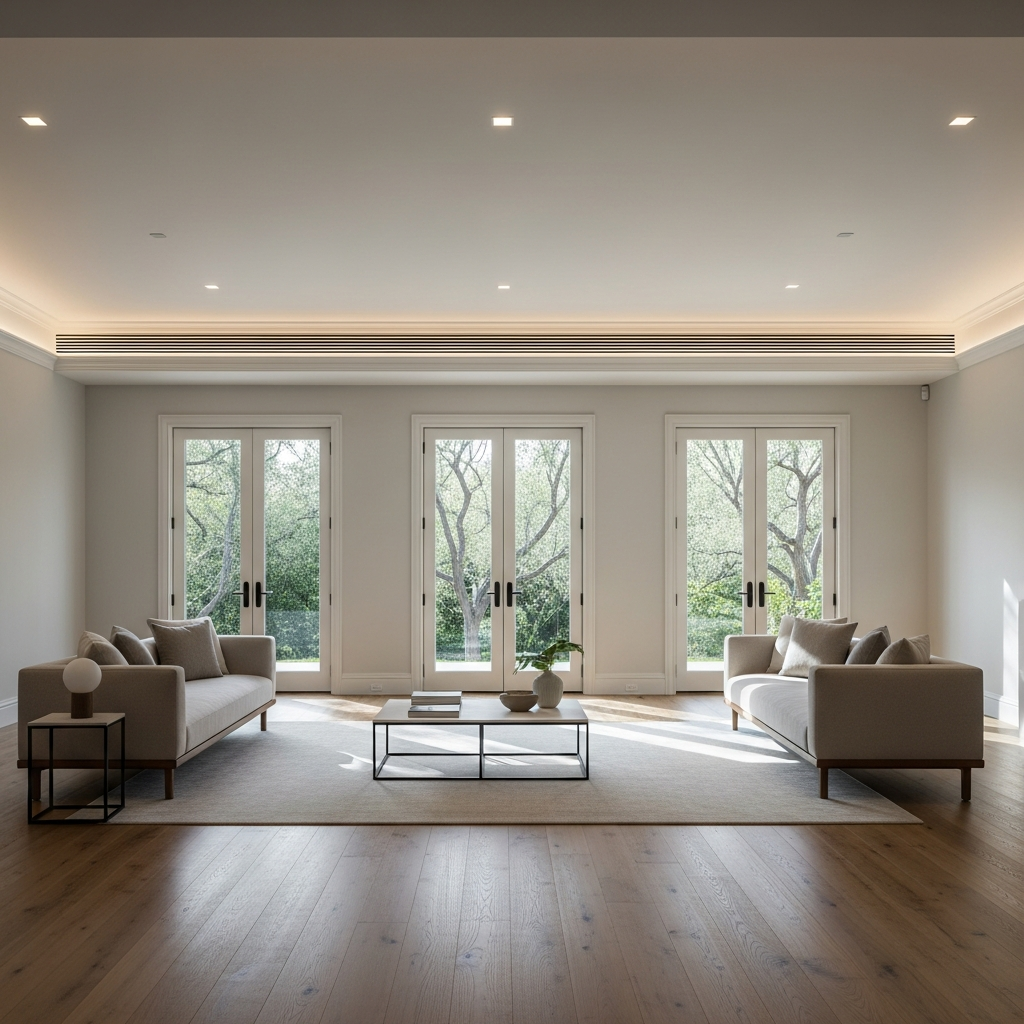
Central cooling in Beverly Hills is about more than cold air. It is about a home that feels settled and poised in the warmest weeks, where the hush of the system matches the hush of a tree-lined street and where design choices preserve the elegance that drew you to the neighborhood. When a central system is planned with care—sized for the true load, tuned for our microclimates, and woven discreetly through architecture—it reshapes daily life without announcing itself. If you are considering options for air conditioning, central systems remain a powerful, flexible choice that can deliver whole-home comfort with an almost invisible touch.
Beverly Hills homes vary dramatically—from classic Spanish revival and mid-century gems to contemporary pavilions with glass that captures the afternoon sun. Central systems adapt to all of them when designed with nuance. They thrive on good ductwork, quiet returns, and thoughtful zoning. The result is comfort you feel but do not hear: bedrooms that cool gently before bedtime, living areas that stay pleasant during a late lunch, and hallways that never whistle as air moves past.
Design Begins With the Envelope
Before picking equipment, a central system design starts with the building itself. Orientation, shading, window performance, and air leakage shape the load. A home shaded by mature ficus may need less capacity than a hilltop property with abundant glass—despite similar square footage. Measuring those realities, rather than guessing, allows for right-sized equipment that runs longer, quieter cycles and manages humidity gracefully.
Good design also anticipates use. If doors to a terrace open frequently during gatherings, the supply strategy can accommodate that behavior without creating drafts. If a home office runs warm from equipment, zoning or targeted supply placement keeps it comfortable without overcooling other rooms.
Ducts: The Pathway of Comfort
Ductwork is the hidden half of a central system. Smooth, appropriately sized ducts and deep, well-located returns set the stage for quiet delivery. Too often, noise blamed on equipment is really the sound of air squeezed through undersized grilles. In older homes, splitting a single large return into smaller, concealed grilles can restore proportion in the room and improve the acoustic character of the system at the same time.
Sealing and insulating ducts preserve the cool you pay for. In attics, attention to joints and transitions prevents loss and keeps the system operating where it was designed to operate. A well-built duct system lets equipment loaf rather than labor, which is the heart of comfort and longevity.
Zoning That Mirrors Real Life
Central systems excel when paired with zoning. Bedrooms might want cooler, quieter nights, while living spaces can drift to a comfortable neutral when the household is elsewhere. Separate zones make that effortless. They also reduce the temptation to overcool the whole house just to tame a warm office or a sunlit sitting room. By aligning zones with use, the system avoids abrupt swings and you gain the calming sense that every room is just how you like it.
In multi-level homes, stacking zones with an upstairs and downstairs split often brings immediate balance. It is a small structural decision with large, daily rewards—especially during those warm evenings when heat wants to linger in upper rooms.
Equipment That Modulates, Comfort That Deepens
Variable-speed compressors and fans are quiet revolutionaries in central systems. Rather than surging on and off, they ramp gently to meet the moment. That means longer runtimes at low output, which dry the air a touch and keep temperatures steady without drafts. The sensation is luxurious in its restraint—bedrooms cool enough to sleep deeply, hallways that feel neutral, and conversation areas free from harsh blower noise.
Two-stage equipment, while simpler, also offers gains over single-speed systems. It provides a lighter touch during mild days and reserves higher output for truly warm afternoons. The impact on tone and rhythm inside the home is marked: the system recedes and life fills the space.
Filtration and Fresh Air for Our Season
Central systems can carry enhanced filtration that captures fine particles during wildfire season and the dusty days that sometimes follow canyon winds. Media cabinets matched to blower capacity let you use higher-efficiency filters without starving airflow. For families seeking the next step, a measured fresh-air strategy brings in outdoor air under controlled conditions while filters handle what the breeze carries.
This is about health and about the house itself. Cleaner air protects lungs, certainly, but it also protects coils, keeps ducts cleaner, and reduces the fine film that can settle on glass and finishes. The system stays closer to its day-one performance when the air moving through it is filtered well.
Where the Equipment Lives
Placement affects performance and aesthetics. Outdoor units should breathe freely, with hedges trimmed to allow clear intake and discharge. We angle airflow away from patios and bedroom windows—yours and your neighbors’—and isolate vibration so roof and wall resonances do not amplify sound. Indoors, air handlers belong where service is tidy and where sound is naturally cushioned—mechanical rooms, insulated closets, or well-planned attic platforms.
In Beverly Hills, equipment often shares space with artful landscaping and finely finished rooms. Respecting those surroundings is part of the design brief. The best systems hide in plain sight, both visually and acoustically.
Controls That Serve Without Fuss
Smart thermostats, used with restraint and sense, make central systems feel intuitive. They allow bedtime cool-down, late-morning drift, and gentle afternoon holds that match how the household moves. Geofencing can begin a quiet recovery as you drive back from a late dinner or land at LAX. Alerts and performance logs offer reassurance that everything is running as intended and provide early warnings when something drifts.
But the real secret is not gadgetry. It is aligning controls with well-sized equipment and good ducts so that the system’s default is a whisper rather than a shout. The technology then becomes a polite assistant, not the star of the show.
Commissioning and the Art of the Finish
After installation, commissioning verifies that numbers meet the design: refrigerant charge, airflow, static pressure, and control sequences. A properly commissioned system is noticeably calmer. Supply temperatures are right where they should be, humidity is held in a narrow band, and the home simply feels composed even as the day warms.
Commissioning also creates a baseline for maintenance—readings that tell future technicians what “normal” looks like for your home. That data helps small adjustments stay small and keeps the system in its sweet spot.
Maintenance: Quiet Insurance
Seasonal maintenance preserves both serenity and performance. Coil cleanings, drain checks, filter changes, and electrical inspections keep the system predictable. In our area, where seasonal ash and pollen can load filters quickly, timely replacements matter. When the airflow stays strong and clean, the blower works less, the coil stays efficient, and the home remains consistently comfortable.
It is also an opportunity to spot trends: a fan motor that is drawing slightly more power than last season, a drain that is beginning to scale, or a filter upgrade that would improve air quality during certain months. Attention here is attention saved later.
Why Central Still Shines
In a city that blends privacy with hospitality, central systems let you host, rest, and work without managing multiple devices or sacrificing visual calm. With zoning, filtration, and modulating equipment, they deliver nuance that matches our lifestyle. They also add to a home’s perceived quality at resale; buyers recognize when comfort has been handled with taste and care.
As homes embrace solar and smarter energy management, central systems integrate smoothly. Variable-speed equipment sips power and plays well with strategies that flatten demand. The result is a home that stays comfortable even when the grid is under stress.
Frequently Asked Questions
Below are answers to common questions we hear when families consider central systems for their homes in Beverly Hills.
How do I know if central is right for my house?
If your home has space for ducts or already has them in reasonable condition, central is often the most elegant whole-home solution. A load calculation and a look at attic or crawlspace access will clarify feasibility. Even in homes where ducts are challenging, combinations of slim-ducted and carefully placed ductless equipment can achieve a central-like experience.
Will a central system be quiet enough for bedrooms?
Yes, if designed well. Return sizing, duct layout, grille selection, and equipment choice all influence sound. With those elements tuned, bedrooms can be deeply quiet even while the system maintains temperature overnight.
What about wildfire smoke—can a central system handle it?
With upgraded filtration matched to blower capacity, central systems can significantly reduce indoor particle levels during smoke events. A strategy for fresh air that can be paused during the worst days adds flexibility. Sealed ductwork and a clean return path further protect indoor air quality.
How does zoning work with central systems?
Zones use dampers and individual thermostats or sensors to control airflow to different parts of the house. Bedrooms, living areas, and offices can each follow their own schedule and set point. Proper design keeps transitions smooth so zones do not fight each other or create noise.
Can a central system integrate with smart home platforms?
Yes. Many thermostats and zone controls work with major platforms, allowing scenes and geofencing that match your routines. The key is to keep control goals simple—support gentle, steady operation rather than frequent swings.
What should I expect during installation?
Protective coverings over floors and built-ins, planned access routes, and clear daily communication. Noisy work is scheduled thoughtfully, and spaces are left clean. The process culminates in commissioning to confirm performance meets design.
How often should I change filters?
It depends on filter type and season. During dusty or smoky periods, more frequent changes may be wise. A visual check each month and a schedule tied to your specific media cabinet keep airflow healthy and the system efficient.
If you are ready for whole-home comfort that feels as composed as the rest of your life, speak with a local team that treats design and installation like the craft it is. Begin with a conversation about air conditioning focused on central solutions that honor architecture, keep sound low, and deliver a tranquil, reliable home through every warm week of the year.