
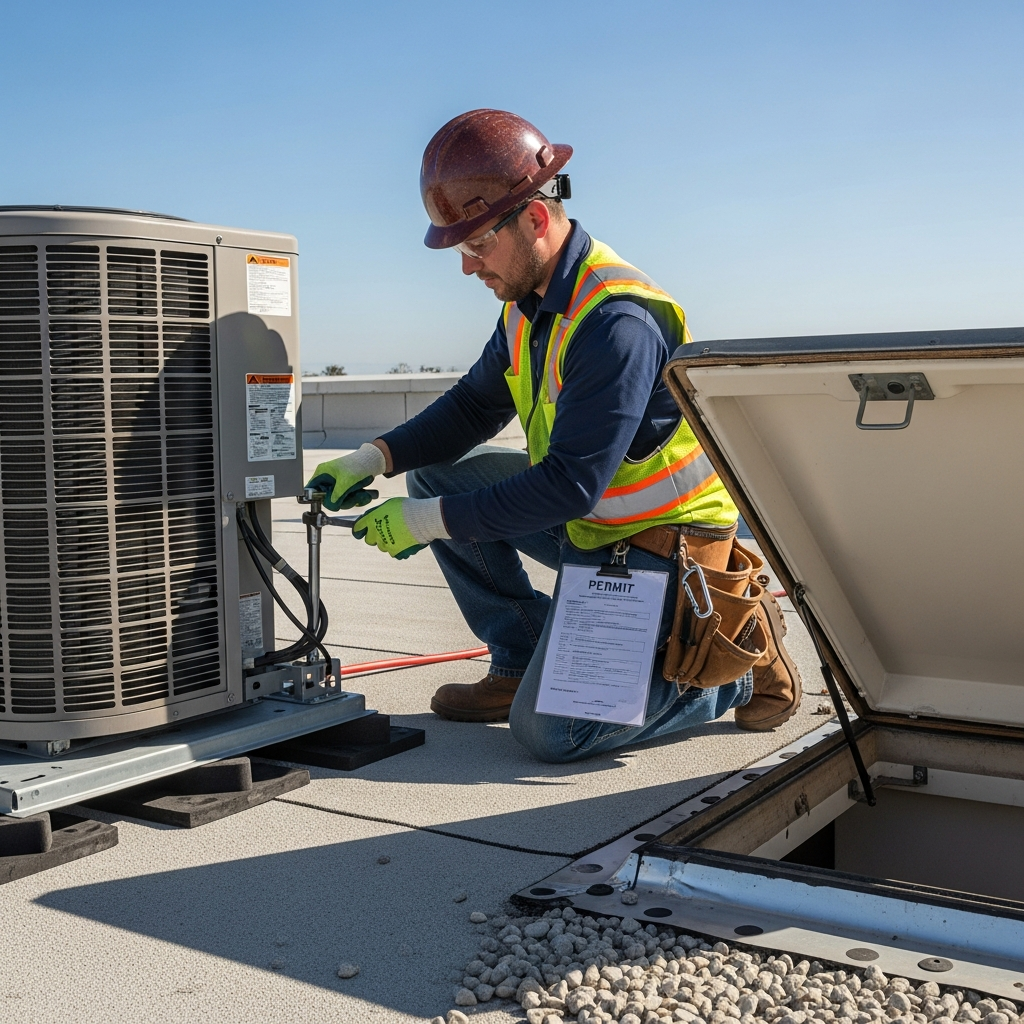
Air conditioning installation requirements in Beverly Hills are more than a checklist—they are a philosophy that blends performance, safety, and respect for architecture. Our homes, whether nestled in canyons or set along tree-lined streets, deserve systems that deliver quiet, even comfort without compromising aesthetics. Meeting requirements here involves city permitting, California energy standards, and best-practice craftsmanship. As someone who has guided numerous projects through design, inspection, and commissioning, I can outline the essentials that shape a compliant, long-lasting installation and explain why each step matters. If you are just beginning, reviewing local standards for air conditioning installation will help you anticipate the path and set expectations for quality.
Permitting and Documentation
Every legitimate installation begins with permits. The application references equipment specifications, planned locations, and compliance strategies for energy and safety codes. Submittals typically include load calculations, duct design intent, and product data sheets. Clear documentation smooths reviews and helps inspectors verify that what is installed matches what was proposed. This paper trail becomes part of your home’s record, supporting property value and future maintenance.
Title 24 Energy Compliance
California’s energy code shapes much of the installation. Title 24 addresses equipment efficiency, duct leakage thresholds, control strategies, and verification steps. Meeting these requirements is not simply about passing an inspection—it is about building a system that delivers steady, efficient comfort. In practice, that means right-sized equipment, sealed and tested ducts, and smart thermostat control with appropriate scheduling. Documentation of test results and verification forms close the loop.
Equipment Placement and Clearances
Placement rules protect performance and service access. Outdoor units require setbacks from walls and barriers to maintain airflow, while indoor components need clear panels and door swing space for maintenance. In Beverly Hills, aesthetic sensitivity intersects with code: screening and line hide strategies should not block airflow or impede service. On roofs, structural support, vibration isolation, and proper drainage are essential. In yards, equipment should respect property lines, neighboring windows, and landscaping.
Structural Considerations
Roof and platform loads must be verified. Stands are selected for stability and secured to resist wind and seismic forces. In attics, platforms distribute weight and provide safe service access. Penetrations are flashed correctly to prevent moisture issues. These requirements protect both the home and the equipment over the long term.
Electrical Requirements
Electrical readiness is central to compliance. Dedicated circuits, correctly sized breakers, disconnects within line of sight, and code-compliant conduit routing provide safety and reliability. When heat pumps or larger condensers are specified, panel capacity must be confirmed, and upgrades planned where needed. Grounding and bonding details are checked, and labeling ensures future service remains safe and straightforward.
Refrigerant Line and Condensate Requirements
Refrigerant lines must be insulated, supported, and protected from UV and mechanical damage. Bend radii and brazed joints are executed to manufacturer specifications to maintain efficiency and reduce vibration. Condensate drains require proper pitch, traps where needed, and cleanouts for maintenance. Secondary pans and float switches offer protection against unexpected blockages, which is especially important above finished ceilings and built-ins.
Ductwork Performance and Leakage Testing
Tight ducts are a cornerstone of California performance. Requirements specify maximum leakage rates, which are verified through testing. Insulation levels are defined to protect temperature and reduce noise. Return pathways are sized to keep air velocities low, supporting quiet and efficient operation. Fire safety considerations—like maintaining clearances from flues and respecting fire-blocking—are integrated into the design.
Noise and Neighbor Considerations
While formal noise ordinances guide placement and operation, practical quiet is a hallmark of a well-executed installation. Requirements inform distance from property lines and sleeping areas, while best practices add vibration isolation and strategic screening. These steps keep your nights peaceful and maintain harmony with neighbors.
Controls and Thermostats
Thermostats must be compatible with code-required features and manufacturer specifications. Requirements often include setback capabilities and demand response readiness. Placement matters: thermostats should read representative temperatures without being influenced by sun or supply air. For zoned systems, control panels and dampers are installed with accessible wiring management to support inspection and future service.
Combustion Safety and Legacy Systems
In homes where legacy combustion appliances remain, clearances and venting are evaluated to prevent backdrafting when new air handlers change pressure relationships. Return placement and sealed ducts help protect combustion safety. Although many Beverly Hills homes are embracing electrification, transitional projects still require careful coordination to keep all systems operating safely together.
Attic and Crawlspace Access
Safe, code-compliant access routes allow service technicians to maintain your system in the years ahead. Lighting, working platforms, and guardrails where needed make routine tasks safe and efficient. Inspections verify these provisions, and thoughtful installers blend them into the home discreetly.
Weatherproofing and Envelope Integrity
Every penetration through walls or roofs must be sealed and flashed. Weatherproof disconnects, UV-stable materials, and corrosion-resistant fasteners preserve durability. Insulation disturbed during work is restored or improved. The result is a system that enhances comfort without compromising the building envelope.
Commissioning and Verification
Final requirements center on proof of performance. Refrigerant charge is confirmed, static pressure is measured, and airflow is balanced so rooms receive their design supply. Documentation is provided, including model numbers, filter sizes, test results, and maintenance guidelines. This final package demonstrates compliance and teaches you how to care for the system.
Working Cleanly in Refined Interiors
While not a code line item, clean workflow is a requirement of good citizenship in Beverly Hills. Surfaces are protected, daily cleanup restores order, and access routes are planned to respect art and furnishings. These professional habits keep projects calm and homes feeling like homes, even during active work.
Heat Pumps and Evolving Standards
As heat pumps become more common, requirements continue to evolve. Electrical accommodations, defrost control strategies, and condensate management are calibrated for quiet, efficient performance. Documented commissioning for both cooling and heating modes ensures year-round compliance and comfort.
Homeowner Responsibilities
Owners play a role in meeting requirements, too. Clear access, authorization for permits, and timely decisions keep work proceeding smoothly. After installation, routine filter changes and scheduled maintenance preserve the system’s measured performance and keep documentation current.
Frequently Asked Questions
Do I need a permit for a replacement system?
Yes. Permits and inspections confirm that equipment efficiency, duct leakage, electrical safety, and placement comply with state and local requirements. Proper documentation protects your investment and simplifies future real estate transactions.
What documentation will I receive at the end?
You should receive model and serial numbers, commissioning results, duct leakage test documentation, filter sizes, and maintenance guidance. This package proves compliance and serves as your roadmap for ongoing care.
How are noise considerations handled?
Placement, vibration isolation, and screening are planned to respect both code and neighbor comfort. Variable-speed equipment, generous return sizing, and careful duct design further reduce sound inside and out.
Can air conditioning be installed without altering my home’s character?
Yes, with careful planning. Low-profile ducts, concealed line sets, and discreet registers maintain the home’s visual language. Requirements for access and clearances are integrated with sensitivity to finishes and architecture.
What about wildfire smoke and indoor air quality?
Higher MERV filtration, sealed returns, and tight ducts are compatible with local requirements and provide noticeable improvements during smoke events. Proper sizing prevents excess resistance and maintains quiet, efficient airflow.
How long does inspection and approval take?
Timelines vary, but prepared submittals and coordinated scheduling keep approvals predictable. Communication between the installer and the City, along with documentation of test results, helps move the project forward smoothly.
Are heat pumps recognized within local requirements?
Yes. Heat pumps are fully supported when selected and installed according to manufacturer instructions and code requirements. Electrical capacity, controls, and commissioning for both modes are key parts of compliance.
What should I do to maintain compliance after installation?
Follow the maintenance guidance provided, replace filters on schedule, and keep service access clear. If you remodel, coordinate with your HVAC professional to maintain required clearances and performance characteristics.
Let’s navigate requirements together
If you are ready to bring your home into perfect compliance while elevating comfort and quiet, we will guide you from permitting through commissioning with care and clarity. Our process protects finishes, respects neighbors, and prioritizes long-term performance. Begin your project today with a team that understands Beverly Hills and excels at compliant, meticulous air conditioning installation.