
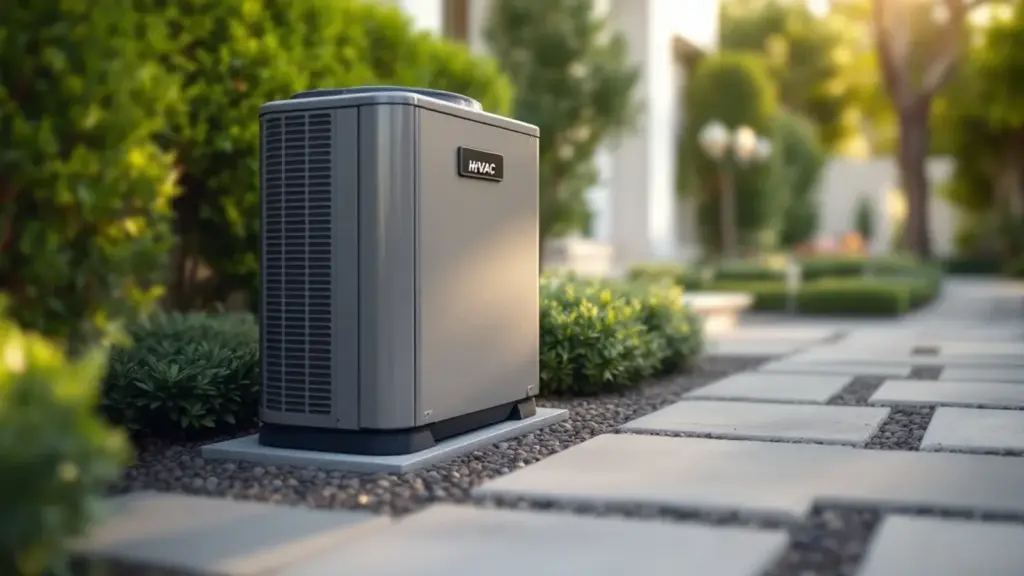
How Sound Ordinances Impact Beverly Hills AC Upgrades
Are you wondering how quiet your outdoor cooling unit needs to be to pass inspection in this city? Property owners in our neighborhood often discover that choosing a cooling system involves much more than just picking a brand or matching the size of their home. Beverly Hills enforces strict municipal noise limits on outdoor mechanical equipment to maintain quiet, peaceful residential streets. If you are planning an upgrade, selecting from the quietest air conditioners for homes is not just a comfort preference, it is a municipal compliance requirement.
When planning a major home improvement project, understanding these local sound boundaries helps you avoid costly municipal penalties or the need to reinstall equipment. Working with experienced specialists ensures your system is selected, positioned, and installed in full compliance with local laws. For a complete look at the process, explore our central guide on beverly hills ac installation services. Let us look at the primary ways sound ordinances shape your comfort decisions.
1. The Strict Beverly Hills Decibel Limits
Beverly Hills operates under some of the most rigorous residential noise guidelines in Southern California. The municipal code dictates that mechanical equipment, including outdoor air conditioning condensers, must not increase the ambient noise level at the property line by more than a minimal margin. Specifically, in residential zones, the base ambient sound level is tightly controlled, and any new mechanical installation must meet strict decibel thresholds during both daytime and nighttime hours.
Unlike other regions where a standard condenser can be placed anywhere in the side yard, Beverly Hills inspectors require physical proof of compliance. Selecting quietest air conditioners for homes is the absolute best starting point for meeting these targets. High-end systems utilize specialized sound blankets, aerodynamically designed fan blades, and insulated compressor compartments to keep operating noise down to whisper-soft levels, ensuring your property stays perfectly quiet and fully compliant.
2. The Complexity of Side Yard Setback Regulations
In many Beverly Hills neighborhoods, homes sit relatively close to one another, separated by narrow side yards. Standard city codes require strict setbacks for any mechanical equipment from the property line. Because sound dissipates over distance, a louder unit placed too close to a neighbor’s window or patio will quickly trigger a noise complaint and a visit from code enforcement officers.
If your property has limited outdoor space, you cannot rely on distance alone to lower the decibel levels reaching your neighbor. This is where system selection becomes crucial. When choosing a new air conditioner, you must look at both the physical size of the footprint and the manufacturer sound rating. Opting for a premium, low-decibel model allows for greater flexibility in placement, making it much easier to satisfy the strict zoning setbacks without sacrificing performance.
If you want it handled correctly the first time, consider professional our services in Beverly Hills.
3. Smart Placement and Acoustical Enclosures
Sometimes, even the quietest air conditioners for homes require additional support to meet the city’s strict property-line noise limits. Sound reflects off hard surfaces, meaning an outdoor condenser placed on a concrete pad between two stucco walls will actually sound much louder than one placed in an open area. The sound waves bounce back and forth, amplifying the noise level that reaches the adjacent property.
Strategic placement is always the first line of defense, but when space is exceptionally tight, physical sound barriers may be necessary. These can include custom-built acoustic enclosures, solid boundary walls, or dense, sound-dampening landscaping. However, these barriers must be designed carefully to avoid restricting the airflow that your system needs to operate efficiently. Proper planning prevents your system from overheating while keeping the operating volume within legal limits.
4. Inverter-Driven Compressors vs. Standard Units
Traditional air conditioning units operate on an all-or-nothing basis. The compressor is either running at full capacity (one hundred percent speed) or it is completely off. This sudden start-up cycle creates a noticeable spike in noise, often accompanied by a metallic hum or vibration that can easily exceed local nighttime decibel limits. These sudden sound bursts are highly noticeable and are a common source of neighbor disputes.
In contrast, modern variable-speed, inverter-driven systems operate continuously but at much lower, highly efficient speeds. They adjust their output in tiny increments to match the cooling needs of your home. Because they rarely need to run at maximum speed, they operate at a fraction of the noise level of a standard unit. Investing in variable-speed technology is one of the most effective ways to guarantee compliance with local sound rules while enjoying exceptionally smooth, consistent indoor temperatures.
5. Vibration Isolation and Mounting Standards
Many Beverly Hills homeowners rely on expert our services in Beverly Hills for exactly this.
Sound travels not only through the air but also as physical vibrations through the ground and the structure of your home. An outdoor unit mounted directly to a concrete pad or attached to an exterior wall can transfer low-frequency hums straight into the living spaces, or worse, into a neighbor’s adjoining wall. Beverly Hills building inspectors look closely at how mechanical equipment is mounted and anchored.
To prevent these vibrations from turning into structural noise, installations must utilize high-quality vibration isolation pads. These specialized rubber-and-cork or elastomeric pads sit beneath the condenser, absorbing the physical motion of the compressor before it can transfer to the ground or the house. Ensuring your system is mounted correctly is just as important as choosing a quiet model when it comes to passing final inspections.
6. The Pitfalls of Permitting and Inspections
You cannot bypass the municipal permitting process when upgrading your cooling system in Beverly Hills. The city requires detailed site plans showing the exact location of the proposed outdoor equipment, its distance from property lines, and the manufacturer’s specified decibel rating. If the submittal does not meet local standards, your building permit will be delayed or denied.
Our team understands the precise documentation required to satisfy local plan checkers. We make sure that all equipment selections align perfectly with municipal requirements from the start. To understand the broader regulatory landscape of our local area, read about the detailed permit requirements in Beverly Hills before you finalize your system plans. Proper documentation ensures a smooth, worry-free installation process.
7. Impact on Older and Historic Estates
Beverly Hills is home to many historic estates and classic architectural masterpieces. Retrofitting these properties with modern air conditioning presents unique spatial and structural challenges. Older homes often have structural layouts that force outdoor equipment to be placed in areas that are highly visible or physically close to neighboring structures, making sound management incredibly difficult.
Ready for the next step? Learn how our services services in Beverly Hills can help and reach out to the team.
Preserving the aesthetic integrity of an estate while managing modern sound codes requires a highly customized approach. If you own an older home, you will need to balance architectural preservation with modern sound standards. For a detailed breakdown of how to navigate these architectural restrictions, check out our guide on historic home AC upgrades in Beverly Hills to learn how to keep your historic property quiet, cool, and fully compliant.
Frequently Asked Questions
What is the maximum decibel level allowed for residential AC units in Beverly Hills?
The city’s regulations dictate that residential mechanical equipment must not increase the ambient noise level at the adjacent property line. Specific allowable decibels depend on your exact zoning district and the existing ambient noise levels, which are carefully evaluated during the permitting process.
Can I use a sound blanket to make my existing air conditioner quieter?
Yes, adding a manufacturer-approved compressor sound blanket can help reduce the noise of an older system. However, for older or naturally loud units, a blanket alone may not be enough to satisfy strict local property-line sound limits if the unit is installed close to a neighbor.
Do variable-speed air conditioners really save money and reduce noise?
Yes, variable-speed systems are designed to run at lower, whisper-quiet speeds for most of the day rather than cycling on and off at full blast. This constant, low-speed operation drastically reduces noise output while lowering overall energy consumption compared to traditional single-stage units.
Selecting the Right System for Your Property
Navigating the intersection of local noise ordinances and home comfort requires specialized local expertise. By choosing quietest air conditioners for homes and planning your placement carefully, you can enjoy a beautifully cool home without worrying about municipal penalties or neighbor complaints. Contact the team at Smart HVAC System of Beverly Hills today to schedule a comprehensive consultation and design a compliant, whisper-quiet system for your estate.