
Beverly Hills AC Installation: Premium System Selection and Investment Factors
You step into your living room on a warm September afternoon, adjust the thermostat, and notice only a faint, lukewarm breeze accompanied by a subtle metallic click behind the wall. In Beverly Hills, where summer temperatures regularly stretch well into October and inland heat traps against the Santa Monica Mountains, a failing air conditioning unit is more than a minor inconvenience. Investing in a new cooling system requires careful navigation of local building codes, historic home layouts, and advanced comfort technologies. Securing a professional beverly-hills ac installation ensures your home remains a sanctuary of quiet, efficient comfort throughout the warmest Southern California seasons.
Understanding Air Conditioning Installation Beverly Hills Standards
Upgrading the cooling infrastructure in a luxury property requires a systematic approach that goes beyond simply matching the size of an old unit. Modern climate technology relies on precise engineering to maintain consistent temperatures, manage indoor humidity levels, and operate with minimal sound. Homeowners must balance energy efficiency goals with structural realities to find a setup that integrates seamlessly into their living space.
When selecting a system, the primary options range from traditional split systems to modern variable-speed setups and ductless configurations. Traditional central air units are reliable workhorses, but they operate on an all-on or all-off basis, which can lead to minor temperature swings. In contrast, variable-capacity systems constantly adjust their output to match the immediate cooling load of the home, running at lower, whisper-quiet speeds for extended periods to maintain perfect thermal balance.
HVAC Replacement Cost Factors for Premium Properties
Calculating the investment required for a new system involves looking at several variables that influence the overall complexity and scope of the project. Rather than focusing solely on the equipment itself, it is helpful to analyze the structural and performance-related elements that shape the final installation plan.
Property Size and Thermal Architecture
The physical footprint of your residence dictates the capacity of the cooling equipment needed. However, square footage is only part of the equation. Beverly Hills homes often feature high ceilings, expansive floor-to-ceiling glass walls, and complex architectural layouts that absorb heat differently throughout the day. A proper load calculation evaluates these thermal dynamics to determine the ideal system capacity, preventing the issues associated with over-sized or under-sized equipment.
Ductwork Infrastructure and Integrity
An air conditioner is only as effective as the delivery system carrying the cool air to each room. If your existing ductwork is aged, poorly sealed, or improperly sized, even the most efficient new compressor will struggle to perform. Upgrading to a modern system often requires sealing, insulating, or partially replacing old metal or flexible ducts to preserve airflow pressure and protect indoor air quality.
If you want it handled correctly the first time, consider professional our services in Beverly Hills.
Advanced Air Filtration and Purification
For properties where indoor air purity is a priority, incorporating advanced filtration systems directly into the duct network is highly effective. Media filters with high MERV ratings, whole-home air purifiers, and integrated UV germicidal lights can be installed alongside the primary cooling equipment. These additions help capture fine airborne particles, dust, and pollen, ensuring the air circulating through your home feels as clean as it does cool.
Choosing a New Air Conditioner: System Type Comparison
Selecting the right equipment structure is critical to achieving long-term satisfaction with your cooling system. Different architectural styles and lifestyles demand different technical solutions. Below is a detailed comparison of the primary system configurations used in local residences.
| System Type | Ideal Architectural Match | Key Performance Advantages | Key Considerations |
|---|---|---|---|
| Variable-Speed Central AC | Modern estates with existing, high-capacity ductwork | Incredible temperature consistency, superior humidity control, ultra-quiet operation | Requires high-quality, fully sealed duct networks to maximize efficiency |
| Multi-Zone Ductless Mini-Split | Properties with unique additions or minimal crawl space | Independent room temperature control, no ductwork required, highly energy efficient | Wall-mounted or ceiling-recessed cassettes are visible within the living space |
| Heat Pump Systems | All-electric homes looking for both heating and cooling | Dual-purpose operation, exceptionally low carbon footprint, quiet performance | Requires matching high-efficiency air handlers inside the home |
| Zoned Packaged Systems | Properties with limited indoor utility closet space | All components housed in a single exterior unit, frees up interior square footage | Requires robust outdoor clearance and proper aesthetic screening |
The Beverly Hills Climate and Housing Market Impact
The local environment and unique housing inventory in Beverly Hills create highly specific demands for air conditioning installations. Property styles in the area range from sprawling 1920s Spanish Revival and legendary Mid-Century Modern estates to recently constructed contemporary residences. Each architectural era presents distinct challenges for climate control systems.
Older, historic structures often feature plaster walls, delicate architectural details, and minimal ceiling cavities, making the installation of traditional bulky ductwork impractical. For these classic properties, preserving the original design while introducing modern cooling requires specialized techniques, which you can read about in our guide on historic home AC upgrades in Beverly Hills. Furthermore, properties in neighborhoods near the hillsides must contend with variable microclimates, where morning marine layers give way to intense afternoon sun, demanding highly responsive climate control.
Local municipal guidelines also play a significant role. The City of Beverly Hills enforces strict noise ordinances regarding the decibel levels of outdoor mechanical equipment, particularly along close property lines in residential zones. To ensure compliance, homeowners must select whisper-quiet outdoor condensers or design custom acoustic enclosures. For a detailed breakdown of local compliance requirements, consult our overview of HVAC permit requirements in Beverly Hills before scheduling your installation.
Many Beverly Hills homeowners rely on expert our services in Beverly Hills for exactly this.
Custom Zoning and Sound Optimization
In larger estates, a single thermostat is rarely sufficient to manage the diverse heating and cooling loads across multiple levels or wings. Implementing a zoned system allows you to divide your living space into distinct thermal areas, each controlled by its own thermostat. This prevents the common problem of over-cooling empty guest suites just to keep the primary bedroom comfortable. To explore how zoning can tailor your environment, check out our guide on home comfort zoning in Beverly Hills.
In addition to zoning, minimizing mechanical noise is crucial for maintaining a tranquil home environment. High-end installations focus on selecting outdoor units with advanced compressor blankets, swept-wing fan blades, and variable-speed fan motors that barely whisper during operation. If you prioritize absolute silence, read about the quietest air conditioners in Beverly Hills to find models designed to run without disrupting outdoor patios or indoor sleeping areas.
The Installation Process: What to Expect
A professional air conditioning installation is a multi-step process that requires precision, cleanliness, and technical expertise. Understanding the timeline and physical stages of the project helps ensure a smooth, stress-free transition to your new system.
- Site Evaluation and Load Calculation: Technicians measure window orientations, insulation values, and room volumes to calculate the precise cooling capacity required for your specific property.
- Ductwork and Structural Inspection: The existing air delivery system is inspected for leaks, structural blockages, and overall cleanliness before any new equipment is connected.
- Decommissioning and Removal: The old indoor and outdoor units are carefully disconnected, safely capturing and reclaiming old chemical refrigerants in accordance with environmental regulations.
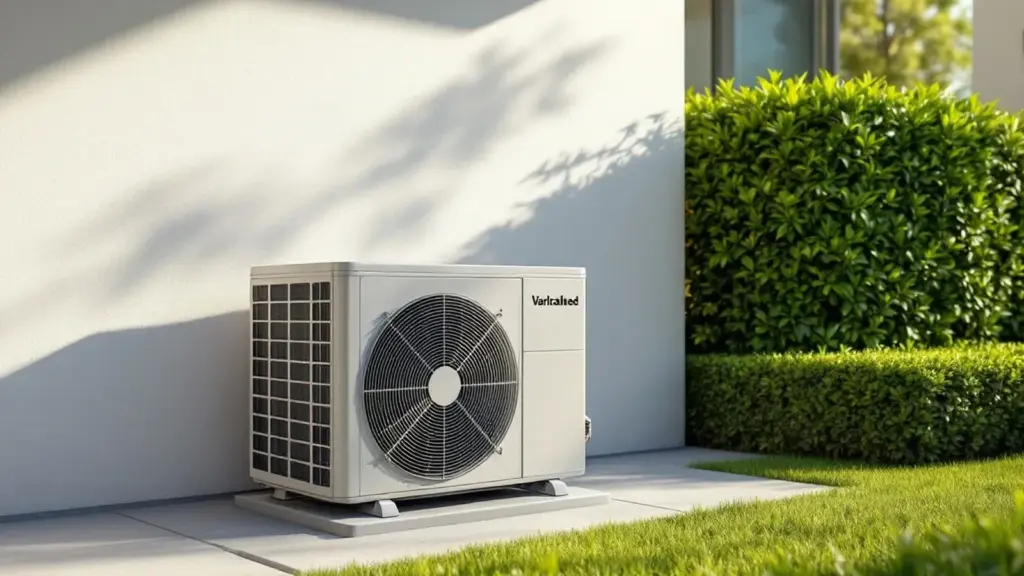
- Equipment Positioning and Mounting: The new indoor coil and air handler are installed, while the outdoor compressor is placed on a level, vibration-absorbing pad designed to minimize sound transfer.
- Refrigerant and Electrical Integration: Certified technicians run new copper refrigerant lines, connect control wiring, and integrate the system with your smart thermostat or home automation setup.
- System Commissioning and Testing: The system is charged with refrigerant, started up, and thoroughly tested across all cycles to measure airflow volume, temperature drops, and electrical draw.
Frequently Asked Questions
Ready for the next step? Learn how our services services in Beverly Hills can help and reach out to the team.
How long does a typical AC installation take in Beverly Hills?
A standard change-out of an existing split system can often be completed in one to two days. However, more complex projects involving extensive duct modification, multizone zoning systems, or historic home preservation can take anywhere from three to five working days to complete properly.
What SEER2 rating should I choose for my new system?
California regional standards mandate a minimum efficiency rating for new installations, but opting for a higher SEER2 rating (such as 18 to 22+) provides significantly lower monthly operating costs. High-efficiency variable-speed units are particularly effective in our warm climate, as they run at lower speeds for longer intervals to maximize efficiency.
Can I integrate a new air conditioner with my existing smart home system?
Yes, most modern high-efficiency cooling systems are compatible with popular smart home platforms and advanced communicating thermostats. This compatibility allows you to monitor and control your indoor climate remotely, set automated schedules, and receive maintenance alerts directly on your smartphone.
Why is a proper load calculation so important before installation?
An oversized system will cycle on and off rapidly, which wastes energy, causes premature wear on components, and fails to adequately dehumidify the air. An undersized system will run continuously without ever reaching your desired temperature, leading to high utility bills and lukewarm rooms during heatwaves.
Protecting Your HVAC Investment
Once your new cooling system is successfully installed, taking proactive steps to protect your investment ensures it continues to operate at peak efficiency for years to come. Routine maintenance, timely filter replacements, and regular professional checkups prevent unexpected breakdowns during the hottest months of the year. To maximize the lifespan and efficiency of your new unit, review our recommended post-AC installation care in Beverly Hills protocols.
When you are ready to upgrade your home comfort, rely on a team that understands the precise technical, aesthetic, and regulatory requirements of premium properties. Contact Smart HVAC System of Beverly Hills today to schedule a detailed assessment of your home and discover the ideal cooling solution for your lifestyle.