
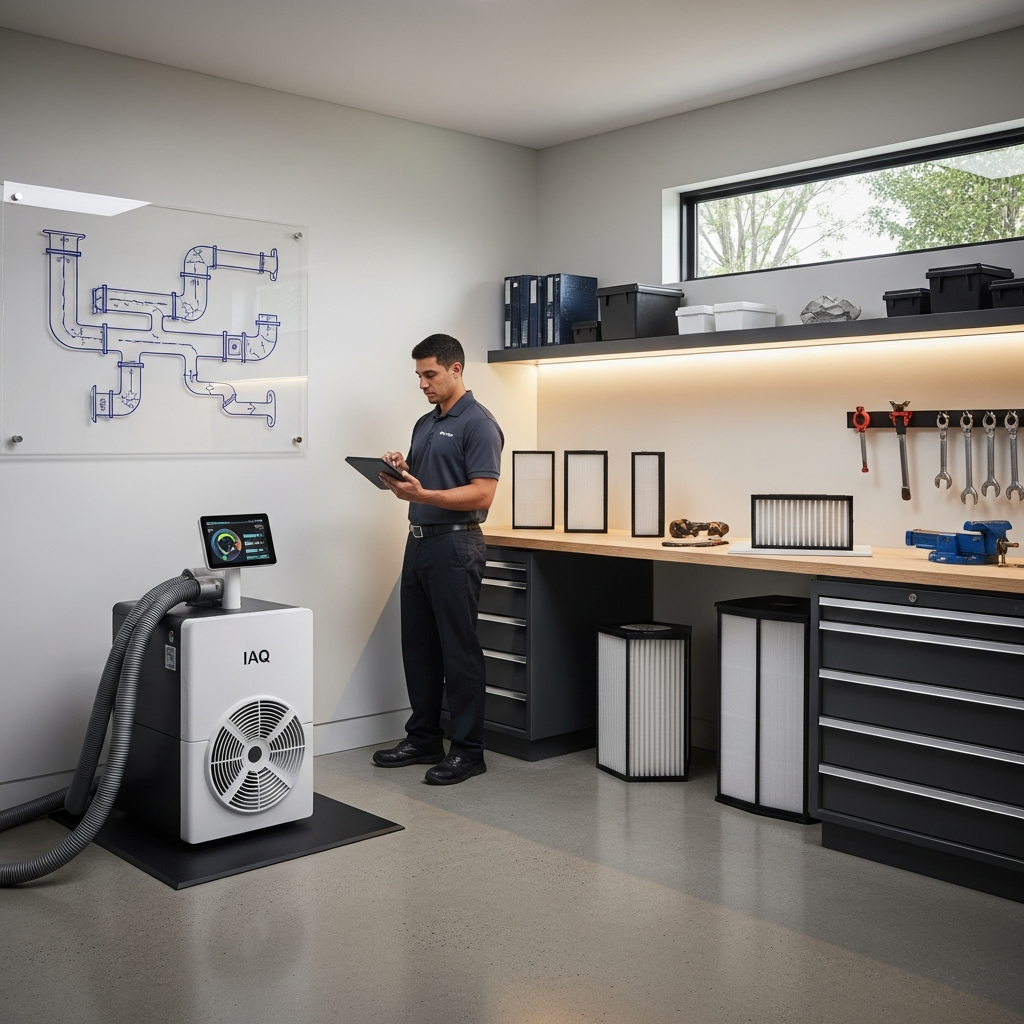
From palm-lined drives to concealed mechanical rooms humming quietly behind paneled doors, Beverly Hills has always paired comfort with refinement. That sensibility now extends into how we care for the air that moves through our homes. Conversations I have with homeowners from The Flats to Trousdale Estates are changing; people want results that are measurable, methods that are gentle on materials, and strategies that fit the rhythm of our climate. Behind those requests are new trends in duct cleaning and HVAC care that are reshaping what “good maintenance” looks like in our city.
One of the biggest shifts I’m seeing is toward a holistic mindset. Instead of treating a cleaning as a stand-alone event, homeowners are weaving it into a broader plan that includes filtration upgrades, duct sealing, and thoughtful ventilation. The goal isn’t simply dust removal; it’s a cleaner, calmer indoor environment that stands up to canyon breezes, landscaping dust, and the occasional smoky week. Early in that plan, a targeted air duct cleaning is the reset button that makes every other improvement work better.
Data-informed maintenance is becoming the norm
We now have better ways to understand what’s happening in the air than simply asking, “How does it smell?” Portable particle counters and IAQ monitors provide snapshots before and after a job, and while you don’t need a lab to feel the difference, that data is reassuring. Homeowners are keeping logs that note dusting frequency, startup odors, and filter color over time. When you see a post-cleaning filter that stays lighter longer, it confirms what your nose already knows. This feedback loop has made maintenance more targeted and less about guesswork.
Gentler tools, smarter techniques
Another trend is the refinement of tools that treat ducts with care while still delivering a deep clean. Soft-brush agitation systems and air whips paired with strong negative-pressure capture are now standard among teams who work in high-finish homes. We’re also seeing more emphasis on containment—registers sealed during cleaning, access panels positioned so finished spaces remain pristine, and equipment placed to minimize noise and movement through the home. The result is an experience that feels as composed as the interiors we’re protecting.
Focus on sealing and pressure balance
Cleaning alone is powerful, but the long-term win comes when you address why dust and debris were accumulating so quickly in the first place. More homeowners are asking for filter rack sealing to eliminate bypass, mastic or tape sealing at key duct joints, and checks on return plenum integrity. Pressure balance matters too; long hillside runs and multi-zone systems can create low-velocity pockets where particles settle. Adjustments to dampers and fan run times after cleaning help maintain the clean interior surfaces you just invested in.
The wildfire and smoke lesson
Recent years taught us that smoke’s influence can linger in subtle ways. A modern approach recognizes that even if ash never touched your patio, ultrafine particles and odor compounds can travel indoors through micro-leaks and fresh-air paths. Post-smoke-season cleaning paired with carbon-enhanced filtration has become a playbook item for many families. It’s less about crisis response and more about restoring neutrality to spaces where faint reminders of those weeks can otherwise resurface on the first hot day of the season.
Attention to materials inside ducts
Older homes may have internal duct liners that have aged. Newer homes might rely on flexible ducts in tight chases. The trend is toward tailoring the cleaning method to the material, not forcing one tool to do it all. That means inspecting for frayed liners, gently working flex duct to avoid damaging the helix, and recognizing when a section has reached the end of its useful life. A measured, material-conscious approach earns cleaner results with less risk and is increasingly expected by discerning homeowners.
Wellness-driven design meets maintenance
The wellness movement has reached mechanical rooms. Architects and renovators are carving out better access to ducts and returns, making future cleaning easier and more thorough. We’re also seeing more fresh-air strategies integrated during remodels, which means cleaning schedules consider not only ducts but also the pathways that introduce outdoor air. In homes perched above Sunset where views invite open windows, owners are pairing that natural ventilation with planned cleanings so the joy of a breeze doesn’t turn into months of lingering dust.
Quiet, low-disruption service models
Another trend is logistical: minimizing intrusion. Staging tools away from high-traffic zones, using protective runners that don’t telegraph “work site,” and sequencing rooms to fit around your day are now hallmarks of good service. Beverly Hills homes are often busy with school runs, workouts, and deliveries. A trend-forward team adapts, working in a rhythm that respects your schedule as much as your finishes. You feel the difference in how calm the day remains even while meaningful work is underway.
Integrating filtration upgrades
After a thorough cleaning, upgraded filtration shines. Many homes are stepping up to higher-efficiency media where systems can support it, and more importantly, to better seals around the filter itself. I’ve seen households move from frequent filter grays to a steadier, lighter tone that says, “We’re catching the new, not recirculating the old.” Coupled with a check on return leaks and a light duct sealing, this upgrade locks in gains and stretches the time between cleanings.
Balancing natural ventilation with clean ducts
We live in a place where outdoor living is part of the culture. Opening sliders to let canyon breezes wander through is a joy we shouldn’t give up. The trend is toward smarter timing—ventilating during lower-pollen hours, then running the fan briefly afterward to push settled dust toward the filter instead of into ducts. Homeowners are coupling those habits with periodic cleaning so the freedom to open up the house doesn’t come with a dust debt later.
Education over mystery
Transparency is in. Instead of a rushed in-and-out service, trend-forward providers walk homeowners through what they found, where buildup was worst, and how to keep it at bay. Photos of before-and-after sections, explanations of airflow patterns, and simple tips for maintenance make the process feel collaborative. People care more for systems they understand, and the trend is unmistakably toward sharing that understanding rather than holding it back.
When to schedule with the seasons
Smart timing amplifies results. Many families target late winter or early spring to stay ahead of blooms and landscaping dust. Others pick early fall before Santa Anas and holiday hosting. Post-renovation and post-smoke events are natural triggers too. The point is planning—placing your cleaning so it supports the way you live across the next six to twelve months rather than reacting after discomfort shows up. That proactive stance has become the Beverly Hills way of thinking about comfort.
Digital reminders and living maintenance plans
I’m seeing more households adopt digital notes that track filter changes, professional visits, and observations about room comfort. This running record helps you spot trends, like a powder room vent that leaves a ring of dust or a family room that grows sleepy when landscaping kicks up. When you book the next air duct cleaning, those notes guide the conversation, making the service even more targeted. Small habits backed by simple data create outsized comfort.
Beyond the ducts: registers, grilles, and diffusers
Another quiet shift is renewed attention to the final inch of the system. Decorative registers and diffusers often live in view but get neglected. Cleaning and, if needed, adjusting or replacing them can improve throw patterns and reduce dust rings on nearby walls and ceilings. After a duct cleaning, tending to these endpoints keeps the refreshed airflow crisp and helps rooms feel finished in every sense of the word.
Caring for homes of different eras
Historic mansions north of Sunset, mid-century gems with daring lines, and ultramodern glass pavilions off Wilshire all need the same thing—clean, balanced air—but they get there along different routes. The trend is toward custom plans that honor each home’s build. In a historic residence, that may mean gentler tools and more access points to avoid disturbing plaster. In a mid-century, it could mean paying attention to long, low runs. In a modern build, it often means integrating smart controls that coordinate fan cycles with window usage.
What success feels like
When these trends come together, the result is sensory. Startup odors fade. The hush of airflow sounds even and composed. Rooms equalize in temperature without constant fiddling at the thermostat. Dusting becomes a lighter task. If you’ve ever paused at a sunbeam and seen fewer motes than the week before, you know the odd satisfaction of air that’s quietly, consistently clean. That’s the destination these evolving practices help you reach.
Answers to common trend-related questions
Do I need data to justify cleaning?
No, your comfort is reason enough. But simple before-and-after snapshots—photos from inside ducts or a note about how fast dust returned—help you know the work paid off. For those who enjoy metrics, entry-level IAQ monitors can be informative without turning your living room into a lab.
Are modern tools safe for older ducts?
Yes, when matched properly. Today’s softer agitation options and careful negative-pressure capture protect aging materials. The key is inspection first, then tailoring the method to what your home actually has behind the registers.
Will sealing trap moisture inside ducts?
Proper sealing addresses leaks that pull in dust from attics and crawl spaces. It doesn’t prevent normal system drying. In fact, with balanced airflow and correct fan runtimes, interiors dry more predictably. If moisture has been an issue, it’s a cue to examine insulation, low spots, and drain pans rather than to avoid sealing.
How often should I clean if I follow these trends?
Intervals vary, but with upgraded filtration and sealed returns, many homes can stretch to the longer end of typical ranges. Lifestyle matters too—pets, open-window habits, and local construction all influence timing. The best plan adapts as your household changes.
Can I open windows if I’ve invested in cleaner ducts?
Absolutely. The aim isn’t to close your home to the world, but to be intentional. Choose lower-pollen hours when possible, and run the fan briefly afterward. Periodic cleaning keeps the system resilient so those open-window moments feel indulgent, not costly.
What about fragrance solutions?
Covering odors is different than removing what causes them. Clean ducts reduce the need for scents, which can themselves be irritants. If you enjoy fragrance, treat it as a choice, not a crutch for what a cleaning and filtration can solve at the root.
Bringing it home in Beverly Hills
The biggest trend is this: homeowners taking quiet control of their air with knowledge, intention, and services that respect their spaces. That’s the Beverly Hills version of maintenance—graceful, planned, and effective. If you’re ready to feel the difference in the way your home breathes, align your next steps with these practices. To begin with a reset that makes everything else work better, schedule professional air duct cleaning and let your rooms exhale with you.