
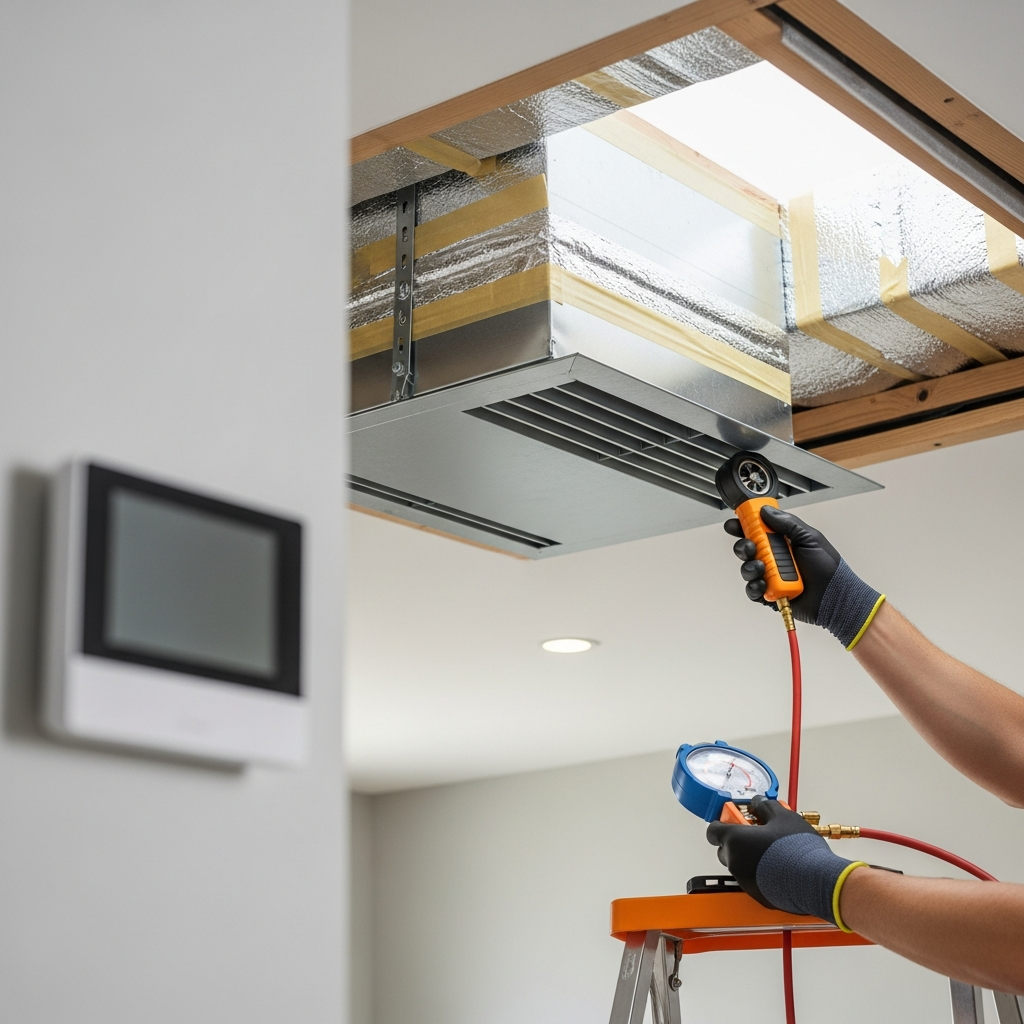
Energy efficiency in Beverly Hills is not just a number on a utility statement; it is part of a lifestyle that values calm, quiet, and thoughtful design. When an air conditioner cools efficiently, you feel it in the steadiness of the temperature, the softness of the sound, and the ease with which the home recovers after a warm afternoon. Achieving that feeling consistently begins with a plan for energy-saving air conditioning maintenance that is tuned to our local climate, your home’s architecture, and the way you use each room.
Efficiency is about reducing waste at every step of the cooling process. That means letting air move freely, allowing refrigerant to exchange heat without obstruction, and ensuring controls do not force the system to work harder than it needs to. It also means paying attention to the fine details—like filter selection, duct sealing, and setpoint strategy—that convert good intentions into practical results. In Beverly Hills, where homes blend classic design with modern systems, the path to energy savings is careful, respectful, and surprisingly elegant.
Over the years, I have seen that the most effective energy improvements often come from maintenance rather than major equipment changes. Clean coils, balanced airflow, and smart scheduling can transform the way a system feels and functions. You do not need to overhaul your home to enjoy a cooler, quieter, more efficient summer; you just need a maintenance approach that looks at the whole picture.
Airflow: The Foundation of Efficient Cooling
Every watt your system uses should deliver comfort. Airflow is how that happens. When filters are right for the equipment and changed on schedule, the blower does not fight against resistance. When ducts are sealed at seams and transitions, cooled air reaches living spaces instead of drifting into attics or walls. During maintenance, we measure static pressure, inspect returns, and verify that supply registers are not throttled by furniture or drapery. These adjustments are subtle but powerful, turning noisy, strained cooling into smooth, efficient delivery.
Coils and Heat Exchange
Coils are the heart of your system’s efficiency. A fine film of dust or pollen on an evaporator coil can insulate it, reducing its ability to absorb heat. A condenser coil with embedded debris sheds heat less effectively, forcing longer run times. Maintenance includes gentle, thorough cleaning with the right solutions, followed by verification of temperature splits and refrigerant balance. When coils are clean and charge is correct, the system runs cooler, cycles more gracefully, and uses less energy to achieve the same comfort.
Filter Strategy Without Compromise
Many homeowners want cleaner air and lower energy use at the same time. The key is choosing filters with a MERV rating that captures the particles you care about without creating excessive pressure drop. During maintenance, we assess your system’s capacity and duct design to recommend filters that strike this balance. If your household includes allergy-sensitive family members or you have experienced smoke days, we can step filtration up temporarily and then ease back when conditions normalize, always keeping efficiency in view.
Duct Sealing and Insulation
Cool air should cool people, not attics. We look for telltale signs of leakage—dust streaks at joints, temperature differences along runs, and uneven room performance. Where access allows, sealing seams and improving insulation over hot zones preserves energy that would otherwise be lost. These are often modest interventions made during maintenance appointments that yield a noticeable improvement in comfort and a quieter, more efficient system.
Smart Thermostats and Setpoint Strategy
Smart controls are most efficient when they reflect your actual routine. We fine-tune schedules to smooth peaks and avoid unnecessary cycling, coordinating with your lifestyle—work-from-home days, travel windows, and weekend entertaining. Gentle pre-cooling before afternoon heat can be more efficient than sudden recovery later. Maintenance includes checking sensor accuracy and updating firmware so your controls execute strategies reliably.
Zoning with Purpose
Many Beverly Hills homes use zoning to focus comfort where it is needed. Efficient zoning means dampers and thermostats cooperate rather than compete. During maintenance, we confirm damper function, balance airflow, and align schedules so zones do not fight for priority. The result is even comfort and fewer runtime hours, because the system serves the spaces in use instead of cooling the entire house equally at all times.
Outdoor Unit Placement and Care
Landscaping and architecture influence efficiency. Condensers tucked behind hedges or architectural screens need breathing room. Overspray from irrigation can embed minerals in coils, raising head pressure. Seasonal maintenance keeps clearances open and coils clean, and it verifies that fan blades and motors are operating in a sweet spot that preserves energy while moving the right amount of air.
Humidity, Comfort, and Runtime
Comfort is not just temperature; humidity matters. When coils are clean and airflow is correct, your system can remove moisture effectively, allowing slightly higher setpoints to feel just as comfortable. That small shift can save energy across long summer days. Maintenance that tunes heat exchange and airflow enables this kind of nuanced control, giving you comfort that costs less to maintain.
The Mid-Season Efficiency Check
Efficiency drifts over time as filters load and coils collect film. A mid-season check realigns performance before the hottest weeks arrive. We verify superheat and subcool, confirm static pressure, and recalibrate thermostats if needed. If furniture has been rearranged or a door stays closed more often, we adjust airflow to match. This is also the moment to add a light coil rinse if outdoor conditions have been dusty. With that brief touch, the second half of summer often feels cooler and quieter even as temperatures rise. Committing to periodic efficiency-focused HVAC maintenance is how you lock in those gains.
Older Homes, Modern Efficiency
Classic Beverly Hills homes were not designed around central air, but they can still run efficiently. We prioritize non-invasive improvements—sealing accessible ducts, optimizing return air paths, balancing supply registers—and we recommend component updates on your timeline. With careful maintenance, even a mature system can deliver poised, quiet comfort while using less energy than you might expect.
Construction, Dust, and Adaptive Care
Renovations on your street or in your own home can introduce fine dust that loads filters faster and films coils. Maintenance adapts by checking filtration more frequently, scheduling an interim coil inspection, and verifying that return air is protected during dusty phases. This flexibility protects efficiency in real-world conditions.
Measuring What Matters
What gets measured improves. We record airflow, static pressure, temperature splits, and electrical readings at each visit. Over time, those numbers reveal where small changes can deliver outsized efficiency gains—like a zone that would benefit from a diffuser adjustment or a condenser that needs slightly more clearance. Decisions grounded in data help ensure that each maintenance action yields a real return in comfort and energy savings.
Sound as an Energy Clue
Listen to your system. A soft new hum or a sharp click can indicate wear, imbalance, or strain. By addressing those clues during maintenance—balancing a blower, tightening a panel, replacing a drifting capacitor—we often restore quiet and reclaim efficiency at the same time. A calm system is usually an efficient system.
Frequently Asked Questions
How much can maintenance improve efficiency?
While results vary by home and equipment, tuned airflow, clean coils, and smart scheduling often produce a noticeable reduction in runtime and steadier comfort. The benefit compounds over a season as the system avoids strain.
Do higher-MERV filters hurt efficiency?
They can if mismatched. When chosen and installed thoughtfully, filters can capture fine particles without excessive pressure drop. We balance filtration needs with system capacity to protect both air quality and efficiency.
Is a mid-season visit really necessary?
For many homes, yes. Efficiency naturally drifts as filters load and coils collect film. A brief mid-season check re-centers performance before peak heat, keeping comfort high and energy use lower.
Can zoning reduce energy use?
When dampers and schedules are aligned, zoning can concentrate cooling where needed and reduce runtime. Maintenance ensures zones cooperate, not compete, which is essential for true energy savings.
My system is older—can maintenance still help?
Absolutely. Clean heat exchange surfaces, sealed ducts where accessible, and tuned controls can yield meaningful gains, extending useful life and improving comfort without a major overhaul.
What should I watch for between visits?
Notice changes in sound, longer run times, or rooms drifting from their usual feel. These cues often point to airflow or control adjustments that are quickly addressed during maintenance.
Take the Next Step
Efficiency feels like ease—a home that stays cool without calling attention to itself. If you are ready to reclaim that ease through careful, data-informed care, reach out to optimize your AC efficiency with a maintenance plan designed for Beverly Hills living.