
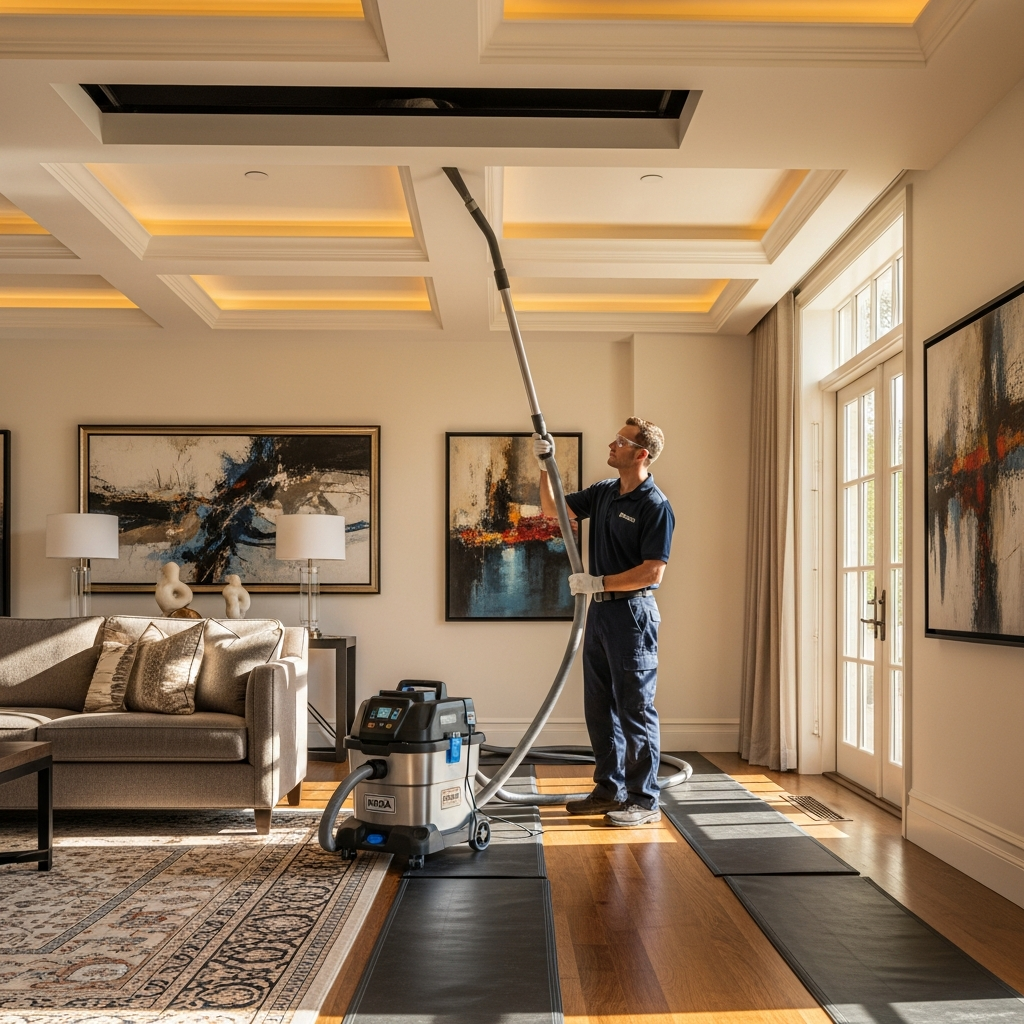
In Beverly Hills, conversations about the true impact of cleaner indoor air naturally lead to the question of what goes into the overall investment of maintaining your home’s ventilation. From Trousdale to the flats and into the canyons, homes here present a remarkable range of architectural styles and mechanical layouts, each influencing the scope of work involved in a thorough air duct service. As a local, I’ve seen how sun-baked canyon dust, sea-breeze particulates that drift inland, and year-round entertaining can all shape what your home needs. If you are just beginning your research, one of the most helpful steps is understanding how a reputable crew approaches professional air duct cleaning in a Beverly Hills residence—what it entails, why it matters, and which details meaningfully influence the scope of the project.
Before we talk about the elements that shape your overall outlay, it’s useful to ground the conversation in how work is actually performed. In a comprehensive service, technicians isolate the duct system, establish negative pressure with specialized equipment, and methodically dislodge adhered debris with agitation tools before collecting it in high-filtration vacuums. They address supply and return trunks, branch lines, and registers, and will often recommend inspecting adjacent components—like the blower compartment and evaporator coil box—because buildup in these areas can migrate back into the ducts. The more complete and methodical the process, the more consistent the air quality benefits tend to be.
In Beverly Hills, the wide span of property sizes—from chic pied-à-terres to multi-wing estates—directly affects the scale of work. A larger home with multiple air handlers and zones means more duct runs, more registers, and more time for complete coverage. Ceiling heights and architectural features like recessed soffits or decorative coves add complexity to access. In older homes, ductwork may wind through tight chases or around retrofitted framing, requiring patience and specialized tools to reach. None of this is inherently problematic; it just means a reputable team will plan more carefully, move more deliberately, and take the time to protect finishes and art pieces along the way.
Local environment also plays a quiet but important role. On windy days when canyon breezes kick up fine dust, particles can slip into crevices and settle along return paths. During the drier months, pollen counts peak across the Los Angeles basin and make their way indoors with open doors and frequent guests. For homes near ongoing construction or remodeling, fine particulates can linger despite routine housecleaning. All of these factors influence how much buildup a crew will encounter and, by extension, how extensive the job will be.
Timing matters as well. Many Beverly Hills households coordinate home services around seasonal entertaining, film or fashion events, and travel schedules. When a project must be completed within a tight window, the logistics of staffing, staging, and completion can become more intricate. Similarly, scheduling during peak seasons—when many residents return to host gatherings or prepare for visiting family—can shape availability. A well-organized local provider will help you plan so your home is ready before big moments without disrupting your calendar.
Another consideration is accessibility. Properties perched along winding canyons may have limited parking or steep driveways, and buildings with strict HOA rules often require extra coordination for equipment staging, pathway protection, and elevator reservations. Inside, delicate finishes—polished stone, artisan wall coverings, custom woodwork—call for extra precautions. Responsible teams lay protective coverings, pad corners, and map a careful route from entry to each register, taking the extra steps that preserve your home while they work.
Home health goals are a major influence on scope. If you or a family member is sensitive to dust, dander, or seasonal allergens, technicians may recommend more thorough agitation techniques, added attention to return cavities, and careful handling of filter housings and gaskets to reduce bypass. For homeowners who cook frequently, light oily residues can collect in nearby returns; in these cases, crews spend more time on degreasing and wipe-down steps around registers and grilles. For pet-friendly homes, fur and dander can accumulate around return grilles and in certain duct branches, guiding the team to spend additional effort in those routes.
It’s also common to consider related HVAC hygiene tasks that complement duct cleaning. While the primary goal is clearing accumulated dust from duct interiors, technicians may suggest looking at the blower assembly, evaporator housing, or condensate pathway to ensure the system doesn’t reintroduce debris. If these adjacent components are notably soiled, addressing them during the same visit can enhance the results. In homes where odors linger, additional deodorization steps may be appropriate after cleaning; again, reputable providers will explain the pros and cons and let you decide what aligns with your goals.
Many homeowners ask how often a thorough service is warranted. That depends on lifestyle and conditions. Frequent entertaining, pets, nearby construction, and high traffic can increase accumulation. After renovations, the fine dust that escapes even the best containment can settle inside returns and branch lines, so a post-project cleaning is often wise. In the aftermath of regional smoke events, cleaning may be prudent, particularly for sensitive households. A trusted local team will assess and provide a cadence that makes sense rather than applying a one-size-fits-all schedule.
Quality assurance is an essential part of this conversation. Transparent providers will walk you through what they plan to do, show before-and-after photos of representative duct runs, explain how they protected your home, and leave the system operating smoothly. They will be clear about what duct cleaning can achieve—reduction of dust recirculation, fresher-smelling air, and support for better filtration—and what it cannot, such as compensating for poorly sealed building envelopes or failing equipment. This clarity helps you understand the value of the work you’re receiving.
When you speak with a local specialist, focus on approach rather than catchy offers. Ask how they isolate the duct system, what kind of vacuums and filtration they use, and whether they have experience with older estates, newly built moderns, or mid-century homes with tight plenum spaces. It’s a good sign when they ask you questions in return: How old is your system? Have you remodeled recently? Do you notice dust streaks around supply vents? These details help tailor the plan to your space.
Let’s talk about what “thorough” looks like on the day of service. Upon arrival, a careful team will walk the home, note delicate surfaces, set up pathway protection, and map the system layout. They will identify return openings, supply branches, and service panels, then establish negative pressure. Agitation tools gently break debris loose without gouging or scratching duct walls. Registers and grilles are removed and cleaned; if they’re painted-in, technicians will work patiently to avoid marring surrounding surfaces. Each branch is addressed methodically so that debris flows toward the vacuum source rather than being pushed deeper into the system.
Midway through such a project in Beverly Hills, a conscientious crew might pause to show you progress photos or a small sample of captured debris to illustrate the difference the process is making. Visuals help you appreciate the work that’s occurring in spaces you rarely see. It’s at this point in a longer, multi-zone residence that homeowners often remark how reassured they feel knowing the team is as careful with their ducts as a conservator would be with a gallery wall. If you’re comparing approaches or still exploring options, you can always reference reputable local providers who specialize in air duct cleaning for Beverly Hills homes and can speak knowledgeably about access, protection, and results.
One frequent misconception is that a single quick pass is enough. In reality, the best outcomes come from a sequential approach: establishing containment, loosening residue, capturing debris under sustained negative pressure, and confirming clean surfaces with a light final pass near registers and trunks. This takes patience and experience. Another myth is that a freshly constructed home won’t benefit from a cleaning; yet construction dust, drywall powder, and sawdust often linger in supply lines if registers were not fully sealed during the build. A short, strategic cleaning early in a home’s life can set the stage for easier upkeep long-term.
It’s also valuable to think about filtration alongside duct hygiene. A properly sized, well-sealed filter cabinet with the right media can help keep duct interiors clean longer. If someone in your household has allergies, discuss filter performance and replacement cadence with your HVAC professional. Filtration, duct hygiene, and routine system maintenance work together, each reinforcing the other’s effectiveness.
Neighbors often share stories of the immediate differences they notice after a thorough service. Dusting tends to hold longer. The faint stale odor that used to appear when the system first kicked on goes away. The home feels more refreshed during gatherings, and guests who are sensitive to dust seem more comfortable. While every home is different, those qualitative improvements are common when the work is done with care.
When preparing for your own appointment, a few small steps can help the day go smoothly. Clear areas around vents and returns, move delicate objects from directly beneath registers, and let the team know if there are rooms where you prefer extra discretion. If you have pets, decide in advance how you want to keep them comfortable and safe during the work. Share any recent changes to your HVAC system, like a new thermostat or zone damper, so technicians can operate everything correctly. These simple moves help the team work efficiently and respectfully in your space.
Ultimately, the right way to think about this investment is as part of your home’s wellness. Just as you maintain stone, wood, and textiles to keep them beautiful, attending to the lungs of your home supports a comfortable, healthy environment. In a city known for its attention to detail, this is one of those behind-the-scenes steps that elevates everyday living in a subtle but meaningful way.
Frequently Asked Questions
How long does a typical cleaning take? Duration varies with home size, number of systems, and access. A modest residence with a single system may be completed the same day, while larger estates with multiple zones can take longer. A trusted provider will outline timing after a walkthrough.
Will cleaning my ducts reduce dusting in the home? It often does. While it won’t eliminate dust from every source, removing accumulated debris from supply and return paths can reduce what recirculates, so surfaces stay cleaner between regular housekeeping.
Is duct cleaning messy? When properly contained, it should not be. Pathways are protected, equipment is sealed, and debris is captured under negative pressure with high-filtration vacuums. Crews tidy as they go and leave spaces as they found them.
Do I need to leave the house during service? Not necessarily. Many homeowners choose to remain on site, especially if they want progress updates. If you have sensitivities, you can coordinate room access so you’re comfortable throughout the visit.
What if my home has very old ductwork? Experienced teams work gently with aging materials, using appropriate agitation tools and avoiding aggressive techniques. If replacement is advisable in select runs, they’ll explain why and coordinate next steps with your HVAC professional.
How do I know the job was done well? Look for clear communication, thoughtful protection of your home, and visual confirmation such as photos of representative ducts and registers. You should notice a fresher smell on startup and less visible dust settling over time.
Ready to refresh the air in your Beverly Hills home?
If you’re considering next steps, it helps to speak with a local specialist who understands the nuances of canyon breezes, older estates, and modern mechanical rooms alike. Schedule a conversation with a Beverly Hills team that treats your home with white-glove care and delivers results you can feel. When you’re ready, book professional air duct cleaning and enjoy the confidence that comes from a cleaner, more comfortable home environment.