
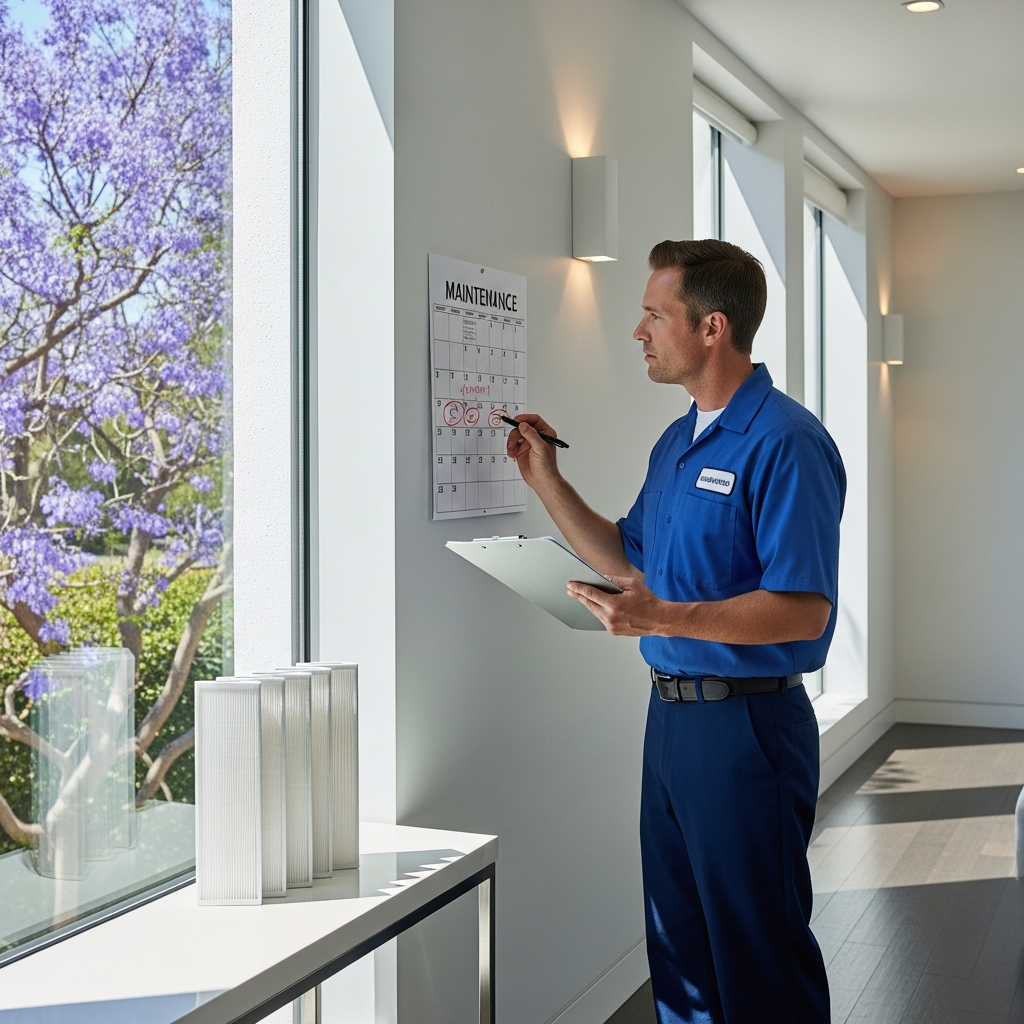
Creating the right air conditioning maintenance schedule in Beverly Hills is as much about understanding our rhythms as it is about understanding equipment. Mornings can be temperate under the shelter of jacaranda canopies, afternoons heat up along sun-bathed boulevards, and canyon breezes bring cool relief after dusk. A schedule that anticipates those shifts ensures your home remains an oasis from spring’s first warm spell through late autumn. The most effective plans begin with a spring tune-up and layer in strategic checkpoints designed for our microclimates, supported by a trusted provider of air conditioning maintenance who knows the subtleties of the hills and flats.
Think of your schedule as a calendar of confidence. Instead of waiting for the first uncomfortable afternoon, you arrange service when parts are available, technicians are not rushing from emergency to emergency, and you can have a thorough dialogue about how your household uses space. That conversation is essential because no two Beverly Hills homes behave the same. A single-level home off the flats cools very differently than a hillside residence with expansive glass and a detached studio.
Spring: The Foundation Of Reliable Cooling
Late March through May is the sweet spot for comprehensive maintenance. Outdoor units are accessible, pollen and debris from the winter months can be cleared, and thermostat schedules can be refreshed before the first serious heat. During this visit, your technician will assess airflow, clean coils, verify refrigerant performance, test electrical components, and confirm that condensate drains are free and properly sloped.
The spring appointment is also the time to set system staging for the months ahead. Homes with variable-speed equipment benefit when fan profiles and compressor ramps are tuned for long, gentle runs that even out temperatures and humidity. If you have a zoned home, each zone should be reviewed for damper operation and for how its schedule aligns with real-world use—guest rooms may not need the same conditioning as the primary suite, and a home office might call for targeted afternoon cooling.
Early Summer: The Performance Pulse Check
By late June or early July, dust, pollen, and urban particulates can accumulate on outdoor coils. A brief mid-season pulse check keeps performance on track. This is not a full tune-up, but it includes condenser cleaning, verification of refrigerant data points, and a quick look at filters and drains. Those minor touches can prevent creeping inefficiencies from becoming noticeable comfort issues during July afternoons.
This check is especially valuable for homes situated near canyons or tall hedges where plant material circulates and settles. If your property includes a poolside cabana, guest house, or gym with separate cooling, coordinate that equipment’s quick inspection at the same time so everything stays aligned.
Late Summer To Early Fall: Preparing For The Second Wind
As evenings begin to cool again, interior loads can still spike in late afternoons, particularly in west-facing rooms. This shoulder period is a good moment to revisit thermostat routines, making small changes that reduce short cycling and maintain a comfortable glide to evening. Your technician may also verify that drain safeties and float switches remain responsive after months of condensate flow.
In homes where family schedules shift for travel or school, revising setback strategies can capture energy savings without compromising comfort. The goal is consistency: you want your system behaving predictably so it never has to play catch-up.
What To Include In Each Scheduled Visit
Regardless of the season, your maintenance appointments should include attention to airflow, cleanliness, controls, and safety. Airflow starts with pressure readings that reveal whether the system is breathing freely. Clean filters and sealed returns make your investment in efficient equipment pay off, while the right fan speeds keep operation quiet. Cleanliness includes both the indoor coil and outdoor condenser, because any film of dust disrupts heat transfer.
Controls matter more than many homeowners realize. Thermostat firmware updates, calibration, and schedule alignment play a direct role in both comfort and efficiency. In a zoned home, this is also when dampers and bypasses are checked so zones act as partners rather than competitors. Finally, safety measures—drainage tests, float switches, and electrical integrity—round out the visit so you know the system can handle long summer runs without surprises.
Coordinating Maintenance With Your Lifestyle
A good schedule fits your calendar. In Beverly Hills, that might mean arranging spring service before the gala season gets busy, or lining up a mid-year check when you return from travel and want to ensure bedrooms are cool for guests. Many homeowners also coordinate filter changes with housekeeping cycles so dust stays in check across the home. If you use higher-MERV filters for indoor air quality, your schedule should reflect slightly more frequent inspections to balance cleanliness with unrestricted airflow.
Another consideration is property layout. Multi-structure estates often have separate air handlers for guest houses or studios. Synchronizing their maintenance prevents mismatches where one space runs efficiently while another struggles. That way, whether you open a guest space for the weekend or host an event, comfort feels uniform throughout the property.
Choosing A Partner For The Schedule You Design
Consistency is easier when you work with a team that documents baseline readings and notes how your system responds season to season. Over time, a performance history becomes a powerful tool. Subtle changes in static pressure, compressor current, or temperature split can reveal developing issues months before they affect comfort. A provider experienced with air conditioning maintenance in our area will also understand how canyon winds, landscaping, and architectural details influence service intervals.
Good partners encourage dialogue. If you notice an upstairs room warming during sunsets, or a theater room that cools too aggressively, share that information during visits. Maintenance is not just mechanical; it is a conversation that tailors operation to the way you actually live in your home.
Frequently Asked Questions
What is the ideal maintenance cadence for Beverly Hills?
Plan one comprehensive visit in spring to set the tone for summer, plus a brief performance check in early to mid-summer. Larger estates or homes near heavy foliage may benefit from an additional quick condenser cleaning during peak pollen and dust periods.
Can I align filter changes with my maintenance schedule?
Yes. Many homeowners change filters at the spring visit, then again during the mid-season check depending on MERV rating and household activity. Your technician can recommend a filter that balances air quality with free airflow.
Should each zone be checked every time?
Absolutely. Zoning only delivers comfort when each damper, sensor, and schedule works in harmony. Even small imbalances between zones can affect the entire system’s efficiency and noise level.
Is a mid-season visit necessary if my system seems fine?
While not mandatory, a quick mid-season pulse check can keep performance on track by addressing accumulated debris and verifying refrigerant data. It is a proactive step that prevents small drifts from turning into noticeable comfort issues.
How does travel or hosting guests affect my schedule?
Significant changes in household occupancy and activity can justify small schedule adjustments, especially for zoned systems. Coordinating maintenance around these events ensures comfort without sudden energy spikes.
When you are ready to map out a dependable year-round plan, set your spring appointment and reserve a mid-season pulse check with a local team that specializes in maintenance scheduling for Beverly Hills homes. A thoughtful schedule turns hot afternoons and busy calendars into a season of effortless comfort.