
Ask ten Beverly Hills homeowners what “best” means in air conditioning repair and you’ll hear themes that echo across every street: swift response without chaos, immaculate care for fine finishes, crystal-clear communication, and solutions that feel effortless after the technician leaves. In a city where architecture is personal and comfort is nonnegotiable, the best repair is equal parts craftsmanship and consideration. It’s also distinctly local, shaped by the microclimates and building styles that define Beverly Hills—from sun-bathed mid-century homes to shaded canyon retreats and contemporary glass pavilions. When a system falters, you want a path back to calm that is both fast and thoughtfully executed, a path anchored in proven diagnostics and respect for your space. Early in any visit, I listen for how the problem started, what’s changed recently, and which rooms reveal the issue first. Those details sharpen the picture, guiding a repair that restores your air conditioning with minimal disruption.
Excellence begins with a methodical look at airflow, temperature, and load. We measure static pressure to see how readily the system breathes, assess filter selection so the blower isn’t suffocating behind a too-dense media, and check coil condition because even a light film of dust can add up to a heavy performance penalty. Electrical readings—amperage, capacitance, and contact resistance—tell us whether the system’s heart and nerves are synchronized. Then we cross-check refrigerant data with the real-world conditions of your home. West-facing windows? A bustling kitchen that lifts the sensible load each evening? Those realities matter, because the best repair is tailored to your lifestyle as much as to the equipment.
What “best” looks like during the visit
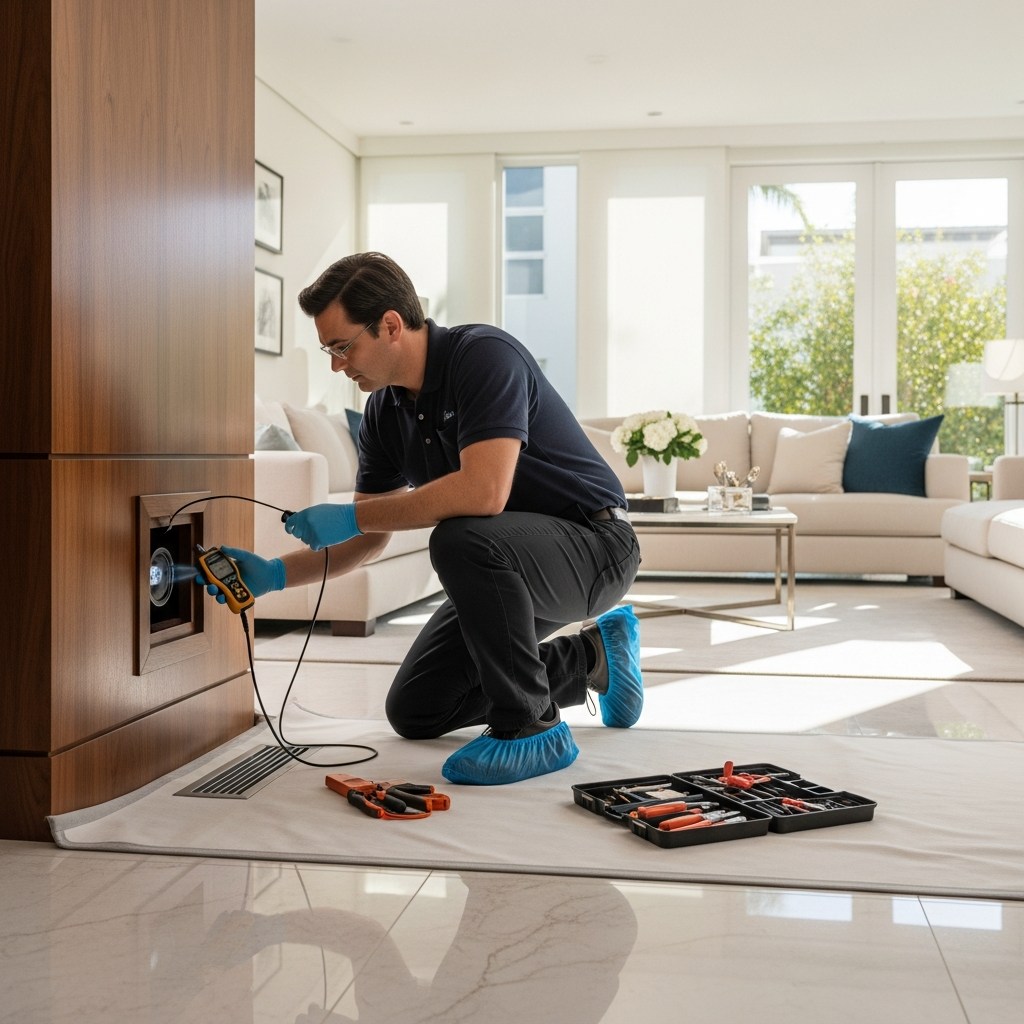
From the moment we knock, the experience should feel composed. Shoe covers go on; drop cloths go down; delicate surfaces are protected. Tools are staged neatly, and conversations are calm and clear. We isolate noise wherever possible so your home stays quiet even while we work. When panels come off, we keep hardware sorted and labeled. When the blower wheel comes out for cleaning, the space is contained so residue doesn’t roam. You’ll see not just technical skill but regard for your home’s design—how vents integrate with crown molding, how a return blends with millwork, how outdoor equipment hides confidently behind hedges without sacrificing airflow.
Halfway through a repair, I share the developing story: what we’ve tested, what the numbers say, and which components are involved. This transparency keeps you at ease and sets up smart decisions. If a capacitor failure masked a blower imbalance, we’ll resolve both. If a control board shows intermittent faults, we’ll document the evidence and explain options. Photographs and short videos capture details for your records, so months later you can recall precisely how we returned the system to health.
Local knowledge that changes outcomes
Beverly Hills has its own rhythms. Afternoon heat settles into the flats; canyon winds push dust into coils; older homes pair updated equipment with mid-century ductwork that needs gentle handling. Knowing these tendencies means fewer surprises and a better fit between diagnosis and remedy. It also informs how we verify performance before we leave. We don’t just measure temperature at one vent—we evaluate comfort across the home, especially in rooms that are historically stubborn. If a south-facing bedroom lags behind, we’ll adjust diffuser orientation or register damper position to balance the space.
The best repair also looks ahead. Once the immediate issue is addressed, we check the small things that keep comfort steady: condensate drains that should run freely without priming troubles, thermostat sensors that must read true, and panel seals that prevent air from bypassing filters. These details rarely draw attention on their own, but together they move a system from functional to exceptional.
Discretion and coordination
Many homes require coordination with household staff, property managers, or security teams. The best repair respects those channels and keeps everyone informed without fanfare. In neighborhoods with strict parking and access controls, we arrive ready to comply and keep the workday flowing. If an appointment must shift to accommodate your schedule, we stabilize comfort first, then return to complete long-duration tasks. The goal is a sense of ease from start to finish.
Mid-service, I often pivot to performance tuning that transforms a repair into a comfort upgrade. Fan profiles can be softened for quieter ramps, thermostats can be taught to anticipate your evening cooldown, and registers can be aimed to reduce late-day hot spots near tall windows. This is also where disciplined air conditioning fundamentals shine: clean airflow, balanced refrigerant charge, and crisp electrical health. By aligning those three, we make sure the fix holds beautifully in the days and weeks ahead.
Respect for materials and finishes
Best-in-class repair means your home looks untouched when we leave. Marble floors remain pristine, plush rugs stay clean, and built-ins show no scuffs. Outdoor spaces receive equal care; we prune nothing and displace nothing unnecessarily. If an outdoor coil requires deep cleaning, we shield surrounding plants and hardscape, rinse methodically, and return screens or panels exactly as we found them—except quieter and cleaner. When we access attics, we protect insulation, keep our path precise, and verify after every step that ducts are supported, not compressed.
Documentation you can trust
After the repair, you receive a clear summary: test readings, parts addressed, and settings tuned. This record is invaluable for future service and provides peace of mind that your system is operating as designed. It also helps you notice small changes quickly. If a familiar bedroom begins to lag again months from now, you’ll have a benchmark to reference and a partner who already understands your home’s story.
Frequently asked questions
What qualifies a repair service as the “best” for Beverly Hills homes?
Look for precise diagnostics, careful protection of finishes, clear communication, and genuine local experience. The best service resolves today’s issue while strengthening long-term performance and comfort.
Can most repairs be completed on the first visit?
Yes, especially common issues like capacitor failures, contactor wear, blower problems, and drain clogs. Well-stocked vehicles make first-visit solutions likely; complex control or refrigerant issues may require a brief follow-up.
How do you ensure quiet operation after a repair?
We balance blower wheels, secure panels, verify duct support, and fine-tune fan profiles. Attention to vibration points and diffuser orientation often yields a notably quieter system.
Will repairs disrupt my home?
Minimal disruption is a core standard. We use protective coverings, organize tools carefully, and coordinate entry and parking. When we leave, the only sign of our visit should be clean, cool air.
Do you provide guidance to prevent repeat issues?
Absolutely. We share filter recommendations, thermostat strategies tailored to your schedule, and notes on areas to watch—like drains or registers—that can benefit from quick homeowner checks between visits.
What if my system is older?
We restore reliable operation today and outline data-driven options for the future, so you can plan upgrades on your timeline without pressure.
Ready to experience the best in comfort
If your home feels warmer than it should or a new sound has caught your ear, now is the time to restore calm. We arrive prepared, protect your space, and deliver repairs that feel as composed as the rooms you’ve created. Reach out today and let us bring back the quiet, even comfort you expect. For meticulous care of your home’s air conditioning, we’re ready when you are.