
Condominium living in Beverly Hills blends elegance with efficiency, and nowhere is that balance more important than in your cooling system. In shared buildings, one person’s noisy fan or overflowing condensate line can ripple outward to affect neighbors, hallways, and even the lobby. That’s why thoughtful maintenance isn’t a chore; it’s good citizenship wrapped in everyday comfort. As someone who services condo systems throughout the Golden Triangle, along Burton, and in the sleek towers edging Wilshire, I’ve learned that the best maintenance plans are tailored to building rules, equipment location, and the rhythm of your daily life. Start with clarity—know where your system lives, understand how air flows through your home, and keep a realistic schedule—and your condo will feel calm and consistently cool, even on the hottest afternoons. When you need a pro to tune, test, and fine-tune, choose a local team that knows the constraints of condo work and how to care for your air conditioning with minimal disruption.
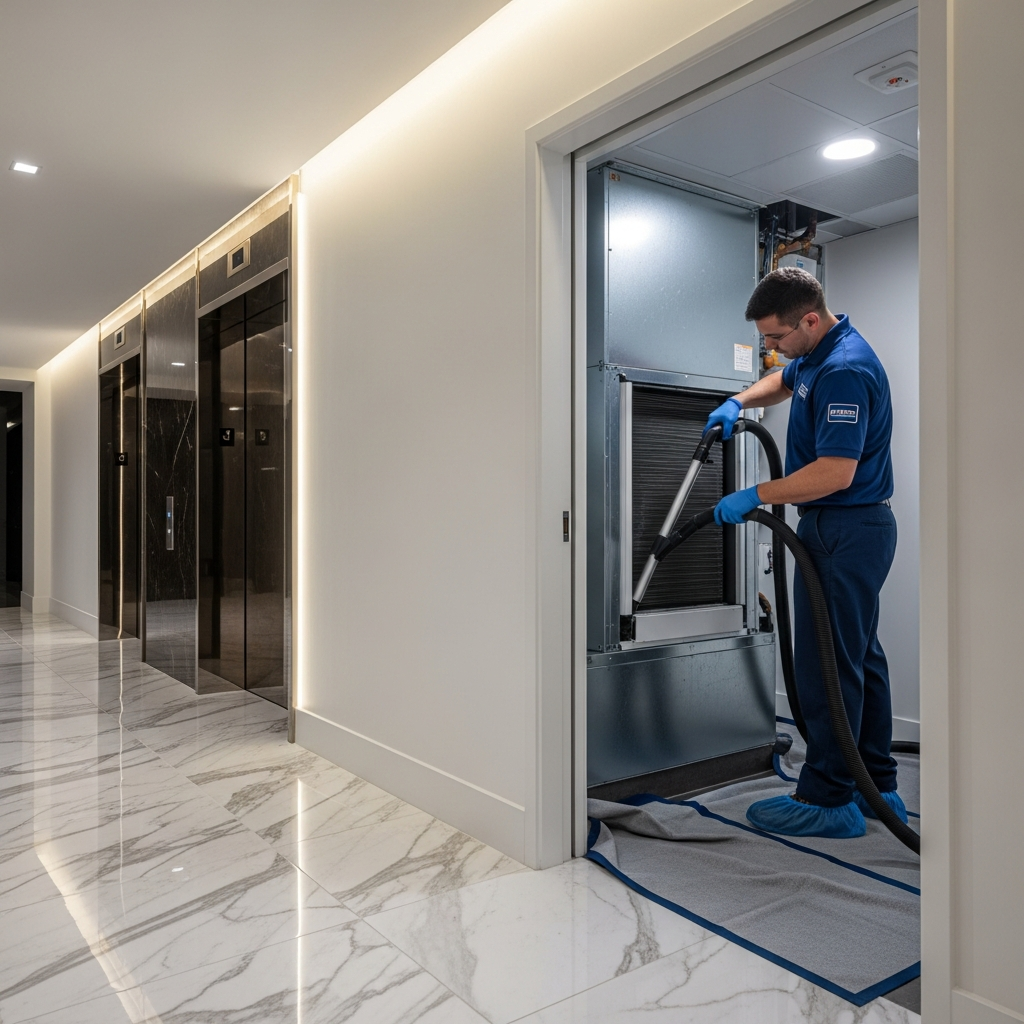
Every building sets its own boundaries. Some require service appointments during certain hours; others ask for elevator bookings and proof of insurance before tools cross the threshold. Outdoor condensers may sit on rooftops, tucked inside screens for appearance and wind protection, or they may rest on a shared terrace. Indoors, air handlers often live in compact closets with little clearance, or inside drop ceilings where access panels share space with lighting and sprinklers. Maintenance inside these constraints calls for thoughtful staging: slim vacuums, containment for coil cleaning, and attention to sound so neighbors aren’t disturbed.
Understanding your condo’s cooling anatomy
Most Beverly Hills condos rely on one of three setups. The first is a split system with an indoor air handler and an outdoor condenser on a roof or balcony. The second is a heat pump version of the same arrangement, offering efficient heating in the shoulder seasons. The third is a fan-coil connected to a central building loop, where chilled water circulates and each unit controls its own fan and valve. Each setup has strengths and specific maintenance needs. Split systems depend on clean coils and correct refrigerant charge for peak performance, while fan-coils demand filter diligence, clean drain pans, and free-moving valves that respond quickly to your thermostat.
Noise is often the first sign a condo system needs attention. A blower wheel can accumulate dust until it throws itself slightly off balance, producing a droning note that transfers through framing to the next room or, worse, the unit below. That’s why coil and wheel cleaning are maintenance essentials, not vanity tasks. We protect finishes, collect runoff carefully, and restore balance so the only thing you notice is cool, even air.
Drain lines: the quiet risk
In condos, a clogged drain can affect more than your own floor. A slow drip into a ceiling cavity might find its way to a neighbor’s light fixture or down a utility chase. Routine maintenance always includes inspecting and clearing the condensate line, testing float switches, and verifying that drain traps are primed and odor-free. For fan-coil systems with shallow pans, we pay special attention to pitch and cleanliness because even a little algae can raise water levels enough to trigger overflows. Where permissible, adding cleanout access and biocide treatments helps keep lines freely flowing between visits.
Filters deserve more credit than they get. In tight condo closets, a filter that’s rated too high for the blower can starve the system of air, leading to cold coil surfaces and, eventually, ice. Choose a filter that balances capture efficiency with airflow; we’ll help identify the sweet spot based on your home’s layout and lifestyle. Pets, cooking frequency, and balcony doors used often can all change how quickly filters load up. A maintenance schedule that suits your life prevents surprise shutdowns and keeps noise down, since a straining motor is a noisy motor.
Working within building rules without losing momentum
Coordination is everything. Before we arrive, we align with building management on parking, access, and protective measures for elevators and hallways. Inside the unit, we stage tools on clean mats, cover high-traffic routes, and move thoughtfully. Maintenance should leave no trace except cooler air. That includes how we communicate—short, clear updates; photo documentation for your records; and summaries you can share with a landlord, HOA, or future buyer. In buildings with attentive doormen and concierges, we check in and out courteously so everyone knows work is underway and completed.
Midway through a visit, I like to pause and show measurable results. Static pressure often drops after filter and coil care; temperature splits become more consistent; and drain lines pull cleanly, indicating clear pathways. That feedback loop builds trust and gives you confidence that the invisible work is delivering tangible comfort. It’s also where we fine-tune thermostat strategies for condo living—schedules that prevent large temperature swings, fan modes that avoid nighttime drafts, and recovery settings that quietly bring the space to your preferred temperature before you return home.
Balconies, rooftops, and coastal air
Even slightly coastal air reaches Beverly Hills, and with it a touch of salt and stubborn dust that clings to outdoor condenser fins. On rooftops, screens meant to hide equipment can paradoxically restrict airflow if debris collects. Part of condo maintenance includes safe, respectful cleaning of those coils and screens, ensuring the unit breathes freely without broadcasting noise across the building. We secure panels carefully after service—wind at elevation finds any loose screw—and verify that vibration isolators are intact so sound doesn’t travel through the structure.
In the middle of thorough maintenance, we often discover settings or small parts that yield big comfort gains. A mispositioned thermostat sensor can trick the system into thinking the room is cooler than it is, leaving you slightly sticky on warm evenings. A worn blower belt (in older fan-coils) can slip, cutting airflow quietly. A bent louver on a supply register can push air into a curtain or drapery instead of the room. Correcting these mid-level issues is where reliable air conditioning care pays off—not with fanfare, but with the pleasant absence of problems.
Energy awareness without compromise
Condo residents often ask how to be efficient without sacrificing quiet or comfort. The answer lies in balance: clean coils and filters allow the system to reach temperature faster and cycle off sooner; sealed joints keep conditioned air in the home rather than in a chase; and calibrated thermostats prevent overshooting. We also encourage steady, moderate setpoints. Large temperature swings force long recovery cycles that can be noisy in shared spaces. A moderate, steady approach keeps the background ambiance calm.
Frequently asked questions
How often should I schedule condo AC maintenance in Beverly Hills?
At least once per year is essential, and twice—spring and late summer—is ideal for buildings with rooftop equipment or fan-coils that see heavy use. The second visit catches strain-related wear and keeps drains clear through the warmer months.
Can maintenance be done without disturbing neighbors?
Yes. With proper staging, quiet tools, and respectful scheduling, maintenance can be nearly silent. We coordinate elevator use, protect hallways, and keep conversations and equipment noise low.
What should I do if I notice water near a closet or ceiling vent?
Turn the system off and contact service immediately. A float switch may not have tripped yet, and shutting down prevents further moisture. We will clear drains, check pans, and verify that lines slope correctly to avoid repeat issues.
Are smart thermostats a good choice for condos?
They can be, especially models with remote sensors and gentle recovery modes. We help select and configure thermostats that suit your equipment type and building rules, ensuring accurate readings and quiet operation.
What if my building uses a central chilled-water loop?
Your in-unit responsibilities center on the fan-coil: filter changes, drain pan cleanliness, valve and control checks, and sealing around access panels. We coordinate with building engineers when needed to ensure supply temperatures and flow are within spec.
How can I reduce AC noise in a condo?
Balance the blower wheel, tighten panels, ensure ducts and registers aren’t vibrating against structure, and choose fan profiles that avoid harsh ramps. After maintenance, many condos sound noticeably calmer.
Ready for quiet, reliable condo comfort
Condo life rewards attention to detail. With the right plan, your system will cool evenly, drain cleanly, and hum so softly you’ll forget it’s there. If your vents feel weak, if a faint rattle has become a nightly annoyance, or if you simply want a confident seasonal check, we’re ready to help on your timetable. Reach out, share what you’re experiencing, and we’ll bring measured, respectful care to your home’s air conditioning so every room feels as refined as it looks.