
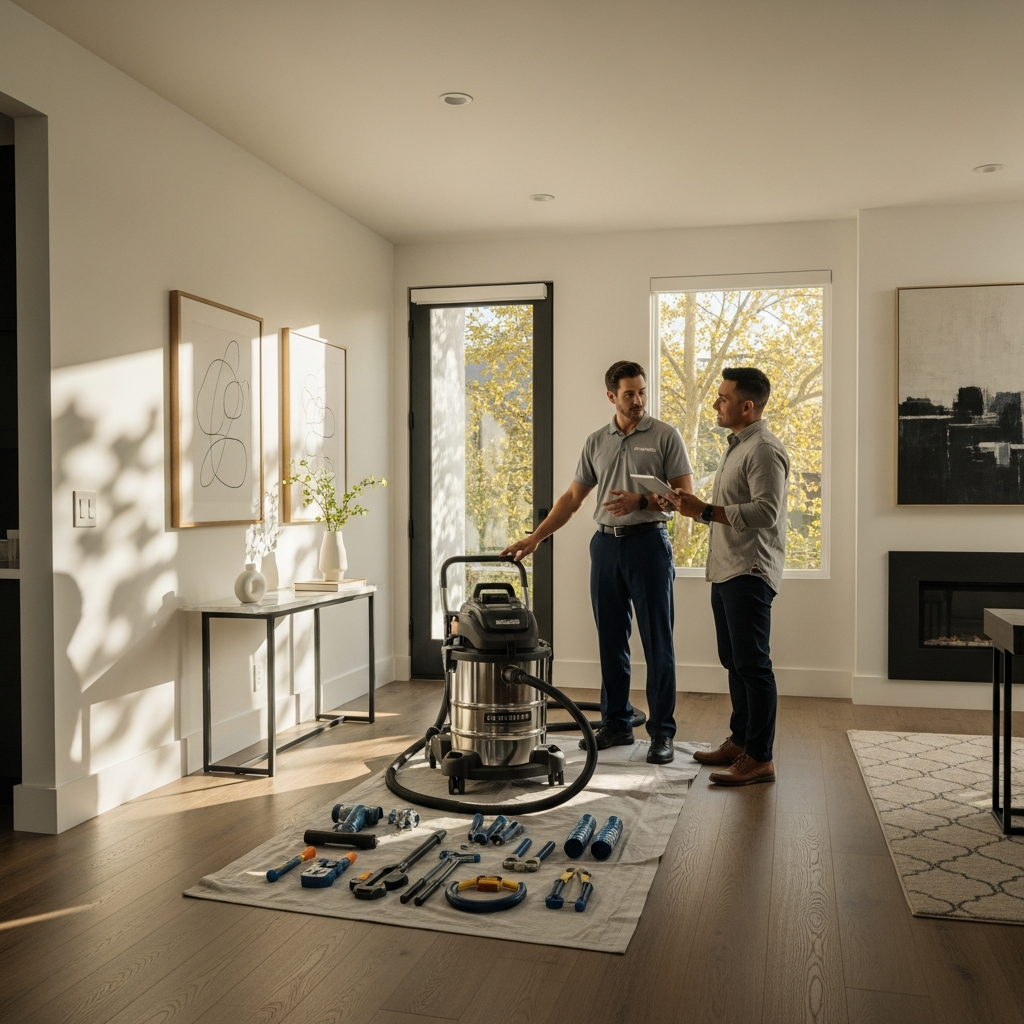
When neighbors in Beverly Hills swap stories about home upgrades, the conversation often drifts from landscaping and remodels to the invisible systems that keep a residence truly comfortable. Among those, air ducts deserve more attention than they tend to get, because clean ducts touch nearly every moment you spend indoors—morning light filtering through the sycamores on a quiet cul-de-sac, afternoon naps as the canyon breeze cools in the distance, and late-night movie marathons where indoor air quality matters as much as sound quality. If you are trying to make sense of the overall investment tied to this essential home service, it helps to understand the local factors that shape it. Before sifting through options, it is worth grounding the conversation in the value of professional air duct cleaning in Beverly Hills, where building styles, ages, and microclimates vary more than most people realize.
Think of your ductwork as a network of hidden streets beneath your roofline. Over time, those routes gather what daily life naturally sheds—pet dander, fine dust from traffic on Sunset or Wilshire, bits of lint from wardrobes that rotate seasonally, and particles that drift in after a home improvement project. Add our region’s episodic wildfire smoke and bursts of Santa Ana winds, and the story inside your ducts becomes more dynamic than many homeowners expect. When you pursue a high-quality cleaning, you’re aiming at a broader goal than tidiness: smoother airflow, more consistent comfort room-to-room, and a fresher indoor environment that supports wellbeing and reduces strain on the HVAC system.
Understanding What Shapes Your Overall Investment
Although homeowners often start with a single question—what will it take to get this done right?—the most useful perspective begins with scope and complexity. In Beverly Hills, the homes range from historic estates with expansive square footage to modern, minimalist properties that prioritize efficiency. The size of the duct network and the style of the home strongly influence what a thorough cleaning entails. Larger footprints mean more supply runs, more returns, and more grills to remove, protect, and replace. Architectural intricacies like split levels, vaulted ceilings, or ducts that snake through tight crawl spaces add time and precision work to reach each branch properly.
Another major element is the condition of the system. If your household includes long-haired pets, if your home is on a street with frequent construction activity, or if you have remodeled in the last few years, there is likely a higher build-up to address. Residences that have weathered wildfire smoke may also have particulate that requires more meticulous negative-pressure containment and HEPA-level filtration to extract without reintroducing particles into living areas. The age of the duct materials—flex, metal, or a combination—matters as well, because each type responds differently to agitation methods and protective handling.
What You Receive Beyond the Visible Result
There is a tangible difference between a basic vacuum pass and a methodical cleaning following proven standards of containment, negative pressure, mechanical agitation, and verification. The more comprehensive approach includes careful protection of interiors, seal-off procedures to prevent dust migration, and advanced tools capable of agitating and capturing debris deep in the trunk and branch lines. In well-run projects, technicians document the condition of ducts before and after, so you can see exactly what was accomplished and where attention was focused. This visual accountability adds confidence to what otherwise happens out of sight.
Beyond clearer vents and cleaner grills, you may notice more even temperatures throughout the home and reduced dusty film on frequently used surfaces. For households with sensitivity to allergens, the difference can be especially noticeable in sleeping areas. Pair that with the quieter operation of an HVAC system that moves air with less resistance, and you gain day-to-day improvements that are felt as much as they are measured.
Local Nuances That Matter in Beverly Hills
Our city’s topography introduces real variables. Canyon properties often experience distinct airflow patterns during seasonal shifts, drawing in outdoor particles from dense greenery and hillside trails. Flats properties closer to commercial corridors can see an uptick in ultrafine dust from traffic, delivery routes, and periodic building work nearby. Many homes also blend old and new elements—original registers paired with modern returns, or legacy duct runs capped by renovated zones. A technician familiar with these patterns can anticipate hidden junctions and rarely accessed runs, reducing surprises during the appointment.
Then there is the matter of access. Some homes have generous mechanical rooms and straight runs that allow rapid setup and thorough reach. Others conceal critical junctions behind decorative walls or in shallow attic spaces that call for patience and specialized attachments. Thorough attention to access does not simply “get the job done”—it helps confirm that the negative-pressure environment is maintained consistently and debris is transported out of the home without leakage.
Why Process and Proof Trump Shortcuts
The integrity of the process is everything. Establishing negative pressure with a powerful vacuum at the right location means dust and debris are pulled toward the collection point rather than drifting into rooms. Mechanical agitation tools—whips, brushes, or compressed air nozzles—loosen material that simple suction would leave behind. Properly sealing each register during cleaning helps prevent backflow. And after sections are addressed, a conscientious team will verify, often with video or photo confirmation, that the trunk and branch lines look the way they should. This isn’t flourish; it is the difference between surface-level work and a result that endures.
Homeowners sometimes ask whether a fragrance or sanitizer should be applied. The choice is personal and should be discussed openly, with full clarity on products and their suitability for different duct materials and household sensitivities. The better mindset is to treat those options as finishing touches, not substitutes for robust mechanical cleaning. If the ducts are thoroughly agitated and vacuumed under containment, the system should already smell and feel fresher without additives.
Timing and Seasonality
In a place with mild winters and warm stretches that invite HVAC use most months, timing your cleaning can hinge on lifestyle. Some residents prefer to schedule after a remodel wraps, others plan before a major holiday season or the peak of summer. If your home sits beneath shedding trees or you battle seasonal pollen, consider aligning the work with those cycles. The key is choosing a time when the home can be comfortably accessed, registers cleared, and protective coverings placed without disruption—especially important when staff, pets, or delicate furnishings are part of the equation.
Evaluating Proposals Without Fixating on a Number
Without discussing specific figures, you can still compare approaches intelligently. Ask how technicians will access the main trunk and branch lines, whether negative pressure is established at a strategic point, and how they will protect finishes and furniture. Clarify how many supply and return registers are included in the scope and whether hard-to-reach runs are treated differently. Request photo documentation of before and after conditions. This kind of clarity turns an abstract quote into a specific, understandable plan of action.
In the middle of those questions, it is reasonable to ask how the team handles delicate or vintage registers, how they will approach flex duct without damaging its integrity, and how they will confirm results at the end of the appointment. You want a partner who understands that Beverly Hills homes can carry architectural significance and who shows respect for that from start to finish. While weighing these considerations, remember that professional outcomes stem from consistent methods. If you are researching reputable options, keep an eye out for specialists who explain their process in plain language and who focus on outcomes tied to health, comfort, and system performance. If you need a place to start, reviewing a trusted provider’s approach to professional air duct cleaning can help you frame the right questions.
Preparing Your Home for a Smooth Appointment
A little preparation goes a long way. Clearing access around supply and return registers speeds the setup. If you have cherished art or delicate decor beneath or near vents, consider temporarily relocating or requesting additional coverings. Communicate where pets will stay during the visit; the sound of equipment can be unfamiliar to them, and doors may open and close frequently as tools are moved. If anyone in the home is sensitive to dust, alert the team so they can stage protective measures accordingly and tailor clean-up routines after the work concludes.
On the day itself, good teams arrive ready for the home they are entering—boot covers on, drop cloths in place, and a plan for moving methodically from zone to zone. Expect them to spend time at the start identifying the most effective main hookup location and plotting how to reach the farthest branches. This early diligence pays off: it reduces the chance of revisiting areas and minimizes the total time your home is in work mode.
Aftercare and the Longer View
Once the ducts are cleaned, the benefits extend beyond the week or month ahead. Think of it as a reset for your HVAC system. With less resistance in the ductwork, air handlers operate with a little less effort. You may notice dusting becomes a less frequent chore and fabric surfaces feel fresher. Filter changes can be more effective because the system isn’t constantly recirculating settled particles. If you have plans for further upgrades—smart thermostats, zoning tweaks, or a filter upgrade—this is an ideal moment to calibrate the system so all components are working in harmony.
It is also wise to consider prevention. Checking door sweeps, sealing attic hatches, and inspecting the return path for gaps helps keep new debris from being drawn in. Keeping up with routine HVAC maintenance, such as filter replacements on schedule and coil cleaning when needed, complements the ductwork cleaning and maintains the fresh baseline you just created.
Common Questions Beverly Hills Homeowners Ask
How long does a thorough cleaning typically take in a Beverly Hills home? The timeframe varies with home size, layout, and how easy it is to reach the main trunk and distant branches. Many residences can be addressed in a single visit, while larger estates or homes with complex access can require additional time. What matters most is that the crew does not rush the negative-pressure setup, register sealing, and methodical agitation that ensure a complete result.
Will cleaning my ducts help if I am sensitive to dust or pollen? While everyone’s sensitivities are different, many households report that sleeping spaces feel fresher and dust settles more slowly on everyday surfaces. When combined with high-quality filtration and routine HVAC maintenance, the improvement can be meaningful for comfort and daily routines.
Is this something I can do myself with a household vacuum? Household tools are not designed to create the negative pressure and sealed environment needed to remove debris without spreading it. Professional equipment and techniques are built to draw particles toward a central collection point while protecting your living spaces, which is especially important in homes with fine finishes or valuable collections.
How often should I consider scheduling again? The interval depends on lifestyle and exposure. Homes with pets, frequent entertaining, or projects that generate dust may benefit from more frequent attention, while lower-traffic residences might go longer between appointments. A general rhythm many residents find useful is to reassess every few years, or sooner after significant home changes.
Does ductwork age affect what can be done? Yes. Metal, flex, and fiberboard ducts each require specific handling to avoid damage. A qualified team will tailor their techniques—tool selection, agitation strength, and access strategy—to the materials in your home.
What about odors that linger when the system runs? Odors usually signal material inside the ducts, a compromised return path, or something within the air handler itself. Mechanical cleaning under containment often reduces or eliminates smells tied to dust accumulation. If an odor source is elsewhere, a reputable pro will help identify it and advise on next steps.
Ready to Breathe Cleaner Air at Home?
If you are contemplating the right time to refresh your home’s hidden air pathways, there is no substitute for a conversation grounded in process, access, and outcomes. Reach out to a trusted local specialist who treats your property with the same care you do, explains each step clearly, and documents the results so you can see the difference for yourself. When you are ready to take the next step, explore the details of high-quality air duct cleaning and schedule a time that suits your household’s rhythm. Your home, your comfort, and the air you breathe every day are worth it.